
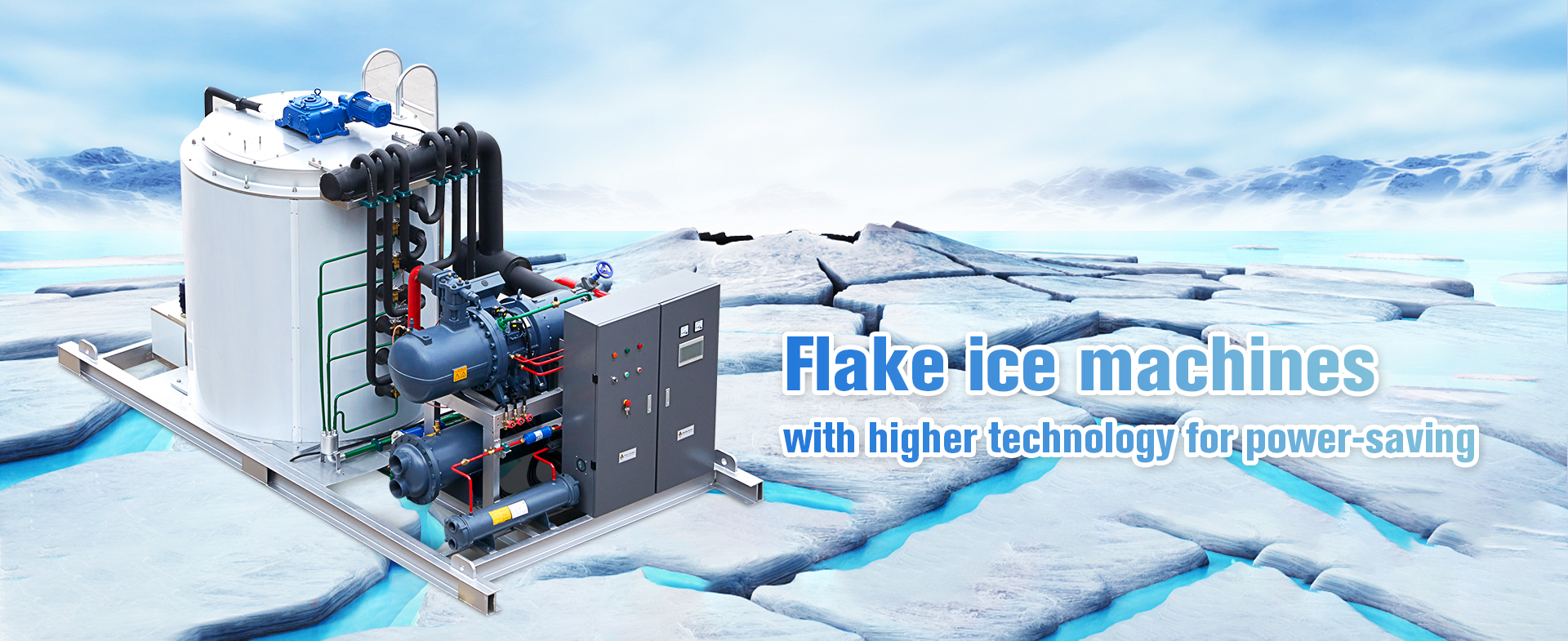
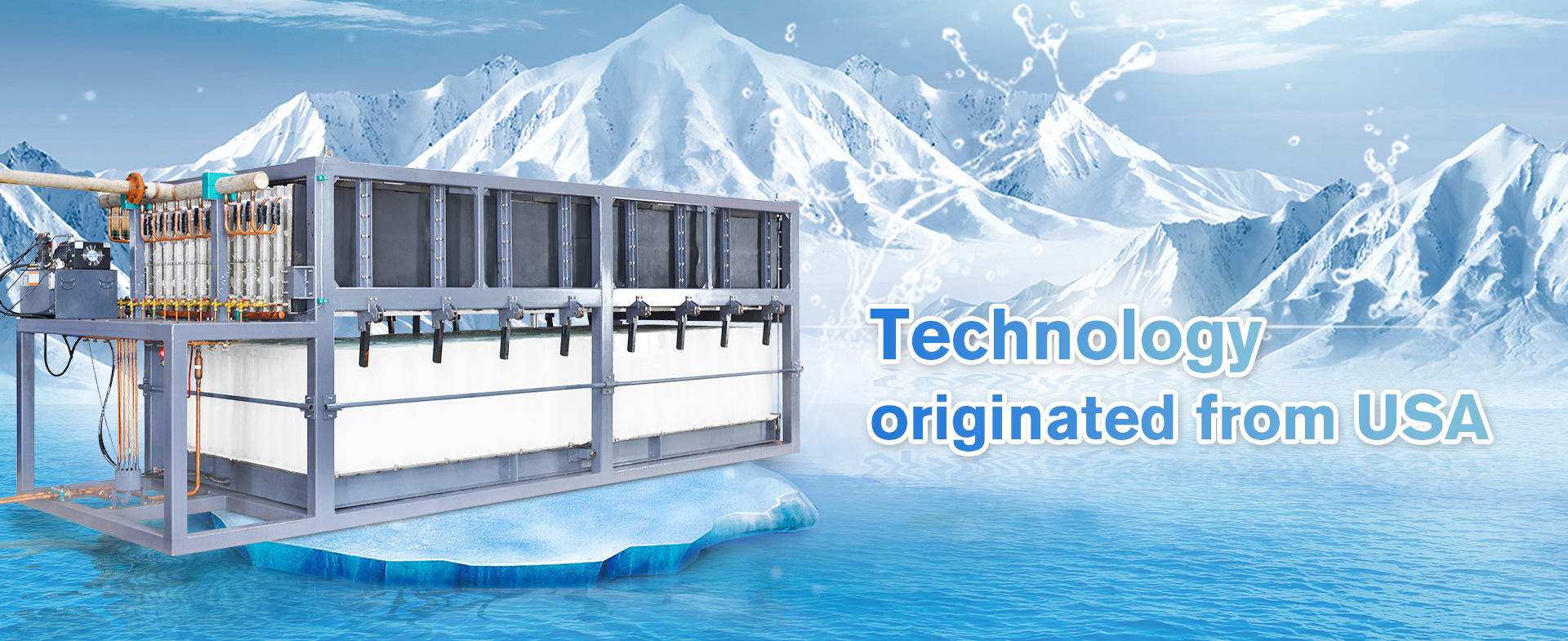


You know, a flake ice machine with a bin can seem pretty straightforward when you're just looking at a product page. You see the ice output, the storage capacity, and the price – that's about it, right? But in real life, the way those numbers actually work for you depends on a bunch of other stuff. Like, how busy your busiest hours get, how much space you've got to work with, and honestly, how much time you're willing to put into cleaning the thing. Take a café that's topping seafood, for example – they probably need to grab fresh, loose flakes super often throughout the day. On the other hand, a small clinic or a food-service counter might care more about having reliable storage and easy access when they need it. So yeah, the little details really do make a world of difference.
Alright, before you go comparing ice makers, here's a tip: figure out your peak demand first. Don't just plan for an average day – because the day you need the most ice, you'll be scrambling. And when you're checking out specs, look at the usable bin capacity, not just the advertised number. That number can be a bit misleading. Also, make sure the machine can actually get through your doorways and hallways. I'm talking about measuring the route – door heights, counter clearance, and leaving enough room for ventilation and future servicing. A unit that looks great on paper might be a nightmare to maintain because you can't get to the back or the sides. Believe me, that adds up quickly. So yeah, do your measurements before you fall in love with a model.
So, here’s the deal—these seven tips are all about the practical stuff you should really check before buying. I’m talking production and storage, ice quality, size and dimensions, utilities, sanitation, getting access for service, and how the seller actually supports you. You want to see clear specs, sure, but also ask them straight up: how does performance shift when it’s hot and humid in your kitchen? Compare warranty terms and what routine maintenance looks like—get it in writing, not just a promise. And if they’re vague on anything, just hit pause. Verify it first, because you don’t want surprises later. You know, I've noticed a lot of buyers get so caught up in daily output that they totally forget about things like bin access or how long cleaning takes. And those little oversights? They can turn into major headaches down the road. Plus, there's no one-size-fits-all machine—each operation is different, so you really have to sit down with that checklist and compare what you need carefully. And before you place that order, make sure you've double-checked all the critical specs with the supplier. Trust me, it's worth the extra time.

Define Your Daily Flake Ice Production and Storage Needs
Tip 1: Estimate how much flake ice you use on a typical day, then check your busiest day too. A seafood display, prep station, or drink service can consume ice at very different rates. Review a week of usage if possible. If you have no records, track how often staff refill containers for several days. It is a rough start, not a perfect forecast.
Tip 2: Separate daily production from storage capacity. The machine’s stated output is usually a daily figure under specified operating conditions. Warm rooms, warmer water, or heavy use can affect real output. Your bin must hold enough ice for busy periods between production cycles. Keep some breathing room. A nearly full bin may not mean you have enough ice when demand suddenly rises.
Tip 3: Compare your peak-hour needs with the bin’s usable capacity, not just its listed size. Consider where staff will scoop ice and whether the bin is easy to reach during a rush. A simple log of daily use and remaining ice can reveal a mismatch. I would revisit the estimate after a few weeks; early assumptions are often off.
7 Tips for Buying a Flake Ice Machine With Bin - Define Your Daily Flake Ice Production and Storage Needs
| Tip | What to Assess | Illustrative Example | Buying Guidance |
|---|---|---|---|
| 1. Measure daily ice use | Record the amount of flake ice used on a typical operating day, preferably over several days. | A seafood counter uses about 120 kg (265 lb) per day. | Use measured consumption as your baseline rather than estimating from the size of the business. |
| 2. Check peak-day demand | Compare busy days, weekends, seasonal periods, and special events with normal usage. | Daily use rises from 120 kg to 150 kg (331 lb) on busy days. | Size the machine for the demand you need to handle reliably, not just the weekly average. |
| 3. Allow for a production reserve | Consider a planning allowance for demand variation and operating interruptions. | For 150 kg of expected peak-day use, a 25% planning allowance gives a target of about 188 kg (414 lb) per 24 hours. | Compare required output with the machine’s stated 24-hour production rating. Actual output can vary with operating conditions. |
| 4. Match bin capacity to short-term storage | Estimate how much ice must be available between deliveries from the machine, especially during busy periods. | At 150 kg of daily use, storing roughly one-third of a day’s demand means about 50 kg (110 lb) of ice on hand. | Choose a bin with enough usable capacity for your workflow; confirm whether the stated capacity is an ice-storage rating. |
| 5. Plan for demand spikes between refills | Estimate the largest amount likely to be drawn during a concentrated service period. | If 40 kg (88 lb) may be used during a lunch rush, a bin should hold at least that amount of usable ice at the start of service. | Check usable bin capacity and refill rate together. A large bin cannot compensate for insufficient daily production. |
| 6. Check the installation conditions | Review the manufacturer’s rated test conditions and the planned room temperature, water supply, and ventilation. | A machine rated at 200 kg per 24 hours may produce less when actual conditions differ from its published test conditions. | Ask the supplier to confirm expected output for your site conditions and required clearances before purchase. |
| 7. Leave room for operational changes | Consider planned increases in opening hours, production volume, or the number of ice-use points. | A site expecting daily demand to increase from 150 kg to 180 kg (397 lb) should evaluate capacity against the higher figure. | Check power, water, drainage, floor space, and bin access for the complete machine-and-bin setup. |
Planning note: The figures are illustrative examples, not universal sizing standards. Confirm actual ice demand, machine output conditions, and usable bin capacity with the equipment specifications and site requirements.
A Practical Guide to the 15KA Flake Ice Machine for Efficient, Reliable Ice Production
The 15KA flake ice machine is designed for continuous, efficient ice production, with a rated capacity of 1,500 kg per 24 hours. It produces thin flake ice suitable for drinking and beverage cooling, as well as keeping vegetables fresh, preserving fishery products, and supporting chemical processing. Matching the machine’s output to daily demand and the intended use can help maintain a steady ice supply.
During operation, a pump moves water from the tank to a distribution tray, which spreads it evenly over the evaporator’s inner wall. Refrigerant circulating inside the evaporator removes heat, freezing the water into a layer of ice. A reducer drives the ice blade to scrape the layer from the wall, allowing flakes to fall into the ice bin. Water that does not freeze drains into a collection tray and returns to the tank for recirculation, supporting an ongoing production cycle. Regularly checking that water can circulate freely and that the ice bin has room to receive flakes helps keep production running smoothly.

FAQS
Match rated production to your busiest service period, not average daily use. Track scoops during lunch and dinner rushes. Ratings show production under defined test conditions, not guaranteed output in every kitchen.
Consider a rough example: a 250-pound-per-day machine averages about 10 pounds per hour. During a three-hour rush using 60 pounds, the bin might lose roughly 30 pounds. A bin with at least 40 pounds of usable storage offers more breathing room. The estimate may still miss real usage.
No. The machine makes ice; the bin holds it. A larger bin cannot increase the machine’s production rate.
Yes. Higher room or incoming-water temperatures can reduce output. Check rated production against your site conditions, especially in a warm, crowded kitchen.
Air-cooled machines are simpler to install but need clear airflow around their vents. Hot exhaust air in a cramped kitchen can reduce output and raise energy use. Water-cooled models may be steadier in those conditions, but they use water and need suitable plumbing. No universal winner.
Ask for energy use per 100 kilograms of ice, and review the test conditions. A figure measured in a cool room may not reflect summer service. Small detail, big difference. For water-cooled models, check daily water use too.
No. A large bin stores more ice but does not make it faster. An oversized machine may run inefficiently when lightly used. Check insulation and observe how quickly ice melts during normal service.
Leave space around vents, clean condenser areas regularly, and compare actual output with expected demand. I might once have focused only on purchase price; running costs deserve a closer look. Recheck the figures after busy shifts.
Conclusion
Choosing a Flake Ice Machine With Bin starts with understanding how much ice you use each day and how much you need on hand. Estimate both typical consumption and peak demand so the machine can keep up during busy periods without producing far more than necessary. Then select a bin size that suits your workflow: enough storage for convenient access, but not so large that it takes up valuable space or leaves ice unused.
Before buying, compare cooling systems and energy efficiency, and confirm that the unit fits your available space and has suitable power, water, and drainage connections. Consider practical food-safety features, ease of cleaning, and how routine maintenance will be handled. Finally, review warranty coverage and expected long-term costs, including energy use and upkeep. Comparing these factors together can help you choose a reliable setup that fits your operation and budget.
Related Posts


