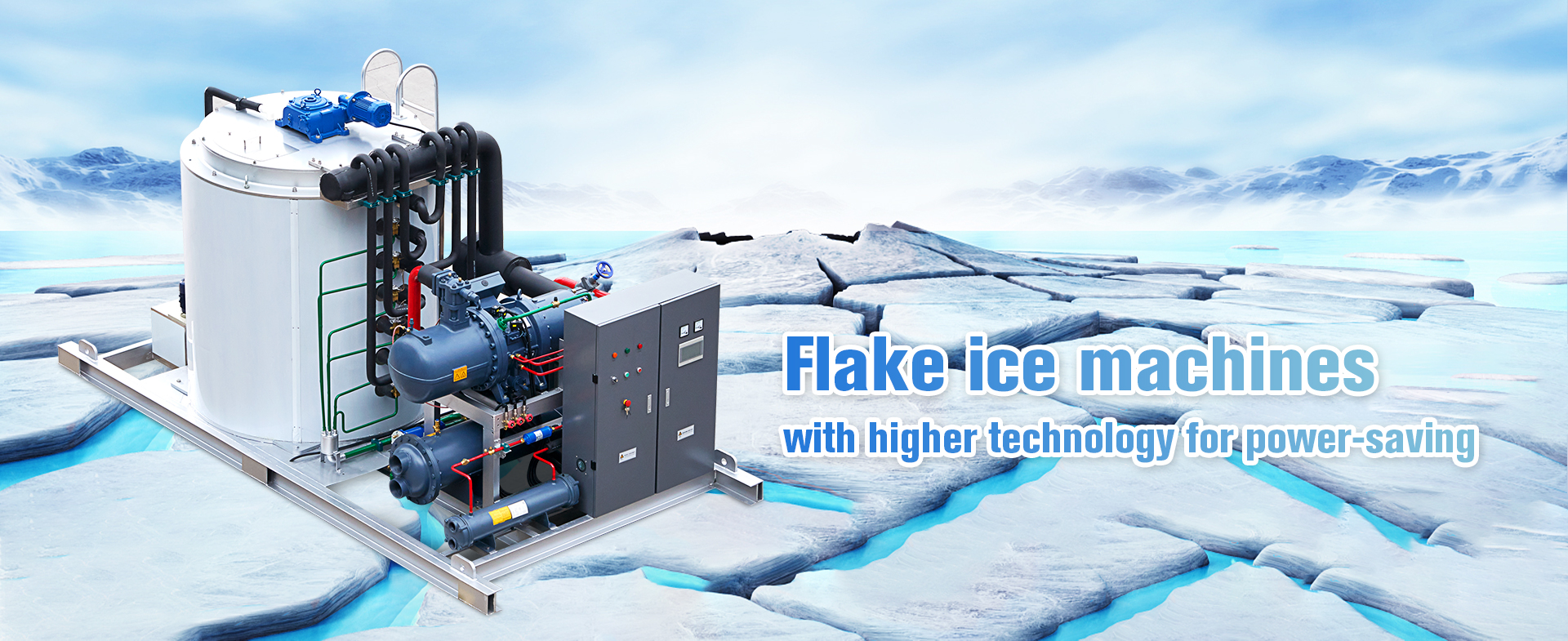
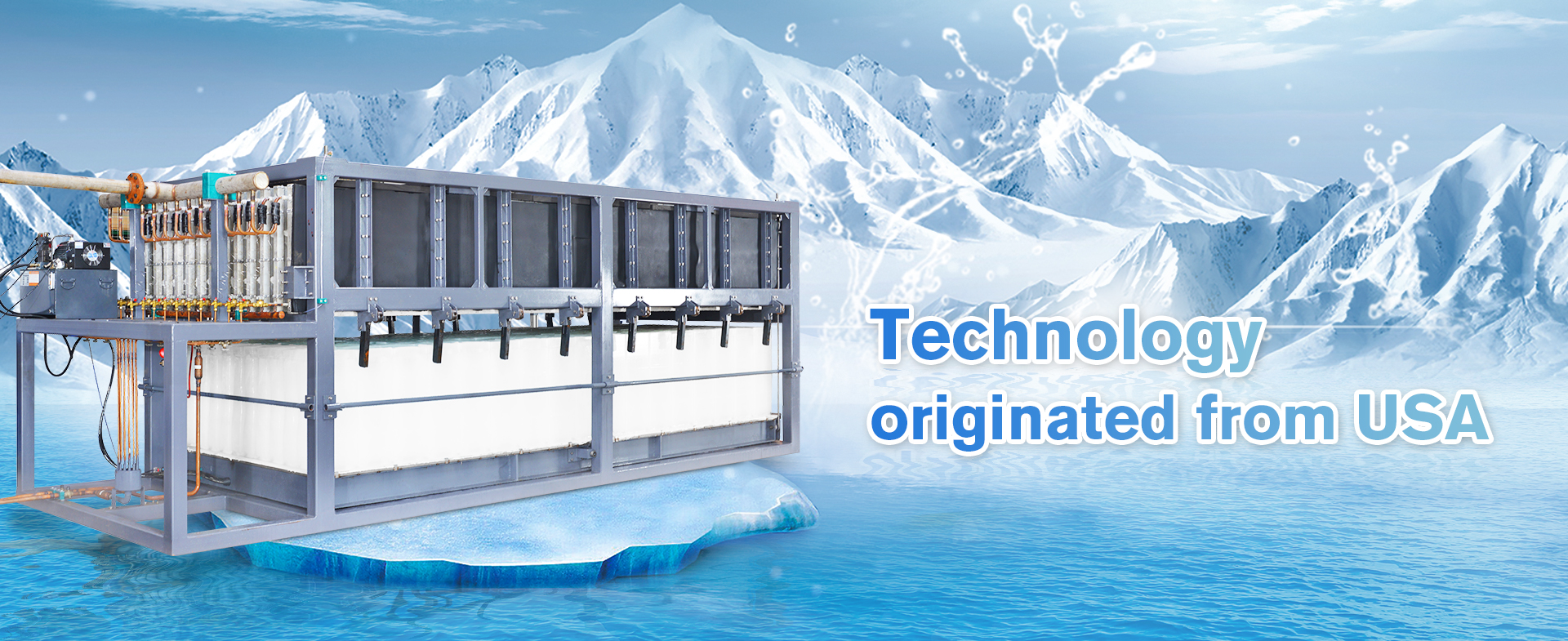
Choosing the right Flake Ice machine isn't just about picking the biggest or cheapest option. It all starts with understanding how you actually plan to use, store, and handle ice on a daily basis. For example, a seafood market might need thin, dry flakes just for display beds, while a hospital kitchen will require consistent ice production with strict sanitation standards. Then there are fishing vessels, which probably prefer a compact, reliable machine that doesn’t break down when you need it most. Keep in mind, the largest machine isn’t always the best fit — your capacity needs should match real demand, including busy seasons and those hectic peak times.
Don’t just look at production numbers. It’s also worth checking things like ice temperature, flake thickness, water consumption, energy efficiency, and how well it fits with your storage setup. A machine that makes 1,000 kilos a day might sound great, but if its bin fills up in no time, that’s a problem. Take a close look at the evaporator, auger, condenser, and how easy it is to clean. Stainless steel surfaces are a plus, but they don’t replace good maintenance — honestly, that’s the real key.
When you're picking a supplier, go for ones that give you clear technical info, installation tips, warranty details, and responsive customer support. It’s also smart to ask for references from other businesses with similar needs. Make sure you double-check electrical specs, operating temperature limits, drainage requirements, and availability of spare parts. It’s worth verifying any third-party certifications relevant to your region or industry. A common mistake is focusing only on the price — a cheaper machine might end up costing you more in downtime, maintenance hassles, or higher energy bills down the road.
And remember, even the most detailed comparisons can fall short if they don’t consider your local water quality or how you operate the machine daily. Be honest with yourself—there’s no one-size-fits-all here. The best Flake Ice machine is really the one that runs smoothly over time, supports safe handling, and stays practical after years of daily use. Basically, it’s about finding that sweet spot where performance, reliability, and affordability all come together for your specific needs.

Understanding Flake Ice and Its Main Applications
How to Choose the Best Flake Ice Machine?
Flake ice consists of thin, irregular pieces with a large contact surface. It cools products quickly and conforms around delicate items. This makes it useful for seafood handling, fresh food displays, bakery production, and concrete temperature control. The flakes also create fewer pressure points than large cubes.
Small details matter.
The FAO’s State of World Fisheries and Aquaculture 2022 reported that 89% of aquatic animal production reached direct human consumption in 2020. This figure explains why reliable cooling remains important across seafood distribution. In practice, flake ice helps maintain a cold, moist bed around fish during sorting and transport.
However, excessive meltwater can weaken packaging and increase cleaning demands. The assumption that “more ice is always better” is not accurate.
For concrete work, flake ice can reduce mix temperature before pouring, especially in warm conditions. Its fast heat transfer is valuable, but the machine must match daily demand and storage capacity.
A useful evaluation includes ice temperature, production consistency, water quality, sanitation access, and energy use. The International Energy Agency reports that cooling demand continues to grow worldwide, making efficiency a practical concern rather than a marketing phrase.
Operators should also inspect flakes by hand. They should feel dry, uniform, and easy to spread. Sometimes, the simplest test reveals a poor setting.
Assessing Your Ice Production and Storage Requirements
Choosing a flake ice machine starts with a clear demand profile, not a catalog capacity. Record daily use for seafood displays, food processing, transport, or cooling. Then identify the busiest hours. A kitchen may use modest ice daily but need a large supply before lunch. Peak demand matters. Measure actual consumption for at least seven days, including a busy weekend. Do not rely on an average alone.
Compare required output with the machine’s rated production over 24 hours. Warm water, high room temperatures, poor ventilation, and frequent door opening can reduce real output. Leave a practical margin, often 15 to 25 percent, but confirm it with site conditions. A larger machine is not automatically better. Oversizing can increase purchase, energy, and cleaning costs. My first estimate would probably be too optimistic if it ignored summer conditions. That is worth challenging.
Storage requires equal attention. Estimate how much ice must remain available during delivery delays, power interruptions, or sudden orders. Choose bin volume based on hourly demand and replenishment speed, not just daily production. Flake ice compacts, melts, and can form wet layers when drainage is poor. The storage area should have food-safe surfaces, easy access, reliable drainage, and enough clearance for cleaning. Check the ice-contact materials and sanitation instructions before installation. A simple worksheet helps: peak hourly use, target reserve, expected melt loss, and available floor space. Recheck those figures with staff who will operate the equipment. Their observations may expose assumptions that look correct on paper.
How to Choose the Best Flake Ice Machine?
Assessing Your Ice Production and Storage Requirements
The chart compares typical daily flake ice demand with a recommended machine capacity that provides approximately 20% production headroom for peak periods, melt loss, and operational variation. Plan storage for at least 25–30% of daily demand when supply must remain available during busy service periods or temporary production interruptions.
Comparing Machine Types, Sizes, and Production Capacities
Choosing the best flake ice machine starts with the workload, not the advertised maximum.
FAO’s 2024 fisheries report recorded 185.4 million tonnes of global aquatic animal production in 2022, keeping dependable cooling essential across many facilities. A small seafood counter may need 300–500 kg daily, while a processing plant can require several tonnes.
Scraped-surface evaporator machines produce thin, soft flakes that surround fish closely and reduce bruising. Modular systems suit larger cold rooms because production heads can expand over time. Self-contained units save installation space, but their bins and condensers limit growth.
Air-cooled models usually simplify installation. Water-cooled models can perform better in hot rooms, although water use deserves scrutiny. The 2024 ASHRAE Handbook—Refrigeration stresses that inlet water temperature, condensing temperature, and ambient conditions affect actual ice output.
Size carefully.
A 1,000-kilogram daily machine averages only 41.7 kilograms per hour. That figure can mislead. Harvest peaks, delivery delays, and defrost cycles create sudden demand. A practical design often adds 20–30% reserve capacity, then verifies storage-bin volume separately.
UNEP’s Food Waste Index Report 2024 estimated 1.05 billion tonnes of food waste in 2022, but better ice alone cannot solve poor handling. My own evaluation would record water temperature and room temperature for several days before purchasing. Otherwise, the “right” capacity remains an educated guess.
Evaluating Water Quality, Cooling Systems, and Energy Use
How to Choose the Best Flake Ice Machine?
Water quality should guide the purchase, not appear as an afterthought. Use potable water and test hardness, alkalinity, and chlorine levels before installation. Hard water can leave scale on evaporators, restrict water flow, and shorten cleaning intervals. Compare the machine’s filtration requirements with a current laboratory water report. NSF/ANSI 12 addresses commercial ice-making equipment safety and sanitation. It does not replace local water testing. That distinction matters.
Cooling design changes both operating cost and workspace comfort. Air-cooled systems usually conserve water, but they discharge heat and may increase room temperature. Water-cooled systems can perform steadily in hot rooms, yet their water demand deserves close review. ENERGY STAR data reports that certified commercial ice makers use about 15% less energy and 10% less water than standard models. Check kWh per 100 pounds of ice, gallons per 100 pounds, and rated production. A low purchase price can still mislead. One weakness remains: catalog ratings rarely mirror a hot, dusty kitchen.
Tips:
Ask for seasonal performance data, not only laboratory figures. Confirm condenser clearance and cleaning access. Inspect drain design before delivery. Choose filtration by measured hardness, not guesswork. Record daily ice output and utility use during the first month. That baseline may reveal an inefficient setting, a clogged filter, or an unrealistic production target. As ASHRAE guidance emphasizes, maintenance and heat rejection strongly affect refrigeration performance.
Checking Materials, Hygiene Standards, and Maintenance Features
How to Choose the Best Flake Ice Machine?
When choosing a flake ice machine, inspect every surface that touches water or ice.
Food-grade stainless steel is usually a practical choice. It resists corrosion and tolerates repeated cleaning. However, material labels alone are not enough. Check the welds, corners, and internal joints for rough edges or trapped residue. Smooth, accessible surfaces reduce cleaning problems.
Look for designs that support recognised food-hygiene practices and applicable local requirements. A removable ice bin, sloped drain, and covered water system can limit contamination risks. Ask whether the machine supports documented cleaning procedures. Clear instructions matter.
In daily use, operators should be able to remove panels without special tools. They should also reach filters, spray points, and ice-contact parts easily. A machine that looks hygienic may still hide buildup behind a narrow panel.
Maintenance features often decide long-term value.
Choose models with automatic cleaning cycles, water-quality alerts, and simple access to replaceable filters. Check whether the condenser can be inspected without dismantling half the unit. Keep records of cleaning, descaling, repairs, and unusual ice texture.
I once underestimated drain design; a small blockage caused stagnant water and an unpleasant smell. That mistake changed how I evaluate machines.
Still, automatic functions are not a substitute for inspection. Sensors can fail, and cleaning cycles may miss protected residue. Listen for abnormal vibration, monitor production changes, and question any feature that cannot be tested or explained clearly.
Reviewing Installation Needs, Operating Costs, and Supplier Support
How to Choose the Best Flake Ice Machine?
Installation needs should guide the purchase before ice capacity does. Measure the doorway, drainage route, water line, and available electrical supply. A machine may fit the floor plan but still fail through poor ventilation. Leave service space around the condenser. I once underestimated this gap, and routine cleaning became unnecessarily difficult. Check whether the floor can support the machine, storage bin, and full ice load. Wet floors also need safe drainage and practical slip control.
Operating cost involves more than electricity. Compare water consumption, cleaning chemicals, filter replacement, labor, and expected maintenance visits. Ask for performance data at your actual room temperature, not only ideal laboratory conditions. A small efficiency difference can become expensive during long production seasons. The cheapest calculation can be wrong. Consider ice consistency, downtime risk, and the cost of spoiled products when output stops.
Tips: Request a written installation checklist, service response times, spare-parts availability, and warranty limits. Ask who will train your operators and whether remote troubleshooting is included. Reliable suppliers provide clear manuals, realistic capacity figures, and maintenance schedules. They should also explain what is not covered. Vague promises are a warning. Speak with current users if possible, but remember that every site behaves differently. A coastal kitchen, a busy seafood counter, and a small clinic may need very different support.
How to Choose the Best Flake Ice Machine? - Reviewing Installation Needs, Operating Costs, and Supplier Support
| Machine Category |
Typical Daily Ice Capacity |
Approximate Power Demand |
Recommended Installation Space |
Typical Water Consumption |
Estimated Electricity Cost per 1,000 kg of Ice* |
Best Application |
Supplier Support Priorities |
| Compact Air-Cooled Unit |
300–800 kg/day |
Approximately 2.5–6 kW during production |
About 2–4 m², plus ventilation clearance |
Approximately 1.05–1.20 L of water per kg of ice |
Approximately US$25–US$60 |
Restaurants, seafood counters, laboratories, and small food-processing rooms |
Remote commissioning, installation drawings, spare parts availability, and annual maintenance guidance |
| Medium Air-Cooled Unit |
1,000–3,000 kg/day |
Approximately 6–18 kW during production |
About 4–8 m², with sufficient heat discharge space |
Approximately 1.05–1.18 L of water per kg of ice |
Approximately US$22–US$55 |
Supermarkets, fish markets, catering operations, and medium-sized processors |
Site-load assessment, technician training, water-treatment advice, and guaranteed response times |
| Large Water-Cooled Unit |
3,000–10,000 kg/day |
Approximately 18–55 kW during production |
About 8–18 m², including cooling-water and service access |
Ice-making water: approximately 1.05–1.15 L/kg; additional condenser water may be required |
Approximately US$20–US$50, excluding condenser-water costs |
Large seafood processors, distribution centers, concrete cooling, and industrial food production |
Full project engineering, water-loop design, commissioning supervision, and on-site service coverage |
| Modular Flake Ice System |
5,000–30,000 kg/day |
Approximately 30–160 kW, depending on capacity and ambient conditions |
About 15–45 m², often with a separate storage bin and refrigeration area |
Approximately 1.05–1.15 L of water per kg of ice |
Approximately US$18–US$48 |
High-volume seafood handling, logistics hubs, large food plants, and industrial cooling |
Capacity guarantees, controls integration, operator training, preventive-maintenance contracts, and local spare-parts stock |
| Containerized or Custom System |
10,000–50,000+ kg/day |
Approximately 60–280+ kW, based on system configuration |
Usually 25–80+ m², including access, storage, utilities, and safety clearance |
Approximately 1.05–1.15 L of water per kg of ice |
Approximately US$18–US$45 |
Remote sites, ports, large fisheries, export facilities, and projects with limited building space |
Turnkey engineering, transport planning, site acceptance testing, emergency support, and long-term parts planning |
Selection guidance: Confirm the required ice output at the highest expected ambient temperature, not only the nominal rated capacity. Allow additional floor area for service access, ice storage, drainage, ventilation, electrical panels, and water filtration. Air-cooled systems are generally simpler to install, while water-cooled systems may be preferable where ambient temperatures are high or indoor heat discharge is restricted.
*Electricity-cost estimates use an indicative electricity price of US$0.10–US$0.15 per kWh and typical flake-ice energy consumption of approximately 0.5–1.0 kWh per 100 kg of ice. Actual costs vary with ice thickness, ambient temperature, water temperature, refrigerant system efficiency, defrost cycles, local utility rates, and maintenance condition.
How a 20-Ton/Day Seawater Flake Ice Machine Keeps Frozen Seafood Fresh and Profitable
A 20-ton-per-day seawater flake ice machine is designed to help seafood businesses maintain product quality from catch to storage and transport. Its thin, dry flakes rapidly surround fish, shrimp, and other seafood, reducing temperature quickly while minimizing bruising and surface damage. Consistent ice production supports a dependable cold chain, helping operators reduce spoilage, preserve appearance, and improve the selling value of their products.
The system is available in two configurations: marine use and land-based use. On vessels, it can directly draw seawater for ice production and use seawater as condenser-circulating water, reducing dependence on freshwater supplies. For shore-based facilities, the machine can be integrated with existing seawater intake, storage, processing, and distribution systems. This flexibility makes it suitable for fishing boats, seafood processing plants, ports, and cold-storage operations that require a steady supply of hygienic flake ice throughout the working day.
The reference power supply is 380V/50Hz dynamic electricity, while a 60Hz version can be provided when required. With a daily capacity of 20 tons, the equipment can support continuous icing during peak processing periods, helping businesses control handling losses, maintain stable product quality, and operate more efficiently.
FAQS
Flake ice has thin, irregular pieces with a large contact surface. It spreads around delicate products and transfers heat quickly. Small details matter.
It supports seafood handling, fresh food displays, bakery production, and concrete temperature control. It also creates fewer pressure points than large cubes.
It forms a cold, moist layer around fish during sorting and delivery. Too much meltwater can weaken packaging and increase cleaning work. More ice is not always better.
Record actual use for at least seven days, including a busy weekend. Note peak hours, sudden orders, and delivery delays. Averages can mislead.
A margin of 15 to 25 percent may help cover warm rooms and busy periods. Confirm the margin against ventilation, water temperature, and door openings. My first estimate might be too optimistic.
Match bin volume with hourly demand, replenishment speed, and reserve needs. Allow space for melt loss and power interruptions. Storage must drain properly.
Food-grade stainless steel usually resists corrosion and repeated cleaning. Check welds, corners, joints, filters, and ice-contact surfaces. Smooth access matters.
Automatic cleaning cycles, water-quality alerts, removable panels, and accessible filters can simplify maintenance. They cannot replace inspection. Sensors can fail.
Good flakes should feel dry, uniform, and easy to spread. Wet layers, unusual texture, or sudden production changes deserve investigation. Trust the simple test.
Flake ice can lower mix temperature before pouring in warm conditions. Match output with daily demand and storage capacity. Efficiency still requires checking energy use.
Conclusion
Choosing the best Flake Ice machine begins with understanding how flake ice will be used, whether for food display, seafood preservation, beverage service, or industrial cooling. Estimate daily ice demand, peak production periods, and the storage capacity needed to prevent shortages or unnecessary waste. Compare machine types, dimensions, production rates, and operating environments to find a model that fits both current and future requirements.
Water quality, cooling method, and energy efficiency are also important considerations. A machine should be made from durable, food-safe materials and designed for easy cleaning, sanitation, and routine maintenance. Before purchasing, review installation requirements such as space, ventilation, drainage, electrical supply, and water connections. Finally, calculate total operating costs, including water, electricity, maintenance, and replacement parts, while confirming that the supplier offers clear documentation, technical assistance, warranty coverage, and dependable after-sales support.