


The Flake Ice Maker Evaporator is a pretty important part of the ice-making world. I recently came across a report from the International Association of Ice Manufacturers, and it was pretty surprising — the market for flake ice was worth over $2 billion in 2022 and is expected to keep growing steadily. That just shows how much more folks need efficient ice solutions, especially in industries like food preservation and healthcare, where good ice can make all the difference.
Dr. Emily Larson, who’s pretty much an expert in refrigeration tech at ChillTech Industries, mentions, ‘The Flake Ice Maker Evaporator plays a crucial role when it comes to making ice that fits specific industrial needs.’ What’s cool about this technology is that it produces thin, flat flakes—so much easier to handle and way better at cooling than those bulky ice cubes we’re all used to.
Of course, it’s not all sunshine and rainbows. Operators need to stay on top of maintenance — regular checks are a must to keep everything running smoothly. This reminder about upkeep just goes to show how important it is to pick good-quality evaporators to avoid unnecessary downtime and keep things reliable. Honestly, the Flake Ice Maker Evaporator isn’t just a piece of gear — it’s kind of an industry cornerstone that keeps driving innovation forward.

Understanding the Flake Ice Maker Evaporator: An Overview
Flake ice makers are essential in various industries, notably in food preservation and medical applications. The evaporator is a central component that facilitates ice formation. Typically, water flows over cold metal surfaces in the evaporator. As the water freezes, flake ice is produced, which is vital for maintaining product integrity.
Industry reports indicate that the global flake ice machine market was valued at approximately $300 million in 2022. The demand is increasing, especially in seafood and beverage sectors. However, not all evaporators perform equally. Efficiency can vary significantly among models.
The design of an evaporator must ensure adequate heat transfer and ice thickness. This can sometimes lead to uneven ice production. Regular maintenance is crucial but often overlooked. Operational failures due to poor maintenance can result in costly downtimes. Understanding the operational mechanics of the evaporator can enhance overall performance and reduce inefficiencies.


Maximizing Efficiency: Insights from Market Data on the ICESNOW 30 Tons/Day Flake Ice Maker's Performance and Capacity
The efficiency of ice production in industrial applications is crucial, particularly for sectors such as seafood processing and concrete cooling, where the continuous availability of flake ice can significantly enhance operational performance. The ICESNOW 30 Tons/Day Flake Ice Maker has shown impressive metrics in its operational capacity, drawing insights from market data that indicate a strong correlation between equipment features and output efficiency.
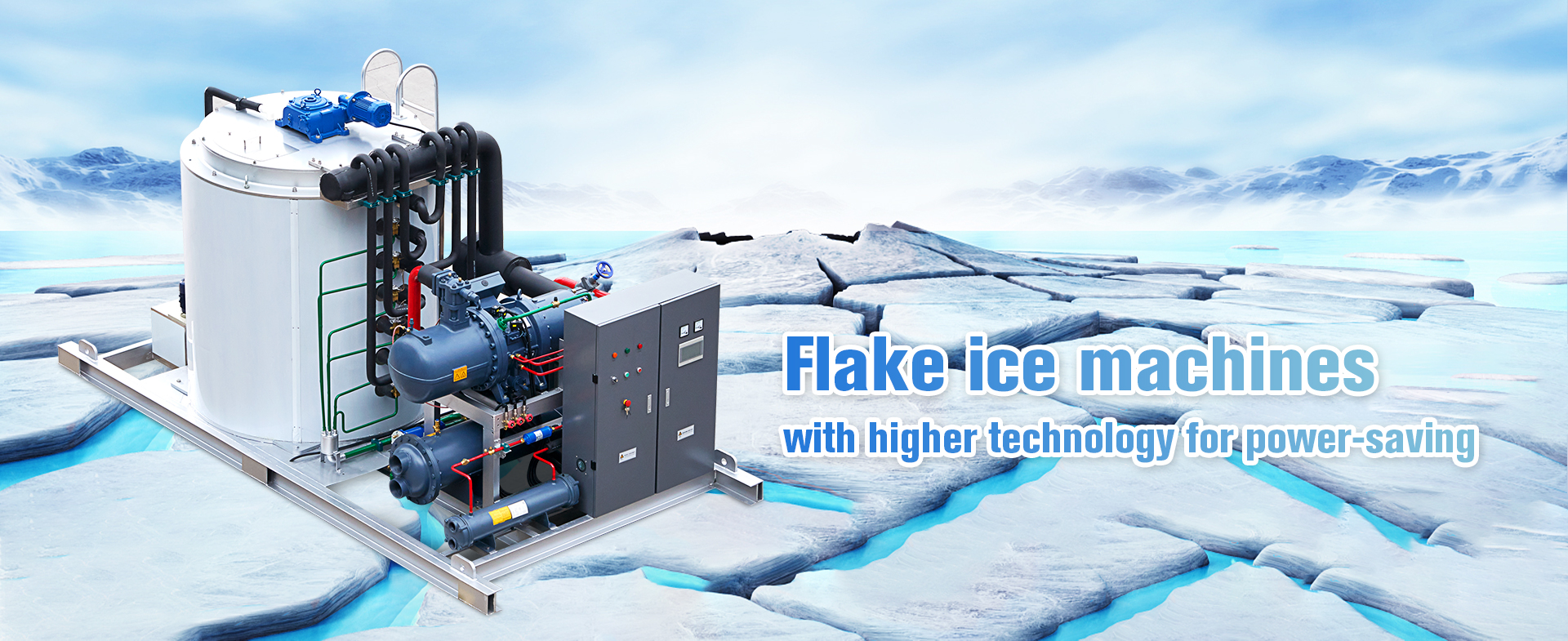
The flake ice evaporator drum is designed with a fixed vertical configuration, utilizing high-quality materials like SUS304 or carbon steel, which contribute to its high heat transfer efficiency—a critical factor for quick and effective ice formation. Advanced manufacturing technologies, including automatic protection welding equipment and an annealing heat treatment process, reinforce the reliability of the ice machine, ensuring sustained performance under demanding conditions. According to recent industry reports, such evaporators reduce installation costs significantly while maximizing output, making them an ideal choice for flake ice making plants and ammonia system ice machines.
Moreover, the straightforward installation process, requiring only a connection to the refrigeration source, allows users to seamlessly integrate the evaporator into existing systems. Industry data suggests that operational uptime and reduction of maintenance schedules can yield significant cost savings, enabling businesses to focus on production without the worry of ice supply interruptions. With these advanced features and efficiencies, the flake ice maker stands out as a robust solution for industries relying heavily on high-capacity ice production.

FAQS
: It is a key component that helps water freeze to form flake ice.
It preserves food quality and is used in medical applications for maintaining product integrity.
Water flows over a cold surface in the evaporator, where it freezes and forms thin ice flakes.
Factors include heat transfer design and the thickness of the ice produced.
Poor maintenance can lead to operational failures and costly downtimes.
Keep it clean, monitor temperatures, and maintain proper refrigerant levels regularly.
The seafood, food preservation, beverage, and construction industries extensively use flake ice.
The ice maker could malfunction, affecting ice production quality.
Look for efficiency in production and energy usage to avoid operational costs.
Yes, it's used in concrete mixing to control temperatures during curing, ensuring quality.
Conclusion
The Flake Ice Maker Evaporator is a crucial component in the production of flake ice, commonly used in various industries due to its versatility and efficiency. This evaporator consists of different parts that work together to freeze water and form thin, flat ice flakes. The working principle revolves around the refrigeration cycle, where refrigerants play a vital role in absorbing heat from the water, leading to the evaporation process that ultimately produces ice.
Common applications of flake ice include food preservation, seafood display, and industrial cooling processes. Proper maintenance and troubleshooting are essential to ensure the efficient operation of the Flake Ice Maker Evaporator and prolong its lifespan. Additionally, comparing flake ice makers with other ice-making technologies reveals the distinct advantages of flake ice, such as its rapid cooling properties and ease of handling.
Related Posts
-

Top 5 Tips for Choosing the Best Freshwater Flake Ice Machine?
-

2026 How to Choose the Best Flake Ice Plant for Your Business Needs?
-

2026 Best Flake Ice Maker Evaporator Options Available?
-

Top 10 Benefits of Using a Flake Ice Plant for Businesses?
-

How to Choose the Best Flake Ice Maker for Your Needs?
-

How to Choose the Best Flake Ice Maker for Your Needs?
