

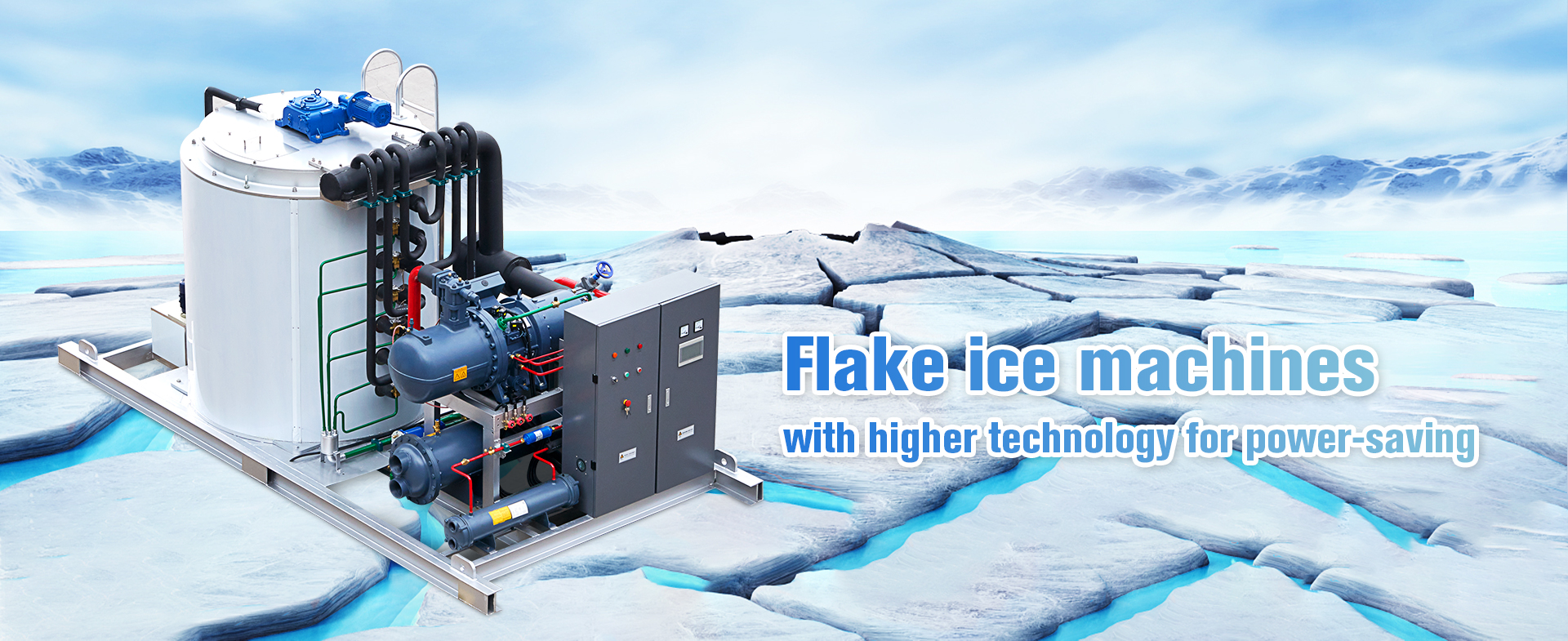

Picking the right flake ice maker for your needs isn’t something to just rush into. The demand for flake ice has really been picking up, especially in the food and drink world where it’s super important for keeping things fresh. I read a recent report from MarketResearchFuture that says the global market for these machines could hit around 1.2 billion bucks by 2026 — pretty wild, right? That just shows how essential they’ve become.
I talked to David Johnson, a refrigeration tech expert, and he stressed how crucial it is to choose the right machine. He mentioned, “The efficiency and how much ice a machine can produce really affect how well your business runs.” Honestly, that hits home — knowing what you need before buying is key.
So, when you’re looking at different flake ice makers, don’t forget to think about stuff like how much ice they can produce, how much energy they use, and how easy they are to maintain. A lot of people overlook these bits and then end up with trouble down the line. It’s really about making sure the machine matches what your operation needs — because if it doesn’t, it could slow everything down and create headaches.
Flake ice makers are essential in various industries, from food service to medical applications. They produce small, thin pieces of ice that are ideal for chilling products. Their versatility makes them a preferred choice in many settings. For example, restaurants use flaked ice to keep seafood fresh. The healthcare sector relies on it for cooling injuries and preserving medications. According to a 2022 industry report, the global flake ice maker market is projected to grow by 5.6% annually.
Different types of flake ice makers exist. Countertop models suit small businesses. Larger commercial units are better for high-demand environments. Each type has unique specifications, influencing efficiency and ice output. A study by the International Ice Association highlights that efficient models can produce 800 pounds of flake ice daily. However, factors like maintenance and energy consumption can complicate selection. Users often underestimate these elements, leading to suboptimal choices.
Understanding the specific applications of flake ice is crucial. In the food industry, proper ice usage can prolong freshness and quality. However, improper ice handling can lead to contamination risks. Training staff on safe practices is essential. Such details matter in operational efficiency. Effective use of flake ice can enhance customer satisfaction and reduce waste.
When selecting the best flake ice maker, consider the capacity. Think about how much ice you need daily. This can vary by establishment size or personal use. A machine with higher production rates will save time. It is important to assess your space for installation, too. Some flake ice makers are compact, while others require more room.
Efficiency is another crucial factor. Look for energy-efficient designs. They can reduce operational costs over time. Consider the water source as well. Some models need a direct water line, while others can operate with a reservoir. Think about both your water access and the convenience of refilling.
Maintenance is often overlooked. Regular cleaning is essential for optimal performance. A machine that is easy to disassemble will save you headaches. Additionally, check the warranty options. A reliable warranty reflects the manufacturer's confidence in their product. It can provide peace of mind in case of issues.
When selecting a flake ice maker, energy efficiency is crucial. Energy efficiency ratings help consumers understand how much power an ice maker consumes. Look for models with high energy-saving ratings. These ratings often indicate lower operational costs over time. Efficient ice makers maintain performance while using less electricity.
Understanding the specifics of energy ratings can be overwhelming. Terms like EER (Energy Efficiency Ratio) or ISEER (Indian Seasonal Energy Efficiency Ratio) may appear. However, focusing on the basic metrics can simplify the process. Many users overlook these details. A little research can prevent regret later.
It's also wise to consider the ice production capacity. A model may be energy efficient but might not meet your needs. Evaluate your daily ice consumption before making a choice. Balancing energy use with ice quantity is essential. This requires honest self-reflection on your habits and needs. Remember, the best choice aligns efficiency with utility.
When choosing a flake ice maker, understanding size and capacity is crucial. Ice production capabilities vary significantly across models. A report by the International Institute of Refrigeration indicates that most commercial ice makers produce between 50 to 800 pounds of ice daily. This range accommodates various needs, from small cafes to large restaurants. Selecting the right capacity can prevent waste and ensure you have enough ice on hand during peak hours.
Consider your specific requirements before purchasing. If you run a small smoothie shop, an ice maker producing 200 pounds may suffice. However, a medium-sized diner might need a device that can yield 400 pounds daily for efficient service. Oversizing your equipment, on the other hand, means higher energy costs with unnecessary production. As per industry insights, an ice maker operating below its capacity can lead to inefficiencies and higher overtime costs for maintenance.
Monitor your usage patterns regularly. Perhaps your ice consumption spikes during summer months or special events. Keeping track allows you to adjust your needs accordingly. It's essential to choose a model that not only meets your daily requirements but also fits your space constraints. Often, businesses overlook the physical space ice makers occupy, leading to operational challenges. A balance between size, capacity, and operational efficiency is key for any successful establishment.
Maintaining cleanliness and functionality in flake ice makers is crucial for prolonged use. Dirty ice makers can produce ice that is discolored or carries unpleasant odors. According to the International Association of Refrigerated Warehousing, ice makers require regular maintenance to ensure water quality and cleanliness. A study showed that 70% of ice-related health hazards stem from improper maintenance practices.
Cleaning your ice maker involves a few key steps. Start by turning off the machine and unplugging it. Use a mixture of warm water and vinegar to wipe down the interior surfaces. This solution effectively eliminates mold and bacteria. A professional report from the Food Safety and Inspection Service indicates that routine cleaning every six months can prevent microbial growth. Remember, small neglect can lead to significant issues later on.
Inspecting the water filter is equally important. A clogged filter negatively impacts water quality and ice clarity. Research highlights that ice makers with clean filters perform better and produce clearer ice. It’s easy to overlook these parts during maintenance, but they are essential for safety. Investing time in proper care can enhance both the quality of ice and the lifespan of the machine.
| Feature | Description | Importance | Maintenance Tips |
|---|---|---|---|
| Size | Evaluate the available space for the ice maker. | High | Measure the area and consider the volume of ice needed. |
| Production Capacity | The amount of ice produced in a day. | Very High | Check specifications; opt for models that fit your consumption. |
| Energy Efficiency | How much energy the machine uses. | High | Look for Energy Star ratings and customer reviews. |
| Ease of Cleaning | The design facilitates easy maintenance and cleaning. | High | Choose models with removable parts for easier access. |
| Durability | Material quality and build of the unit. | Medium | Read user reviews and warranties to assess reliability. |
When evaluating flake ice makers, cost is a fundamental aspect. A 2021 industry report revealed that the average price of commercial flake ice machines ranges from $3,000 to $10,000. While affordability is crucial, long-term efficiency and reliability must also factor into your decision-making process.
Investing in a high-quality ice maker can lead to cost savings over time. Energy-efficient models consume approximately 20% less power, based on data from the American Society of Mechanical Engineers. This efficiency not only reduces utility bills but also minimizes environmental impact. However, it is essential to consider potential repair costs for cheaper models. Frequently, budget machines may incur higher maintenance expenses, leading to a false sense of savings.
Additionally, assessing production capacity is vital. A model producing 300 pounds of ice per day might suffice for small businesses. For larger operations, consider machines that generate over 700 pounds daily. Choosing a model that aligns with your needs can affect workflow and customer satisfaction. While cost is significant, balancing your budget with performance is essential.
Flake ice makers have gained popularity across various industries, showcasing their versatility and efficiency. The food service sector relies heavily on flake ice for preserving seafood, enhancing beverage presentations, and maintaining optimal freshness in food displays. Restaurants and catering services value the ice’s ability to mold and cover products, making it visually appealing while ensuring temperature control.
In healthcare settings, flake ice plays a crucial role. It is often used for patient care, such as in cold compresses and physiotherapy. The consistent texture allows for controlled cooling, which can be critical in managing inflammation or as part of post-surgical recovery. However, some facilities may struggle with maintenance.
Regular cleaning and monitoring are essential to ensure reliability and hygiene.
Despite its advantages, flake ice makers can present challenges. Users should consider energy consumption and noise levels. The need for reliable service can vary between contexts. Some industries may not fully realize the importance of an efficient ice maker. Balancing these aspects is key to making an informed choice that meets specific needs while keeping operational costs in check.
The quest for efficient seafood preservation is paramount in the fishing industry, and the ICESNOW 20Ton/Day Seawater Flake Ice Machine stands out as a remarkable solution. This machine is designed to cater to both marine and land-based operations, offering flexibility depending on the user’s location. Its unique capability allows users to directly extract seawater for ice-making, ensuring that the ice produced is quick to form and is highly effective in preserving seafood quality.
The flake ice produced by this machine is ideal for maintaining the freshness of seafood during transportation and storage. Marine users can benefit from its efficient design by utilizing seawater directly, thus minimizing the need for freshwater resources. Moreover, the machine operates on a dynamic electricity supply of 380V/50Hz, which can be adapted to 60Hz if necessary, ensuring compatibility with various energy systems. This adaptability makes it a valuable asset in different operational environments, enhancing productivity while promoting sustainability in seafood preservation practices.
: Flake ice makers create small, thin pieces of ice. They are used in food service, healthcare, and more.
Regular cleaning is vital. Cleaning every six months can prevent mold and bacteria growth.
Poor maintenance can lead to discolored ice and unpleasant odors. It may also pose health risks.
Ensure the water filter is clean. A clogged filter can affect water quality and ice clarity.
Prices typically range from $3,000 to $10,000. Consider both cost and long-term efficiency.
Energy-efficient models save about 20% on power bills. They also reduce environmental impact, which matters.
Some models can produce over 800 pounds of ice daily. Assess your needs to choose wisely.
Improper handling can lead to contamination and compromise food safety. Staff training is necessary.
Maintenance, energy consumption, and specific ice needs can affect your decision. It's easy to overlook these.
Regular maintenance and careful cleaning improve functionality. Small neglect can lead to bigger issues later.
Flake ice makers are essential tools for various industries, offering versatility in applications ranging from food preservation to medical use. When selecting the best flake ice maker, it is crucial to understand the different types available and how they fit your specific needs. Key features such as energy efficiency ratings, size and capacity, maintenance requirements, and cost must be carefully evaluated to ensure optimal performance and value.
Additionally, acknowledging the popular industries that utilize flake ice makers can help inform your decision. By balancing budget considerations with the functionality needed, you can choose a flake ice maker that meets your operational demands while also maintaining energy efficiency and ease of maintenance. Proper care and regular cleaning are vital to ensure the longevity and hygiene of these ice-making machines, enhancing their overall effectiveness in your business.