
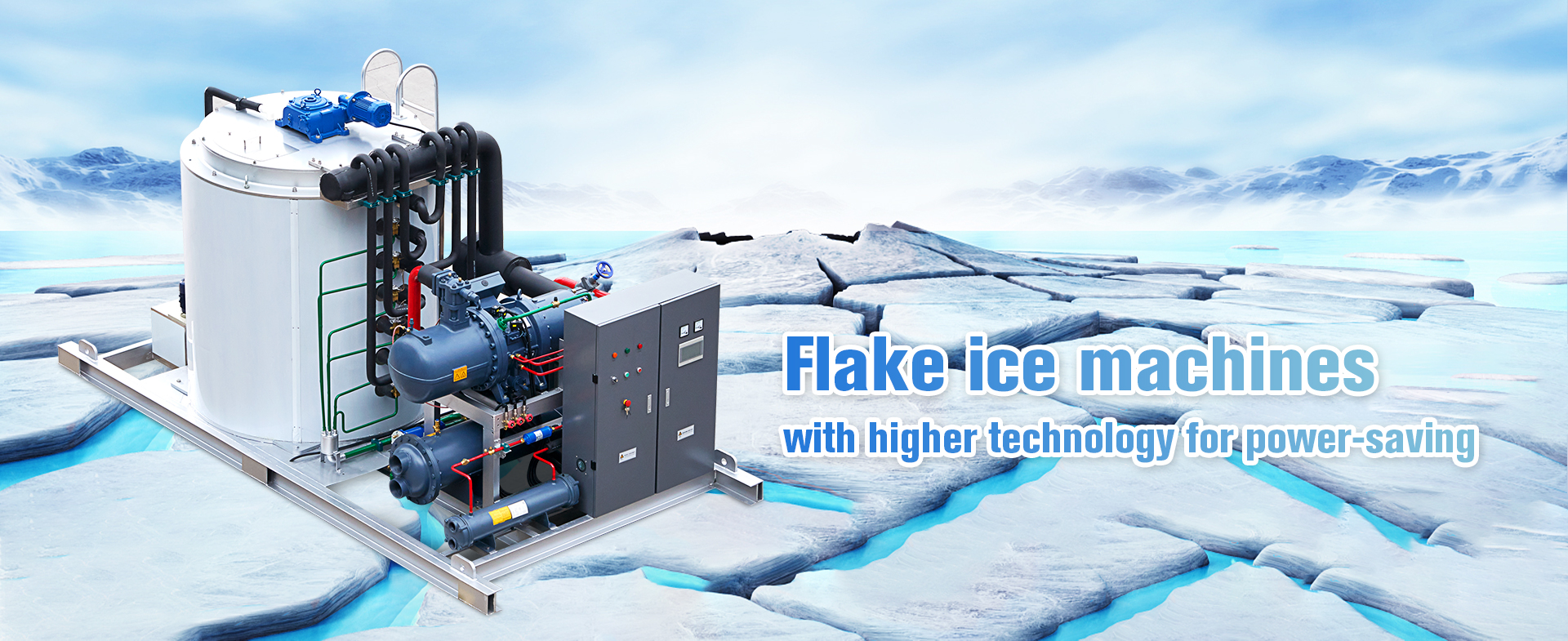
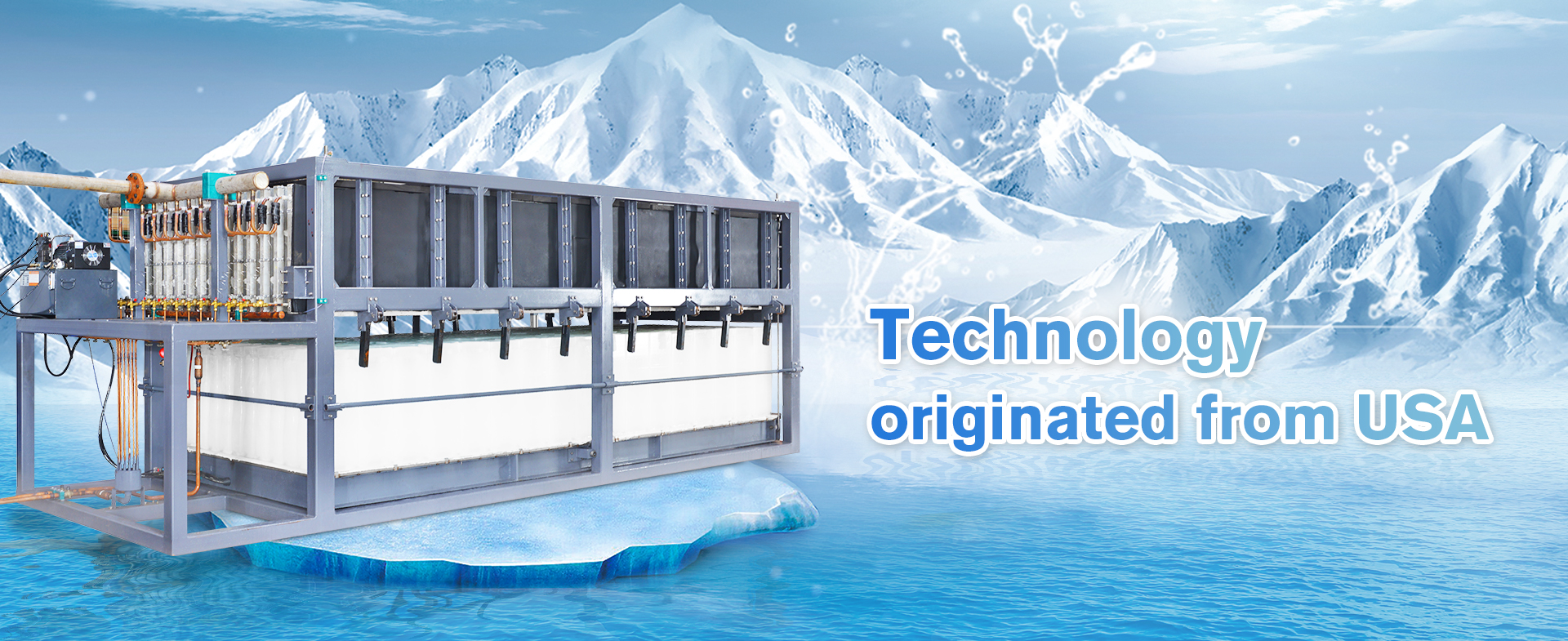

When it comes to ice production, a Flake Ice Making Machine really stands out thanks to its efficiency and versatility. These machines are pretty much must-haves in a bunch of industries—think seafood preservation, cooling drinks, or even medical uses. If you're shopping around, it’s super important to get a good handle on the key features and what to look for in terms of quality, so you pick the right one for your needs.
Big names like Scotsman, Hoshizaki, and Manitowoc offer a range of models, each with their own specs tailored to different kinds of businesses. But here’s the thing—not all machines are created equal, especially when you’re putting them under pressure. So, it’s worth taking your time and weighing your options carefully.
Don’t forget to consider how much energy each machine uses and how much ice it can produce—that stuff really matters. Sure, a Flake Ice Maker might seem tempting just because of its price tag, but long-term reliability and how well it performs over time are just as important. Doing a bit of research and reading reviews can really make a difference. In the end, choosing the right machine can seriously boost your operation’s efficiency and improve the quality of your products.
When selecting a flake ice making machine, several key features deserve careful consideration. The production capacity is crucial. Determine how much ice you need daily. A machine with a higher output is necessary for busy restaurants or supermarkets. The size of the machine also matters. Ensure it fits your available space. Compact models are great for smaller settings.
Energy efficiency should be a priority. Machines that consume less energy can save costs over time. Look for energy ratings to guide your choice. Additionally, consider the water source. Some machines require direct plumbing, while others can operate with a water tank.
Maintenance is often overlooked but vital. Regular cleaning and servicing keep machines running smoothly. Lastly, pay attention to build quality. Reliable materials can affect the machine's longevity. Reviews and feedback can shed light on real-world performance. Users often share insight into any inconvenience or recurring issues.
Finding a balance between features and budget is essential. Each machine presents its pros and cons. It's wise to weigh these aspects intuitively.
Flake ice makers play a crucial role in various industries. They deliver ice with a unique texture that is ideal for food preservation, seafood storage, and beverage cooling. Many manufacturers focus on different designs and technologies to meet market demands. Understanding these types helps buyers make informed decisions.
Ice flakers mainly fall into two categories: air-cooled and water-cooled machines. Air-cooled systems are popular for their energy efficiency. They typically consume up to 15% less power than water-cooled units. This can lead to substantial savings over time, especially in high-volume settings. However, water-cooled models often produce denser ice, which some industries prefer. Finding the right balance between efficiency and output is essential.
Recent industry reports indicate that the demand for flake ice is expected to grow by 5.5% annually. This increase is driven by sectors like food service and medical applications. Buyers must consider local climate factors, maintenance costs, and specific use cases when choosing equipment. Attention to detail can streamline operations but requires thorough research and analysis.
When considering flake ice making machines, it's essential to recognize the global landscape of manufacturers. Many companies specialize in the production of these machines, catering to various industry needs. These manufacturers often report impressive production capacities and innovative techniques. Their experience in the field enhances reliability and performance.
The statistics showcase diverse production scales. Some manufacturers can produce thousands of tons of flake ice annually. This capacity supports industries like food preservation and aquarium maintenance. However, some brands may lack consistent quality checks. Reliability might vary based on machine models. Buyers should research and compare different options carefully.
In recent years, several manufacturers have embraced eco-friendly practices. Energy-efficient machines are becoming a priority. This shift benefits both the environment and operational costs. Still, it raises concerns. Some manufacturers may compromise quality for sustainability. Assessing these trade-offs is crucial for informed purchasing decisions. Always seek machines that strike a balance between performance and environmental responsibility.
The efficiency of flake ice makers is vital for businesses that rely on consistent ice production. Understanding energy consumption is crucial for operational cost management.
According to a recent industry report, the average energy consumption for flake ice machines ranges from 2.0 to 4.0 kWh per ton of ice produced. This variation depends on factors such as machine capacity and ambient temperature.
A well-chosen flake ice maker can lead to significant savings over time. For instance, machines employing newer technology are often more efficient, consuming less energy while producing higher output. However, older models may struggle to meet efficiency standards. Data from industry surveys shows that outdated equipment can consume up to 30% more electricity. This inefficiency impacts not only operational costs but also the overall carbon footprint of a business.
While advancements in technology have improved energy efficiency, the sector still faces challenges. Some companies might overlook maintenance, leading to reduced performance and increased consumption. Regular check-ups and prompt repairs can enhance reliability. Balancing cost and efficiency remains a complex equation for many buyers in the flake ice market. Making informed decisions, backed by professional insights, is essential for long-term sustainability.
When considering flake ice making machines, cost is a significant factor for global buyers. A recent industry report highlights that quality machines can range from $3,000 to $15,000. Factors influencing costs include production capacity, durability, and efficiency. For instance, machines producing 1,000 lbs of ice daily generally cost around $5,000. Higher capacities might lead to larger initial investments, yet they often yield cost savings in the long run.
Here are some tips for budgeting wisely. Assess your ice production needs carefully. Analyze the total cost of ownership, including maintenance and energy consumption. A machine with higher energy efficiency can reduce operating costs. Additionally, consider the expected lifespan of the equipment. A lower initial price may not represent the best long-term investment.
Many buyers overlook the importance of supplier reputation. Reliable suppliers often provide valuable support and warranties. Research customer reviews and industry feedback for insights into machine performance. Remember, investing in a quality flake ice machine can enhance operational efficiency. The initial expenditure can be justified when it brings consistent quality and reliability.
The flake ice making industry is witnessing significant growth, fueled by rising demand in diverse sectors. According to a recent market report, the global flake ice machine market was valued at approximately $120 million in 2022 and is projected to grow at a CAGR of 5% over the next five years. This growth is driven by the increasing need for flake ice in the food preservation and seafood industries.
Moreover, the healthcare and hospitality sectors are adopting flake ice due to its unique texture. Flake ice cools quickly and covers surfaces evenly, making it ideal for various cooling applications. Data indicates that the food and beverage segment holds the largest market share. However, manufacturers must consider environmental regulations affecting equipment production and energy consumption.
Tip: When choosing a flake ice making machine, prioritize energy efficiency. Machines with higher efficiency ratings not only reduce operational costs but also support sustainability goals.
Market dynamics could shift based on technological advancements. Emerging innovations, like smart monitoring systems, promise enhanced efficiency and reliability. Yet, many companies struggle with adopting new technologies due to the high initial investments. This situation warrants ongoing evaluation of industry practices to ensure competitiveness and efficiency.
When it comes to flake ice making machines, customer feedback is crucial. Many users emphasize reliability and performance as their top concerns. A recent industry report indicates that over 70% of users experience issues with machine durability within the first two years. This statistic highlights the importance of choosing quality equipment that can withstand the rigors of daily use.
Performance is another critical area of focus in customer evaluations. According to a survey, 65% of respondents noted significant differences in ice quality based on the machine's design and technology. For instance, machines that utilize advanced refrigeration techniques deliver ice with a consistent texture, improving beverages and food preservation. However, some machines still struggle with achieving optimal output, leading to dissatisfaction among users.
Additionally, maintenance challenges often arise, affecting overall user experience. Some clients reported difficulties in sourcing replacement parts, impacting their operations. Despite a higher initial investment in premium machines, users often find long-term benefits. They cite enhanced performance and lower maintenance costs. This highlights the need for thorough research and consideration before making a purchase decision.
The production of flake ice has seen significant advancements in recent years, with innovative designs that cater to both marine and land applications. One prominent trend is the use of seawater as the primary resource for ice-making. This approach not only enhances efficiency but also supports sustainability initiatives by utilizing natural resources, thereby reducing reliance on freshwater supplies.
Modern seawater flake ice machines are designed to operate with direct extraction of seawater for both ice production and as coolant in the condenser system. This dual approach minimizes energy consumption and maximizes productivity, reflecting an environmentally friendly manufacturing process. These machines typically require a dynamic electricity supply of 380V/50HZ, with the flexibility to adapt to different voltage requirements based on local infrastructure needs. This adaptability makes them suitable for various operational environments, ensuring broad usability across different sectors.
The ability to efficiently produce flake ice from seawater not only addresses the growing demand in industries such as aquaculture, food processing, and other cooling applications but also aligns with global sustainability goals. As technology continues to evolve, the integration of these sustainable practices in flake ice production will likely play a pivotal role in shaping the future of refrigeration and ice generation.
: Energy consumption ranges from 2.0 to 4.0 kWh per ton of ice produced.
Older models can consume up to 30% more electricity than newer machines.
Overlooking maintenance can lead to reduced performance and increased energy use.
The food preservation and seafood industries are significant drivers of growth.
It cools quickly and provides even coverage on surfaces.
It holds the largest share in the flake ice machine market.
Energy efficiency is essential for reducing operational costs.
Smart monitoring systems are being introduced to enhance efficiency and reliability.
High initial investments often hinder the adoption of innovative technologies.
Making informed decisions backed by professional insights is crucial for sustainability.
The article "Top 10 Flake Ice Making Machines for Global Buyers" provides a comprehensive guide for those looking to invest in flake ice making machines. It emphasizes the importance of evaluating key features such as production capacity, energy efficiency, and durability when selecting a machine. Additionally, it discusses the various types of flake ice makers available in the market, giving readers a clearer understanding of their options.
Furthermore, the article explores the efficiency ratings related to energy consumption and provides a detailed cost analysis to help buyers budget effectively for high-quality machines. It also highlights current market trends and growth projections for the flake ice making industry, along with valuable customer feedback that sheds light on the reliability and performance of different machines. Overall, this resource serves as an essential tool for global buyers looking to make informed decisions in selecting flake ice making machines.