
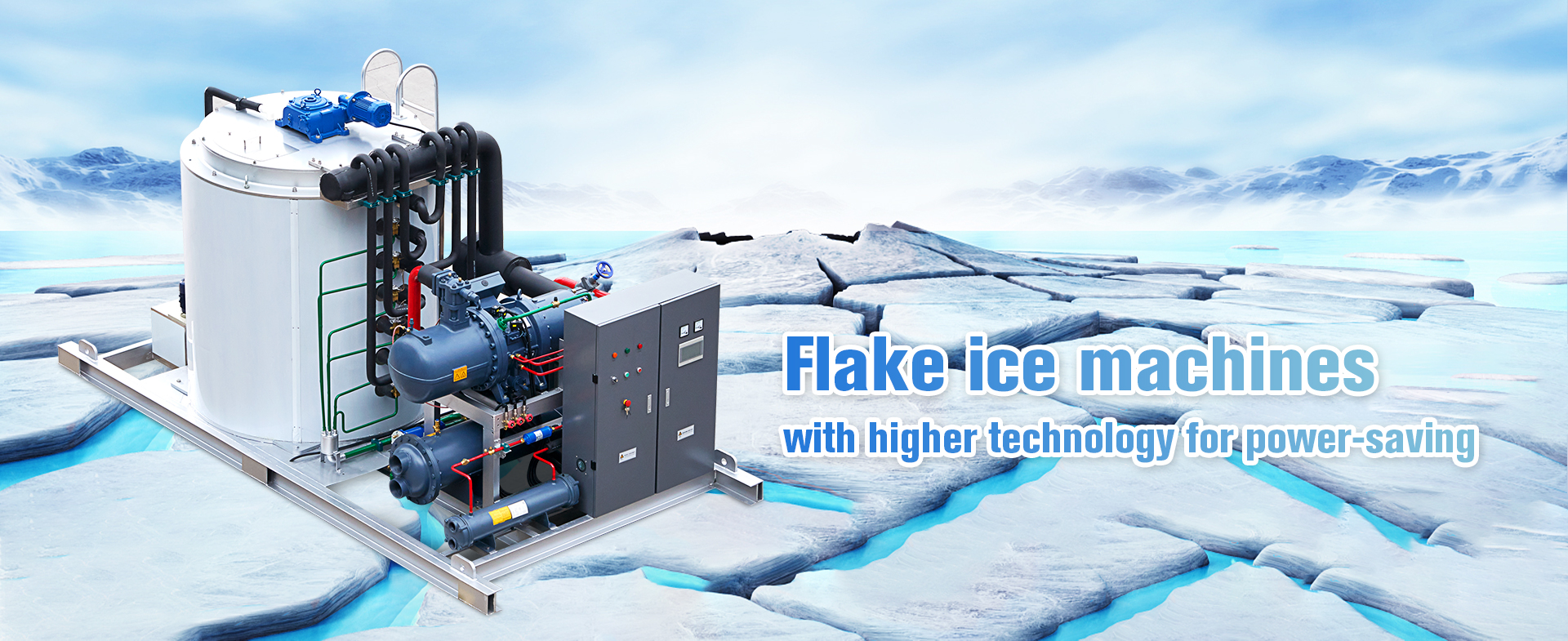
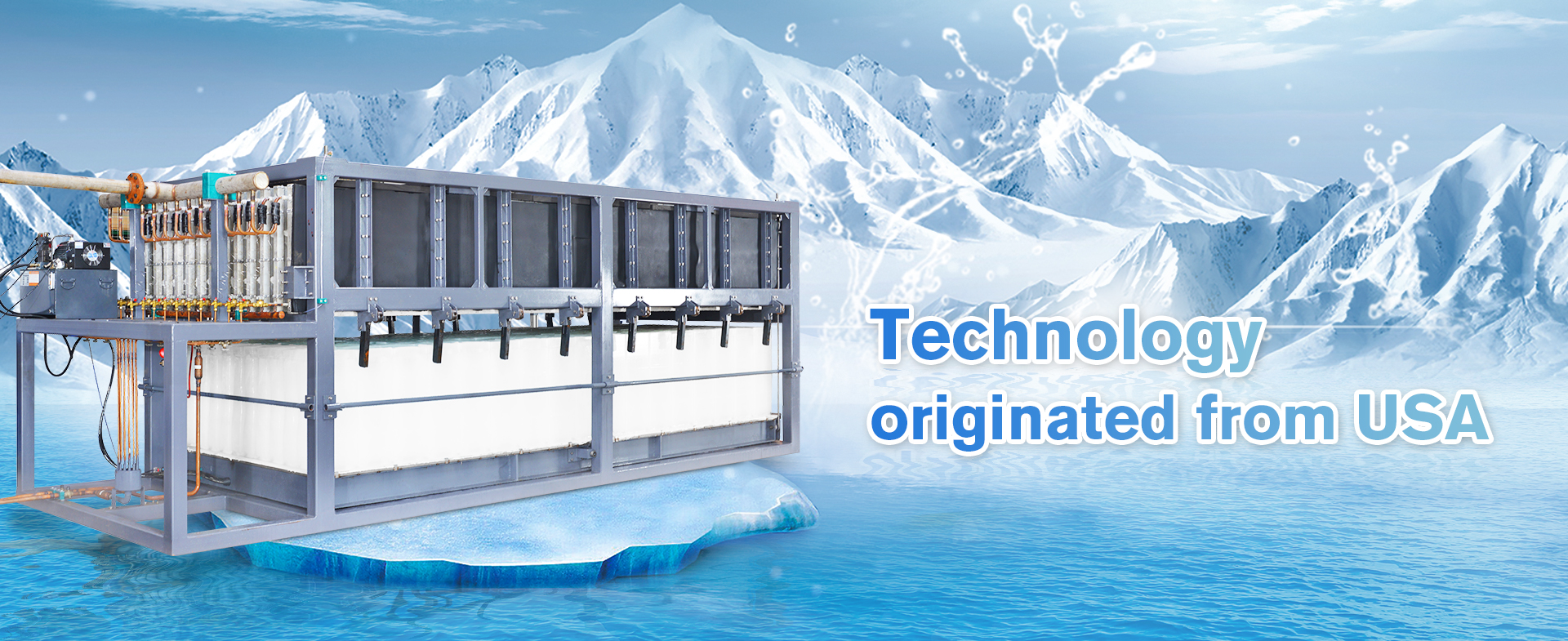

Choosing the right Seawater Flake Ice Machine in today’s competitive marine refrigeration world can feel pretty overwhelming, right? Experts often say that finding the best fit isn’t just about picking any machine — it’s about thinking through some key factors. Dr. John Smith from Oceanic Refrigeration Solutions, for example, often notes that the right equipment can really boost your operation’s efficiency and make sure your ice quality stays top-notch.
More and more industries are turning to seawater ice solutions, which means understanding what specs really matter is more important than ever. Things like how much ice it can produce, how much energy it uses, and how easy it is to keep up with maintenance — all these little details add up. Getting a handle on these can make a big difference if you want your ice supply chain to run smoothly.
Too often, buyers overlook these details in the rush to just get things done. They forget about the importance of quality and reliability — it’s understandable, but not ideal. This guide hopes to clear that up a bit. We want to help you understand your options better, so you can make smarter choices. Taking the time to evaluate your needs thoughtfully will definitely pay off in the end, leading to better results and less headaches down the line.

Understanding Seawater Flake Ice Machines and Their Applications
Understanding seawater flake ice machines is essential for industries relying on temperature-sensitive materials. These machines leverage seawater, which is abundant and cost-effective. They create flake ice that provides superior cooling for seafood storage, industrial applications, and concrete cooling during construction.
Reports by industry analysts indicate that the global market for flake ice machines is expected to reach $1.5 billion by 2026. Demand is rising, particularly in the seafood sector, which accounts for 60% of the usage. Seafood preservation requires precise temperature control, making flake ice indispensable. However, concerns about brine contamination and ice purity can pose challenges. Some users have reported irregularities in ice quality when machines are improperly maintained.
Flake ice machines vary in efficiency and design, and understanding their specifications is vital. Factors like ice thickness, production capacity, and energy consumption are critical for choosing the right model. Regular maintenance ensures optimal performance. Neglecting this can lead to equipment malfunctions, increasing operational costs and impacting output. Addressing these considerations will enhance reliability in using seawater flake ice machines across different applications.
2026 Top Seawater Flake Ice Machine Buying Guide
| Feature | Description | Application | Capacity (kg/day) | Energy Consumption (kW) |
|---|---|---|---|---|
| Ice Production Rate | Amount of flake ice produced in a 24-hour period. | Fishing, Food Preservation | 5000 | 30 |
| Cooling Method | Method used to cool the water for ice production. | Aquaculture, Ice Rinks | 3000 | 25 |
| Water Source | Type of water used for ice-making (seawater or freshwater). | Sea Transport, Seafood Processing | 4000 | 27 |
| Control System | Technology used to monitor and manage operations. | Food Processing, Ice Dispensers | 6000 | 32 |
| Refrigerant Type | Type of refrigerant used in the freezing process. | Industrial Cooling, Refrigeration | 3500 | 28 |


Efficient Seawater Flake Ice Machine: The ICESNOW 20Ton/Day Solution for Frozen Seafood Preservation
The efficient preservation of seafood is paramount to maintaining its quality and minimizing wastage. The ICESNOW 20 Ton/Day seawater flake ice machine serves as a pioneering solution to this critical demand in the seafood processing industry. Designed for both marine and land use, this innovative machine utilizes seawater for ice production, ensuring a steady supply of flake ice, an essential element for preserving freshness in seafood.
This seawater flake ice machine operates by directly extracting seawater for ice-making and condenser water, effectively maximizing efficiency and reducing operational costs. According to industry reports, flake ice is superior to other types of ice when it comes to cooling capacity and ease of application, making it particularly favored in the seafood sector. The production mechanism requires a dynamic electricity supply, typically operating at 380V/50Hz, with the flexibility to adapt to 60Hz as needed, catering to different regional infrastructures.
Additionally, with the global seafood market projected to reach a value of over $200 billion by 2025, the role of innovative preservation methods is more crucial than ever. Companies investing in advanced ice-making solutions like the ICESNOW machine can not only enhance their operational efficiency but also significantly improve the safety and quality of their seafood products, thus meeting the increasing consumer demand for freshness and sustainability.

FAQS
: It uses seawater to produce flake ice for cooling.
Flake ice provides precise temperature control, essential for preserving seafood freshness.
Brine contamination and ice quality issues can occur with improper maintenance.
Energy-efficient models reduce costs and environmental impact over time.
Ice thickness, production capacity, energy consumption, and insulation quality are key.
Neglected machines can malfunction, increasing energy costs and reducing efficiency.
Yes, poor insulation can lead to energy loss and decreased ice quality.
Regular maintenance and addressing potential issues are crucial for reliability.
Not necessarily; it should meet your needs without unnecessary energy waste.
Unexpected maintenance costs and operational inefficiencies can arise from neglect.
Conclusion
The "2026 Top Seawater Flake Ice Machine Buying Guide" provides a comprehensive overview to help prospective buyers make informed decisions when selecting a seawater flake ice machine. It begins by discussing the unique functions and applications of these machines, essential for industries like seafood processing and ice production. Key features to consider include capacity, ice-making efficiency, and ease of maintenance.
Additionally, the guide offers cost analysis for budgeting purposes, aligning features with financial considerations. It emphasizes the importance of energy efficiency, allowing users to choose machines that help reduce their environmental impact. Maintenance tips are included to ensure longevity, while customer reviews provide real-world insights into performance and reliability, guiding users towards the best seawater flake ice machine to meet their needs.
Related Posts
-

Why Choosing a Freshwater Flake Ice Machine is Essential for Your Business
-

How to Choose the Best Flake Ice Maker Drum for Your Needs?
-

Seawater Flake Ice Machine Tips for the 139th Canton Fair?
-

Top 2025 Freshwater Flake Ice Machines: Features, Benefits, and Buying Guide
-

Why Choose a Commercial Crushed Ice Machine for Your Business?
-

Top Ice Flake Evaporator Features Benefits and Applications?
