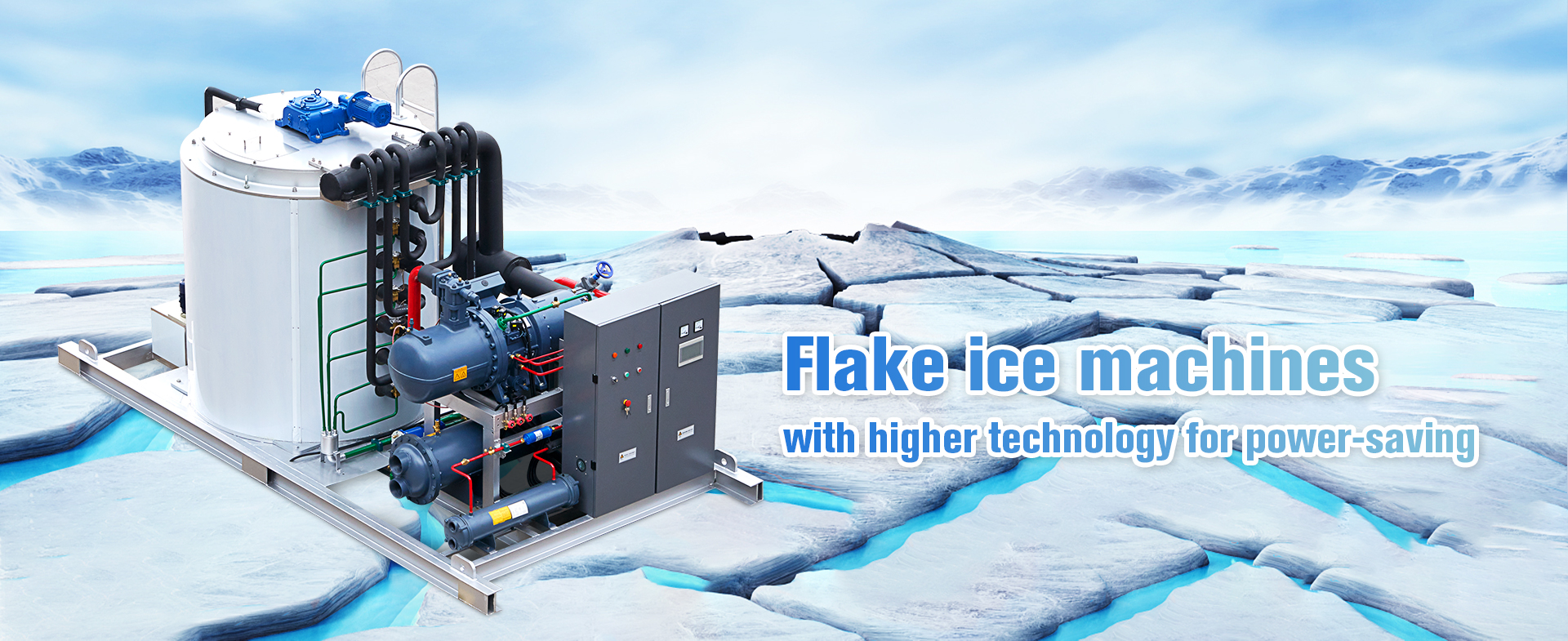
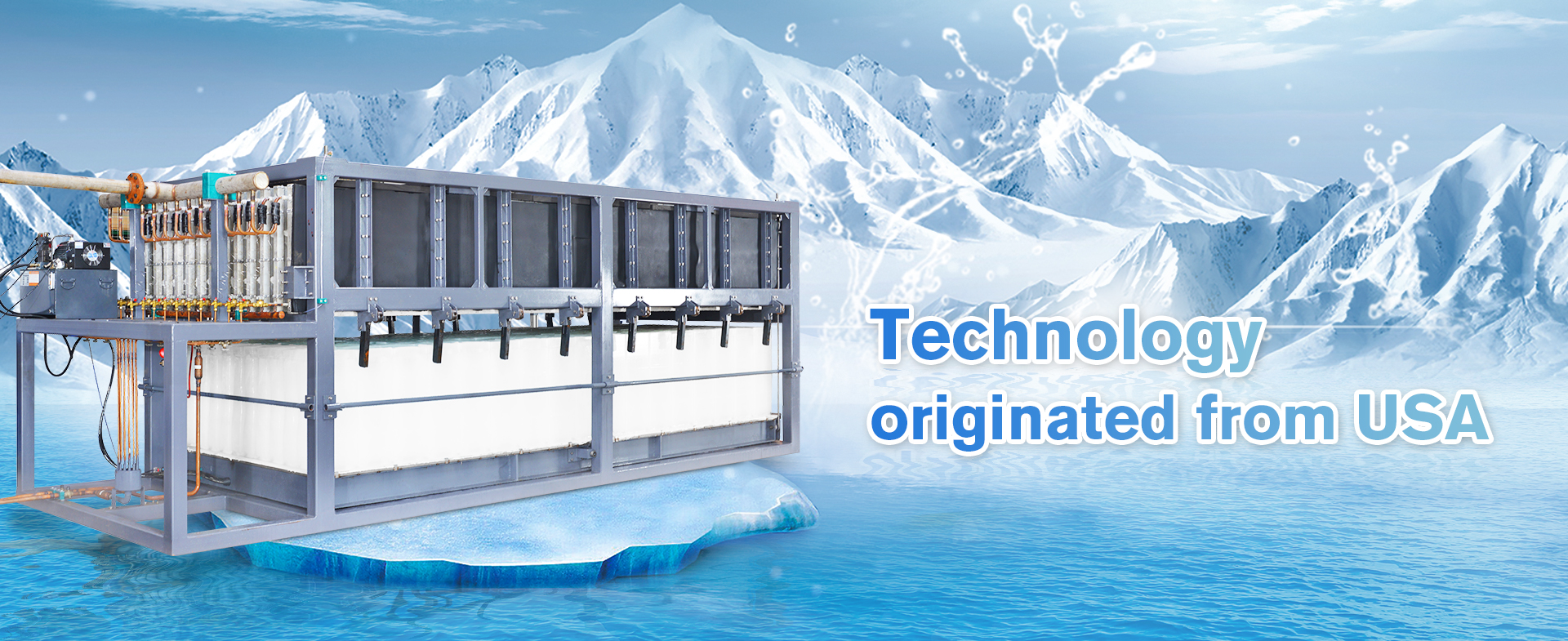
Picking out a Flake Ice Machine with a bin isn’t just about how much ice it can produce. It’s more like a decision about the entire cold chain—stuff like keeping seafood fresh, how much labor you’ll need, hygiene standards, and your operating costs. According to Grand View Research’s analysis of commercial refrigeration markets, foodservice and retail sectors are the biggest drivers behind demand. But just because a machine has a high capacity doesn’t mean it’s the right fit for your place. In a hectic prep room, messy wet flakes, a fully loaded bin, and a narrow door can cause all sorts of practical headaches. Sometimes, it’s little details that really make a difference.
The U.S. Energy Information Administration’s survey shows that refrigeration actually accounts for a decent chunk of a building’s energy use. So, before you buy, it’s smart to consider how much energy the machine will use, how much heat it’ll reject, and what maintenance might be involved. ENERGY STAR’s guidelines also suggest comparing certified efficiency rather than just going for the cheapest or most obvious option. For seafood businesses especially, the Food and Agriculture Organization stresses the importance of keeping the temperature steady throughout the cold chain. Flake ice is great for quick surface cooling, but it’s not a magic fix if your storage practices aren’t up to scratch — a mistake that’s easy to overlook.
This guide covers key aspects like how much ice it can produce daily, the size of the bin, the footprint on your space, water quality and cleaning access, noise levels, refrigerant type, and support from the manufacturer. For example, a 500 kg per day capacity might seem enough, but what if you really need more during hot summer afternoons? And a huge bin could end up wasting space if your turnover isn’t high. Always ask how they tested that capacity, check the environmental conditions they used, and make sure the sanitation features and local support are up to snuff. Don’t just take the manufacturer’s word for it—look at detailed specs, warranty info, and what other users are saying after installation. There’s no perfect model that fits everyone’s needs, which can be a pretty uncomfortable realization. The key is finding a machine that genuinely matches your actual demand, not just the impressive numbers in a brochure.

Define Your Flake Ice Production and Storage Requirements
Choosing a flake ice machine with a bin begins with your actual production and storage needs. Estimate daily ice use during normal and peak business hours. A seafood counter may need heavier output on weekends. A small food display can require far less. Do not size the machine from average demand alone.
Measure the ice needed for preparation, display, transport, and unexpected orders. Then check how quickly the flakes disappear. A 500-kilogram daily requirement does not always mean a 500-kilogram machine is suitable. If demand rises sharply at noon, slow production can create empty trays. A useful calculation includes a safety margin of 10 to 20 percent. This margin may still be insufficient during holidays.
The bin must match your operating rhythm. If staff refill containers every morning, overnight storage may be enough. If several departments collect ice throughout the day, choose greater capacity. Leave space around the machine for cleaning, airflow, and service access. Wet floors and compact storage areas can cause avoidable problems. Keep the bin protected from dust, direct sunlight, and handling contamination. Insulated storage helps reduce melting, but it cannot stop it completely. A tidy specification sheet can still miss real working conditions. Observe one busy shift before making the final decision. Record production, pickup times, melt loss, and unused ice. These details provide stronger evidence than a rough guess.
How to Choose a Flake Ice Machine With Bin?
Define your daily flake ice production and storage requirements before selecting a machine.
The chart compares common commercial planning ranges for daily flake ice production and bin storage. Choose a production capacity that covers your busiest operating period, then select a bin large enough to hold ice between delivery, processing, or peak-use cycles. Actual output and storage capacity vary by ambient temperature, water temperature, operating schedule, and machine configuration.
Compare Machine Types, Capacities, and Ice Output
Choosing a flake ice machine with bin starts with matching ice output to daily demand. A seafood counter may need 500 pounds per day, while a small café may need only 150. Do not size the machine by peak output alone. Check its production rating at your actual room and water temperatures. Warm conditions can reduce output noticeably.
Air-cooled models are often easier to install and maintain. However, they release heat into the room and may become noisy in a compact kitchen. Water-cooled units usually run more quietly, but they consume more water and need suitable drainage. For the bin, compare usable storage rather than the advertised gross volume. A 300-pound bin may hold less during busy service because ice settles unevenly. It happens.
Look at ice texture, recovery time, and cleaning access. Fine, soft flakes suit fish displays and chilled food because they pack around products gently. Larger flakes may last longer in some beverage or transport applications. Production capacity also depends on operating hours. A machine producing 400 pounds in 24 hours may not refill a busy 300-pound bin quickly after lunch. Ask for recovery data, not just the headline number. I would also inspect the evaporator, drain design, and sensor controls before purchase. A lower-priced unit can become expensive if cleaning takes too long or parts are difficult to verify. Leave extra capacity for hot days, but avoid excessive oversizing; underused equipment may waste space and energy.
How to Choose a Flake Ice Machine With Bin? - Compare Machine Types, Capacities, and Ice Output
Comparison of Typical Commercial and Industrial Flake Ice Machine Configurations
| Machine Type |
Typical Ice Output
(kg/24 h) |
Typical Bin Capacity
(kg) |
Recommended Application |
Cooling Configuration |
Approximate Ice Output per Hour
(kg/h) |
Main Advantages |
Key Selection Considerations |
| Compact Self-Contained Unit |
50–300 |
20–120 |
Small seafood displays, restaurants, bars, laboratories, and food preparation areas |
Usually air-cooled; condenser and storage bin are integrated |
2–13 |
Small footprint, simple installation, and no separate ice storage enclosure required |
Limited production and storage capacity; requires adequate ventilation and ambient-temperature control |
| Medium Modular Machine With Separate Bin |
300–1,000 |
100–400 |
Supermarkets, fish markets, catering operations, food processors, and medium-sized restaurants |
Air-cooled or water-cooled; ice-making head is mounted on a compatible bin |
13–42 |
Flexible bin sizing, easier capacity expansion, and good balance between output and installation cost |
Confirm machine-to-bin compatibility, floor loading, drain requirements, and available service clearance |
| High-Capacity Modular System |
1,000–3,000 |
300–1,500 |
Large seafood distributors, fish processing rooms, produce cooling, and continuous food production |
Water-cooled or remote air-cooled condenser; separate machine and bin sections |
42–125 |
Higher continuous output, larger storage reserve, and better suitability for demanding production schedules |
Needs professional installation, reliable water drainage, electrical capacity, and planned maintenance access |
| Industrial Flake Ice System |
3,000–20,000+ |
1,000–10,000+ |
Large seafood plants, concrete cooling, chemical processing, distribution centers, and industrial preservation |
Typically water-cooled or remote-condensing; may use multiple ice-making units and an insulated storage bin |
125–830+ |
Very high production capacity, redundant system design options, and integration with conveyors or automated dispensing |
Requires engineering review for refrigeration, water treatment, structural loading, controls, ventilation, and ice handling |
Important Buying Factors
| Decision Factor |
What to Check |
Practical Recommendation |
| Required Daily Output |
Expected daily ice demand, peak demand, operating hours, and delivery schedule |
Select rated output at least 15–25% above normal daily demand to cover peak usage, warm conditions, and production interruptions. |
| Bin Storage Capacity |
How much ice must be available before the next production cycle or delivery |
Choose a bin that can hold the required reserve without allowing ice to remain stored longer than necessary. |
| Ice Texture and Thickness |
Flake ice is generally thin, irregular, and easy to distribute around products |
Use flake ice when fast coverage, close contact, and gentle cooling are more important than long-term storage life. |
| Air-Cooled vs. Water-Cooled |
Room temperature, water availability, ventilation, local utility costs, and heat rejection |
Air-cooled units are simpler where ventilation is adequate; water-cooled systems may be preferable in hot or space-constrained installations. |
| Installation Requirements |
Electrical supply, potable water quality, floor drain, clearance, access routes, and floor loading |
Verify voltage, phase, water pressure, drain size, equipment dimensions, and bin access before ordering. |
| Hygiene and Maintenance |
Food-contact materials, cleanable surfaces, water filtration, sanitation access, and ice-contact components |
Prioritize corrosion-resistant construction, accessible cleaning points, and a documented cleaning and descaling schedule. |
| Operating Environment |
Ambient air temperature, inlet water temperature, humidity, dust, and available ventilation |
Compare machines using the same rating conditions and allow for reduced output when air or water temperatures exceed rated conditions. |
The capacity figures above are typical planning ranges for generic equipment, not guaranteed specifications. Actual ice output and energy use vary with ambient air temperature, inlet water temperature, condenser type, water quality, operating schedule, and installation conditions. Always confirm the manufacturer’s rated output, bin compatibility, electrical data, and test conditions before purchase.
Choose the Right Bin Size for Daily Ice Demand
How to Choose a Flake Ice Machine With Bin?
Choose the Right Bin Size for Daily Ice Demand
Bin size should match your real daily ice demand, not the machine’s maximum output. Measure average usage across several normal operating days. Then check your busiest period, such as a busy market morning or a restaurant dinner service. Flake ice is light and bulky, so a small bin may appear full before it holds enough usable ice. It also melts gradually during handling.
A practical starting point is a bin holding 1.2 to 1.5 times your average daily demand. This buffer supports delivery delays, sudden orders, and overnight storage. For example, if staff use 300 kilograms daily, a 360-to-450-kilogram bin may provide useful flexibility. Leave space for airflow and safe scooping. An overfilled bin can slow access and increase spillage.
Think about your supply schedule, floor space, and staff routine. If ice arrives twice daily, you may need less storage capacity. If deliveries are infrequent, choose more reserve volume. Measure doorways and the distance from the machine to the work area. These details are easy to overlook. A large bin is not always better. It may increase cleaning time and occupy valuable space.
Keep a simple usage record for two weeks. Note production, remaining ice, peak demand, and melt loss. The first estimate may be wrong. That is normal. Recheck the bin size after seasonal demand changes. A modest reserve is often safer than paying for unused capacity.
Check Installation Space, Utilities, and Ventilation Needs
How to Choose a Flake Ice Machine With Bin?
Choosing a flake ice machine with a bin starts with the room, not the advertised output. Measure the machine, bin, and access route. Include doorways, corners, and elevator space. Leave enough clearance for cleaning and service work. A full bin can shift the unit’s weight noticeably. Keep the floor level and strong. Space is often underestimated.
Confirm the electrical supply before ordering. Check voltage, amperage, outlet type, and local installation requirements. The water line needs steady pressure and a suitable shutoff valve. The drain must flow downward or use an approved pump. Never assume an existing outlet is adequate. A qualified electrician and plumber should verify these connections. Small errors become expensive delays.
Ventilation also affects ice production and equipment life. Flake ice machines release heat into the surrounding room. In a warm, narrow space, production may fall and cleaning intervals may shorten. Provide clear airflow around intake and discharge areas. Avoid placing the unit beside ovens, boilers, or direct sunlight. Check the specified ambient temperature range carefully. I have seen installations fail because ventilation was treated as an afterthought. That lesson deserves attention. A quieter room may still need more airflow.
Evaluate Energy Use, Water Efficiency, and Operating Costs
Choosing a flake ice machine with a bin requires more than checking production capacity.
Energy use often changes with water temperature, room heat, and daily workload. Request test data for kilowatt-hours per 100 kilograms of ice. Compare figures under similar conditions.
Water efficiency deserves equal attention.
A practical machine should limit waste during freezing, harvesting, and cleaning. Check its water-to-ice ratio and review the drain design. A poorly adjusted water system may send usable water down the drain.
That cost is easy to miss.
Look closely at the bin.
Thick insulation helps prevent melt loss during slow sales periods. A reliable lid and smooth interior also reduce cleaning time. Measure the machine’s actual operating schedule, not only its maximum output.
A unit producing 1,000 kilograms daily may waste energy when demand reaches only 400 kilograms.
Smaller equipment can sometimes cost less to run.
Calculate the full operating cost each month.
Include electricity, water, filters, sanitation, labor, and service visits. Maintenance matters. A dirty condenser can raise power consumption while reducing ice production.
That is a common oversight.
Keep at least three months of utility records after installation. Early estimates can be wrong. Seasonal temperatures, fluctuating water pressure, and uneven staff practices may change the result.
A simple meter and water log often reveal more than a sales brochure.
Assess Cleaning, Maintenance, Safety, and Supplier Support
When choosing a flake ice machine with a bin, inspect cleaning access before comparing output rates. The FDA Food Code 2022 treats ice as food and requires potable water for production. Section 4-602.11 also requires food-contact surfaces to be cleaned at least every 24 hours when instructions set no shorter interval. Choose a bin with rounded corners, removable shields, accessible spray bars, and a fully drainable base. NSF/ANSI 12 is a useful reference for automatic ice-making equipment sanitation. Hidden channels can retain cloudy water and biofilm.
Safety deserves equal attention. CDC estimates link contaminated food to 48 million illnesses annually in the United States. Ice is not harmless because it looks clean. Check for a secure lid, protected scoop storage, overflow drainage, anti-slip access, and electrical protection near wet floors. A low bin may reduce lifting strain, but it can encourage repeated bending. That trade-off is easy to miss.
Maintenance planning should include water filters, condenser cleaning, descaling intervals, and documented service procedures. Ask suppliers for parts availability, technician response times, cleaning instructions, and training records. Real sites are messier. A promised response time means little without written coverage and local support. Request maintenance logs from comparable installations, not only polished performance claims. I would also test the drain during commissioning; a small blockage can quickly turn a clean ice area into a slippery workplace.
300kg/Day Flake Ice Machines: Market Insights from Grand View Research for Commercial Cooling Needs
A 300kg/24-hour flake ice machine is designed for commercial operations that require a steady, reliable supply of ice throughout the day. Flake ice has a large surface area and soft, flexible texture, making it suitable for seafood displays, food processing, fresh produce storage, catering, supermarkets, and other temperature-sensitive applications. Its rapid cooling performance helps maintain product freshness while reducing the risk of surface damage during handling and storage.
With a daily capacity of 300kg, this machine can support small- to medium-sized businesses with regular cooling demands without requiring an oversized installation. The 1P/220V/50HZ power supply is compatible with common commercial electrical systems in many regions, helping simplify setup and operation. When selecting equipment, users should consider available space, ventilation, water quality, ambient temperature, drainage, and expected working hours to ensure stable ice production.
The compact commercial format also allows businesses to integrate flake ice production into existing preparation areas, cold rooms, seafood counters, or distribution facilities. Consistent output, convenient operation, and appropriate routine cleaning can contribute to efficient daily workflows and dependable cooling performance.
FAQS
Measure average use across several normal days. A seafood counter may need 500 pounds daily, while a café may need 150. Leave extra capacity for hot days. Do not size only by peak output.
Choose a bin holding about 1.2 to 1.5 times average daily demand. If staff use 300 kilograms daily, consider a 360-to-450-kilogram bin. This buffer helps with sudden orders and delivery delays. More capacity is not always better.
Flake ice settles unevenly and may fill the bin quickly. A listed 300-pound bin may hold less usable ice during busy service. Leave room for airflow and safe scooping. Overfilling can increase spills.
Warm room or water conditions can noticeably reduce ice output. Check production ratings at your actual operating temperatures. A machine making 400 pounds in 24 hours may perform differently in summer. Headline figures can mislead.
Air-cooled units are usually easier to install and maintain. They release heat into the room and may become noisy. Water-cooled units often run more quietly. They use more water and require suitable drainage.
Fine, soft flakes pack gently around fish and other chilled products. Larger flakes may last longer for some drinks or transport tasks. Choose texture based on handling needs, not appearance alone. The wrong texture becomes inconvenient.
Ask for recovery data after peak service, not only daily production. A 300-pound bin may not refill quickly after lunch. Check operating hours, remaining ice, and refill speed. Recovery matters.
Inspect the evaporator, drain design, sensor controls, and cleaning access. Confirm that replacement parts are identifiable and reasonably accessible. A cheaper unit may cost more when cleaning takes too long. My first estimate may be wrong.
Record production, remaining ice, peak demand, and melt loss for two weeks. Include busy market mornings and restaurant dinner periods. Measure doorways and the distance to the work area. Recheck the estimate when seasons change.
Conclusion
Choosing the right Flake Ice Machine With Bin starts with understanding your required daily ice production, peak demand, and storage needs. Compare machine types, output rates, and capacities to find a system that can consistently support your operation without producing excessive waste. The bin should be large enough to hold the amount of ice needed between production cycles while fitting comfortably within your available space.
Before purchasing, check installation requirements, including floor area, water supply, drainage, electrical capacity, and ventilation. Consider energy consumption, water efficiency, and long-term operating costs, as these factors can significantly affect overall value. A practical machine should also be easy to clean, maintain, and operate safely, with accessible components and clear service procedures. Finally, evaluate the supplier’s technical support, spare-part availability, warranty coverage, and maintenance assistance to ensure reliable performance throughout the equipment’s working life.