
0%

Hey there! So, in the fast-changing world of food service and seafood industries, having really good quality ice is more important than ever. I came across a report from the Food and Beverage Journal that says the global market for flake ice making machines is expected to grow by over 5% each year. That growth makes sense — these machines are super vital for keeping perishable stuff fresh, especially in seafood markets and restaurants, where the quality of ice can make or break the freshness of the product.

When you're trying to pick out the best flake ice maker, there are a few things to keep in mind. Things like how efficient it is, how much ice it can produce at once, and how much energy it uses — those are all key points. I read a study from the International Refrigeration Association that mentioned high-quality machines could cut operational costs by as much as 20%. But, not all brands out there measure up — so it’s totally worth double-checking the specs and reputation of brands like Hoshizaki and Manitowoc.

Picking the right machine isn’t always straightforward, and honestly, it takes some time and research. A lot of options might look good at first glance, but digging a little deeper usually uncovers differences in how well they perform and how reliable they are. So, it’s really important to think about the long-term benefits instead of just jumping on the lowest price. Trust me, a bit of patience here pays off in the end!

2026 How to Choose the Best Flake Ice Making Machine?

Understanding Flake Ice: Benefits and Applications in Various Industries

Flake ice is essential in numerous industries due to its unique properties. It offers excellent cooling capabilities, making it perfect for preserving seafood, meat, and produce. According to industry reports, flake ice reduces temperature fluctuation, extending the shelf life of perishable goods by 20-30%. This is particularly vital for seafood markets where quality is paramount. Moreover, the soft texture of flake ice allows it to conform easily to different shapes, enhancing its efficacy in various applications.

In the healthcare sector, flake ice plays a critical role. It is used to cool body parts after injuries or surgeries. Medical professionals often rely on flake ice for its ability to maintain low temperatures without causing frostbite. Some reports indicate that hospitals using flake ice for recovery processes see a 25% reduction in recovery time.

**Tip:** Consider the required daily ice production for your business. This will guide you in selecting the right flake ice machine that meets your needs.

Remember that flake ice isn’t ideal for all applications. Its moisture content can lead to clumping, affecting its usability. Factors like storage and handling also influence its effectiveness. Understanding these nuances is crucial for making an informed decision about flake ice systems.

**Tip:** Regular maintenance of your flake ice machine is vital. This ensures optimal performance and prolongs the machine’s lifespan.

2026 How to Choose the Best Flake Ice Making Machine? - Understanding Flake Ice: Benefits and Applications in Various Industries

Dimension Value Benefit Application
Production Capacity 500 kg/24h High output for large operations Food processing
Power Consumption 3 kW Energy-efficient design Retail and grocery
Ice Thickness 3-5 mm Ideal for preservation Healthcare
Water Supply Requirement 15 liters/hour Consistent water flow for efficiency Catering
Cooling Method Air-cooled Reduced noise level Aquaculture

Key Factors to Consider When Choosing a Flake Ice Making Machine

Choosing the right flake ice making machine is essential for different applications. Key factors can greatly influence your decision. Focus on capacity first. Determine the volume of ice you need daily. Machines vary significantly in output, so align your needs with appropriate specifications.

Quality of ice is another crucial aspect. Flake ice is often preferred for its ability to conform to products. Ensure the machine produces ice with a consistent texture. A reliable machine will ensure that your ice is not too wet or clumpy, which can affect its effectiveness.

Tips: Don’t overlook the energy efficiency of the machine. A model that consumes less energy can save costs in the long run. Additionally, maintenance should be easy and straightforward. A complicated cleaning process might lead to operational challenges down the line.

The design and mobility of the machine should also be considered. Some units take up more space or are difficult to move. Think about your installation area and how the machine will fit. Compact designs are ideal for limited spaces.

Ice Production Capacity: Analyzing Daily and Hourly Output Requirements

When selecting a flake ice making machine, understanding ice production capacity is crucial. Evaluating daily and hourly output requirements ensures the machine meets your needs. Some businesses require high volumes of ice daily. For instance, a restaurant or seafood market must maintain a steady supply for freshness. Estimating your demand helps in selecting a machine that can handle peak hours efficiently.

Consider your daily ice usage. A small café may need around 100 pounds of ice daily, while a large supermarket could require over 1,000 pounds. Therefore, it's essential to assess your specific situation. Think about busy periods, such as weekends or holidays. Ice demands may spike during these times, revealing the need for additional capacity.

Reflecting on past experiences can guide your decision. Did your previous machine fall short during busy days? Insight like this informs your choice. Additionally, consulting with industry experts can provide valuable information. Reliable data on ice output can help you avoid the pitfalls of choosing the wrong machine.

Energy Efficiency Ratings: Impact on Operational Costs and Sustainability

Energy efficiency is a crucial aspect of choosing a flake ice making machine. A recent industry report indicates that machines with higher energy efficiency ratings can reduce operational costs by up to 30%. Such efficient machines not only save on electricity bills but also minimize the carbon footprint. The energy consumed directly impacts your budget and sustainability goals.

The operational costs often include hidden expenses like maintenance. Machines with lower efficiency require more frequent repairs and part replacements. Research shows that 70% of businesses overlook these costs when purchasing ice machines. It’s important to conduct a thorough analysis. Understanding energy consumption data helps in making informed choices that benefit the environment and your business.

Additionally, consider the long-term sustainability of your ice-making solution. According to a sustainability report, efficient ice machines can lead to a reduction of about 1.5 tons of CO2 emissions annually, depending on usage. This statistic underlines the positive environmental impact. However, not all efficient machines are created equal. Some may promise high efficiency but lack reliability in operation. Take the time to assess performance data and user reviews to ensure your investment aligns with your company's values and sustainability efforts.

Maintenance Needs: Ensuring Longevity and Reducing Downtime

Flake ice making machines are vital for various applications, from food preservation to industrial cooling. Proper maintenance is key to ensuring these machines function well over time. Regular checks on the water supply and cooling components can reveal potential issues before they escalate into costly repairs. It's essential to keep the ice bin clean and free from buildup, as debris can affect performance.

Many operators overlook the importance of routine inspections. Neglecting simple tasks like replacing filters can lead to decreased efficiency. Be mindful of unusual noises or changes in ice texture, as these can indicate underlying problems. Documentation of maintenance activities is invaluable for tracking performance and identifying trends.

Training staff on proper handling is often neglected but critical. A slight oversight can result in extended downtime. Encourage personnel to report odd behaviors promptly. This proactive approach not only saves money but also extends the machine’s lifespan. Regular maintenance is not just about keeping equipment running; it's about building a reliable operational environment. Always be open to learning from maintenance experiences to improve outcomes.

Advanced Features: Technology Enhancements for Optimal Ice Quality

When selecting a flake ice making machine, advanced features can significantly enhance ice quality. One crucial technology is the use of digital temperature control. This allows users to maintain precise ice-making temperatures, ensuring a consistent texture and clarity in the flakes. Proper temperature management is often overlooked but can drastically affect the end product.

Another important feature is the integration of enhanced water filtration systems. High-quality water leads to clearer and better-tasting ice. Advanced filtration removes impurities, ensuring that the ice remains free from contaminants. This feature is particularly beneficial for businesses in the food and beverage industry, where quality is a non-negotiable aspect.

Having an energy-efficient design is also vital. Machines that use less energy can lead to significant savings over time. However, many users may be tempted to compromise on energy efficiency for speed. Finding a balance is key. Additionally, a machine’s maintenance needs should be considered. Complicated systems can lead to downtime, affecting service reliability. Efficient designs might require less frequent servicing, but they should also be easy to understand and operate.

Market Analysis: Top Brands and Models in 2026 Flake Ice Machines

In 2026, the market for flake ice machines has seen significant growth. According to industry reports, the global flake ice machine market is projected to reach $400 million by the end of the year. Several brands lead this space, but not all models cater to every need. Determining the right flake ice machine requires careful consideration of your requirements.

Efficiency remains a critical factor. Machines now achieve ice production rates of 400 kg per hour. However, energy consumption varies across models. Some machines consume up to 20% more energy than others. This disparity impacts your long-term operating costs more than many realize. Additionally, durability is essential. Some machines struggle in high-demand environments, leading to costly repairs.

Beyond efficiency and durability, user-friendliness plays a vital role. Features such as easy-to-navigate controls and maintenance access can significantly affect user experience. In 2026, focus on innovations like smart technology. These advancements can improve operational efficiency. However, they may also introduce complexities that can overwhelm users unfamiliar with modern technology. Evaluating these factors is not straightforward but essential.

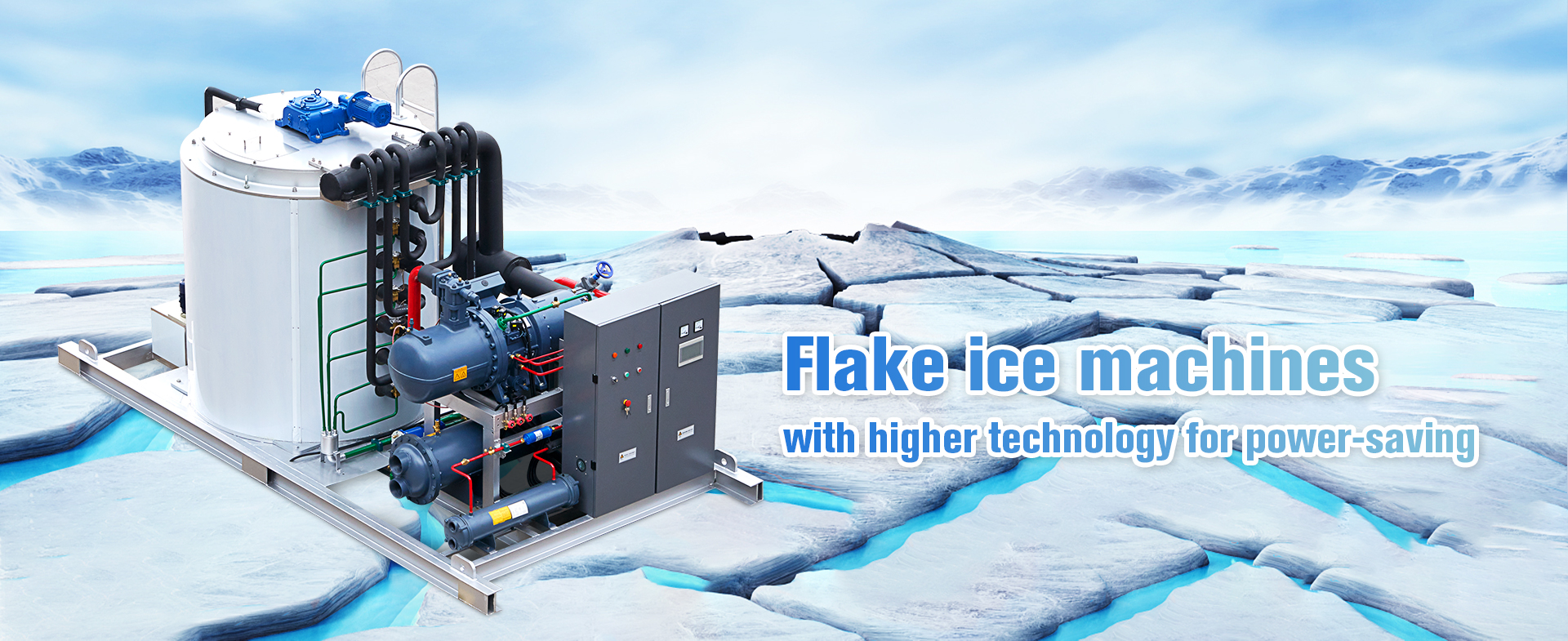
Exploring the Efficiency of ICESNOW 10Ton/day Seawater Flake Ice Machine: Industry Insights and Technological Advancements

The ICESNOW 10Ton/day seawater flake ice machine showcases notable advancements in the efficiency and effectiveness of ice production for various industrial applications. With distinct designs tailored for both marine and land use, these machines capitalize on the natural availability of seawater as a raw material. This direct extraction not only simplifies the ice-making process but also significantly reduces operational costs. As industries vary in their requirements, this versatility allows for a broader application across sectors such as fishery, food storage, and even in offshore drilling resources.

Recent industry reports indicate that the global demand for flake ice machines has surged, driven by the need for efficient preservation methods that maintain product quality. The reliance on seawater helps mitigate the environmental footprint of conventional ice production methods, appealing to the increasing regulatory emphasis on sustainability. Moreover, the design incorporates a condenser that circulates seawater, optimizing thermal efficiency during the ice-making cycle.

The ICESNOW machine operates on a dynamic electricity reference power supply of 380V/50Hz, making it compatible with most industrial electricity standards. Notably, adaptations to a 60Hz power supply can be accommodated, broadening its reach and usability across different regions. As industries continue to push for innovative solutions, advancements such as those seen in the ICESNOW model could redefine operational benchmarks and improve resource management in various sectors.

FAQS

: What are the main benefits of flake ice?

: Flake ice offers excellent cooling, extending the shelf life of seafood, meat, and produce by 20-30%.

Why is flake ice important in healthcare?

It cools injured body parts effectively, reducing recovery time by 25% without causing frostbite.

What should businesses consider when selecting a flake ice machine?

Daily ice production needs are crucial for choosing the right machine that meets specific requirements.

What are common issues with flake ice?

Its moisture content may cause clumping, affecting usability and efficiency in certain applications.

How can energy efficiency impact operational costs?

Higher energy efficiency machines can cut operational costs by up to 30%, benefiting budgets and sustainability goals.

What hidden expenses should firms watch for with ice machines?

Maintenance and repairs can add to costs; many overlook these details when purchasing equipment.

Why is regular maintenance crucial for flake ice machines?

Regular checks prevent costly repairs and help maintain optimal performance over the machine’s lifespan.

What maintenance tasks are often neglected?

Operators frequently overlook filter replacements and routine inspections that affect machine efficiency.

How does proper staff training contribute to machine longevity?

Training staff prevents downtime and ensures quick reporting of unusual machine behavior, enhancing reliability.

What can be learned from maintenance experiences?

Every maintenance task provides insights that can improve operational outcomes and overall efficiency over time.

Conclusion

When choosing the best Flake Ice Making Machine in 2026, it's essential to understand the benefits of flake ice and its applications across various industries, such as food preservation, healthcare, and industrial cooling. Key factors to consider include the machine's ice production capacity, which should align with daily and hourly output requirements, and energy efficiency ratings, as these directly impact operational costs and sustainability.

Moreover, maintenance needs play a crucial role in ensuring the machine's longevity and minimizing downtime. Advanced features, such as technology enhancements, can significantly improve ice quality and machine performance. Conducting a market analysis of top brands and models will provide insights into the best options available, helping you make an informed decision for your flake ice production needs.

Clara

Clara

Clara is a dedicated marketing professional at Guangdong Icesnow Refrigeration Equipment Co., Ltd., a leading integrated manufacturer established in 2003. With a strong specialization in the research, design, manufacture, and sale of various ice production equipment—including flake ice machines,......
Previous Top 10 Ice Flake Machines Buyers Need to Know About?