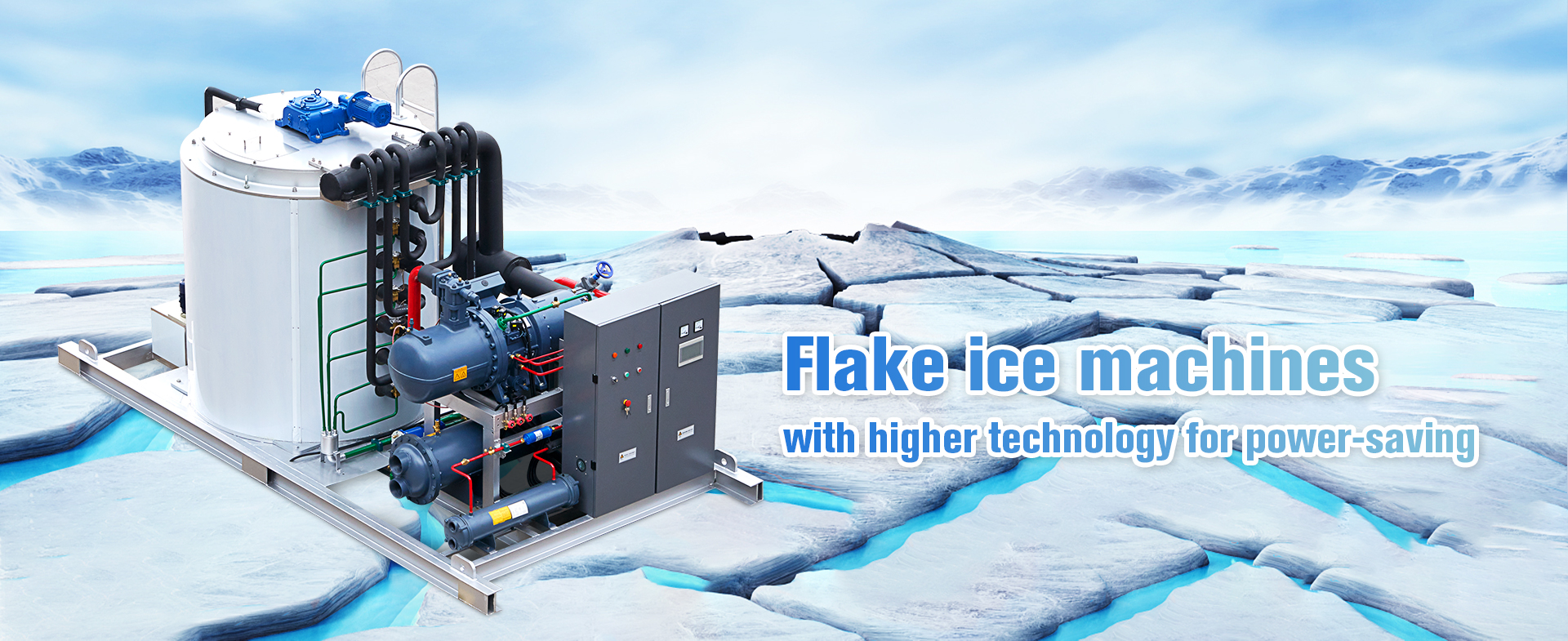
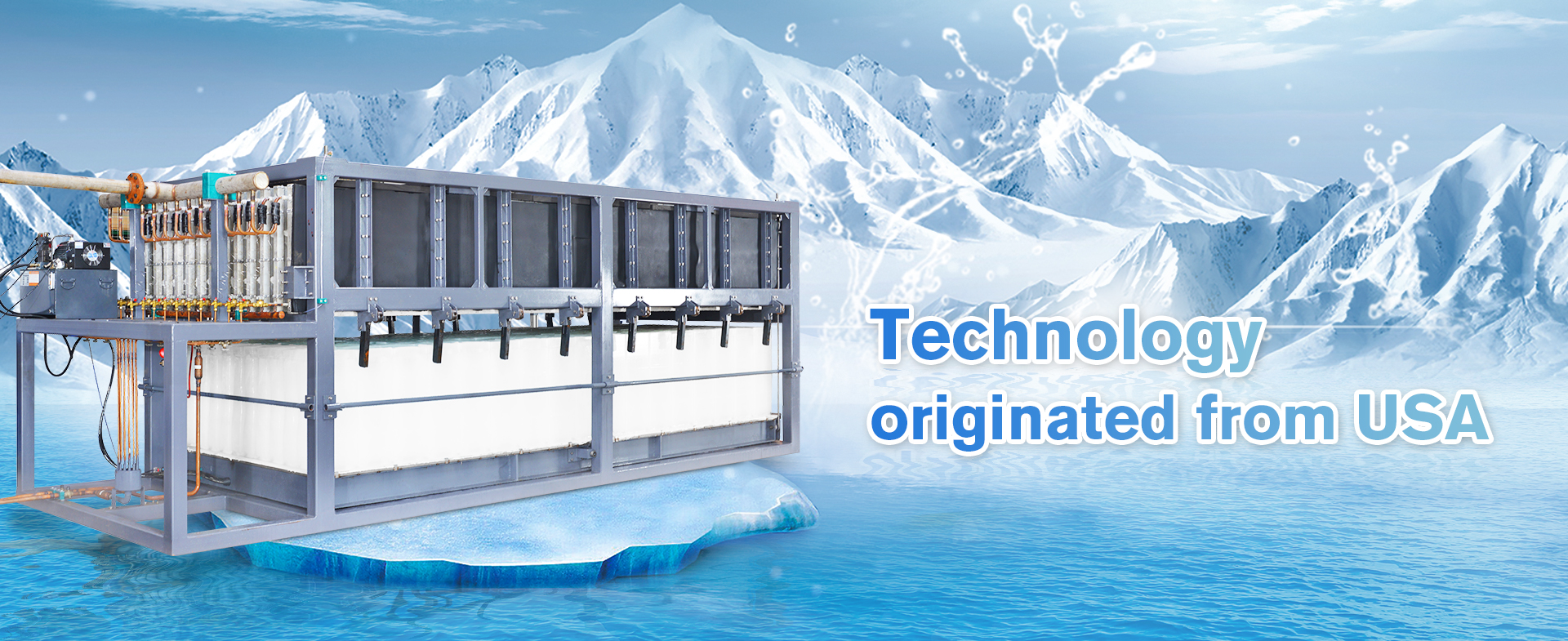

Finding the right flake ice maker for your business isn’t just a minor detail — it can really make a difference. It affects how smoothly your operations run and how happy your customers are, too. Different industries need different types of ice, you know? Like, restaurants rely on flake ice for their drinks, while medical places use it to keep things fresh and preserved.
There are tons of brands out there offering flake ice makers, but let’s be honest — not all of them are built the same. Some can be pretty unreliable, or they just don’t run as efficiently as you’d hope, which can be super frustrating. That’s why it’s so important to know what features actually matter. Look for things like sturdy build quality, how easy it is to operate, and how much effort maintenance will take. Reading user reviews can help, but don't forget—they don’t tell the whole story.
Choosing a flake ice maker isn’t just about grabbing whatever’s cheapest or the fanciest. It’s about really thinking through what you need — like, how much ice you’ll produce each day and whether you need extra storage space. The right pick can seriously boost your service quality and help your business grow. So, take your time and pick what works best for you.
Flake ice makers are essential for many businesses, including seafood markets, hospitals, and restaurants. Understanding their key features can enhance operations. These machines produce small, soft ice flakes that are ideal for preserving food freshness. Data from the Food and Beverage Equipment Association indicates that flake ice can extend seafood shelf life by up to 50%. This preservation capability is crucial for businesses that rely on high-quality ingredients.
Efficiency is another vital benefit of flake ice makers. Many models can produce hundreds of pounds of ice daily, making them invaluable in high-demand environments. Ice production rates can significantly impact operational flow. A study by the National Restaurant Association reveals that 80% of restaurants report ice production as a main ingredient in drinks and seafood displays. Having a reliable ice supply supports efficiency and customer satisfaction.
However, choosing the right ice maker requires careful consideration. Not all machines are built equally. Some may struggle with maintenance or have lower output rates. Common issues include ice clumping and inconsistent production. It’s important to weigh these factors when evaluating options. Finding a solution that meets business needs can take time and research. Identifying a machine's weaknesses before purchase is essential for long-term satisfaction.
Flake ice makers serve diverse business needs across various sectors. Restaurants and cafes often require flake ice for food displays and chilling beverages. Hospitals and laboratories utilize this ice for preserving specimens. Ice is crucial in seafood markets to maintain freshness. Its ability to pack tightly enables efficient storage and transport.
One vital aspect is energy efficiency. According to a report from the International Ice Association, modern flake ice machines consume 30% less energy than older models. Keeping energy costs low is essential for businesses aiming to optimize their operations. Make sure to select a model that meets your specific daily ice consumption needs.
Tip: Always consider maintenance when choosing equipment. Regular cleaning and service extend the lifespan of flake ice makers. A neglected machine might lead to costly downtimes. Think about the ice quality as well; it should be clean and free from contaminants for food safety. This aspect cannot be overlooked in any business operating with food products.
When selecting a flake ice maker for your business, several key factors come into play. Understanding your specific needs is crucial. The capacity of the ice maker is essential. Many businesses need machines that can produce between 300 to 800 pounds of ice per day. Some reports indicate that 60% of food service establishments require high daily output due to peak hours.
Another critical factor is the storage capacity. A typical flake ice maker might have a storage bin holding 20 to 50 pounds of ice. If your business sees high traffic, investing in a larger storage bin can prevent delays. However, not all environments necessitate large storage. Many small businesses might see diminishing returns from oversized units.
Lastly, consider the energy efficiency. The Energy Star website states that energy-efficient models can save businesses up to 15% on operational costs. This cut can be significant for restaurants and supermarkets. Yet, energy-efficient machines sometimes cost more upfront. Balancing initial investment and long-term savings is often challenging. Knowing how to weigh these factors can be daunting yet rewarding.
When selecting a flake ice maker for business needs, considering the best brands and models is crucial. Recent statistics indicate that the commercial ice machine market is expected to grow by 7.8% annually, reflecting rising demand across multiple sectors. Flake ice is ideal for grocery stores, seafood markets, and hospitals. Its rapid cooling capability is essential for freshness and food safety.
Top models often feature production capacities exceeding 600 pounds per day, serving high-demand environments effectively. Many businesses report that efficient ice production saves costs long-term. However, maintenance remains a challenge. Regular cleaning and occasional repairs can disrupt operations. Some users may underestimate the importance of routine checks, leading to breakdowns when ice production is critical.
While most models promise optimal performance, not every unit meets business needs. Companies should assess their consumption patterns thoroughly. A small café may not require the same capacity as a bustling restaurant. Failing to account for seasonal spikes can lead to shortages or excesses, impacting service quality. Reliability and customer support from manufacturers also play a vital role in long-term satisfaction.
Maintaining a flake ice maker is essential for optimal performance.
Regular cleaning helps to prevent scale buildup and protects the machine’s components. Use a soft cloth and a gentle cleaner designed for this purpose.
This will ensure that your ice is not only clear but also tastes fresh. Scheduled maintenance checks
can help identify potential issues early.
Pay attention to the water quality used in the ice maker.
Hard water can lead to mineral deposits. Consider a water filtration system if your area has hard water.
Also, regularly check the ice storage bin for any ice clumps or signs of contamination.
This small step can significantly enhance the safety and quality of the ice produced.
Another aspect to consider is the temperature in the ice production area.
Too warm an environment can stress the unit and reduce efficiency. Ensure there is proper ventilation around the machine.
It’s easy to overlook these details. A well-kept flake ice maker not only produces better ice but also lasts longer.
Stay proactive with care and maintenance.
Investing in a flake ice maker can significantly impact your business's operational efficiency. According to industry reports, restaurants and seafood markets are witnessing a growing demand for flake ice due to its versatility. More than 30% of businesses that utilize flake ice report an increase in customer satisfaction. This is particularly true in sectors like food preservation and beverage service.
While the initial investment for a high-quality flake ice maker can range from $2,000 to $10,000, the long-term savings may justify this cost. Energy-efficient models can reduce electricity bills by 20-30% annually. However, not all machines deliver the same performance or durability. Regular maintenance is essential, and costs can add up. Some businesses underestimate these expenses, impacting their overall budget.
The return on investment (ROI) varies widely among different businesses. Restaurants can recover their costs in less than two years. In contrast, ice distributors may face longer payback periods. Understanding the specific needs of your business is crucial. Balancing initial costs with potential savings can be tricky but necessary for smart financial planning.
When selecting the best flake ice maker for your business needs, customer feedback can provide valuable insights. A recent survey by the International Institute of Refrigeration showed that 75% of businesses rely heavily on customer feedback when choosing equipment. Flake ice makers are essential in sectors such as food service, healthcare, and research. Customers often praise the efficiency and output consistency of these machines.
However, feedback isn't always uniformly positive. Some users report issues with ice quality and maintenance challenges. For example, 20% of retailers noted difficulties with regular cleaning. It's crucial to consider these factors when making a decision. Additionally, industry reports reveal that a unit's energy consumption can vary widely, impacting long-term operational costs.
Beyond functionality, ease of use and reliability are major points of concern for businesses. Almost half of the restaurant owners expressed frustration with complicated interfaces on newer models. Therefore, while customer reviews often highlight positive experiences, potential buyers should dig deeper. Understanding these nuances in feedback helps businesses make informed choices about flake ice makers that truly meet their needs.
The ICESNOW 5Ton/Day Industrial Seawater Ice Flake Making Machine epitomizes cutting-edge efficiency and sustainability in ice production. Designed for both marine and land applications, this machine harnesses the vast resource of seawater to generate high-quality ice flakes. The innovative design allows users to directly extract seawater for ice-making and utilizes a closed-loop condenser system, which recirculates water, minimizing waste and maximizing operational efficiency.
This system operates on dynamic electricity with a reference power supply of 380V/50HZ, adaptable to 60HZ if required, ensuring compatibility with various power setups. The dual-form functionality makes it versatile for different environments—whether you’re at sea or on land, this machine is engineered to meet diverse demands while remaining environmentally responsible. Utilizing seawater for ice production not only reduces reliance on freshwater resources but also contributes to a greener approach to industrial ice-making. The ICESNOW machine stands out as a robust solution for industries seeking to enhance their productivity while adhering to sustainable practices.
: Various sectors use flake ice makers, including restaurants, hospitals, and seafood markets.
Energy efficiency lowers operating costs. Modern machines use 30% less energy than older ones.
Clean ice should be free from contaminants. Regular cleaning helps maintain ice quality and safety.
Choose a model that matches your daily ice needs. Factor in maintenance and energy consumption.
Regular maintenance and cleaning are crucial. Neglected machines may lead to costly downtimes.
Hard water can cause mineral deposits. Using a water filtration system can help improve ice quality.
Use a gentle cleaner, check for scale buildup, and inspect the ice storage bin regularly.
A warm environment can stress the machine. Proper ventilation is essential for optimal efficiency.
Regularly check the storage bin. Removing clumps can prevent contamination and maintain ice quality.
Staying proactive with maintenance ensures better ice production and extends the equipment's lifespan.
When choosing the best flake ice maker for your business needs, it is essential to understand its key features and benefits. Flake ice makers are designed to produce thin, flat ice flakes that are ideal for various applications, such as food preservation, seafood displays, and beverage cooling. Each type of flake ice maker serves different business purposes, making it crucial to assess your specific requirements.
Factors to consider when selecting a flake ice maker include production capacity, energy efficiency, and maintenance requirements. It's also important to analyze the cost-effectiveness of the investment over time. Exploring customer reviews and feedback can provide valuable insights, helping you choose a reliable model that aligns with your operational needs. Proper maintenance and care will ensure the longevity and efficient performance of your flake ice maker, making it a vital asset to your business.