
Picking the right tube ice maker for your business isn’t something to take lightly. These machines are pretty much a staple for restaurants, bars, and catering gigs—they’re essential for making sure your drinks stay cool and your food stays fresh. Honestly, a good ice machine can make all the difference.
Now, there are tons of brands out there—Scotsman, Manitowoc, you name it—and not all of them are built the same. Reliability is everything because, let’s face it, no one wants their ice machine to break down in the middle of a busy night. Brands like Scotsman and Manitowoc are known for being tough and efficient, but heads up—they can cost a pretty penny upfront. That’s something to consider if budget is on your mind.
When you're shopping around, think about what you actually need in terms of how much ice you want to produce and how much space you’ve got for installation. Don’t forget to check out what kind of maintenance each machine requires, since some might crank out more ice but need a lot of upkeep. It’s all about looking at the total cost of ownership—not just the sticker price. Choosing the right tube ice maker can seriously boost your business’s operations, so taking the time to make an informed choice is definitely worth it.
When it comes to choosing a top tube ice maker machine, many factors come into play. An ideal machine produces clear and solid ice quickly. Users seek machines with a user-friendly design. A compact size is often desired for easy storage and portability. The ice production rate is another crucial aspect. Some machines are capable of making upwards of 30 kilograms of ice daily. This can be essential for events or businesses relying heavily on ice.
Reliability in performance is also vital. A machine that frequently breaks down can be frustrating. Users want durable materials and solid construction. Energy efficiency is a growing concern. Machines that consume less power while producing more ice offer a win-win situation. However, not every unit on the market meets these expectations. Some might promise high efficiency but fall short in real-world applications.
Feedback from users highlights the importance of ease of maintenance. Machines that are challenging to clean often lead to hygiene issues. Choosing a model equipped with self-cleaning features can be ideal. Additionally, some ice makers require frequent water supply, making them less convenient. The balance between functionality and practicality is key in making a wise investment.
Selecting the right top tube ice maker requires careful consideration of various factors.
One key aspect is ice production capacity.
According to the International Institute of Refrigeration, commercial ice makers often produce between
100 to 500 pounds of ice daily. This range caters to diverse needs,
from small bars to larger restaurants. If the demand for ice is underestimated, it can lead to
customer dissatisfaction.
Another important factor is the size and design of the machine.
Space constraints can influence the choice significantly. Many establishments often overlook this, leading to
inefficient use of space. A compact model may suffice for
smaller venues, while larger operations may need more robust setups.
According to the Food and Beverage Industry Report 2022,
34% of operators cited "inadequate space" as a challenge in kitchen equipment planning.
Cost-effectiveness is also paramount. While initial investment is crucial, operational costs should not be ignored.
Energy-efficient models can result in significant savings over time.
The American Society of Heating, Refrigerating and Air-Conditioning Engineers (ASHRAE) suggests that
high-efficiency models can save up to 30% on energy bills.
Therefore, potential buyers must assess both short-term and
long-term expenses.
When choosing a high-quality tube ice machine, several key features stand out. Reliability is crucial. A machine that consistently produces ice quickly is vital for businesses in the food and beverage industry. The ice should be clear and free of impurities. This ensures that it doesn’t negatively impact the taste of drinks or food.
Another important aspect is energy efficiency. Energy-efficient models help reduce operating costs. They also contribute to environmentally friendly practices. Additionally, consider the ease of use. Machines with intuitive controls are easier to operate. This reduces the chance of user errors that can lead to wasted resources.
Maintenance plays a significant role too. Accessible components make cleaning easier, fostering hygiene. Some machines require specialized tools for maintenance, which can be a hassle. Always think about the size of the machine. A model that is too large may occupy precious space, while a smaller unit might not meet production needs. These nuances are essential when investing in tube ice machines.
Choosing the right top tube ice maker is crucial for many buyers. Several well-known brands offer a range of options tailored to different needs. Features often include energy efficiency, production speed, and ice quality. Some models may deliver clear, compact ice while others focus on style and design.
It’s important to consider the specific needs you have. Do you require a unit for home use or a commercial setting? Think about how much ice you need daily. You might also want to note the space available for the machine.
Tips: Always check the warranty and customer reviews. This can provide insight into reliability. Also, look for machines that are easy to clean. Regular maintenance affects performance. Finding the right balance of features and price might take time. Don’t feel pressured to make a quick decision.
| Model | Ice Production (Kg/24h) | Cooling Type | Water Consumption (L/24h) | Price Range (USD) |
|---|---|---|---|---|
| Model A | 50 | Air-Cooled | 250 | 2000 - 2500 |
| Model B | 80 | Water-Cooled | 300 | 2500 - 3000 |
| Model C | 120 | Air-Cooled | 400 | 3000 - 3500 |
| Model D | 150 | Water-Cooled | 450 | 3500 - 4000 |
| Model E | 200 | Air-Cooled | 600 | 4000 - 4500 |
When selecting an ice maker machine, it's important to understand their performance differences. Each model has unique features, affecting how efficiently it produces ice. Many machines vary in ice size, speed, and capacity. A few models produce ice in as little as six minutes, while others take longer. This speed may be crucial for busy settings.
Evaluating a machine’s energy efficiency is also essential. Some machines consume more power, increasing operational costs. Others are designed to minimize waste and maximize output. Buyers should consider these aspects, as they directly impact long-term use. Simple maintenance can also affect how machines perform over time. Regular cleaning can help avoid ice quality issues.
User reviews often highlight failures and successes of various models. Repeated complaints about noise, for instance, can influence customer satisfaction. It’s worth considering how well a machine fits in your space. Not all units are compact, and installation could pose challenges. Making an informed choice means weighing all these factors carefully.
When considering top tube ice maker machines, maintenance is crucial for longevity and efficiency. Regular attention to details can extend the lifespan significantly. Studies show that regular cleaning can enhance ice quality by up to 30%. Keeping the machine clean ensures that impurities do not affect the taste and texture of ice, which is vital in many industries.
Filters are essential components that can often be overlooked. Replacing or cleaning filters every few months ensures optimal performance. Neglecting this can lead to decreased efficiency, which many users fail to recognize until it's too late. Operating a poorly maintained machine can waste energy, impacting your overall costs.
Temperature settings also play a crucial role. Ice maker machines perform best in a climate-controlled environment. Keeping the surrounding temperature stable can prevent overheating and mechanical issues. On average, machines operate 15% more efficiently when maintained within optimal temperature ranges. It's worth noting that prolonged neglect can lead to costly repairs, and many machines may lose up to 10% of their productivity when not properly serviced. Regular checks can save time and money in the long run.
The ice maker market is rapidly evolving. Consumers are increasingly seeking machines that offer convenience and efficiency. Ice makers that produce different shapes and sizes of ice are gaining popularity. Cube, nugget, and flake ice types serve various purposes, from cocktails to food displays. Buyers are attracted to machines that can produce ice quickly, as speed is essential for both home and commercial use.
Another trend is the focus on energy efficiency. Many buyers prefer machines that consume less power while maintaining performance. This is not just about saving money; it reflects a growing awareness of environmental impact. However, some ice makers can be noisy or bulky, which might deter some consumers. The design of the machine also matters. Sleek, compact models fit better in modern kitchens.
Durability and reliability are key factors for many. Customers want machines that last without frequent repairs. They look for easy maintenance features as well. While online reviews can be helpful, not all sources are trustworthy. Potential buyers may need to research various options carefully. Quality varies widely, and not all machines meet expectations.
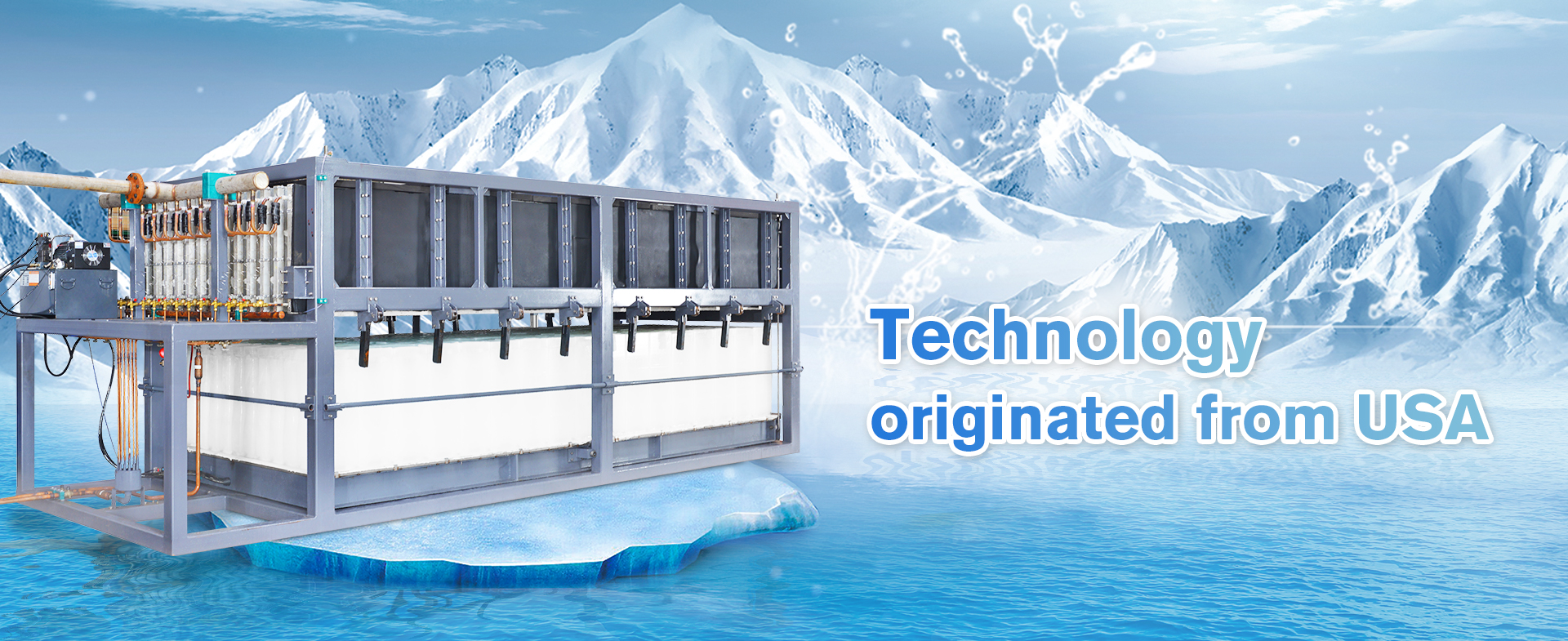
The innovative ICESNOW 15Ton/day tube ice machine stands at the forefront of ice production solutions, designed to optimize performance for a variety of applications. Tube ice, characterized by its hollow cylindrical shape with an inner diameter ranging from 5 mm to 15 mm and lengths between 25 mm and 42 mm, has gained popularity in many sectors. Its unique characteristics, including a bright, transparent appearance and consistent cooling properties, make it ideal for beverage modulation, food preservation, and even decorative culinary uses.
Recent industry reports suggest that the demand for tube ice is on the rise, driven by its efficient cooling capabilities and consumer preference for aesthetically pleasing ice. The outer diameter options of 22 mm, 28 mm, and 35 mm allow for customization to suit various end-user needs. For instance, restaurants and bars prefer this type of ice for cocktails and mixed drinks, where presentation is key. Moreover, studies show that tube ice can maintain lower temperatures for longer durations due to its increased surface area, making it a superior choice for industries that require reliable and effective ice solutions.
As the food and beverage industry continues to evolve, the ICESNOW 15Ton/day tube ice machine emerges as a viable solution for optimizing operational efficiency. With its capacity to produce high-quality tube ice at a substantial daily output, businesses can enhance their service offerings while addressing growing consumer demands. By investing in advanced ice production technology, companies can ensure they remain competitive in a bustling marketplace.
: An ideal ice production capacity varies from 100 to 500 pounds daily for different establishments.
The size impacts space efficiency. Many overlook this, leading to wasted kitchen space.
Operational costs are crucial. Energy-efficient models can save up to 30% on energy bills over time.
Production speed varies. Some machines can produce ice in six minutes, while others take longer.
Regular cleaning is essential. It helps maintain ice quality and machine efficiency over time.
Reviews indicate potential issues like noise. They help gauge customer satisfaction and machine reliability.
Not always. While compact models save space, larger venues may need more robust equipment to meet demand.
Challenges include inadequate space and underestimating ice demand, which can lead to customer dissatisfaction.
In the realm of ice production, tube ice maker machines have gained significant traction among global buyers for their efficiency and versatility. This article provides an overview of top tube ice maker machines, emphasizing essential factors to consider when selecting the right model, including production capacity, energy consumption, and ease of use. It highlights key features that distinguish high-quality tube ice machines, such as durability, maintenance requirements, and ice clarity.
Furthermore, a comparative analysis of performance metrics offers insights into which machines excel in various environments, from commercial kitchens to hospitality settings. As market trends evolve, understanding consumer preferences plays a crucial role in the decision-making process. The article also provides maintenance tips to ensure longevity and optimal performance of these machines, helping users maximize their investment.