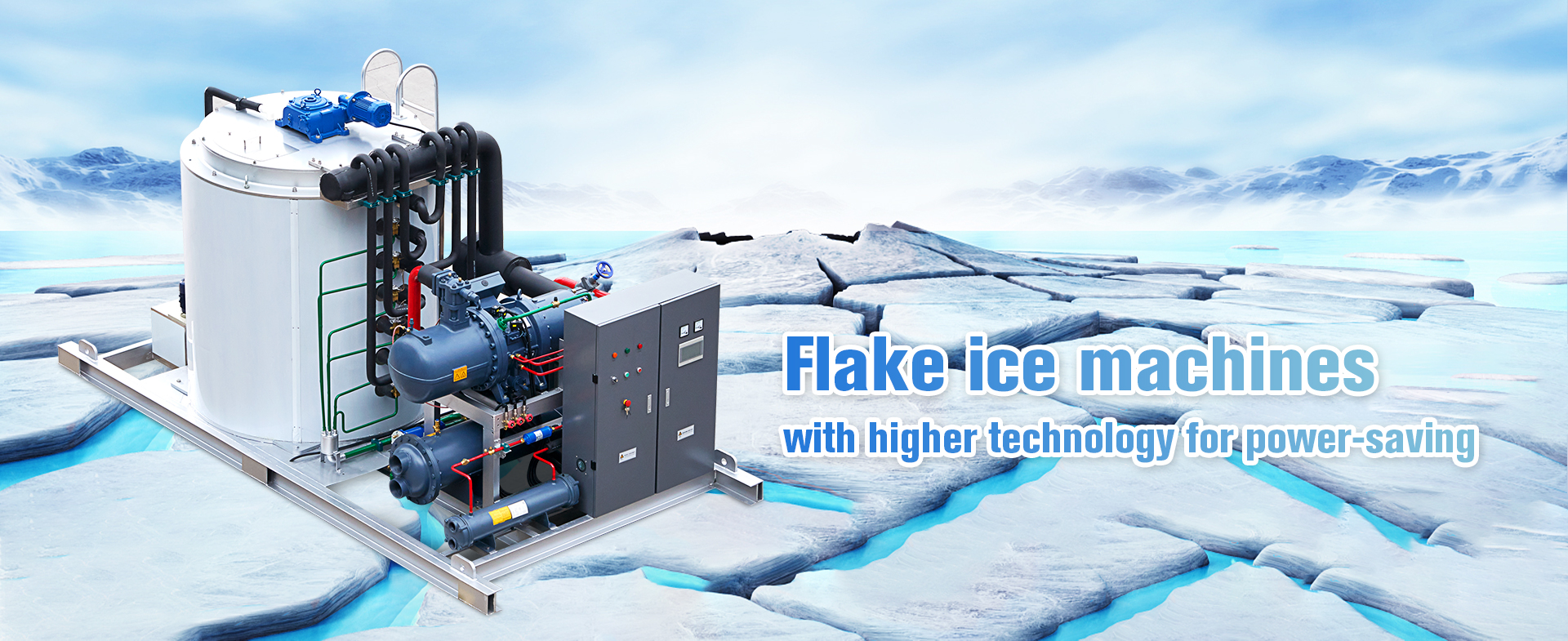
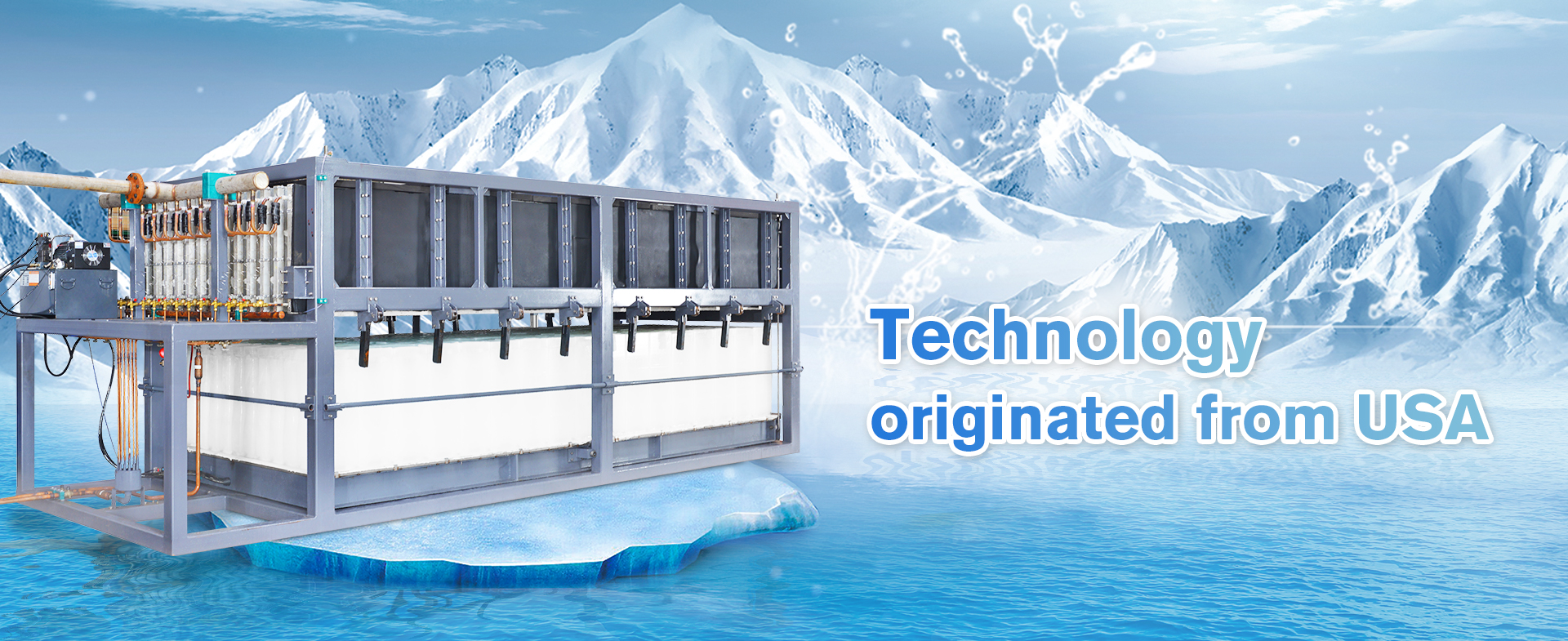
In the world of refrigeration, the Ice Flake Machine is pretty important — it’s actually a game-changer for a lot of businesses. Experts like John Thompson from IceTech Innovations often point out just how big of a deal this is. He mentions, “Picking the right ice flake machine can really make a difference in how smoothly your operation runs.” Whether you’re in food service, healthcare, or another industry, hitting the right choice is super important.
These ice flake machines are built to deliver high performance and stay reliable over time. They make tiny, crystal-clear ice flakes that are perfect for keeping food fresh or making drinks look extra appealing. But here’s the thing — a lot of buyers overlook some key details. Things like how fast the machine makes ice, how much energy it uses, or what kind of maintenance it needs can really impact how satisfied you are in the long run.
Getting a good handle on how these machines work is pretty essential. At first glance, many options seem pretty similar, which can make choosing a bit confusing. That’s why understanding what sets each one apart is so helpful — it’s the best way to make a smart decision. As we go through the top ten ice flake machines, we’ll highlight the features that really stand out. With this info, buyers can feel more confident about making an investment that fits their needs and keeps things running smoothly.

Top 10 Ice Flake Machines: Essential Features for Buyers to Consider
When selecting an ice flake machine, buyers should consider several essential features. Firstly, the production capacity is vital. Look for machines that produce at least 300 pounds of ice per day if you're meeting high demands. Also, assess the ice thickness. Machines that offer adjustable thickness can help cater to various needs, from cocktails to seafood preservation.
Another crucial aspect is the energy efficiency of the machine. An energy-efficient model not only reduces utility bills but also has a lower environmental impact. It's essential to check the unit's specifications for energy ratings. Noise level is also worth noting. Some ice flake machines can be loud, so opt for models that operate quietly for a better user experience.
Tips: Always read customer reviews before purchasing. They provide insights into reliability and performance. Focus on warranty and support—this can be telling of a manufacturer’s confidence in their product. Remember, a cheaper model might lack durability. Quality should not be compromised for price. Consider your specific needs carefully before making a choice.
Comparative Analysis of Ice Flake Machine Capacities and Output Rates
When considering ice flake machines, understanding their capacities and output rates is crucial. Various models cater to different needs. Some machines churn out ice at rates ranging from 500 to 2000 pounds per day. This makes them suitable for small restaurants or larger industrial applications.
Output rates play a pivotal role in decision-making. A machine that produces ice quickly may seem appealing, but efficiency is key. High output doesn’t always equate to energy savings. It's essential to evaluate the power consumption associated with higher capacities. Some users find that their operational costs exceed expectations, challenging their budgets.
Additionally, maintenance considerations cannot be overlooked. Machines with higher output often require more frequent servicing. This can lead to unexpected downtime and increased costs. Prospective buyers should weigh these factors carefully. An informed decision involves more than just capacity; it requires a holistic approach to efficiency, maintenance, and operational costs.
Key Factors Influencing Ice Production Efficiency in Flake Machines
When considering ice flake machines, several critical factors influence ice production efficiency. The type of compressor used impacts overall effectiveness. A robust compressor can produce ice quickly while minimizing energy consumption. According to industry reports, energy-efficient models can reduce operating costs by up to 25% annually. Proper maintenance of the machine also plays a significant role in efficiency. Regular checks ensure optimal performance and longevity, potentially increasing output by 15%.
Tip: Regularly clean the evaporation surfaces. This simple step can significantly enhance ice production.
Another significant aspect is the water quality used for ice production. Impurities can affect not only the flavor but also the production rate. Some studies show that soft water can enhance ice quality while reducing machine wear. In contrast, hard water can lead to inefficiencies and malfunctions. Monitoring water quality is essential for peak performance.
Tip: Invest in a water filter. This promotes better ice quality and machine health.
Efficient ice flake machines are vital in food service and healthcare. Balancing these factors can maximize production efficiency and reliability. Understanding these elements aids buyers in making informed decisions and achieving optimal results in their operations.
Top 10 Ice Flake Machines Buyers Need to Know About
This chart displays the ice production efficiency of various flake machines, measured in kilograms per hour. Understanding the efficiency of these machines will help buyers make informed decisions based on performance.
Understanding Different Types of Ice Flake Machines and Their Applications
Ice flake machines are essential in various industries. They produce small, irregularly shaped ice flakes, suitable for cooling, preservation, or display. Understanding their types and applications helps buyers make informed choices. The main types include batch machines, continuous machines, and compact units. Batch machines are ideal for small operations. They produce ice in batches, offering flexibility. Continuous machines, however, provide a steady output, perfect for large-scale needs.
Ice flake machines serve diverse applications. In the food industry, they extend shelf life by keeping seafood and produce fresh. Research shows that ice maintains food quality, reducing spoilage by up to 30%. In healthcare, these machines assist in cooling injuries and pharmaceuticals. The hospitality sector uses ice flakes for drinks and food presentations.
Tip: Consider your specific needs when choosing an ice flake machine. Factor in production capacity and space requirements.
Tip: Regular maintenance is crucial for longevity. Clean the machine to prevent ice contamination. Moreover, it’s vital to understand the energy consumption of different models. High-efficiency machines can reduce costs but may have a higher upfront price.
Cost-Benefit Analysis: Investing in Ice Flake Machines for Businesses
Investing in ice flake machines can be a game-changer for many businesses. These machines offer significant operational efficiency, especially for restaurants and seafood markets. The initial cost may seem high, but the return on investment can be substantial. When businesses rely on fresh ice for their products, maintaining quality becomes pivotal. A good machine can produce consistent ice flakes that enhance food presentation.
Maintenance costs are another consideration. Regular upkeep ensures machines run smoothly and have a long lifespan. However, some users overlook this aspect, leading to unexpected expenses. It's important to assess potential repairs when deciding on the right machine. Additionally, not all machines are designed for the same volume output. Businesses must evaluate their ice needs to avoid over- or under-investing.
Moreover, energy consumption plays a crucial role in the cost-benefit analysis. Some ice flake machines are energy-efficient, lowering operational costs over time. Others may consume more power, increasing expenses. It's vital to balance purchasing costs with long-term operational savings. Buying based solely on price without considering efficiency can lead to regret. A comprehensive evaluation of all these factors will lead to a more informed decision.
Maintenance Tips for Longevity and Performance of Ice Flake Machines
Maintaining ice flake machines is crucial for their longevity and performance. Regular cleaning helps prevent mineral buildup, which can reduce efficiency. A study by the International Journal of Refrigeration emphasizes that neglecting routine maintenance can cut a machine's lifespan by up to 30%. For optimal performance, emptying the water reservoir regularly is essential. Even a small amount of stagnant water can lead to mold growth, impacting ice quality.
Ice flake machines require careful monitoring. Check the condensate drainage system frequently to avoid clogs. According to industry data, a quarter of all ice machine failures stem from improper drainage. Inspections should include all components, especially the evaporator and condenser coils. Ensure they are free from debris. This not only boosts performance but also helps in energy efficiency. Machines that operate efficiently consume about 15% less energy, saving money in the long run.
User feedback highlights the importance of following manufacturer guidelines for maintenance schedules. Keeping a log of maintenance activities can make a significant difference. However, many owners struggle with this. Skipping steps can lead to costly repairs over time. Being proactive rather than reactive can prevent unexpected downtime when it's busiest. Regular, small efforts can ensure ice machines continue to run smoothly and efficiently, making them reliable assets in any operation.
Technological Advances in Ice Flake Machine Design and Operation
The ice flake machine industry has seen significant advancements in recent years. Manufacturers are focusing on energy efficiency and enhanced performance. Reports show that energy consumption can be reduced by up to 30% in newer models. This reduction not only lowers costs but also benefits the environment. Innovators are integrating smart technology for monitoring and control. Operators can now use mobile apps to manage production in real-time.
Design improvements are also notable. Many machines now feature compact designs that save space. New materials improve durability and insulation, essential for maintaining ice quality. Ice flake texture has also changed, with softer flake styles becoming popular for seafood displays. However, with innovations, it is crucial to consider the maintenance aspect. Some advanced features may require special training for operators. Regular cleaning of components is necessary to ensure longevity.
Reports indicate that the global market for ice machines is projected to grow significantly. By 2027, it may reach a valuation of over $3 billion. This growth emphasizes the demand for advanced functionality in ice machines. However, manufacturers must address the challenges of evolving technologies and buyer expectations. The balance between innovation and user-friendliness remains delicate. As the industry progresses, ongoing assessments of features will be essential for future success.
FAQS
: Ice flake machines produce small ice flakes for cooling, preservation, and display purposes.
The main types are batch machines, continuous machines, and compact units, each suited for different needs.
They extend shelf life by keeping seafood and produce fresh, reducing spoilage by up to 30%.
Assess your production capacity, space requirements, and energy consumption before making a choice.
Regular cleaning and upkeep prevent ice contamination and ensure the machine runs smoothly for years.
Energy-efficient machines lower overall costs, while high consumption machines can lead to increased expenses.
New models focus on energy efficiency, smart technology, and improved durability while maintaining ice quality.
Overlooking maintenance costs can lead to unexpected expenses, affecting the overall investment value.
Softer ice flakes are now popular, particularly for seafood displays, enhancing presentation quality.
The market may reach a valuation of over $3 billion by 2027, highlighting growing demand for advanced features.
Conclusion
The article "Top 10 Ice Flake Machines Buyers Need to Know About" serves as a comprehensive guide for potential buyers looking to invest in ice flake machines. It outlines essential features to consider, such as capacity and output rates, which play a crucial role in determining the machine's efficiency. The comparative analysis helps buyers understand the varied production capabilities, while the discussion on different types of ice flake machines highlights their specific applications across various industries.
Moreover, the article delves into key factors influencing ice production efficiency, emphasizing maintenance tips to ensure longevity and optimal performance. It also covers the latest technological advancements in design and operation, ultimately providing a cost-benefit analysis for businesses contemplating an investment in ice flake machines. This summary equips buyers with critical insights necessary for making informed decisions regarding their ice production needs.