
0%

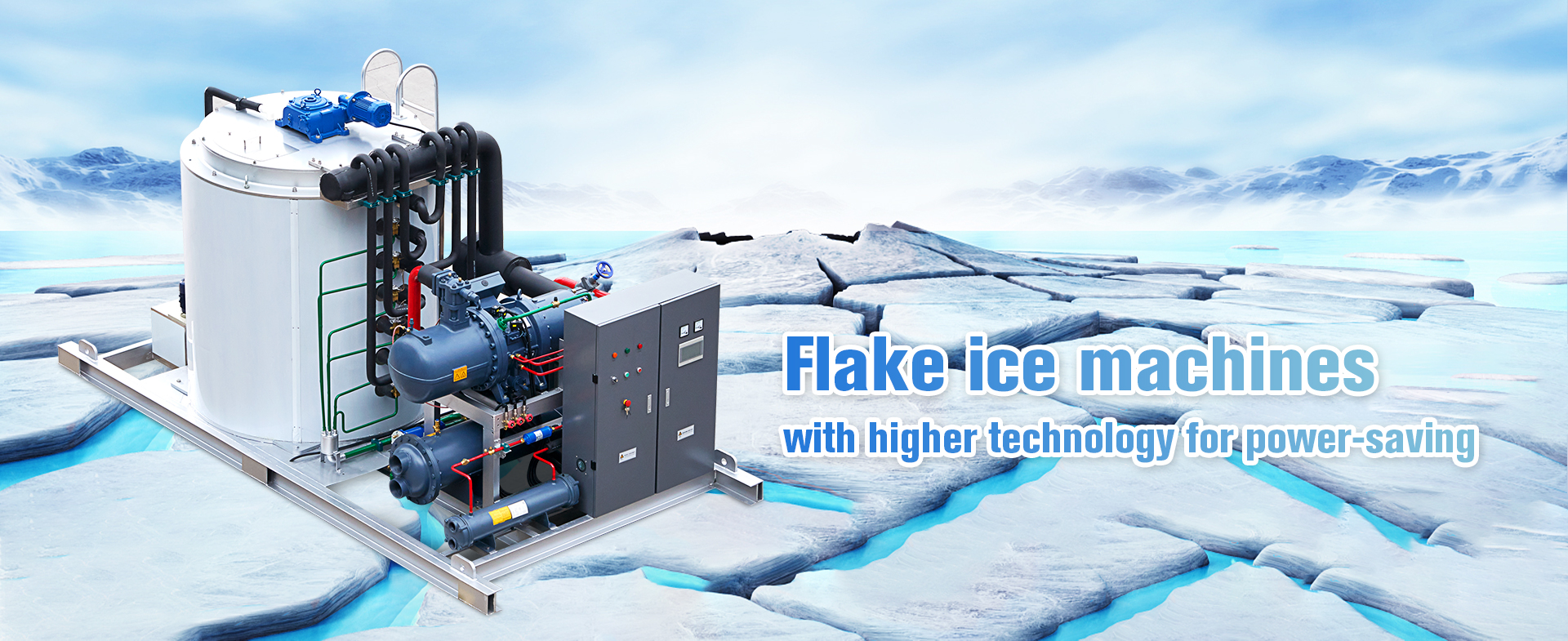
In the busy world of food service and healthcare, a Flake Ice Maker really plays a crucial part. You know, the demand for flake ice has shot up quite a bit—like, it’s grown by about 25% over the past five years. That kind of ice is super helpful for keeping food fresh and hospitals comfortable for patients. People really appreciate how quickly it can chill things down, so it’s become kind of an essential gadget for a lot of businesses out there.

Loads of industries depend on a Flake Ice Maker that works reliably. Take seafood restaurants, for example—they rely on flake ice to keep their catch fresh. But here’s the thing: you gotta consider the costs, especially since a dodgy machine can lead to spoiled food, which obviously hits your bottom line. Brands like Ice-O-Matic and Manitowoc have different models, and each one comes with its own pros and cons.

It’s also worth thinking about maintenance and whether it’s energy-efficient. I mean, these ice makers do a great job cooling, but they might also use quite a bit more power than you’d expect. So, when you’re thinking about investing in one, it’s a good idea to really assess what your business needs and look at the data or reviews to help you make the right decision.

Why Choose a Flake Ice Maker for Your Business Needs?

Benefits of Flake Ice in Various Industries

Flake ice has distinct advantages across various industries. In the seafood market, flake ice is ideal for preserving the freshness of fish. Its small, soft pieces envelop the seafood, ensuring even cooling and minimal impact on the product. This critical element aids in maintaining quality and extending shelf life. The agriculture sector also benefits. Flake ice is effective for keeping produce fresh during transport, reducing spoilage significantly.

In healthcare, flake ice is crucial for storing tissues and samples. The efficient cooling it provides is not only reliable but also essential for preserving integrity and safety. Flake ice's versatility extends to the hospitality industry as well. Bars and restaurants use it to chill drinks rapidly. The visual appeal of flake ice also enhances presentations, attracting more customers.

Some challenges do exist. Flake ice makers require regular maintenance to ensure optimal performance. Users must balance the demand for ice with the machine's output capacity. This factor often leads to shortages during peak hours. Thinking through these concerns is important for effective use. Still, the benefits of flake ice make it a valuable choice for many businesses.

Why Choose a Flake Ice Maker for Your Business Needs? - Benefits of Flake Ice in Various Industries

Industry Benefits of Flake Ice Applications
Food Service Keeps seafood and fresh produce cool, enhancing shelf life. Seafood markets, grocery stores, and restaurants.
Healthcare Ideal for patient cooling and preserving medications. Hospitals, clinics, and pharmacies.
Chemical Industry Effective temperature control during chemical processes. Chemical plants and research facilities.
Event Catering Aesthetic and practical way to serve beverages. Weddings, parties, and corporate events.
Aquaculture Maintains optimal water temperature for aquatic life. Fish farms and aquariums.

Comparison of Flake Ice Maker Types and Models

When considering a flake ice maker for your business, evaluating types and models can be crucial. Flake ice is versatile and often used in various settings, such as seafood displays, healthcare, and even cocktail bars. Some models specialize in high output, while others focus on energy efficiency. These differences can impact your operational costs and product offerings.

The two primary types of flake ice makers are modular and self-contained. Modular units require a separate bin but offer higher production rates. Conversely, self-contained models are compact, making them suitable for smaller spaces. Each has its strengths and weaknesses, which must be matched with your business needs. Energy consumption varies too. Higher output models can be less efficient. A careful analysis may reveal that under certain conditions, smaller models can actually be more beneficial.

You might face challenges in selecting the right model. Understanding your ice requirements can be complex. Seasonal demands can fluctuate, affecting your choice. Be open to revisiting your decision after installation. The ice needs can change, and the model may not meet expectations as your business evolves. Embrace these uncertainties as learning opportunities, ensuring your flake ice maker continues to serve your business effectively.

Energy Efficiency and Its Impact on Operational Costs

When considering ice production for your business, energy efficiency is crucial. Flake ice makers utilize advanced technology to minimize energy consumption. They produce ice quickly and efficiently, significantly lowering operational costs. This efficiency can lead to savings on monthly utility bills.

A highly efficient flake ice maker uses less energy while meeting high-volume demands. This is particularly important in industries like food service, where ice is essential. However, businesses must assess their unique needs. Some may find initial costs are high. It’s a balancing act between investment and potential savings over time.

Maintenance also plays a role in energy efficiency. Regular cleaning can keep the machine running smoothly. Neglecting upkeep can lead to increased energy use and higher bills. Training staff on best practices is vital. While flake ice makers offer benefits, they also require commitment. This can be a reflection point for businesses aiming to improve their sustainability efforts.

Maintenance Tips for Long-Lasting Flake Ice Makers

Flake ice makers are essential in various businesses, from seafood markets to restaurants. They provide versatile, easy-to-handle ice that cools efficiently. However, maintaining these machines is crucial for optimal performance and longevity.

Regular cleaning is vital. Ice makers accumulate dirt and mineral deposits, which can affect ice quality. Use vinegar or specialized cleaners to remove buildup. Inspect and change filters as needed to ensure clean water. Pay attention to the water supply; using filtered water can reduce impurities.

Additionally, monitor the machine's temperature. Overheating can lead to malfunctions and shorten its lifespan. Schedule routine maintenance checks with professional technicians. This proactive approach can prevent costly repairs. A well-maintained flake ice maker enhances productivity and ensures customer satisfaction. Ineffective maintenance can lead to ice production issues. It’s important to stay vigilant.

Choosing the Right Capacity for Your Business Needs

When selecting a flake ice maker for your business, capacity is a crucial consideration. Businesses like restaurants, bars, or seafood markets have varying needs. A small café may not require as much ice as a large event venue. Understanding your specific needs can prevent over or under-purchasing.

Assess the average daily ice consumption of your establishment. For example, a busy bar may use hundreds of pounds of ice daily. A food truck may use only a fraction of that amount. This leads to pondering: is your operation seasonal? Does it fluctuate with demand? These questions can guide your decision on an ice maker's capacity.

Choosing a unit with slightly more capacity than needed can be wise. It provides a buffer during peak hours. However, an oversized machine may waste energy. That’s a vital detail to reflect on. Balance is essential. It’s important to evaluate regularly. Consider consulting with industry experts or chefs. Their insights can help refine your selection. A well-considered choice will serve your business in the long run.

Flake Ice Versus Other Ice Types: A Practical Analysis

Flake ice has unique benefits compared to traditional ice types. For instance, it is soft and moldable. This makes it ideal for presentation purposes, especially in food service. According to a study by the International Ice Association, flake ice retains its shape better and cools products faster than cubed or nugget ice. This efficiency can be crucial during peak business hours, where every second counts.

Consider the versatility of flake ice in various industries. It is widely used in seafood displays, medical applications, and food preservation. The ability of flake ice to conform to the shape of products helps in minimizing freezer burn. A report by the Food Service Technologists indicates that using flake ice can extend the shelf life of perishable items by up to 25%.

Tips: Ensure your ice maker is regularly maintained. This can help avoid issues like uneven ice production. Monitor the environment; flake ice performs better in humid conditions. Lastly, consider your specific needs; flake ice is not always the best choice for drinks or cocktails.

Key Features to Look for in a Flake Ice Maker

When selecting a flake ice maker, key features can significantly impact your business operations. The unit's ice production capacity is crucial. For busy settings like restaurants or bars, a higher output is necessary. Look for models that can produce between 500 to 2,000 pounds of ice daily. This ensures you won't run out during peak hours.

Another essential feature is the size and quality of the ice flakes. Flake ice is ideal for presentations, cooling seafood, or mixology. The texture should be soft yet durable. Pay attention to the ice thickness, which can affect how long it lasts in displays. Efficiency matters, too. Models with energy-saving options use less electricity and can reflect positively on your utility bills.

Consider the ease of maintenance. Flake ice makers should have removable parts for cleaning. Regular upkeep is vital for consistent performance. A reliable water filtration system also impacts taste and quality. Regular checks are essential. Sometimes, the quality of your ice can reveal issues with the machine. Understanding these features helps you make an informed choice.

Enhancing Efficiency in Seafood Processing with ICESNOW's 5Ton/Day Industrial Seawater Ice Flake Making Machine

The seafood processing industry is constantly seeking innovations that enhance efficiency and reduce operational costs. One such innovation is the 5Ton/Day Industrial Seawater Ice Flake Making Machine, designed specifically for both marine and land use. This machine utilizes seawater to produce flake ice, which is essential for preserving seafood freshness during storage and transportation.

By directly extracting seawater for the ice-making process, this equipment maximizes resource efficiency and minimizes water consumption. The machine operates using a dynamic electricity power supply of 380V/50Hz, but it can be adapted to alternative frequencies such as 60Hz if required. This versatility makes it an ideal solution for various operational environments, whether located near coastlines or in processing facilities farther inland.

Moreover, the ability to produce ice on-site from seawater offers significant advantages in terms of logistics and cost savings. It not only simplifies the supply chain but also ensures that seafood processors can have immediate access to the necessary ice, thereby enhancing their overall productivity and efficiency in seafood handling and processing. This innovation represents a significant step forward in the quest for sustainable practices in the seafood industry.

FAQS

: Why is energy efficiency important for ice production businesses?

: Energy efficiency significantly lowers operational costs and savings on utility bills.

What should businesses consider regarding initial costs?

Initial costs may be high, so balancing investment and potential savings is essential.

How does regular maintenance impact energy efficiency?

Regular cleaning keeps machines running smoothly and reduces energy use and bills.

What ice production capacity is recommended for busy settings?

Look for units that produce between 500 to 2,000 pounds of ice daily.

Why is the quality of ice flakes important?

High-quality flake ice enhances presentations and keeps seafood fresh.

How does ice thickness affect its use?

Thicker ice lasts longer in displays, affecting overall quality.

What maintenance features should a flake ice maker have?

Removable parts for cleaning are important for consistent performance.

How can energy-saving options benefit a business?

They use less electricity, potentially lowering utility bills and promoting sustainability.

How does a water filtration system impact ice quality?

A good filtration system enhances taste; regular checks ensure optimal machine performance.

What commitment is required for using flake ice makers effectively?

Staff training and regular maintenance are necessary for efficient operation.

Conclusion

In today's competitive market, choosing the right Flake Ice Maker is essential for various industries, including food processing, healthcare, and hospitality. Flake ice is preferred for its versatile applications, providing excellent cooling and presentation. This article discusses the benefits of flake ice across different sectors, comparing various types and models of flake ice makers.

Energy efficiency is also explored, highlighting how it can significantly reduce operational costs. Maintenance tips are provided to ensure the longevity of flake ice makers, along with guidance on selecting the right capacity to meet business demands. A practical analysis contrasts flake ice with other ice types, culminating with key features to consider when purchasing a flake ice maker, ultimately helping businesses make informed decisions tailored to their needs.

Sophie

Sophie

Sophie is a highly skilled marketing professional at Guangdong Icesnow Refrigeration Equipment Co., Ltd., an esteemed integrated manufacturer established in 2003. With an extensive background in the refrigeration industry, she possesses deep knowledge and expertise in the company's core products,......
Previous Find Reliable Ice Tube Suppliers in China for Your Business