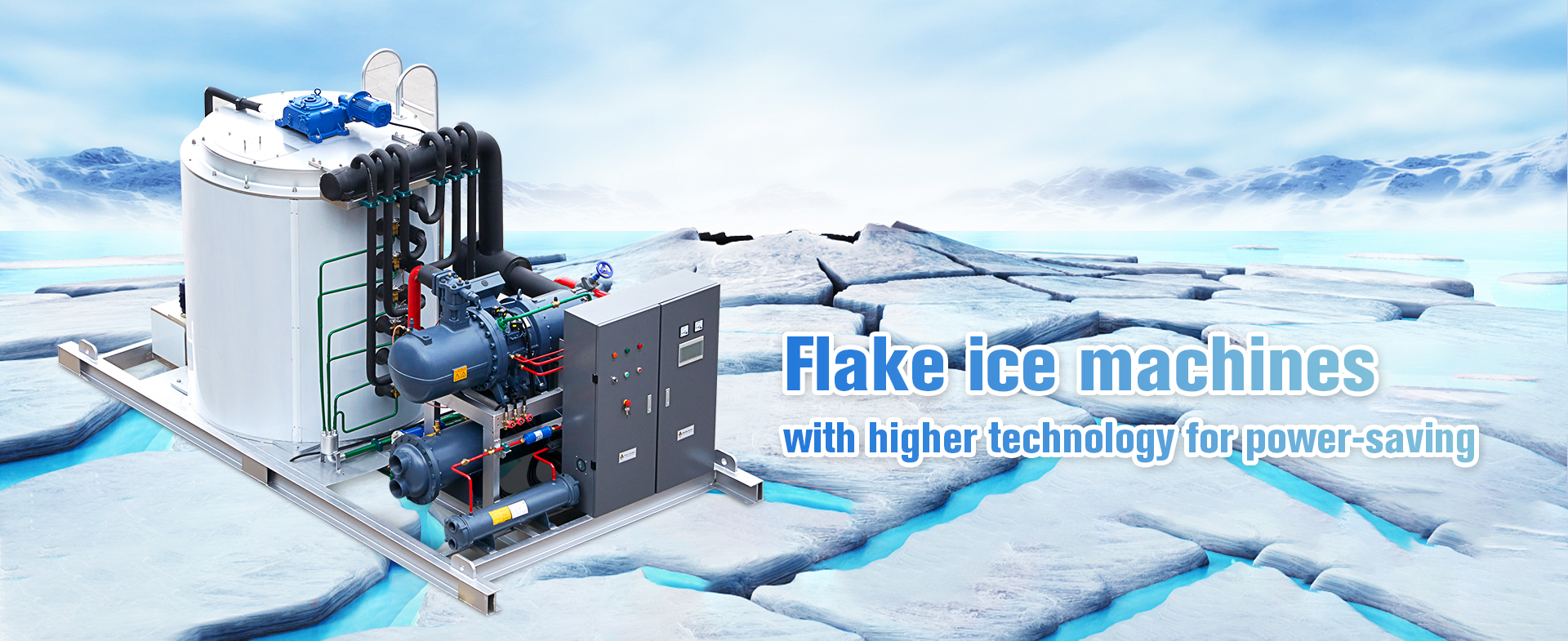


Picking the right flake ice machine with a bin isn’t just about comparing output rates and price tags. If you’re buying from overseas—or selling to buyers around the world—you’ve got to look at the ice texture, how much storage you actually need, cooling performance, how easy it is to clean and access for sanitation, energy use, and whether there’s decent local service support. A machine that’s great in a seafood market? It might struggle in a bakery, a lab, or a supermarket.
Dr. Michael Bell, a refrigeration engineer who’s spent more than twenty years advising on commercial ice equipment projects, puts it simply: “Reliable flake ice starts with matching machine capacity to the buyer’s real operating conditions.” That idea shaped this review. We look at each model through practical stuff—bin insulation, drainage design, how the evaporator is built, control systems, and how consistent daily production is. Those details really matter when ice needs to stay loose, cold, and easy to scoop or handle during busy shifts.
Below, we highlight ten flake ice machine with bin types for international buyers. Some are compact units for tight spaces; others are larger systems built for continuous commercial demand. Your installation climate, water quality, voltage, and maintenance skills can all shift the final call. Price alone won’t get you there.
Sure, some specs can look impressive on paper. But they still need checking. Manufacturer data doesn’t always match what happens in the field. Before ordering, ask for test conditions, warranty terms, spare-parts availability, and documented certifications. This isn’t meant to be a perfect ranking. Think of it more as a practical starting point—one that helps you ask better questions, make clearer comparisons, and avoid a few costly surprises.
Top 10 Flake Ice Machine With Bin Types for Global Buyers
Flake ice machines produce thin, dry ice pieces with a rough surface. Unlike cube ice, flake ice spreads easily around products. It reduces pressure on delicate food during storage and transport. It is not magic. The machine still depends on clean water, stable power, and suitable ambient conditions.
Inside the evaporator, water forms a thin film over a chilled vertical drum. A refrigeration system removes heat from the drum surface. The frozen layer becomes brittle as it grows. A rotating scraper then removes the ice continuously. These small flakes fall into a storage bin or a connected handling system. Some models use integrated bins, while others work with separate insulated bins for larger operations.
Seafood processors use flake ice to protect fish during landing, sorting, and display. Meat plants use it for temporary cooling during preparation. Bakeries may control dough temperature with carefully measured ice. Concrete producers also use flake ice when hot weather threatens mixture quality. In practice, output often falls below the brochure figure. Warm rooms, blocked condensers, poor water filtration, and frequent door opening can reduce production. I have found that bin insulation is often overlooked, although melting ice creates avoidable water and hygiene problems. Buyers should check daily capacity, ice thickness, cleaning access, refrigerant requirements, and local electrical standards. A clear maintenance plan matters as much as machine capacity.
Flake ice is thin, irregular ice produced by freezing water on a refrigerated drum and scraping it off with a blade. Its large surface area and low storage temperature make it suitable for seafood, food display, produce transport, and concrete cooling. The values below are representative engineering ranges; exact thickness depends on the machine design and operating conditions.
Bin design directly affects ice storage, handling, and daily output. An open-top bin allows quick scooping, but warm air enters whenever the lid stays open. An insulated, sealed bin protects flake texture longer. This matters in seafood handling. FAO’s State of World Fisheries and Aquaculture 2024 reported 185.4 million tonnes of aquatic animals produced in 2022. Even small melting losses can become expensive across busy markets.
Capacity must match the machine’s real production rate, not its advertised peak. A 500-kilogram bin may support overnight storage, but only if insulation slows drainage and the floor remains clean. Mobile bins improve handling near sorting tables. Fixed bins suit continuous packing lines. Choose carefully. Too small a bin causes overflow and interrupted production. Too large a bin may hold old, compacted ice that operators overlook.
Bin outlets also shape labor costs. Wide doors release ice quickly, while narrow chutes reduce splashing but may clog with wet flakes. The 2022 FDA Food Code recommends holding cold food at 5°C or below, so ice contact and drainage need regular checks. UNEP’s 2023 Global Cooling Watch warns that cooling demand could more than triple by 2050. Energy use deserves attention, even for ice storage. In practice, operators sometimes select the biggest bin available. That choice is not always efficient. Temperature logs, meltwater checks, and actual daily demand should guide the final decision.
When comparing the top ten flake ice machines, production capacity deserves close attention. A rated output of 1,000 kilograms per day may change under warm ambient conditions. Check performance at your actual water temperature and room temperature. Do not compare headline figures alone.
Bin type also affects daily operation. An integrated insulated bin saves floor space but may limit storage volume. A separate cart bin supports flexible handling and easier cleaning. Useful specifications include bin capacity, insulation thickness, drainage design, and access height. A practical test is simple. Can one worker remove ice without lifting awkwardly? Look for stainless steel contact surfaces, washable panels, and clear sanitation instructions. Water filtration compatibility matters where mineral content is high. Scale can reduce output and increase maintenance.
Electrical and cooling details require equal care. Verify voltage, phase, frequency, refrigerant type, power input, and heat rejection. A machine suitable for 50 Hz service may need a different configuration for 60 Hz markets. Confirm local certification requirements before purchase. Compare compressor protection, fault alarms, ice thickness control, and restart behavior after power loss. Noise level is important near processing rooms. Energy use per kilogram gives a fairer comparison than motor size. I would also request service intervals and spare-part availability in writing. Catalog data can look precise, yet installation conditions often expose gaps. Allow space for ventilation, drainage, and future maintenance.
Top 10 Flake Ice Machines With Bin Types for Global Buyers
Flake ice machines vary widely by bin design and working environment. Integrated storage bins suit seafood counters, where ice must remain close to fresh fish. Undercounter bins fit restaurants with limited space. Wheeled bins support catering teams, markets, and temporary service areas. Their sealed lids reduce contamination during movement, although rough floors can damage casters.
Large vertical bins serve seafood processors and distribution centers. Split-compartment bins help separate products during handling. Hopper bins feed flake ice into food production lines with fewer manual transfers. Drainable stainless steel bins work well in produce packing rooms, where meltwater must leave quickly. In my site assessments, floor drainage is often overlooked.
Supermarket-ready machines commonly use modular bins beneath display counters. These designs match daily demand and simplify cleaning. Compact countertop bins support bars, hotels, and small kitchens. Insulated mobile bins are useful for outdoor service, but they need shade and frequent temperature checks. No design is perfect.
For food-contact areas, buyers should verify stainless steel quality, smooth welds, removable panels, and accessible drains. Bin insulation affects ice retention, especially in warm climates. Operators should also check door width, power stability, water quality, and service access before ordering. A larger bin may look efficient, yet unused capacity can increase cleaning work and waste floor space. Experienced buyers compare actual hourly demand with storage volume, not appearance alone.
Typical commercial configuration ranges based on common flake ice equipment categories; actual performance depends on ambient temperature, water temperature, refrigerant system, and operating conditions.
| Rank | Flake Ice Machine Type | Bin Design | Typical Ice Output (kg/24 h) |
Typical Bin Capacity (kg) |
Recommended Application | Installation Format | Main Selection Advantage |
|---|---|---|---|---|---|---|---|
| 1 | Countertop Flake Ice Machine | Integrated compact storage bin | 20–60 | 5–20 | Small seafood counters, cafés, laboratory use, and food displays | Countertop; water-cooled or air-cooled options | Low footprint and simple installation where daily ice demand is limited |
| 2 | Undercounter Flake Ice Machine | Built-in insulated bin with front access | 50–150 | 15–45 | Restaurants, bars, small supermarkets, and medical facilities | Under-counter or compact floor installation | Combines ice production and storage in one space-saving cabinet |
| 3 | Self-Contained Floor Flake Ice Machine | Integrated floor bin with insulated walls | 150–350 | 50–150 | Medium restaurants, fish markets, catering kitchens, and grocery stores | Standalone floor unit with integrated refrigeration system | Balanced output, storage, and installation cost for general commercial use |
| 4 | Modular Flake Ice Machine with Standard Bin | Separate insulated storage bin below the ice head | 300–1,000 | 150–600 | Hotels, supermarkets, seafood wholesalers, and distribution kitchens | Ice-making head mounted on a separately selected bin | Allows buyers to match production capacity with the required storage volume |
| 5 | Large Modular Flake Ice Machine with High-Capacity Bin | Large insulated bin with wide top loading and discharge access | 1,000–3,000 | 500–1,500 | Central food distribution, large seafood processing, and industrial cooling | Modular ice head with independent floor bin | High daily production and large reserve capacity for demanding operations |
| 6 | Remote-Condenser Flake Ice Machine | Separate bin with remote refrigeration condenser | 500–2,000 | 300–1,000 | Hot-climate processing plants, cold rooms, and production areas with ventilation limits | Ice head and bin indoors; condenser installed in a remote ventilated location | Reduces heat and noise released into the ice production room |
| 7 | Mobile Flake Ice Machine with Transport Bin | Removable insulated bin or wheeled ice trolley | 100–400 | 80–300 | Seasonal seafood markets, events, mobile food operations, and loading areas | Fixed ice maker paired with a movable storage and transport container | Improves handling efficiency when ice must be moved between work zones |
| 8 | Marine-Grade Flake Ice Machine | Compact stainless-steel bin with corrosion-resistant fittings | 100–500 | 50–250 | Fishing vessels, dockside operations, aquaculture, and coastal seafood handling | Compact marine or shore-based installation with corrosion-resistant construction | Better suited to humid, salty, and washdown-heavy environments |
| 9 | Hygienic Food-Processing Flake Ice Machine | Fully insulated stainless-steel bin with sanitary drainage | 500–2,000 | 300–1,200 | Meat and poultry processing, dairy production, bakeries, and prepared foods | Sanitary floor installation with washable surfaces and controlled ice transfer | Supports hygienic handling, temperature control, and frequent cleaning routines |
| 10 | Industrial Fishery Flake Ice Machine | Extra-large insulated bin, silo, or conveyor-fed storage system | 2,000–5,000+ | 1,000–3,000+ | Large fishing ports, seafood factories, ice distribution centers, and long-term storage operations | Industrial modular system connected to large storage or automated conveying equipment | Designed for continuous production, automated handling, and high-volume cold-chain logistics |
For global buyers comparing the top 10 flake ice machines with bins, installation details deserve equal attention.
The unit needs a level floor, stable drainage, adequate airflow, and service clearance. Poor ventilation can raise condenser temperature and increase electricity use.
The U.S. Environmental Protection Agency’s Commercial Ice Machines Specification, Version 3.0, indicates that qualified machines use at least 10% less energy and 20% less water than standard models. However, laboratory ratings may not reflect tropical rooms, high dust, or unstable voltage.
Water quality directly affects ice appearance, taste, and maintenance intervals.
WHO’s Guidelines for Drinking-water Quality identify microbial safety as the highest priority, while hardness and sediment can accelerate scale formation. A prefilter may help, but it cannot correct unsafe source water.
Installers should test hardness, chlorine, turbidity, and pressure before commissioning. Flake ice also needs a clean, insulated bin with reliable drainage.
Small errors remain common. A blocked drain can turn a clean installation into a hygiene concern.
Tips:
Keep the bin away from heat sources.
Check water filters monthly.
Clean food-contact surfaces according to the service manual.
Sanitize after long shutdowns.
Record water readings and cleaning dates.
The U.S. Department of Energy and industry test procedures measure energy under controlled conditions, so buyers should request site-specific estimates. Real performance can disappoint without seasonal testing, especially where water temperature changes sharply.
When comparing the top 10 flake ice machines with bin types, global buyers should examine compliance before capacity. Confirm electrical ratings, food-contact materials, sanitation design, and refrigerant requirements for the destination. Certificates alone may not prove complete suitability. Ask for test reports, wiring diagrams, and installation conditions.
Shipping details can change the real purchase price. Check crate dimensions, gross weight, loading method, and agreed Incoterms before payment. A machine may fit the bin volume but exceed a small truck’s axle limit. Sea freight needs moisture protection, while long inland delivery requires stronger packaging. Voltage and frequency mismatches are expensive to correct. Do not overlook drain connections and local water quality.
Service capability often separates a reliable machine from a difficult import. Request response times, remote troubleshooting procedures, spare-parts lists, and technician training records. Common replacements should be available near the operating market. Total cost includes energy, water treatment, labor, filters, cleaning, downtime, and disposal fees. A cheaper quotation can become costly after one compressor failure. I have found that buyers sometimes compare ice output but ignore seasonal performance. That is an imperfect method. Ask for tested production data at realistic ambient temperatures, not only ideal laboratory conditions. A clear warranty should define parts, labor, transport, and exclusions in plain language.
An open-top bin allows fast scooping but admits warm air. An insulated, sealed bin protects texture longer. It usually reduces melting and drainage.
Match capacity with actual daily production, not the advertised peak. A 500-kilogram bin may support overnight storage. It needs insulation, drainage, and regular cleaning.
Ice may overflow during busy periods. Production can stop while operators clear the bin. That creates avoidable labor and hygiene problems.
Yes. Old flakes may compact at the bottom and remain unnoticed. Bigger is not always better. Review daily demand before choosing maximum capacity.
Mobile bins help near sorting tables and packing stations. Fixed bins suit continuous production lines. The best choice depends on movement, floor space, and workflow.
Wide doors release ice quickly but may increase splashing. Narrow chutes control flow but can clog with wet flakes. Operators should inspect outlets during busy shifts.
Use a level floor, reliable drainage, and enough service clearance. Keep the bin away from heat sources. Poor airflow can raise condenser temperature and energy use.
Hard water and sediment can create scale and shorten cleaning intervals. Test hardness, chlorine, turbidity, and pressure before startup. A prefilter helps, but unsafe water remains unsafe.
Check filters monthly and inspect drainage frequently. Clean food-contact surfaces as directed. Sanitize after long shutdowns. Record cleaning dates and water readings.
Request site-specific estimates and test during different seasons. Laboratory results may not match dusty rooms or unstable voltage. I would not trust peak ratings alone.
This guide explains how flake ice machines produce thin, dry, easily moldable ice and why they are widely used in seafood handling, food processing, healthcare, hospitality, and temperature-sensitive logistics. It examines how a Flake Ice Machine With Bin combines ice production and storage, while different bin designs influence capacity, insulation, handling efficiency, hygiene, and daily output. Buyers will also learn how to compare the top ten machines by evaluating production capacity, storage volume, ice quality, dimensions, controls, water consumption, energy efficiency, and ease of maintenance.
The article further reviews installation conditions, water quality requirements, cleaning routines, ventilation, and service access. For international purchasers, it highlights practical buying factors such as electrical standards, certifications, packaging, shipping space, import documentation, spare parts availability, technical support, warranty coverage, and total ownership cost. This structured approach helps global buyers select a reliable machine that matches their application, operating environment, budget, and long-term ice storage needs.