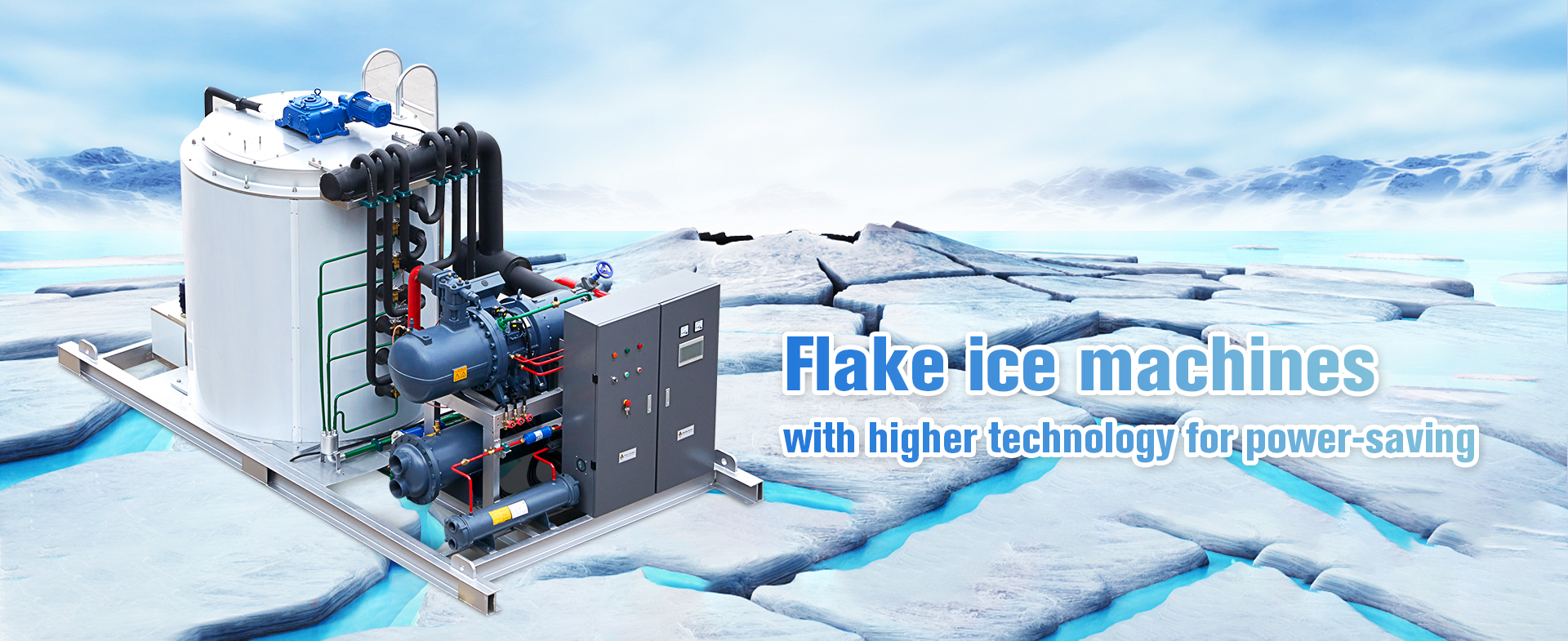
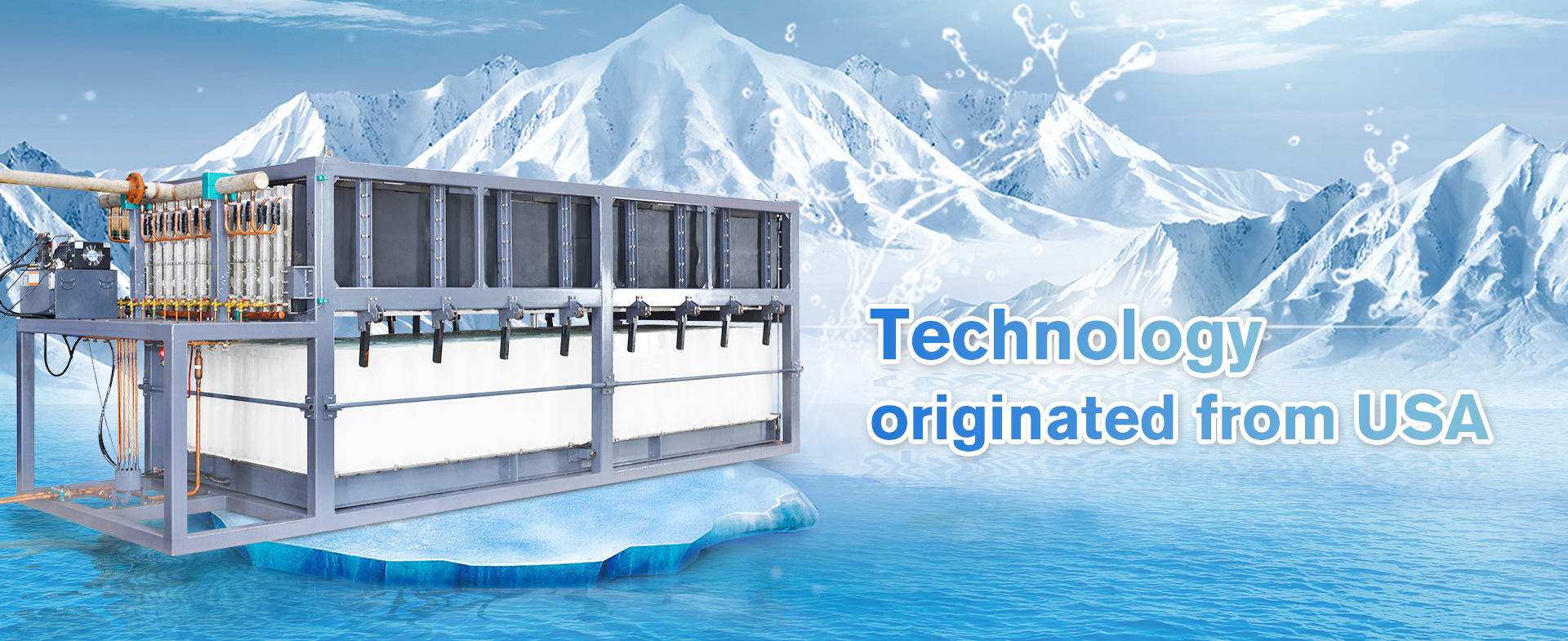

Picking a tube ice maker machine in 2026 isn't just about comparing production numbers. The right one has to fit your water quality, your climate, your operating schedule, and how you'll deliver the ice. A machine that says it can crank out 10 tons a day might struggle in a hot workshop with shaky power. That's the kind of detail people miss all the time.
Lars Nielsen, a refrigeration engineer at Focusun Ice, puts it simply: 'A dependable ice maker is chosen by working conditions, not by brochure capacity.' That's a practical way to look at it. Buyers should check the condenser type, refrigerant system, evaporator material, cleaning access, and control tech. Stainless steel contact surfaces can help with hygiene. Automated monitoring can cut down unexpected shutdowns. And energy data? Check it under realistic ambient temperatures, not just ideal lab conditions.
Don't get stuck on the headline output.
Experienced operators also look at tube diameter, melting speed, ice clarity, and whether the ice works with their packaging. These things affect seafood storage, drinks service, concrete cooling, and distribution costs. A bigger machine isn't automatically a better investment. It may need stronger electrical infrastructure, more cooling water, and a bigger maintenance area.
Some choices are never perfect. Supplier promises can sound precise, but actual performance shifts on humid summer nights. I'd ask for operating records, warranty terms, spare-parts availability, and a live demo before approving anything. And ask who will service the machine after installation. That answer often tells you more than a polished sales pitch.
This guide walks through how to compare a tube ice maker machine by capacity, efficiency, durability, sanitation, automation, and total ownership cost. It also points out practical warning signs that brochures may leave out.
Start by defining the tube size your customers actually use. Tube diameters from 22 to 50 mm suit different cooling, display, and food-service needs. Smaller tubes cool drinks quickly and fit narrow packaging. Larger tubes melt more slowly and may serve seafood transport or bulk cooling.
Do not choose by diameter alone. Check tube length, wall thickness, hole size, and daily demand. These details affect storage space, transport weight, and melting performance.
Output requirements can range from 1 to 100 tonnes per day. A small shop may need only 1–5 tonnes daily, while a distribution facility may require 50 tonnes or more. Rated capacity often assumes specific water and air temperatures. Real production can fall during hot afternoons. This is where many purchase plans become too optimistic.
Review seasonal demand, available floor space, electrical capacity, cooling water, and ice storage. A machine with excessive output may waste energy and remain underused.
Tips: Request test data for your target tube size. Confirm production at your local ambient temperature. Ask about cleaning access and water filtration. Measure the delivery route before ordering. A narrow doorway can become an expensive problem. Also compare maintenance intervals, spare-part access, noise levels, and safety protections. The cheapest machine may not be the lowest-cost choice after installation and downtime.
Choosing a tube ice maker starts with demand, not the machine’s advertised maximum. Measure daily ice use for at least two typical weeks. Record sales, delivery orders, storage losses, and melting during transport. My first estimate was too optimistic. I ignored weekend spikes and a warm loading area. That mistake was expensive.
Calculate average daily demand, then add a 20% peak-season reserve. For example, 500 kilograms of daily demand requires 600 kilograms of capacity. This reserve protects service when temperatures rise or orders arrive together. Do not treat it as permanent overproduction. Unused ice still consumes energy, storage space, and cleaning time. Check whether stated output assumes ideal water temperature and room conditions. Real production may fall during hot afternoons. Ask for verified capacity data under conditions similar to your site.
Size the storage bin and delivery schedule with equal care. A large maker cannot solve a small freezer or delayed collection. Leave room around the unit for airflow, inspection, and safe sanitation. Review water quality, power stability, and maintenance access before ordering. Keep production records after installation. Compare actual output with forecasts every month. If the reserve remains untouched, adjust operations carefully, rather than immediately buying less capacity. Demand changes, and my own forecasts have been wrong before.
Size Production: Cover Daily Demand Plus a 20% Peak-Season Reserve
The recommended machine capacity is calculated as average daily ice demand × 1.20. This reserve helps cover hotter weather, holidays, delivery delays, and short-term demand spikes without requiring continuous operation at maximum output.
A tube ice maker should be judged by measured output, not brochure capacity. Check electricity use in kWh per ton of finished ice. Request test data from a full production cycle, including freezing, harvesting, and cleaning. A low kWh/t figure is useful only when the ice weight is verified.
Water use deserves equal attention. Compare liters of freshwater per ton, including purge water and rejected meltwater. Some systems appear efficient because they exclude water used during cooling or cleaning.
Test results should state ambient temperature, inlet water temperature, ice size, and production time. COP also matters, but only under load. A high COP at light demand may fall sharply in a hot room. Measure it during continuous operation, near the machine’s rated capacity.
Tips: Ask for two operating tests, not one. Record power, water flow, ice weight, and room temperature. A simple plug meter and flow meter can reveal expensive gaps. Inspect the first and last batches. They may differ.
Do not chase the lowest number blindly. A slightly higher kWh/t figure may reflect stronger sanitation cycles or faster harvesting. That trade-off can be reasonable, but it must be visible. Efficiency claims without operating conditions deserve careful questions.
Choosing a tube ice maker in 2026 requires more than checking daily ice production. Refrigerant selection deserves equal attention. R290, or propane, has a global warming potential of about 3. R404A has a GWP near 3,922. That difference affects environmental reporting, future compliance planning, and long-term operating decisions.
R290 can support lower climate impact, but it is flammable. The machine needs correctly designed electrical parts, ventilation, charge limits, warning labels, and trained servicing. R404A is familiar to many technicians, yet its very high GWP may create future replacement pressure.
These refrigerants are not interchangeable. A conversion requires engineering review, compatible components, correct oil, pressure checks, and safety testing. A careless retrofit can reduce capacity or damage the compressor.
Tips:
Ask for the refrigerant type, charge amount, cooling capacity, and certified safety documentation. Compare ice output at your real ambient temperature, not only laboratory conditions. Check water filtration, cleaning access, condenser airflow, and spare-part availability. Leave space around the condenser; a dusty, blocked unit may consume more power. I have seen specifications look excellent until summer heat exposed weak airflow design. That is an easy detail to miss. Also confirm who can service R290 equipment locally. A low-GWP refrigerant is valuable, but safe installation and dependable maintenance matter just as much.
When choosing a tube ice maker in 2026, hygiene deserves the same attention as capacity and energy use. NSF/ANSI 12 can help verify that ice-making equipment meets recognized sanitation and construction requirements. Ask for a current certificate, not a sales image. Check the exact model, production site, and certification scope. A certificate for one configuration may not cover every option. Small detail. Big consequence.
Review the machine through a HACCP lens. Map hazards from incoming water to storage, dispensing, and final handling. Look for smooth, corrosion-resistant contact surfaces, accessible tubing, protected drains, and minimal dead spaces. Water filters, UV units, or disinfecting cycles can support control, but they do not replace cleaning. Request sanitation instructions with chemical concentrations, contact times, and safe rinse procedures. During a site visit, open panels and inspect hidden moisture. That is where brochures become less convincing.
ISO 22000 adds a broader food safety management framework, linking prerequisite programs, hazard analysis, traceability, corrective action, and staff responsibilities. Ask whether the supplier’s system covers manufacturing, installation support, and after-sales service. An audit certificate alone is not proof that your daily operation is hygienic. Keep water-test results, cleaning logs, temperature checks, and repair records. I would also verify ice-contact materials independently when documents seem vague. Paperwork can be incomplete. That should trigger questions, not automatic rejection.
| Verification Dimension | What to Check on a Tube Ice Maker | Relevant Hygiene Framework | Acceptable Evidence | Recommended Evaluation |
|---|---|---|---|---|
| Product-contact materials | Water and ice-contact parts should use materials suitable for food contact, resist corrosion, and avoid transferring harmful substances, odors, or flavors. | NSF/ANSI 12; applicable food-contact material rules in the installation jurisdiction. | Current third-party certification or conformity documentation covering the complete ice-making assembly, not only individual components. | Must verify |
| Cleanability and hygienic design | Prefer smooth, accessible, non-absorbent surfaces with minimal crevices, dead legs, exposed threads, and areas where biofilm or scale can accumulate. | NSF/ANSI 12; HACCP prerequisite programs. | Product drawings, sanitation access points, cleaning demonstration, and documented cleaning instructions. | Must verify |
| Potable water supply | Connect the machine only to water that meets local potable-water requirements. Confirm inlet filtration, pressure, temperature, and water-treatment compatibility. | HACCP prerequisite program; local plumbing and public-health requirements. | Installation manual, water-quality specifications, plumbing diagram, and site water test where required. | Site dependent |
| Backflow prevention | Confirm the water connection and drain arrangement prevent contaminated water from returning to the potable-water supply. | Local plumbing code; HACCP hazard-control procedures. | Approved air gap or backflow-prevention arrangement shown in the installation documentation and verified during commissioning. | Must verify |
| Drainage and standing water | The evaporator, bin, drain pan, and tubing should drain effectively without persistent pooling, overflow, or condensate contact with ice. | NSF/ANSI 12; local plumbing and sanitation requirements. | Drain schematic, installation test, inspection of drain slope, and documented corrective-action procedure. | Must verify |
| Ice bin and dispensing area | The storage bin, door, gasket, scoop holder, and dispensing chute should protect ice from hands, splash, dust, pests, and non-food-contact surfaces. | NSF/ANSI 12; HACCP prerequisite programs; local food code. | Hygienic-design inspection, food-contact certification scope, and operating instructions for scoop storage and handling. | Must verify |
| Cleaning and sanitizing procedure | Choose equipment with clear procedures for disassembly, descaling, detergent cleaning, rinsing, sanitizing, reassembly, and post-cleaning inspection. | HACCP prerequisite programs; ISO 22000 operational prerequisite programs. | Written sanitation standard operating procedure, chemical compatibility data, contact times, responsible personnel, and records template. | Must verify |
| Cleaning frequency and triggers | The sanitation plan should define routine frequency and additional cleaning after extended shutdowns, contamination events, abnormal odor, visible scale, or microbiological findings. | HACCP monitoring and corrective-action principles; ISO 22000 documented information. | Approved sanitation schedule, signed logs, deviation records, and verification results. | Must verify |
| HACCP hazard analysis | Assess biological, chemical, and physical hazards from water, equipment surfaces, lubricants, cleaning chemicals, metal fragments, personnel, storage, and distribution. | HACCP seven principles. | A site-specific flow diagram, hazard analysis, control measures, monitoring plan, corrective actions, verification, and recordkeeping. | Required by plan |
| Critical control points and limits | Do not assume the machine itself has a universal CCP. Determine whether water treatment, sanitation, storage temperature, or another step is a CCP in the facility’s process. | HACCP Principle 2 and Principle 3. | Documented scientific or regulatory basis for each critical limit and defined monitoring responsibility. | Process specific |
| ISO 22000 integration | Confirm that the machine can be incorporated into the organization’s food-safety management system, including documented controls, communication, competence, and continual improvement. | ISO 22000:2018. | A certified organization’s ISO 22000 scope, internal procedures, supplier evaluation, training records, audit results, and improvement actions. | Organization level |
| Microbiological verification | Use risk-based swabbing or water and ice testing when justified by the hazard analysis, local rules, complaints, deviations, or trend results. | HACCP verification; ISO 22000 validation and verification activities. | Sampling plan, laboratory methods, results, trend review, and documented corrective action. Testing does not replace hygienic design or sanitation. | Risk based |
| Certification scope and validity | Check whether certification applies to the exact model, configuration, ice-contact components, and intended use. Confirm certificate status and expiry. | NSF/ANSI 12 certification; ISO 22000 certification where applicable. | Certificate or listing from an appropriately accredited certification body, with scope, model coverage, and current status. | Must verify |
| Training and records | Operators should be trained in hand hygiene, scoop handling, cleaning chemicals, lockout or isolation procedures, inspection, and escalation of abnormalities. | HACCP prerequisite programs; ISO 22000 competence and documented information requirements. | Training matrix, attendance records, competency checks, sanitation logs, maintenance records, and corrective-action reports. | Must verify |
| Final purchase decision | Select the machine only after reviewing hygiene certification, installation conditions, cleanability, sanitation cost, service access, spare parts, and the facility’s food-safety plan. | Combined NSF/ANSI 12, HACCP, ISO 22000, and local regulatory review. | Completed supplier questionnaire, technical file, site acceptance checklist, commissioning report, and approved preventive-maintenance plan. | Approve only when complete |
Important: NSF/ANSI 12 is a product standard for automatic ice-making equipment, while HACCP and ISO 22000 are food-safety management frameworks applied to the organization and its process. Certification or compliance should be confirmed for the specific model, installation, operating conditions, and jurisdiction.
A tube ice maker should fit your building services, not merely your production target. Confirm 220–240 V, three-phase power with a qualified electrician before ordering. Check the local frequency, breaker capacity, grounding, and cable size. The machine may start smoothly during testing, yet overload a weak circuit later. Measure startup current, not only the rating plate value. Leave an accessible isolation switch nearby.
Drainage deserves equal attention. Melting ice, cleaning water, and condenser discharge need a reliable route. Use a floor drain with enough capacity and a visible slope. Avoid long, flat hoses that quietly collect sediment. I once saw a new installation delayed because the drain sat 30 millimeters too high. A small detail. Verify the drain position from the machine drawing.
Ventilation controls operating stability. Ice makers reject heat into the room, especially air-cooled models. Provide clear space around air inlets and outlets. Do not place the unit beside an oven, boiler, or sun-heated wall. Measure room temperature during the hottest working period. A cool morning check can be misleading. If the room becomes hot, output may fall and electrical components may work harder. Review airflow with the installer, then record the final measurements for future maintenance.
Purchase price is only the opening line. Build a ten-year cost model before comparing machines. Record expected ice output, operating hours, electricity rate, water use, labor, and seasonal demand. A unit drawing 8 kW for 7,200 hours yearly uses about 57,600 kWh. At $0.15 per kWh, electricity alone reaches $8,640 annually. Real workloads may be lower. Do not trust a perfect brochure schedule.
Ask for tested production data at your actual water temperature and room temperature. Small efficiency losses become expensive over ten years. Include cleaning chemicals, filters, refrigerant checks, pump repairs, and technician travel. Service contracts can look costly, yet one emergency visit may cost more. Check response times and parts availability in writing. Reliability has a price.
Model replacement risk as well. A compressor, control board, or condenser fan may fail before year ten. I once underestimated maintenance because I counted parts but ignored production downtime. That mistake changed the preferred model. Add lost margin for each outage day, then test low, normal, and high-use scenarios. Apply a modest annual energy-price increase, but avoid dramatic assumptions. Compare total cost per kilogram of ice, not just the invoice. A cheaper machine can become expensive when its output falls, cleaning takes longer, or replacement arrives early. Keep the spreadsheet editable. Your operating pattern will change.
The tube ice market is gaining attention as food service, beverage preparation, seafood handling, and cold-chain distribution continue to demand clean, visually appealing, and easy-to-manage ice. Recent market research reports indicate that buyers are increasingly evaluating equipment through production capacity, energy efficiency, hygiene, operating stability, and maintenance requirements. A 15-ton-per-day tube ice machine is well suited to medium- and large-scale commercial operations that require a consistent supply of ice throughout the day.
Tube ice is recognized by its hollow center, irregular length, and transparent, rounded appearance. Typical inner diameters range from 5 to 15 mm, with lengths of approximately 25 to 42 mm and outer diameters commonly available in sizes such as 22, 28, and 35 mm. These options allow users to select ice according to beverage presentation, cooling speed, storage conditions, and handling preferences. The smooth surface and attractive shape make tube ice suitable for mixed drinks, chilled beverages, retail display, decoration, and food preservation.
For businesses planning capacity expansion, a 15-ton-per-day system can support continuous production while reducing dependence on purchased ice and improving supply control during peak periods. Practical purchasing considerations include food-grade materials, automated operation, efficient water circulation, convenient cleaning access, dependable refrigeration components, and compatibility with storage and packaging systems. Its flexible application range makes tube ice equipment a practical choice for beverage outlets, hospitality facilities, food distributors, seafood markets, and regional ice suppliers.
Tube diameters commonly range from 22 to 50 millimeters. Smaller tubes cool drinks quickly and fit narrow packaging. Larger tubes melt more slowly for bulk cooling. Check tube length, wall thickness, and center-hole size too.
Small shops may need 1–5 tonnes daily. Distribution facilities may require 50 tonnes or more. Estimate seasonal demand before selecting rated capacity. More output is not always better.
Not necessarily. Rated capacity often uses specific water and air temperatures. Hot afternoons can reduce production. Request test data at your local conditions. Summer changes things.
Confirm floor space, electrical capacity, cooling water, ventilation, and storage space. Measure doors, hallways, elevators, and delivery routes. A narrow doorway can delay installation and increase costs. Measure everything.
Ask for refrigerant type, charge amount, cooling capacity, and safety documents. Low-impact refrigerants can reduce climate-related concerns. Some options are flammable and require suitable components, ventilation, and trained service. Never assume refrigerants are interchangeable.
Include electricity, water, filters, cleaning chemicals, labor, repairs, and technician travel. For example, 8 kilowatts running 7,200 hours uses about 57,600 kilowatt-hours yearly. At $0.15 per kilowatt-hour, electricity costs about $8,640 annually. Use actual operating hours.
Yes. Include compressors, control boards, fans, pumps, and possible replacement costs. Also calculate lost margin during outage days. I once ignored downtime and underestimated total maintenance costs. That changed my preferred option.
Compare total cost per kilogram of ice, not only the purchase invoice. Use low, normal, and high-use scenarios. Check production, energy use, cleaning time, spare parts, noise, and service response. Keep the spreadsheet editable.
Choosing the right tube ice maker machine in 2026 starts with matching the equipment to your operation. Define the required tube diameter, typically 22–50 mm, and select a production capacity from 1 to 100 tons per day. Size the system for normal demand while reserving about 20% additional capacity for peak seasons. During evaluation, compare energy consumption in kWh per ton, water usage, and coefficient of performance under realistic operating loads rather than relying only on laboratory figures.
Refrigerant selection also matters: lower-impact options such as R290 have a GWP of approximately 3, while R404A has a much higher GWP of about 3,922. Confirm that the machine can meet applicable hygiene expectations, including NSF/ANSI 12, HACCP, and ISO 22000-related requirements. Before purchase, verify 220–240 V three-phase power, adequate drainage, and proper ventilation. Finally, calculate the ten-year total cost, including energy, maintenance, service, and replacement parts, to identify the most economical and dependable solution.