
Picking the right tube ice machine design in 2026 isn't just about comparing how much ice they can produce. Honestly, a solid decision starts with understanding what you need the ice for, where it'll be used, and how much demand you've got daily. For example, clear tube ice is pretty popular for drinks, seafood displays, or food processing – but each of those uses might need different tube sizes, freezing speeds, hardness levels, and hygiene standards.
First off, focus on the actual conditions. Take note of how much ice you’re gonna need during your busiest hours, not just on average days. Check water temperature, ambient heat, available space, and whether you have good drainage. Keep in mind, a machine rated at 10 tons a day might not perform the same in a hot, poorly ventilated room. Little things like airflow around the condenser, the quality of the compressor, and insulation – they all matter and impact energy consumption. Those fancy touchscreen controls look cool, but sometimes simple alarms are way easier for staff to trust.
Also, think about service and maintenance. How quickly can technicians get to pumps, sensors, filters, or cutting parts if something breaks? Ask the manufacturer for documented testing results, info on materials that come into contact with food, and performance data. Make sure the design complies with your local safety standards and allows for easy cleaning. A good supplier should be upfront about maintenance schedules and not hide any limitations.
Look, no design is perfect. Bigger machines might be cheaper per unit but could be a pain to install or fit in your space. Smaller, compact models save room, but during peak seasons, they might struggle a bit. It’s all about honestly weighing those trade-offs. When comparing, check verified output, power use, warranty coverage, availability of spare parts, and how comfortable your staff is with operating it. At the end of the day, the best tube ice machine isn’t necessarily the most high-tech one—it’s the one that keeps the ice flowing smoothly, operates safely, is easy to maintain, and fits your conditions and budget comfortably.
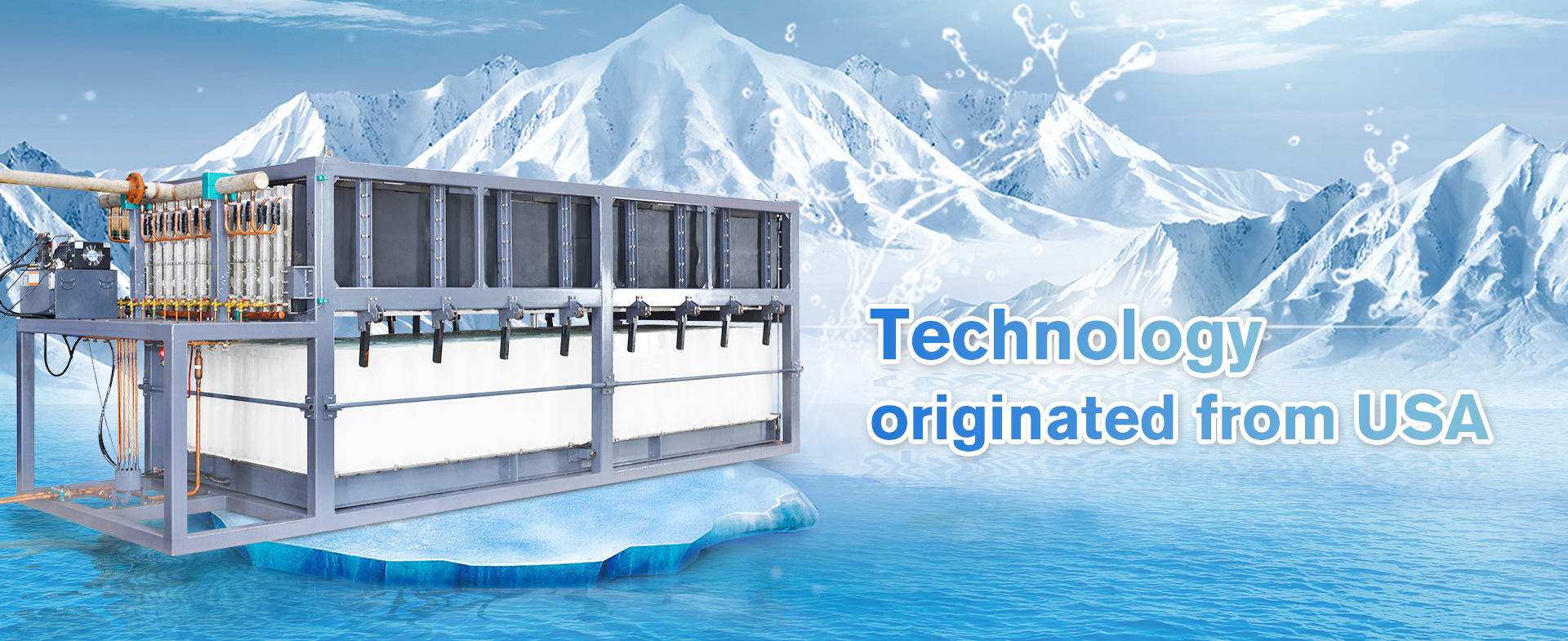
Tube ice forms inside vertical stainless-steel tubes while refrigerant removes heat from the outer surface. Water circulates continuously, leaving a clear, hollow cylinder as freezing progresses. A timed hot-gas cycle then warms the tube wall slightly. The ice releases and drops into the storage bin. This process creates slower melting and strong cooling performance, useful for seafood, beverages, and food transport.
Design selection should begin with operating conditions, not catalog capacity. The International Institute of Refrigeration estimates refrigeration consumes about 17% of global electricity. Therefore, compressor efficiency, condenser airflow, and harvest control deserve close attention. ENERGY STAR evaluates commercial ice machines using energy and water consumption per 100 pounds of ice. Those metrics reveal operating costs better than production claims alone.
Water quality changes everything. Hard water can coat heat-transfer surfaces, reduce output, and lengthen harvest time. A practical design needs accessible tubes, reliable filtration, and simple cleaning access. Ambient temperature also matters. A machine tested at 21°C may perform differently beside a hot kitchen wall. Small details matter.
One imperfect assumption is treating daily demand as constant. It rarely is. A smaller machine with storage capacity may operate efficiently during quiet hours, while an oversized unit can cycle poorly. Check peak demand, incoming water temperature, ventilation space, and local maintenance skills before choosing the tube diameter or refrigeration system.
Choosing the best tube ice machine design in 2026 starts with an honest estimate of daily ice demand. A busy seafood counter may use 350 kilograms daily, while a small café may need less than 80 kilograms. Record actual consumption for two weeks, including weekends and delivery days. Do not rely on guesswork alone. Measure real demand.
Peak-hour demand matters as much as total capacity. A machine producing 500 kilograms per day may still struggle during a four-hour afternoon rush. Calculate the busiest period, then check whether the storage bin can hold enough ice between production cycles. Add a practical buffer of 20 to 30 percent for hot weather, unexpected orders, and cleaning downtime. A neat spreadsheet can still lie. Customer traffic changes.
Tube diameter also affects melting speed, cooling performance, and handling. Larger tubes may suit beverage service, while smaller tubes can cool products faster. Review water temperature, available floor space, drainage, ventilation, and electrical supply before choosing a design. Poor ventilation can reduce output, even when the machine’s stated capacity looks impressive. I have seen operators oversize equipment and waste energy during quiet months. A better approach is to compare measured demand with seasonal growth, then select a design that can expand without running continuously at its limit. Keep maintenance access clear. Technicians need room to inspect filters, condensers, and ice-cutting components safely.
Choosing a tube ice machine in 2026 starts with the evaporator design, not the advertised daily output. Vertical tube systems freeze water around stainless-steel tubes and release ice through a controlled hot-gas cycle. The ice is usually clear, hard, and consistent in size. That suits seafood handling, concrete cooling, and bulk storage. Horizontal designs can simplify certain layouts, but they may require more floor space and careful water distribution. That detail matters.
Air-cooled condensers are easier to install because they avoid extra water circuits. However, hot production rooms can reduce efficiency and raise discharge temperatures. Water-cooled systems often perform more steadily in warm environments. They still need clean water, filtration, and reliable drainage. Evaporative cooling can lower energy use, but local water availability and maintenance demands may limit its value. The cheaper calculation can be misleading.
During commissioning, measure inlet water temperature, condenser pressure, harvest time, and actual ice thickness. Do not rely on brochures alone. A machine reaching full capacity in mild weather may struggle in July. Inspect tube access, spray nozzles, scale control, and refrigerant service points before purchase. Poor water treatment can slowly narrow the tubes and extend harvest cycles. I have found that maintenance access is often underestimated. No design is perfect. A slightly less compact machine may deliver better uptime when technicians can reach every critical part.
| Tube Ice Machine Design | Typical Ice Characteristics | Typical Capacity Range | Common Harvest Method | Recommended Cooling System | Main Advantages | Main Limitations | Best-Fit Applications |
|---|---|---|---|---|---|---|---|
| Vertical single-module tube evaporator | Clear, hard cylindrical ice with a central hole; commonly produced in approximately 22–50 mm outside diameters and cut into short sections. | Approximately 1–10 metric tons per 24 hours per module, depending on evaporator size and operating conditions. | Hot-gas defrost or warm-refrigerant release melts the bond between the ice tube and the evaporator surface. | Air-cooled or water-cooled condensing unit. | Compact footprint, straightforward construction, consistent cylindrical ice, and relatively simple maintenance. | Production is affected by high ambient temperature; air-cooled versions require adequate ventilation. | Restaurants, food processing, seafood displays, beverage service, and small to medium ice distributors. |
| Vertical multi-module tube evaporator | Uniform tube ice produced in parallel evaporator sections; the final ice length can be adjusted through the cutting cycle. | Approximately 10–60 metric tons per 24 hours using multiple modules and a centralized refrigeration system. | Sequential hot-gas defrost, usually with gravity discharge or mechanical assistance. | Water-cooled condenser for stable operation at high loads; air cooling is possible where ambient conditions are moderate. | Scalable capacity, easier production expansion, and better load matching than one oversized evaporator. | More valves, controls, piping, and defrost sequencing require qualified commissioning and service. | Wholesale ice production, distribution centers, seafood processing, and regional cold-chain operations. |
| Large-diameter tube design | Thicker, slower-melting cylindrical ice; larger internal holes reduce the ice mass compared with solid blocks of the same outside diameter. | Usually selected for medium and large systems, commonly from about 5–50 metric tons per 24 hours. | Hot-gas release followed by gravity discharge; cutting and discharge equipment must handle heavier pieces. | Water-cooled or evaporative condensing systems for high-capacity installations. | Longer holding time, good resistance to rapid melting, and strong visual appeal for display applications. | Longer freezing cycles and greater discharge loads; not ideal where rapid chilling or easy portioning is required. | Seafood packing, ice storage, premium beverage presentation, and transport with extended holding periods. |
| Small-diameter tube design | Smaller cylindrical pieces with a relatively high surface-area-to-mass ratio; they cool drinks quickly but melt faster than large tubes. | Commonly used in compact systems producing approximately 0.5–10 metric tons per 24 hours. | Short hot-gas defrost cycle with gravity discharge or a simple ice outlet. | Air-cooled condenser for moderate climates; water cooling is preferable in hot or space-constrained rooms. | Faster freezing response, compact equipment, and convenient sizing for retail or food-service demand. | Higher melt rate and potentially more frequent handling or replenishment during long service periods. | Bars, cafés, convenience stores, catering, and applications requiring rapid drink cooling. |
| Modular tube machine with separate storage bin | Standard tube ice discharged into an insulated bin; storage capacity is selected independently from the ice-making rate. | Approximately 0.5–20 metric tons per 24 hours, with storage commonly sized for several hours of peak demand. | Automatic hot-gas harvest and gravity drop into the storage bin. | Air-cooled for simple installation; water-cooled where heat rejection and noise must be controlled. | Separates production from dispensing demand, supports peak usage, and simplifies system expansion. | Requires additional floor space, bin sanitation, level controls, and regular cleaning. | Hotels, supermarkets, restaurants, healthcare facilities, and sites with fluctuating daily demand. |
| Air-cooled tube ice system | Tube ice quality is determined mainly by the evaporator and water treatment; the condenser rejects heat directly to surrounding air. | Common for small and medium capacities, generally up to about 20 metric tons per 24 hours depending on climate and equipment configuration. | Hot-gas defrost with automatic discharge. | Integrated air-cooled condenser with fans and finned heat-transfer coils. | No condenser water circuit, lower installation complexity, and no condenser-water consumption. | Performance and energy efficiency decline as outdoor or room temperature rises; fan noise and warm exhaust air must be managed. | Indoor commercial installations in temperate climates and locations with limited water availability. |
| Water-cooled tube ice system | Produces the same basic tube geometry as other evaporator designs while transferring condenser heat to a water circuit. | Suitable from compact commercial systems to large industrial installations, commonly above 5 metric tons per 24 hours. | Hot-gas defrost; condenser-water flow is normally controlled separately from the harvest cycle. | Shell-and-tube or plate heat exchanger connected to a once-through or recirculating water system. | Stable condensing temperature, lower air-side noise, and better suitability for hot ambient conditions. | Needs water supply, drainage, filtration, and scale control; water consumption depends on the condenser arrangement. | Industrial plants, hot climates, enclosed production rooms, and high-duty-cycle operations. |
| Evaporative-condenser tube ice system | Tube ice is formed in the evaporator as usual; condenser heat is rejected through combined water evaporation and airflow. | Most practical for medium and large installations with long operating hours and a reliable water-treatment program. | Automatic hot-gas harvest with centralized refrigeration controls. | Evaporative condenser with fan, spray-water pump, sump, bleed-off, and water-treatment controls. | Efficient heat rejection in warm weather and potentially lower condensing temperatures than dry air cooling. | Consumes water, requires regular cleaning and water treatment, and may be unsuitable where hygiene or water restrictions are severe. | Large-scale ice plants, warm regions, and facilities prioritizing high-duty-cycle thermal performance. |
A practical evaluation should begin with energy consumption, not the purchase price. Check the machine’s kilowatt-hours per kilogram of ice under realistic room temperatures. A unit tested in a cool showroom may perform differently beside a hot kitchen. Smaller compressors can reduce electricity use, but slow production may increase daily operating hours. That trade-off is easy to miss.
Water quality directly affects tube ice clarity, taste, and maintenance. Hard water can leave mineral scale inside the freezing tubes and reduce heat transfer. Ask for filtration requirements, drain frequency, and cleaning access before choosing a design. Transparent inspection points help operators notice sediment early. Filter replacement also adds a recurring cost. It should be included.
Operating costs include electricity, water, filters, labor, sanitation, and unplanned repairs. Field maintenance records often show that neglected condenser cleaning causes avoidable energy waste. A dusty condenser may make the machine run longer. Keep service panels accessible. Tube diameter matters, too, because thicker ice can require longer freezing cycles. I have seen buyers focus on output figures and overlook recovery time after cleaning. That choice can disrupt busy periods. A simple spreadsheet using local utility prices, production volume, and service intervals gives a more honest comparison. Some estimates will be imperfect. Update them after three months of real operation.
Choosing a tube ice machine in 2026 means examining the room before comparing production capacity. Measure door widths, ceiling height, drainage points, and service clearances. A machine that fits the floor may still block evaporator access or electrical isolation.
ASHRAE Standard 15-2022 and Standard 34 emphasize refrigerant safety, ventilation, and machinery-room controls. Confirm the refrigerant type, charge, leak detection, and emergency shutoff requirements with a qualified technician. BLS reported 2.4 recordable injury cases per 100 full-time private-industry workers in 2023. Poor access can make routine work riskier. Keep walkways dry. Keep panels removable.
Maintenance access is often underestimated. Technicians need space to clean the ice-forming tubes, inspect water filters, reach pumps, and test sensors without dismantling nearby equipment. NSF/ANSI 12 also highlights hygienic design for commercial ice-making equipment, including cleanable surfaces and contamination control. A practical layout should allow drainage inspection with a flashlight, not guesswork. That detail matters.
Plan for mistakes. My field experience suggests that installation drawings rarely show every obstruction, especially overhead pipes and low drains. Leave extra working room where possible. Check water pressure, ambient temperature, floor loading, and ventilation under peak summer conditions. The best design is not always the smallest one. It is the one a technician can safely inspect, clean, and repair.
Choosing the best tube ice machine design in 2026 starts with actual operating conditions. Estimate daily demand, peak hours, water temperature, and available floor space. Tube diameter and wall thickness affect melting speed, storage, and customer use. Ask for production data at your site’s summer water temperature, not only laboratory conditions.
Small details matter. Look for food-grade stainless steel, accessible cleaning points, reliable water filtration, and automatic shutdown protection. A clear control panel should show ice thickness, faults, and cleaning reminders. Suppliers should provide tested capacity figures, electrical drawings, installation requirements, and spare-parts lists. Request references from facilities with similar workloads. Speaking with their maintenance teams can reveal noise, harvest delays, or repeated sensor failures. Paperwork is not proof.
Long-term value depends on more than the purchase price. Compare energy use, water consumption, refrigerant service needs, warranty coverage, and technician response times. A modular design may cost more initially but reduce downtime during repairs. Check whether common parts can be replaced without removing the whole freezing assembly. I once underestimated the cost of poor drainage, and cleaning became slower than expected. That mistake still influences my evaluation checklist. Leave room for maintenance access, even when the installation area feels tight. A cheaper machine can become expensive through lost production, difficult cleaning, and delayed support.
15-ton/day tube ice machines are designed for commercial operations that require a dependable and continuous supply of ice. In the context of the commercial ice maker market discussed in Grand View Research’s report, this capacity is suitable for beverage production, food distribution, hospitality, seafood handling, and other high-volume applications. A stable daily output can support regular demand while helping operators manage ice production more efficiently.
Tube ice is recognized by its rounded shape, hollow center, bright appearance, and clear texture. Its inner diameter generally ranges from 5 to 15 mm, while its length is typically between 25 and 42 mm. Available outer diameters may include approximately 22, 28, and 35 mm, allowing users to select a size according to cooling speed, presentation, and application requirements. The smooth, transparent structure is well suited to mixed drinks, iced beverages, product displays, decoration, and food freshness preservation.
A 15-ton/day model can be configured for different operating environments, with attention to hygienic ice contact surfaces, efficient water circulation, convenient cleaning, and reliable automated control. Its regular tube form offers attractive presentation while providing practical cooling performance, making it a useful choice for beverage service centers, food processors, wholesale ice suppliers, and large catering facilities.
Record actual ice use for two weeks, including weekends and delivery days. Measure, do not guess. A busy seafood counter may use 350 kilograms daily, while a small café may need under 80 kilograms.
Total daily capacity can hide problems during a four-hour afternoon rush. Check production speed and storage space during your busiest period. A neat spreadsheet can still lie.
Add a practical 20–30 percent buffer for hot weather, unexpected orders, and cleaning downtime. Your estimate may still be imperfect. Review it after real operation.
Larger tubes may suit beverage service and longer cooling needs. Smaller tubes can cool products faster. Thicker ice may require longer freezing cycles.
Review water temperature, floor space, drainage, ventilation, and electrical supply. Poor ventilation can reduce output beside a hot kitchen. Keep maintenance access clear.
Check kilowatt-hours per kilogram under realistic room temperatures. A cool showroom test may not match a warm working area. Smaller compressors can use less electricity but run longer.
Hard water can create mineral scale inside freezing tubes. Scale reduces heat transfer and may affect ice clarity and taste. Check filtration needs, drain frequency, and cleaning access.
Include electricity, water, filters, labor, sanitation, and unexpected repairs. Filter replacement is a recurring cost. A dusty condenser may make the machine run longer.
Compare measured demand with seasonal growth before selecting capacity. Oversized equipment may waste energy during quiet months. Choose room for growth, not endless operation at its limit.
Choosing the best tube ice machine design in 2026 begins with understanding how tube ice forms, freezes, and releases, since these principles affect output, reliability, and product quality. Buyers should first estimate daily ice demand, peak usage, storage needs, and future growth. They can then compare machine layouts, cooling methods, production speeds, and ice dimensions to find a suitable balance between capacity and available space.
A practical evaluation should also consider energy consumption, water quality, filtration, operating expenses, and environmental conditions. Installation planning must cover ventilation, drainage, electrical requirements, safety features, and convenient access for cleaning and repairs. Finally, useful controls, automation, warranty terms, technical support, spare-parts availability, and supplier experience should be assessed together. The best choice is not necessarily the largest or most advanced model, but the tube ice machine design that delivers dependable production, manageable maintenance, efficient operation, and strong long-term value for the intended application.