
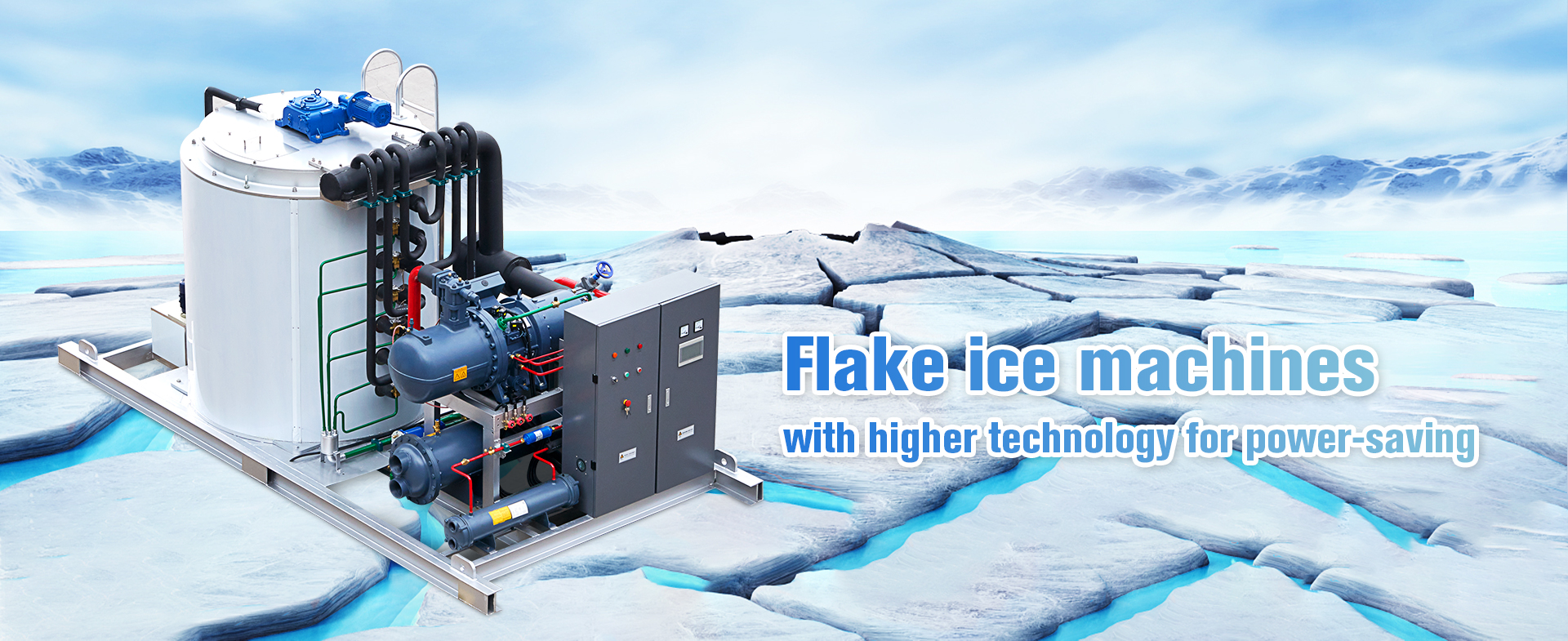
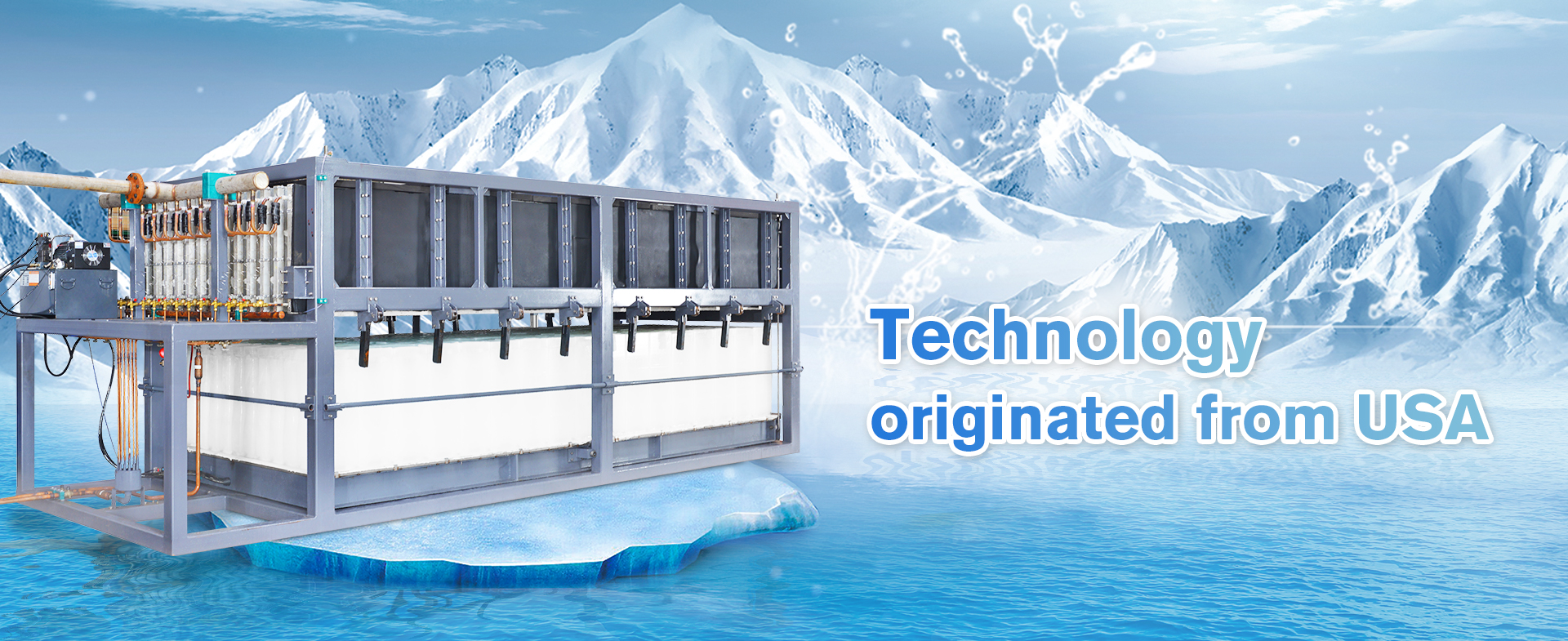

When it comes to food and beverage service — whether you're running a busy restaurant or a lively bar — having a good Ice Flake Maker can make all the difference in boosting your customer experience. Did you know that, according to Grand View Research, the worldwide ice maker market is projected to hit around $3.54 billion by 2025? Crazy, right? This boom is mainly because more places are craving those perfect ice flakes—fluffy, dry ice clusters that are just right for keeping food fresh or jazzing up cocktails.
You’ll find a bunch of brands like Hoshizaki and Scotsman offering some pretty innovative ice flake machines. They’re generally reliable and efficient, tailored to different needs. But, fair warning—not every machine performs the same. Some folks have reported issues like inconsistent ice production or mechanical hiccups which can really throw a wrench in your day-to-day operations. That’s why it’s super important to choose wisely.
Picking the right Ice Flake Maker isn’t just about price; you’ve got to think about your specific needs. Things like how much ice you need daily, the quality of the ice, and how much energy it consumes all matter. Industry pros often recommend doing your homework—reading reviews, comparing models, and really understanding what suits your setup best. Because, let’s be honest, not every machine is a perfect fit, and slipping up here could cost you more than just a headache.

Understanding the Basics of Ice Flake Maker Machines
Ice flake maker machines are essential for various industries, from food service to healthcare. These machines produce thin, flaky ice that has unique properties. Its texture allows for quick chilling of beverages or preservation of perishable goods. Understanding how these machines work can help buyers make informed choices.
The core function of ice flake makers is to freeze water into thin sheets. These sheets are then crushed into small flakes. Machines vary in size, capacity, and efficiency. Some units are perfect for small cafes, while others serve large restaurants. It's important to assess the production rate and energy consumption. Many models have user-friendly controls, but not all are intuitive. Potential buyers should look for options that align with their specific needs.
Maintenance can be a challenge. Ice flake makers require regular cleaning to prevent mineral buildup. Neglecting this aspect may affect performance and hygiene. It’s essential to read user reviews and seek advice from professionals. Knowledgeable recommendations can reveal the pros and cons that are not obvious at first glance. This insight sometimes highlights the need for improvement in a product.


Analyzing the Efficiency and Demand Trends of Seawater Flake Ice Machines: Insights from Recent Industry Data on the ICESNOW 8Ton/Day PLC Control Model
In recent years, the demand for seawater flake ice machines has seen a significant increase, driven by their efficiency and adaptability for both marine and land applications. These machines utilize seawater directly for ice production, which simplifies the process and reduces costs associated with fresh water sourcing. The ICESNOW 8Ton/Day PLC Control Model exemplifies technological advancements in this field, showcasing features that enhance operational efficiency and reliability.
The operational efficiency of seawater flake ice machines is heavily dependent on their design and power supply. Typically, these machines require a dynamic electricity supply of 380v/50HZ, although adjustments can be made for 60HZ power setups based on user requirements. Recent industry data indicates that machines using advanced PLC controls can significantly minimize energy consumption while maximizing ice production rates. In a comparative analysis, these models reportedly achieve up to 20% more efficiency than traditional ice production systems, aligning with global trends toward energy-saving technologies in industrial operations.
Furthermore, market insights reveal a growing trend in the seafood processing and marine industries, where the need for high-quality ice to preserve product freshness is crucial. As the global demand for seafood continues to rise, many operators are investing in seawater flake ice machines, with forecasts indicating a steady growth rate in this sector. The unique capability of these machines to draw water directly from the sea not only facilitates continuous ice production but also supports environmentally sustainable practices by reducing reliance on freshwater sources.

FAQS
: Ice flake makers freeze water into thin sheets, then crush them into small flakes for various uses.
Consider the ice production capacity, speed, and adjustable ice sizes to match your specific requirements.
Regular maintenance prevents bacterial growth and reduces efficiency loss, ensuring longevity and hygiene.
Fast ice production is beneficial during peak hours, improving service efficiency in busy environments.
Clean the machine regularly and inspect for wear to prevent costly repairs and improve performance.
Aim to clean the machine after every use and perform regular sanitation as it protects users and machinery.
Hard water can cause mineral buildup, reducing efficiency, so regular descaling is necessary based on water quality.
Yes, user reviews provide real-world insights and may highlight features that require improvement or attention.
Many neglect regular inspections for signs of wear, which can lead to higher long-term costs if ignored.
Assess the environment: air-cooled systems are common, but water-cooled options may be more efficient in some settings.
Conclusion
The article "Top 10 Ice Flake Maker Machines for Global Buyers" delves into the essentials of ice flake maker machines, providing a comprehensive guide for potential buyers. It begins with an overview of how these machines function, highlighting key features such as production capacity, efficiency, and ease of use that should be considered when selecting an ice flake maker.
Moreover, the article categorizes the best options available, focusing on machines tailored for commercial use as well as portable versions ideal for home settings. A comparison of popular brands on the market is included, along with crucial maintenance and care tips to ensure longevity and optimal performance of the ice flake maker machines. Finally, customer reviews and ratings are presented, offering insights into user experiences and satisfaction with various models. This summary serves to aid buyers in making informed decisions in their quest for the perfect ice flake maker.
Related Posts
-

The Science Behind Ice Flake Machines: Revolutionizing the Food Industry and Beyond
-

What is a Flake Ice Maker and How Does It Enhance Your Icy Beverage Experience?
-

How to Make Flake Ice at Home Easily and Quickly?
-

Top 10 Flake Ice Makers for Your Home and Business Needs?
-

2026 Best Flake Ice Maker Reviews and Buying Guide?
-

How to Choose the Best Flake Ice Maker for Your Needs?
