
0%

Picking out a sea water ice machine isn’t just about looking at how much ice it can produce each day. Saltwater is tricky—it’s aggressive, hard to predict, and can be tough on equipment. What works great in a freshwater plant might not cut it near a busy fishing harbor. You’ve gotta keep an eye out for corrosion around fasteners, drainage points, and evaporator connections. Those tiny weaknesses can end up costing a lot, especially during those peak times when everyone’s rushing to land their catch.

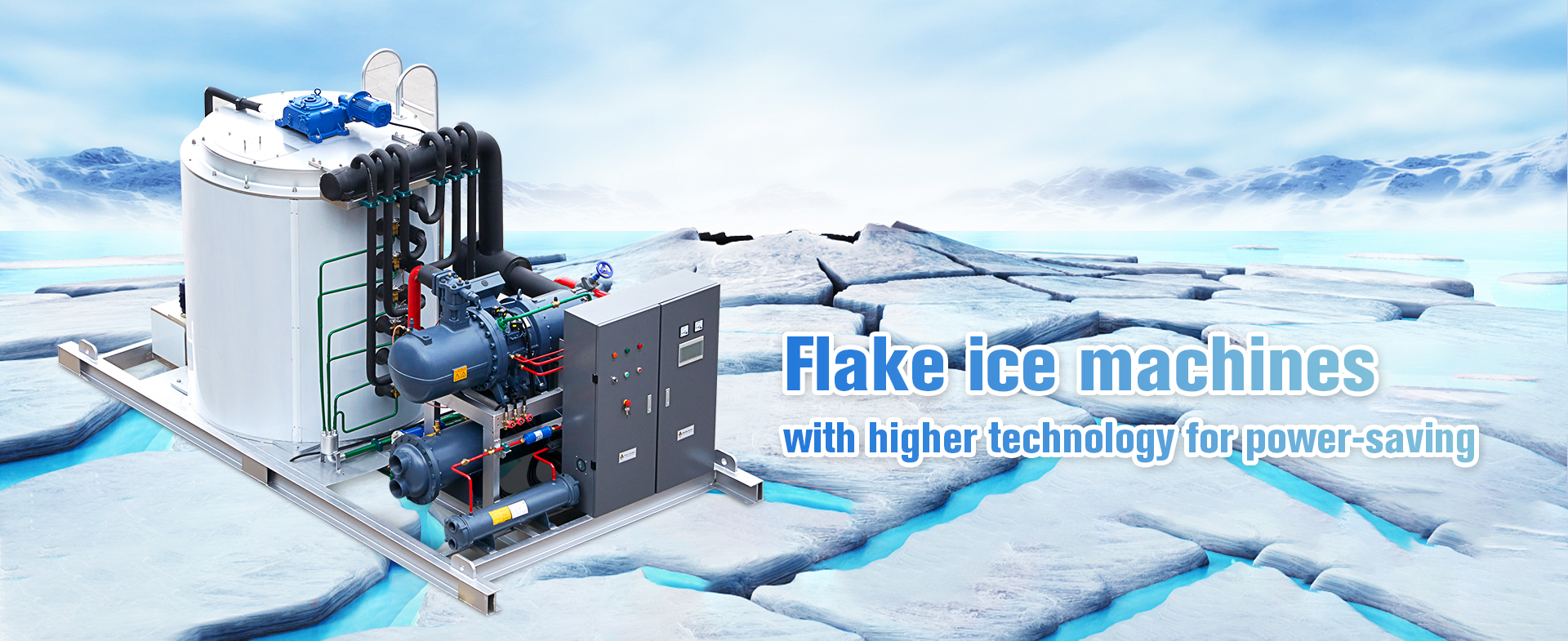
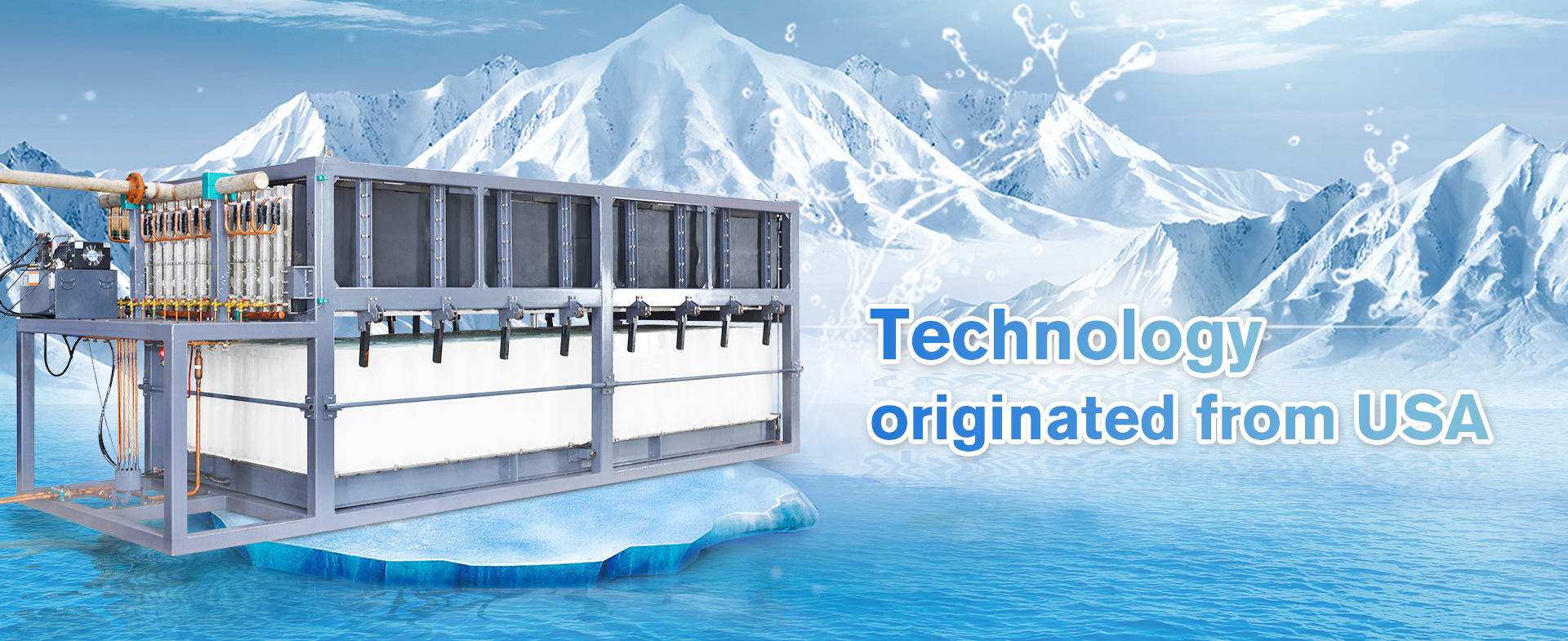
Elena Marquez, a marine refrigeration engineer, puts it simply: “The right ice machine doesn’t just protect your profits—it keeps your fish fresh first.” That’s a really practical point. When choosing, you need to consider water salinity, how cold the ice stays, how much ice you need, and how easy it is to clean the machine. For example, flake ice cools fish quickly and fits into tight or uneven spots. Tube ice might handle better through automated systems. And block ice? Well, it’s good for longer storage, but it needs more labor and space to handle.

Don’t forget about the materials used in construction. Look for marine-grade stainless steel, sealed electrical cabinets, and heat exchangers made to withstand seawater. Titanium parts can last longer, but they usually cost more upfront—you might want to think about whether that’s worth it for your operation. Sometimes it’s easy to overlook the initial price difference, but trust me, it’s important.

Also, compare energy consumption, how well the condenser performs, what’s needed for freshwater rinsing, and whether local support is available if something breaks down. Ask how the machine handles hot days, unstable power supplies, or busy washdown times. Make sure to get actual operating data—not just pretty brochures with fancy claims. Brands like Mayekawa and Geneglace can give good references, but keep in mind every fishing setup is different.

Remember, no one machine is perfect. Bigger isn’t always better—if it has too much capacity, you end up paying more in idle energy costs and maintenance. The best sea water ice machine for you depends on your catch volume, boat schedule, space, and crew habits. First, understand your real workflow, then pick equipment designed to handle it—that way, you’ve got a better shot at success.

How to Choose a Sea Water Ice Machine?

Understanding Sea Water Ice Machine Types and Applications

Choosing a sea water ice machine starts with understanding how ice type matches the working environment.

Flake ice is common in seafood handling because its thin pieces spread gently across fish. It melts evenly and cools products without heavy pressure. Tube ice is harder and lasts longer during transport. However, saltwater minerals can increase scaling and maintenance demands. Block ice offers slower melting, but production is usually less flexible.

Application matters more than appearance.

Fishing vessels often need compact flake ice machines with strong vibration resistance. Coastal seafood plants may require continuous production, easy cleaning, and insulated storage nearby.

Aquaculture facilities usually prefer ice that cools feed, equipment, or harvested products without sharp edges. Small operations may choose a modular system. Large processors need stable output during peak landings.

Water quality should guide the final selection.

Seawater must pass through suitable filtration before entering the freezing system. Corrosion-resistant materials are essential, especially around pumps, evaporators, and drainage points.

Operators should check daily ice output, salt concentration, ambient temperature, and available power. A machine rated for fresh water may perform poorly with seawater.

Bigger is not always better. An oversized unit can waste energy during quiet seasons.

In practice, maintenance access is often overlooked, and that mistake can become expensive. Ask for verified capacity under local seawater conditions, not only laboratory figures.

Assessing Ice Capacity, Cooling Performance, and Production Speed

Choosing a sea water ice machine starts with the real load, not the advertised maximum. FAO’s The State of World Fisheries and Aquaculture 2024 reported 185.4 million tonnes of global aquatic production in 2022. That scale shows why reliable icing matters during landing, sorting, and transport. Measure peak demand in kilograms per hour, then add a practical reserve of 15–25%. A machine producing 500 kilograms daily may fail during a busy landing window.

Cooling performance depends on more than compressor size. Seawater with approximately 35 parts per thousand salinity freezes near -1.9°C, according to oceanographic engineering references. The machine must therefore remove heat below freshwater’s normal freezing point. ASHRAE Handbook—Refrigeration, 2022, stresses the importance of condensing conditions, heat exchanger design, and maintenance. Check performance at your actual seawater temperature, not laboratory inlet conditions. Fouling matters.

Production speed should match the operation’s rhythm. Review rated output over 24 hours, hourly production, start-up time, and ice release intervals. A slow first batch can leave fish exposed beside an empty bin. My earlier mistake was comparing daily capacity alone. It looked sufficient, but output arrived too late. Also inspect energy use per kilogram, wash-down access, corrosion resistance, and storage compatibility. These details often decide whether cooling performance remains stable after months of saltwater exposure.

Comparing Materials, Corrosion Resistance, and Build Quality

How to Choose a Sea Water Ice Machine?

Seawater is not ordinary process water. NOAA Ocean Service reports average ocean salinity near 35 parts per thousand, creating a persistent chloride-rich environment. Chlorides attack weak welds, crevices, and damaged protective films. Therefore, inspect the evaporator, auger, water tank, and fasteners separately.

316L stainless steel is a practical baseline, but it is not corrosion-proof. It can suffer pitting under warm, stagnant conditions. Duplex stainless steel offers higher strength and improved chloride resistance, while titanium performs strongly in severe seawater zones. Material choice should follow ASTM G48 pitting tests, not appearance alone. A mirror finish helps cleaning. It does not repair poor welding.

Build quality matters just as much. Look for fully penetrated welds, smooth internal corners, sloped drainage, and limited threaded connections near seawater. Dissimilar metals need electrical isolation to reduce galvanic corrosion. Plastic components should tolerate low temperatures and repeated sanitation cycles. Small design flaws become expensive quickly. AMPP’s IMPACT study estimated global corrosion costs at about 3.4% of world GDP, showing why inspection deserves a real budget.

Ask for weld inspection records, material certificates, and corrosion-test results. A supplier may describe 316L as marine-grade, but that phrase alone proves little. In practice, even a well-specified machine can fail when cleaning chemicals are misused or brine remains trapped overnight. That uncomfortable detail is easy to overlook.

How to Choose a Sea Water Ice Machine? - Comparing Materials, Corrosion Resistance, and Build Quality

Component or Factor Material or Feature Seawater Suitability What to Check
Ice-contact surfaces and seawater-wetted parts Titanium, commonly commercially pure Grade 2 Excellent resistance to natural seawater in many service conditions. Avoid assuming compatibility with every chemical, crevice, or operating environment. Confirm the exact alloy and wetted-area coverage. Check joints, fasteners, and other dissimilar metals for galvanic-corrosion risks.
Seawater piping, plates, or structural parts Super duplex stainless steel, such as UNS S32750 High resistance to chloride-related pitting and crevice corrosion compared with common austenitic stainless steels; performance still depends on design and conditions. Request material certificates, suitable welding procedures, and inspection of welds and crevices.
Seawater piping or pressure-containing parts Duplex stainless steel, such as UNS S32205 Generally more resistant to chloride stress-corrosion cracking than 304 or 316 stainless steel, but not immune to seawater pitting or crevice corrosion. Check operating temperature, salinity, flow conditions, fabrication quality, and whether the alloy is specified for the actual exposure.
Frames, panels, and non-critical fittings 316L stainless steel Useful for many coastal environments, but prolonged direct seawater exposure can cause pitting or crevice corrosion, especially in stagnant or warm conditions. Identify whether the part is continuously wetted. Do not treat 316L as a universal seawater-grade material.
Painted exterior frame or base Coated carbon steel Can be suitable when seawater exposure is avoided and the protective coating remains intact. Damage or poor edge coverage can allow corrosion beneath the coating. Look for surface-preparation details, a marine-suitable coating system, protected cut edges, and a practical repair plan.
Seawater pump and valves Materials selected for the full fluid path Suitability varies by alloy, elastomer, temperature, pressure, and water chemistry; a corrosion-resistant housing alone does not establish system compatibility. Verify the wetted materials for the impeller, shaft, seals, valve trim, and fasteners—not only the pump body.
Welded seams and joints Controlled welding, appropriate filler metal, and finished weld surfaces Poor weld quality, heat tint, rough surfaces, and narrow crevices can increase localized-corrosion risk, even when the base alloy is suitable. Ask how welds are cleaned and inspected, and whether crevice-prone overlaps or water-trapping pockets are minimized.
Overall machine build Accessible layout, drainage, and maintainable components Good drainage and access help limit stagnant seawater and make rinsing, inspection, and repairs more practical. Check for drain points, accessible filters, replaceable seals, clear maintenance instructions, and protected electrical connections.

Selection note: Corrosion performance depends on seawater temperature, salinity, flow, deposits, cleaning chemicals, fabrication, and maintenance. Confirm the machine’s actual wetted-material list and operating conditions with the supplier before purchase.

Checking Energy Use, Water Treatment, and Operating Conditions

How to Choose a Sea Water Ice Machine?

When comparing machines, do not trust rated output alone. Ask for specific energy consumption, measured in kWh per ton of ice. Check the seawater temperature, ice thickness, condenser pressure, and test duration. A machine efficient in cool coastal water may struggle with warmer intake water. Measure performance over 24 hours, not only during a factory test. Small losses become expensive.

Water treatment protects both ice quality and equipment life. Raw seawater may carry sand, algae, dissolved minerals, and organic matter. Use intake screens, sediment filters, and suitable disinfection controls. Match pretreatment to local water analysis. Test salinity, hardness, iron, and biological load. Poor filtration can block spray nozzles. Excessive chemical treatment may damage surfaces or affect ice quality. Corrosion-resistant steel helps, but it is not immunity. Inspect seals, pumps, and heat exchangers regularly.

Operating conditions often decide the real result. Check ambient temperature, ventilation, freshwater access, and drainage before installation. Leave space around filters and service panels. Confirm stable voltage and water pressure. Automation reduces routine work, yet sensors can drift. Calibrate them. Keep records of ice yield, electricity use, water quality, and cleaning intervals. Some assumptions will be wrong. Seasonal trials may reveal lower capacity when seawater warms and compressor demand rises.

Evaluating Installation Space, Maintenance, and Safety Requirements

Choosing a sea water ice machine starts with the room, not the ice output.

Measure floor area, ceiling height, door width, and access for service panels. Leave clear space around the condenser and make sure technicians can reach pumps, filters, and electrical isolators. A machine that fits on paper may still block a drain or obstruct a forklift route. Check floor loading, drainage capacity, ventilation, and the path for lifting equipment before ordering. Small details matter.

Salt air is unforgiving.

Specify corrosion-resistant wetted parts and inspect seals, strainers, and evaporator surfaces on a schedule suited to local water quality.

The FAO’s 2024 State of World Fisheries and Aquaculture reported 223.2 million tonnes of aquatic animal and algae production in 2022, underscoring the scale of cooling needs across the sector.

That figure does not determine machine size; actual demand depends on vessel landings, peak hours, and the ice-to-catch ratio. Keep a maintenance log. It catches patterns.

Safety planning should cover electrical protection near wet floors, guarded moving parts, safe chemical handling, and slip-resistant access.

Ask suppliers for documented load data, operating limits, and maintenance intervals, then have qualified site personnel verify connections and drainage. I would also test the real workflow during commissioning: ice discharge, bin access, and washdown often reveal awkward layouts. Not every issue appears on a drawing.

Choosing a Reliable Supplier and Calculating Total Ownership Cost

How to Choose a Sea Water Ice Machine?

Choosing a reliable supplier means checking more than the quoted price. Ask for references from fishing ports or vessels operating in similar water temperatures and daily production conditions. Request test records showing ice output, power consumption, and water quality assumptions. Seawater composition varies by location, and corrosion can quietly shorten equipment life. Get written details on materials, warranty exclusions, spare-parts availability, and response times. Ask who will commission the machine and train operators. Small details matter.

Calculate total ownership cost across the machine’s expected service life. Include purchase and installation, electricity, water treatment, cleaning, repairs, replacement parts, and downtime. The International Energy Agency’s The Future of Cooling report notes that cooling already represents a substantial share of electricity use in buildings; it is not a sea-ice-machine benchmark, but it underlines why energy deserves close attention. Compare suppliers using measured kilowatt-hours per tonne of ice, not broad efficiency claims. Then test the estimate against your actual operating hours and local electricity tariff.

A spreadsheet helps. Use conservative assumptions for maintenance and production interruptions, and ask suppliers to explain every number. Check whether quoted capacity applies at your seawater temperature, not only under ideal test conditions. A cheaper machine can cost more if parts take weeks to arrive. That happens. I would also keep a contingency for corrosion-related repairs, even with suitable marine-grade materials. Forecasts are imperfect; real operating logs should replace assumptions after the first season.

How to Choose a Sea Water Ice Machine: 5-Year Ownership Cost

Illustrative planning estimate for a 1-ton-per-day machine operating 300 days per year. Replace these assumptions with supplier quotations and local utility rates.

Estimated five-year total: $46,000. The estimate assumes a $20,000 purchase price, $12,000 for electricity, $6,000 for maintenance and parts, $5,000 for water and consumables, and $3,000 for installation. Ask suppliers for energy consumption, corrosion-resistant material specifications, warranty coverage, spare-parts availability, and local service response times to validate your total cost of ownership.

FAO SOFIA 2024 Insights: 20-Ton/Day Seawater Flake Ice for Commercial Frozen Seafood

The FAO *State of World Fisheries and Aquaculture 2024* (SOFIA 2024) reports that global fisheries and aquaculture production reached approximately 185 million tonnes in 2022, with aquaculture accounting for more than half of aquatic-animal production. This expanding supply reinforces the need for reliable cold-chain infrastructure, particularly in commercial seafood operations where rapid temperature control supports product quality, handling efficiency, and storage stability. A 20-ton/day seawater flake ice system is designed to provide a continuous source of fine, easily distributed ice for vessels, processing facilities, wholesale markets, and frozen seafood logistics.

This equipment can be configured in two formats: marine installation for onboard or near-shore use, and land-based installation for processing plants and distribution centers. In operation, users can directly draw seawater for ice production and condenser-circulating water from the surrounding sea, subject to appropriate filtration, water-quality management, and site conditions. Flake ice offers broad surface coverage and close contact with seafood, making it suitable for rapid pre-chilling and maintaining a consistently cold handling environment.

The reference electrical specification is dynamic power at 380 V and 50 Hz, while a 60 Hz configuration can be provided when required by the local grid. For a 20-ton/day application, system selection should consider seawater temperature, salinity, intake depth, ambient conditions, available installation space, and the required operating schedule. These parameters help determine refrigeration capacity, condenser design, pumping requirements, and overall energy performance.

FAQS

Which ice type suits seafood handling?

Flake ice spreads gently across fish and applies little pressure. It melts evenly. Tube ice lasts longer during transport. Block ice melts slowly, but production is less flexible.

What ice machine suits a fishing vessel?

A compact flake ice machine is often practical. Choose strong vibration resistance and simple service access. Space is limited. Do not overlook movement during rough conditions.

What should coastal seafood plants consider?

Continuous production, easy cleaning, and nearby insulated storage are important. The system should handle peak landings without unstable output. A larger machine is not always better.

Why is seawater filtration necessary?

Raw seawater may contain sand, algae, minerals, and organic matter. Intake screens and sediment filters protect internal parts. Poor filtration can block spray nozzles. Small particles matter.

How can operators compare energy efficiency?

Ask for specific energy use in kWh per ton of ice. Check results over 24 hours. Test seawater temperature, ice thickness, and condenser pressure. Factory figures may not match local conditions.

What materials and parts need regular inspection?

Pumps, evaporators, seals, heat exchangers, and drainage points face corrosion risks. Corrosion-resistant steel helps, but it is not complete protection. Inspect these areas regularly.

Which operating conditions affect machine performance?

Warm seawater can reduce capacity and increase compressor demand. Stable voltage, water pressure, ventilation, and drainage are also necessary. Seasonal changes reveal problems. We may underestimate them.

How much maintenance access should be planned?

Leave clear space around filters and service panels. Operators need room for cleaning and repairs. Keep records of ice yield, electricity use, and water quality. Forgotten access becomes expensive.

Conclusion

Choosing a Sea Water Ice Machine requires balancing production needs with the conditions in which it will operate. Start by considering the machine type and its intended application, then compare daily ice capacity, cooling performance, and production speed. These factors help ensure a steady ice supply without selecting equipment that is unnecessarily large or inefficient. Since seawater can be highly corrosive, examine the materials, protective treatments, and overall build quality, especially for components exposed to saltwater.

Also assess energy consumption, water treatment requirements, and suitability for local operating conditions. Confirm that the installation area provides adequate space, ventilation, drainage, and safe access for routine maintenance. Finally, evaluate the supplier’s technical support, warranty, and availability of replacement parts. Comparing purchase price with expected energy, maintenance, and operating expenses will provide a clearer estimate of total ownership cost and help identify a practical, dependable solution.

Ethan

Ethan

Ethan is a dedicated marketing professional at Guangdong Icesnow Refrigeration Equipment Co., Ltd., a company established in 2003 that specializes in the research, design, manufacture, and sale of various ice-making machines. With a deep expertise in the industry, Ethan plays a crucial role in......
Previous How to Choose an Ice Flake Maker in 2026?
Next How to Choose the Best Tube Ice Machine Design in 2026?