
0%

Picking out the right Sea Water Ice Machine can really make a big difference in how your operations run. Peter Thompson from IceTech Solutions, who’s pretty much a pro in the industry, puts it simply: "Getting the right machine is key when it comes to efficiency and quality." His advice really hits home — it’s about understanding exactly what you need before you jump in.

Different jobs call for different features in a Sea Water Ice Machine. Things like how much ice it can make, how energy-efficient it is, and how tough it is really matter. But honestly, so many businesses overlook these details, and that’s where they end up wasting time and money with inefficiencies.

Also, don’t forget to check out what kind of customer support and maintenance services the manufacturer offers. Not all companies are the same in this department. A solid warranty can save you headaches down the line — keeping things running smoothly without extra costs. All in all, investing in a dependable Sea Water Ice Machine is a smart move for the long haul, but you’ve got to do your homework so you don’t end up making costly mistakes.

How to Choose the Best Sea Water Ice Machine for Your Needs?

Understanding Sea Water Ice Machines: An Overview

Understanding Sea Water Ice Machines: An Overview

Sea water ice machines play a crucial role in various industries. These machines are designed to use ocean water to create ice. This method is often beneficial for commercial fishing and aquaculture. However, selecting the right machine depends on specific needs.

When choosing a sea water ice machine, consider its production capacity. This capacity will dictate how much ice you can produce at once. It's essential to match this with your needs. If you underestimate your requirements, you may face shortages during peak times.

Tips: Always look for machines with energy efficiency ratings. These can save you money in the long run. Regular maintenance is key to prolonging the life of your machine. Keep an eye out for corrosion as well; it's common in machines exposed to sea water.

Some users find that adaptability is important. A machine that can be adjusted for different production rates can be more valuable. Owners should reflect on their changing needs. As your operation grows, a machine that was once sufficient might not meet demand anymore.

Key Factors to Consider When Choosing a Sea Water Ice Machine

Choosing the right sea water ice machine can be challenging. There are key factors to consider that can enhance your decision-making process. One essential aspect is the machine's production capacity. Determine how much ice you need daily. It’s important to balance your requirements with the machine’s capabilities.

Another critical factor is energy efficiency. An energy-efficient machine not only reduces electricity bills but also limits environmental impact. Look for models that offer advanced features like adjustable settings for production rates. This can help you optimize ice production according to your varying needs.

**Tips:** Always check user reviews and ratings. Real experiences can provide insights into the machine's reliability. Don’t overlook maintenance requirements; machines with complex setups might lead to unnecessary headaches. Evaluate the size and design. A compact machine can save space but may not meet high demands.

Consider your operational environment too. Coastal regions may have different water quality challenges. Machines that can handle such variables tend to last longer. Take the time to assess all these factors before making a commitment. It's worth it to find the best fit for your specific needs.

Types of Sea Water Ice Machines and Their Applications

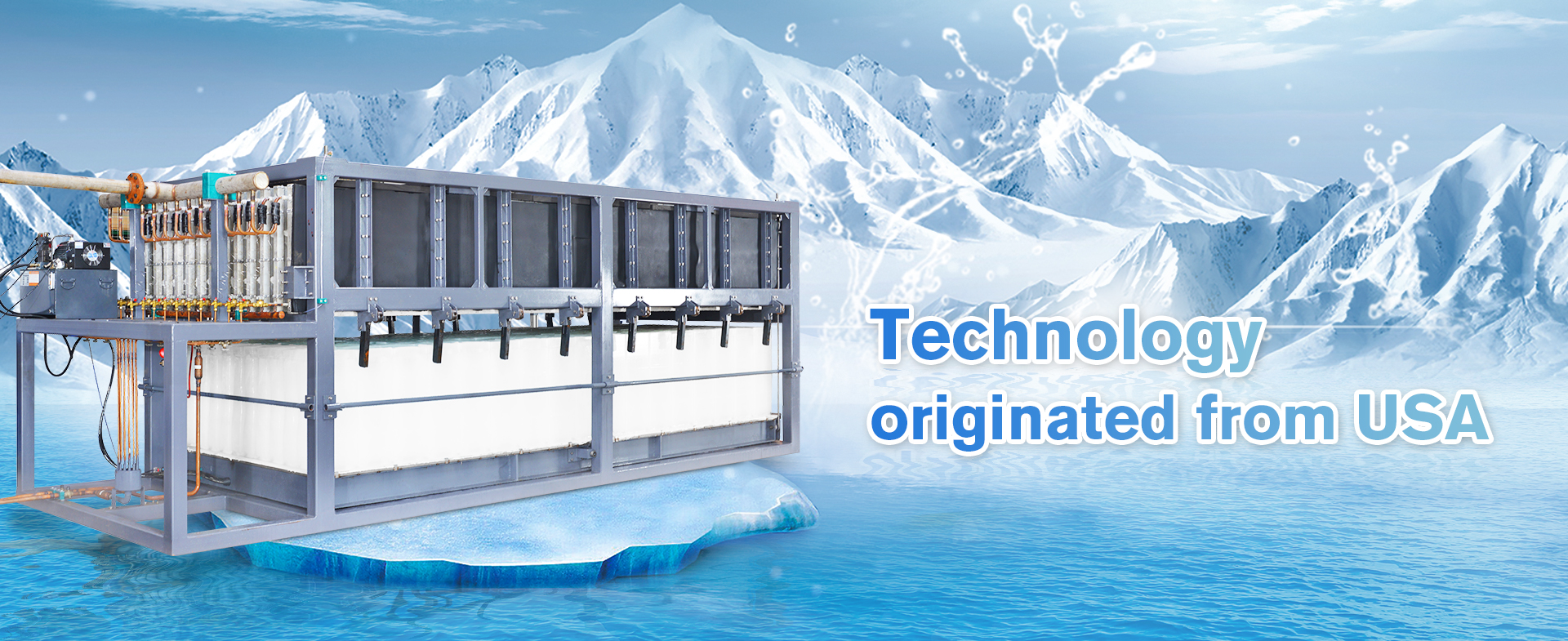
Choosing the right sea water ice machine involves understanding the types available and their unique applications. Sea water ice machines primarily fall into three categories: block ice machines, flake ice machines, and tube ice machines. Block ice machines produce large, solid ice blocks, ideal for fisheries and long-term storage. Research shows that block ice retains cold for an extended period, making it highly efficient for shipping fish over long distances.

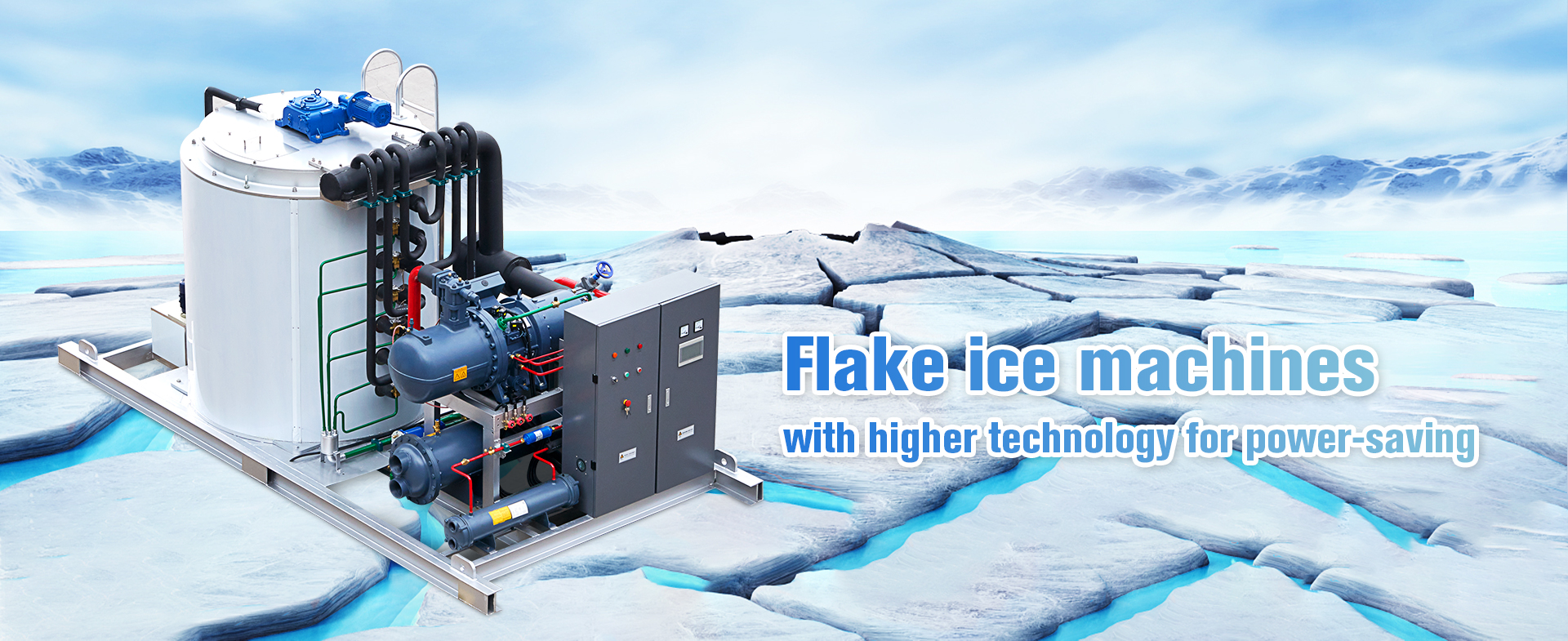
Flake ice machines generate snow-like ice, perfect for preserving freshness in food processing and medical industries. The American Society of Heating, Refrigerating and Air-Conditioning Engineers (ASHRAE) notes that flake ice can cool products rapidly, enhancing quality and reducing spoilage. Tube ice machines create cylindrical ice, favored in beverages and aquatic industries due to their uniform size, facilitating easy melting and consumption.

Tip: When choosing a machine, consider your specific ice requirements. Evaluate whether you need bulk storage or rapid cooling capabilities. This factors into energy efficiency, making a significant difference in operational costs.

Some users may overlook maintenance, which is crucial for optimal performance. Regular cleaning prevents salt buildup, ensuring longevity. It's easy to assume machines are self-sufficient, but neglect can lead to failures or inefficiencies. Understanding your ice machine's demands will improve performance and yield better results.

Sizing Your Sea Water Ice Machine According to Your Needs

When selecting a sea water ice machine, sizing is crucial. It determines not only efficiency but also effectiveness. Understanding your specific needs will help you make an informed choice. Consider factors like the volume of ice required, the frequency of use, and the ambient temperature of the operating environment.

For example, a small fishing operation may need less ice compared to a larger seafood processing plant. In this case, a machine with limited capacity could lead to inefficiencies. You'll find that overestimating your needs may lead to unnecessary costs. On the flip side, underestimating can result in insufficient ice production.

Evaluate your current and future needs carefully. A smaller machine may suffice now, but a growing business may necessitate a larger capacity soon. Reflect on your operational requirements and anticipate future demands. Adjust your choice accordingly to ensure that you invest wisely.

Evaluating Energy Efficiency and Operating Costs

When selecting a seawater ice machine, energy efficiency plays a crucial role. Energy consumption directly impacts operating costs and long-term sustainability. Machines that use innovative technology often consume less power. Look for features like variable speed compressors and eco-friendly refrigerants. These options tend to provide better performance with lower energy requirements.

Evaluating the total operating costs is essential. This includes not just energy bills but also maintenance and water usage. Regular maintenance can prevent larger issues. Some machines might require less frequent servicing, which is a plus. A higher initial investment in an efficient model can lead to savings over time. It’s vital to assess the expected usage and choose accordingly.

Many buyers overlook the importance of reliability. Reading user reviews can help gauge the performance of various models. A machine may seem cost-effective initially but can become expensive due to high energy demand or frequent repairs. Weigh these factors carefully to ensure your choice meets your needs. The balance between efficiency, cost, and durability is not always clear. Take the time to research thoroughly.

Maintenance Tips for Longevity of Sea Water Ice Machines

Maintaining a sea water ice machine involves several key practices. Regular cleaning is essential to prevent mineral buildup. Saltwater can create deposits that affect performance. Research indicates that untreated machines can lose up to 20% efficiency within a year. Regular inspections also help identify problems early.

Monitor water quality routinely. High salinity levels can corrode internal components. According to industry reports, machines in areas with poor water quality have a shorter lifespan. Adjustments, like installing filters, may mitigate these issues. Document maintenance practices for future reference and to track improvements.

Lubrication of moving parts is crucial. However, over-lubrication can cause other issues. A delicate balance is necessary for optimal performance. Collecting user feedback can provide insights on specific challenges. This practice is often overlooked but can lead to valuable information that enhances machine longevity.

Sea Water Ice Machine Performance Comparison

Frequently Asked Questions About Sea Water Ice Machines

When selecting a sea water ice machine, potential buyers often have numerous questions. Understanding the operational principles is essential. These machines utilize seawater to produce ice, which can be economical and environmentally friendly. However, the quality of seawater varies by location. This variability can affect the ice's purity and performance. Regular maintenance is crucial to avoid corrosion and blockage. Owners often overlook this aspect, leading to premature wear and tear.

Another common inquiry relates to ice production capacity and efficiency. Customers should assess their needs carefully. A machine too large can waste energy, while a small unit may not meet demand. Users should consider peak usage times and storage capabilities. Moreover, installation may involve challenges, such as plumbing and electrical work. Taking time to understand these factors can save headaches later.

Lastly, potential buyers frequently ask about the best practices for operating these machines. Proper water filtration and regular cleaning contribute to longevity. Yet, many users fail to adhere to these guidelines. Ultimately, investing in quality equipment is only part of the process. A commitment to maintenance is vital for maximizing ice production and ensuring reliability.

How to Choose the Best Sea Water Ice Machine for Your Needs? - Frequently Asked Questions About Sea Water Ice Machines

Feature Importance Recommended Capacity Ideal Use
Production Rate High 500 kg/day Fishing industry
Energy Efficiency Medium 400 kg/day Restaurants
Footprint Medium 250 kg/day Catering services
Durability High 600 kg/day Industrial use
Maintenance Requirements Medium 300 kg/day Small businesses

Efficient Seafood Preservation: Unveiling the ICESNOW 20Ton/Day Seawater Flake Ice Machine

Efficient seafood preservation is crucial for maintaining the quality and freshness of marine products. The ICESNOW 20Ton/Day Seawater Flake Ice Machine represents a significant advancement in this field, catering to both marine and land-based operations. By utilizing seawater for ice production, it allows for direct extraction of both the ice-making and condenser circulating water from the ocean, thus streamlining the preservation process and significantly reducing operational complexities.

According to industry reports, the demand for flake ice in seafood preservation is on the rise, with the global flake ice machine market projected to grow steadily due to an increase in fishing activities and seafood consumption. Flake ice provides optimal cooling as it conforms to the shape of the products, ensuring even chilling and minimizing thermal shock, which is critical for maintaining seafood quality. The ICESNOW machine's capacity to produce 20 tons of seawater flake ice per day enables fisheries and aquaculture operations to meet these growing demands efficiently.

With a reference power supply of dynamic electricity at 380v/50Hz—and the flexibility to adapt to 60Hz if needed—the ICESNOW seawater flake ice machine is designed to operate seamlessly in various environmental conditions. This versatility not only enhances its usability but also ensures consistent ice production, which is essential for preserving the freshness of seafood during transportation and storage. Such innovations are pivotal in supporting sustainable fishing practices and reducing spoilage in the seafood industry, thus protecting both the product quality and the livelihoods of those involved in this vital sector.

FAQS

: What are the main types of sea water ice machines?

: The main types are block ice machines, flake ice machines, and tube ice machines.

What is a block ice machine best suited for?

Block ice machines produce large ice blocks, ideal for fisheries and long-term storage of products.

Why is flake ice beneficial in food processing?

Flake ice cools products rapidly, which helps maintain freshness and reduce spoilage.

What applications benefit from tube ice machines?

Tube ice machines create cylindrical ice, favored in beverages and aquatics for easy melting.

How can maintenance affect the performance of ice machines?

Regular cleaning and checks prevent salt buildup and ensure optimal efficiency and longevity.

What happens if maintenance is ignored?

Neglect can lead to machine failures, increased inefficiency, and reduced lifespan overall.

How does water quality impact machine performance?

Poor water quality can lead to corrosion, reducing the machine's efficiency and lifespan.

What is a common mistake users make with lubrication?

Over-lubrication can cause mechanical issues, so a balance is essential for optimal performance.

How can user feedback be valuable?

Collecting insights from users can highlight challenges and improve maintenance practices.

Conclusion

When selecting the best Sea Water Ice Machine for your needs, it's crucial to understand their fundamental features and operating principles. A Sea Water Ice Machine uses seawater as a cooling source, making it an efficient choice for coastal applications. Key factors to consider include the machine's size, energy efficiency, and operating costs, which can significantly impact long-term value. Additionally, familiarity with various types of Sea Water Ice Machines—ranging from block ice to flake ice models—can help determine the right application for your specific requirements.

Proper sizing is essential to ensure the machine meets ice production demands without unnecessary energy consumption. Regular maintenance, including cleaning and inspections, is vital for prolonging the life of your Sea Water Ice Machine and ensuring optimal performance. This guide aims to equip you with the knowledge needed to make an informed decision while also addressing common queries related to the operation and upkeep of Sea Water Ice Machines.

Sophie

Sophie

Sophie is a highly skilled marketing professional at Guangdong Icesnow Refrigeration Equipment Co., Ltd., an esteemed integrated manufacturer established in 2003. With an extensive background in the refrigeration industry, she possesses deep knowledge and expertise in the company's core products,......
Previous How to Choose the Best Commercial Crushed Ice Machine?