
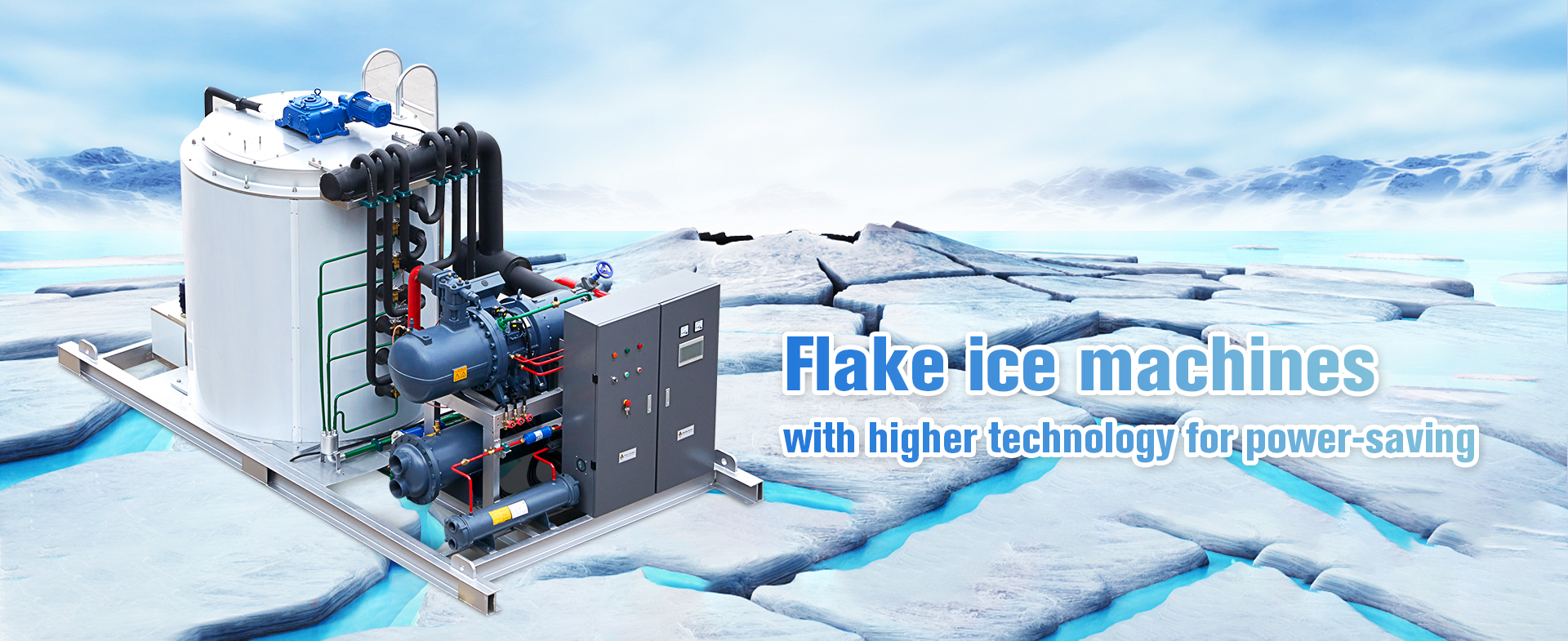
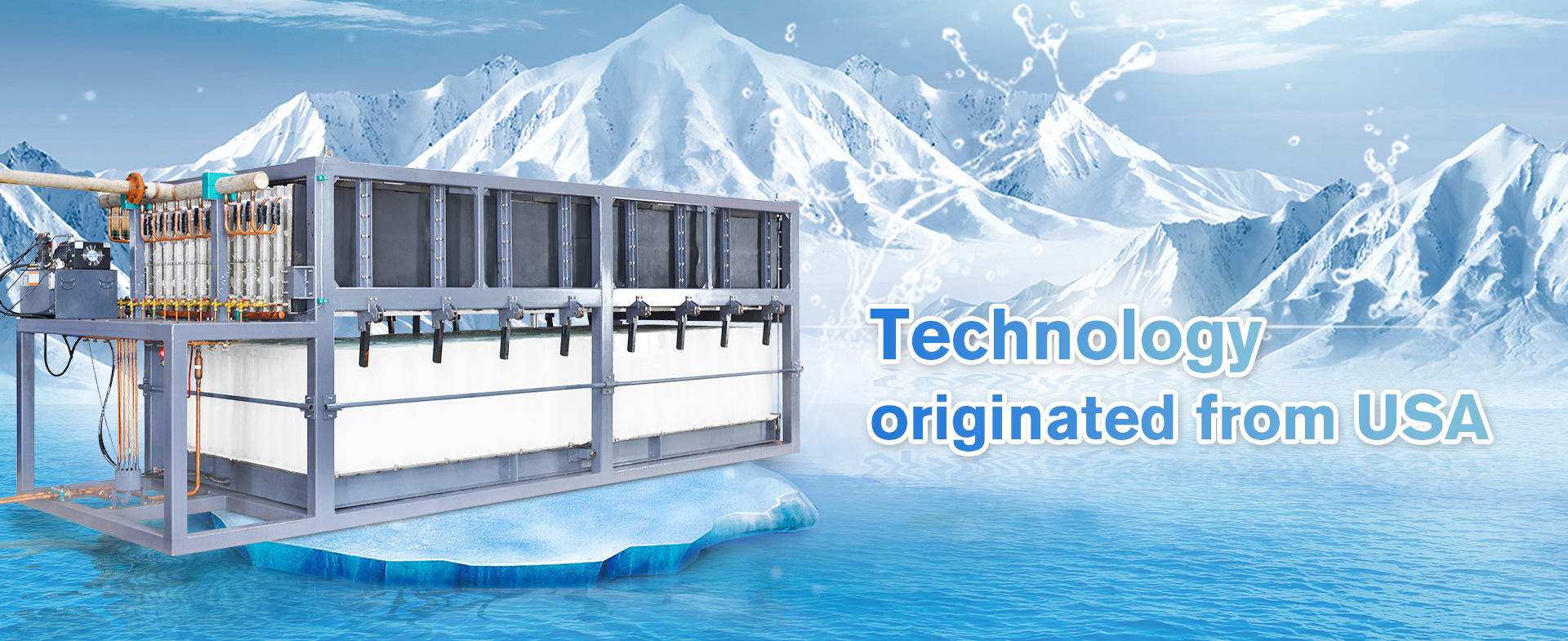


Picking the best Sea Water Ice Machine in 2026 isn’t just about comparing capacity or price tags. Honestly, a reliable call starts with the boat’s daily catch, seawater temperature, salinity, available power, and storage conditions. A machine that cranks out 20 tons of flake ice might look great on paper. But throw in 30°C intake water or salt buildup inside the evaporator, and it can start struggling. At sea, small details get expensive fast.
Professor Ian Bell, a well-respected refrigeration researcher, puts it nicely: “A model is only as good as the data behind it.” That’s true for ice-machine selection too. Buyers should look at tested output, refrigerant performance, corrosion resistance, cleaning access, and energy use under real marine conditions. Suppliers like GEA, Danfoss, and Mayekawa can offer solid components, sure—but the whole system matters more than one famous name. Stainless steel quality matters. Service response matters too.
This guide compares flake, tube, and block ice systems for fishing vessels, seafood processors, and coastal cold-storage facilities. It looks at production speed, ice temperature, freshwater use, maintenance labor, and long-term operating cost. A cheaper Sea Water Ice Machine can lose its edge through frequent repairs or bad ice quality. No spreadsheet is perfect. My own judgment might overvalue efficiency before I think about crew workload. That’s worth reflecting on. The best choice should handle rough mornings, wet decks, clogged filters, and delayed spare parts. It should also come with clear documentation, honest warranty terms, and measurable performance. Great equipment doesn’t erase operational risk. It just makes that risk easier to control.

What a Sea Water Ice Machine Is and How It Works
How to Choose the Best Sea Water Ice Machine in 2026?
What a Sea Water Ice Machine Is and How It Works
A sea water ice machine converts filtered seawater into usable ice for marine and coastal operations. It usually begins with a seawater pump, intake screen, and sediment filter. These parts remove shells, sand, algae, and other visible impurities. The filtered water then reaches a freezing chamber, where a refrigeration system removes heat through a cold evaporator surface. Ice forms gradually on that surface. A scraper, cutter, or warm-gas release system separates the ice when it reaches the required thickness.
The remaining water becomes more concentrated brine. Many systems discharge it through a controlled outlet, while others recirculate part of it. This design affects water use, energy consumption, and maintenance. In my experience, corrosion resistance matters as much as freezing capacity. Marine air can damage ordinary metal quickly. Look for suitable stainless steel, protective coatings, sealed electrical components, and easy access to filters. Production figures should be checked against actual seawater temperature, salinity, and inlet pressure. Laboratory numbers can look impressive.
Tips: Ask for output data at your real operating conditions. Check ice contact surfaces carefully. Confirm cleaning access before buying. A simple layout often saves more time than a higher headline capacity. Also inspect noise, power demand, drainage, and replacement-part availability. These details are easy to overlook. They should not be.
How to Choose the Best Sea Water Ice Machine in 2026? – What a Sea Water Ice Machine Is and How It Works
| Selection Dimension | Typical Data or Operating Range | What It Means | Recommended Selection Guidance |
|---|---|---|---|
| Raw Water Salinity | Open-ocean seawater is commonly about 3.5% dissolved salts, or approximately 35 g/L. | Salt lowers the freezing point and can increase corrosion and scaling risks. | Choose equipment designed for seawater service, with corrosion-resistant wetted components and a suitable pretreatment system. |
| Seawater Freezing Point | Typical seawater freezes at approximately −1.9 °C, compared with 0 °C for fresh water. | The refrigeration system must cool the heat-transfer surface below the seawater freezing point. | Confirm the evaporator design and control settings are suitable for the actual salinity and inlet-water temperature. |
| How the Machine Works | Seawater is filtered, circulated across a refrigerated evaporator, frozen into ice, harvested, and discharged. | The machine removes heat from the water until ice forms; rejected heat is released through air- or water-cooled equipment. | Review the full process, including filtration, brine drainage, ice harvesting, condenser cooling, and cleaning access. |
| Ice Type | Common formats include flake, plate, tube, cube, and block ice. | Ice shape affects cooling speed, storage density, product contact, melting rate, and handling. | Use flake or plate ice for rapid coverage of seafood; use tube or cube ice when a harder, more uniform product is preferred. |
| Production Capacity | Small systems may produce several hundred kilograms per day; industrial systems can produce several tonnes per day. | Rated output depends on seawater temperature, ambient temperature, salinity, condenser conditions, and operating schedule. | Calculate peak daily demand and add a practical reserve rather than selecting a machine only by its average daily requirement. |
| Input Water Temperature | Coastal seawater commonly varies from roughly 5 °C to above 30 °C depending on location and season. | Warmer inlet water increases refrigeration load and may reduce actual ice production. | Compare capacity ratings at conditions close to the installation site, especially during the warmest operating period. |
| Cooling Method | Air-cooled condensers reject heat to surrounding air; water-cooled condensers use a separate cooling-water circuit. | Air cooling is simpler to install, while water cooling can be more effective in hot environments but requires additional water management. | Choose according to ambient temperature, available cooling water, ventilation, noise limits, and maintenance capability. |
| Materials in Contact with Seawater | Suitable designs commonly use marine-grade stainless steel, titanium, engineered plastics, or other approved corrosion-resistant materials. | Ordinary carbon steel and incompatible metals can corrode rapidly in saline service. | Request a complete wetted-material list and verify compatibility with the local seawater chemistry and cleaning chemicals. |
| Filtration and Pretreatment | Screening and filtration are used to remove sand, shell fragments, algae, and suspended solids. | Solids can block spray nozzles, reduce heat transfer, damage pumps, and contaminate ice. | Select filtration according to the water source and install accessible filters with differential-pressure monitoring where needed. |
| Freshwater Rinse and Brine Management | Many systems require periodic freshwater rinsing; concentrated residual brine must be drained or managed correctly. | Rinsing reduces salt deposits and hygiene risks, while brine management protects equipment and the environment. | Check freshwater availability, drain capacity, discharge rules, and the manufacturer’s cleaning procedure before installation. |
| Ice Temperature | Ice is generally produced below its melting point; storage temperature and exposure determine how quickly it melts. | Colder ice usually provides more sensible cooling capacity, but storage conditions strongly affect performance. | Match the ice type and storage arrangement to transport duration, seafood temperature targets, and expected handling losses. |
| Electrical Supply | Commercial systems may use single-phase or three-phase power, commonly at 50 or 60 Hz, depending on location and size. | Compressor motors, pumps, fans, controls, and harvest equipment determine the total electrical requirement. | Verify voltage, phase, frequency, starting current, protection devices, and local electrical-code requirements. |
| Energy Performance | Energy use varies significantly with capacity, ice type, water temperature, ambient temperature, and condenser design. | A published capacity without operating conditions cannot be used for a reliable energy comparison. | Compare specific energy consumption in kWh per tonne of ice at the same seawater and ambient conditions. |
| Installation Environment | Marine locations expose equipment to salt spray, high humidity, vibration, and sometimes limited ventilation. | These conditions can shorten component life and increase electrical and corrosion-related maintenance. | Use protective enclosures, proper drainage, ventilation, elevated installation where appropriate, and a regular corrosion inspection plan. |
| Hygiene and Ice Safety | Ice that contacts seafood should be made from water meeting applicable local food-safety requirements. | Seawater is not automatically suitable for direct food contact; biological and chemical quality must be verified. | Confirm water-quality testing, cleanable surfaces, sanitary drainage, inspection access, and applicable seafood-hygiene regulations. |
| Maintenance Requirements | Routine tasks may include filter cleaning, freshwater rinsing, descaling, condenser cleaning, pump inspection, and refrigerant-system checks. | Maintenance frequency depends on water quality, operating hours, temperature, and the level of suspended solids. | Choose a design with easy access to filters, evaporators, pumps, sensors, and drain points; keep critical spare parts available. |
| Best Fit by Application | Typical applications include fishing vessels, seafood landing sites, aquaculture operations, coastal processing, and marine logistics. | Each application has different requirements for footprint, vibration resistance, ice storage, automation, and water treatment. | Prioritize compact and vibration-resistant designs for vessels, while shore facilities may favor larger capacity and centralized storage. |
20-Ton/Day Seawater Flake Ice Machines: A Practical Guide for Frozen Seafood Operations
A 20-ton/day seawater flake ice machine is designed for frozen seafood operations that require a stable supply of clean, rapidly melting ice. With an average output of approximately 833 kilograms per hour, it can support vessel unloading, onboard processing, transport, and temporary storage. The system is available in two configurations: a marine model for direct installation on fishing vessels and a land-based model for ports, cold stores, and seafood-processing facilities. Its capacity is particularly relevant as global aquatic animal production reached about 185.4 million tonnes in 2022, according to the FAO *State of World Fisheries and Aquaculture 2024* report.
The user can draw seawater directly for ice production and use seawater as the condenser’s circulating water, reducing dependence on freshwater in coastal locations. Proper seawater filtration and corrosion-resistant components are essential because suspended solids, salinity, and marine organisms can affect heat-transfer efficiency and equipment service life. Flake ice offers broad product contact and fast cooling, helping processors maintain the low-temperature conditions recommended throughout seafood handling. The Codex Code of Practice for Fish and Fishery Products emphasizes temperature control and hygienic ice management as key factors in preserving quality.
The reference electrical supply is dynamic electricity at 380V/50Hz, while a 60Hz configuration can be provided when required by the local grid. Before installation, operators should confirm available power, seawater temperature, intake depth, discharge arrangements, ventilation, and daily ice-demand patterns. These factors determine actual production performance and help ensure reliable operation during peak landing periods.

FAQS
It filters seawater, removes heat, and forms usable ice for coastal or marine operations.
A pump draws seawater through screens and sediment filters. The filtered water reaches a cold evaporator surface. Ice forms gradually. A scraper, cutter, or warm-gas release removes it.
Salinity, temperature, turbidity, and inlet pressure change freezing speed and compressor load. Warm, cloudy seawater may reduce daily output.
Test the actual water source. Record salinity, temperature, turbidity, and pressure. Ask for output data under those conditions. Brochure figures may disappoint.
Check the evaporator, pipes, fasteners, and storage surfaces. Suitable stainless steel, protective coatings, sealed electrical parts, and strong welds help.
Flake ice cools fish quickly and spreads easily. Block ice usually travels better over longer distances. Compare thickness, temperature, breakage, and storage loss.
Provide drainage, ventilation, electrical capacity, and a reliable seawater intake. Leave clear access around pumps, filters, and ice outlets. Cramped rooms slow maintenance.
Measure electricity per ton under real load. Record seawater temperature, salinity, ice yield, and power use weekly. Empty-running tests are misleading.
Clean filters, inspect ice-contact surfaces, control scale, and check corrosion areas. Keep service logs. Small rust marks may reveal deeper material problems.
Ask about spare parts, technician response, remote troubleshooting, sanitation procedures, and automatic shutdown protection. A low purchase price may become expensive. My first estimate could be wrong.
Conclusion
Choosing the best Sea Water Ice Machine in 2026 requires more than comparing its ice output. First, understand how the system filters and freezes seawater, then identify the ice type, daily capacity, and production speed that match your fishing, marine, food processing, or coastal commercial needs. Consider whether the machine can maintain consistent performance under changing water temperatures and salinity levels.
Material quality is equally important because seawater can accelerate corrosion. Look for durable, marine-resistant components, reliable insulation, efficient compressors, and a design that supports long-term operation. Compare energy consumption, water treatment requirements, operating expenses, and the quality of the ice produced. Before purchasing, also evaluate installation space, electrical and cooling requirements, cleaning procedures, safety features, maintenance access, spare parts availability, and technical support. A well-chosen machine should provide dependable ice production, manageable operating costs, strong durability, and safe, convenient service throughout its working life.
Related Posts


