China’s sea water ice machines play a pretty important role in supporting various marine industries—think fisheries, seafood processing, shipping logistics, and cold storage along the coast. Basically, they turn seawater into ice you can actually use on ships, at ports, or in processing plants. When folks are choosing these systems, they usually compare things like how much ice they produce, how resistant they are to corrosion, how much energy they consume, and the quality of after-sales support. On paper, some machines might seem super efficient, but in real life, saltwater conditions can expose any weak spots pretty fast.
This guide is here to give you a practical look at China’s Top 10 Sea Water Ice Machine Manufacturers. We’re focusing on what really matters when making a purchase—things like how experienced they are in manufacturing, the engineering behind their products, how flexible they are with customization, their export support, and real customer case studies. You might hear companies like Snowkey, Focusun, Koller, CBFI, ICEMAN, Geneglace China, Vogt China, Moon-Tech, and Bingshan come up a lot in industry chatter. But keep in mind, rankings can shift depending on the market and how folks evaluate them. So, before you jump in, it’s smart to double-check certifications, factory size, warranty details, and recent project references.
Details really do matter here—stuff like the evaporator material, how the filtration is designed, the condenser setup, and the control system. Don’t forget to ask how the equipment handles salty conditions, warm weather, and continuous use at sea. It’s a good idea to request actual production data, not just what they list in brochures. A trustworthy supplier should clearly explain installation needs, maintenance schedules, spare parts availability, and operator training. And yes, no list is perfect—you might find some manufacturers don’t share a lot of technical info, while others might offer better engineering support than what their marketing suggests. Ultimately, the right choice depends on things like vessel size, how much ice you need daily, local water conditions, your budget, and how easy it is to get service in your area. This overview is just a helpful starting point for comparing your options—definitely not a substitute for a thorough technical check or independent research.

Sea Water Ice Machines: 35 PSU Salinity and a −1.9°C Freezing Point
When comparing China’s top ten seawater ice machine manufacturers, salinity deserves careful attention. Standard seawater contains about 35 PSU, not the same salt level as freshwater. At this concentration, its freezing point is approximately −1.9°C. Machine evaporators must therefore operate below this point to form stable ice. Small variations matter. Local seawater may contain sediment, minerals, or seasonal salinity changes.
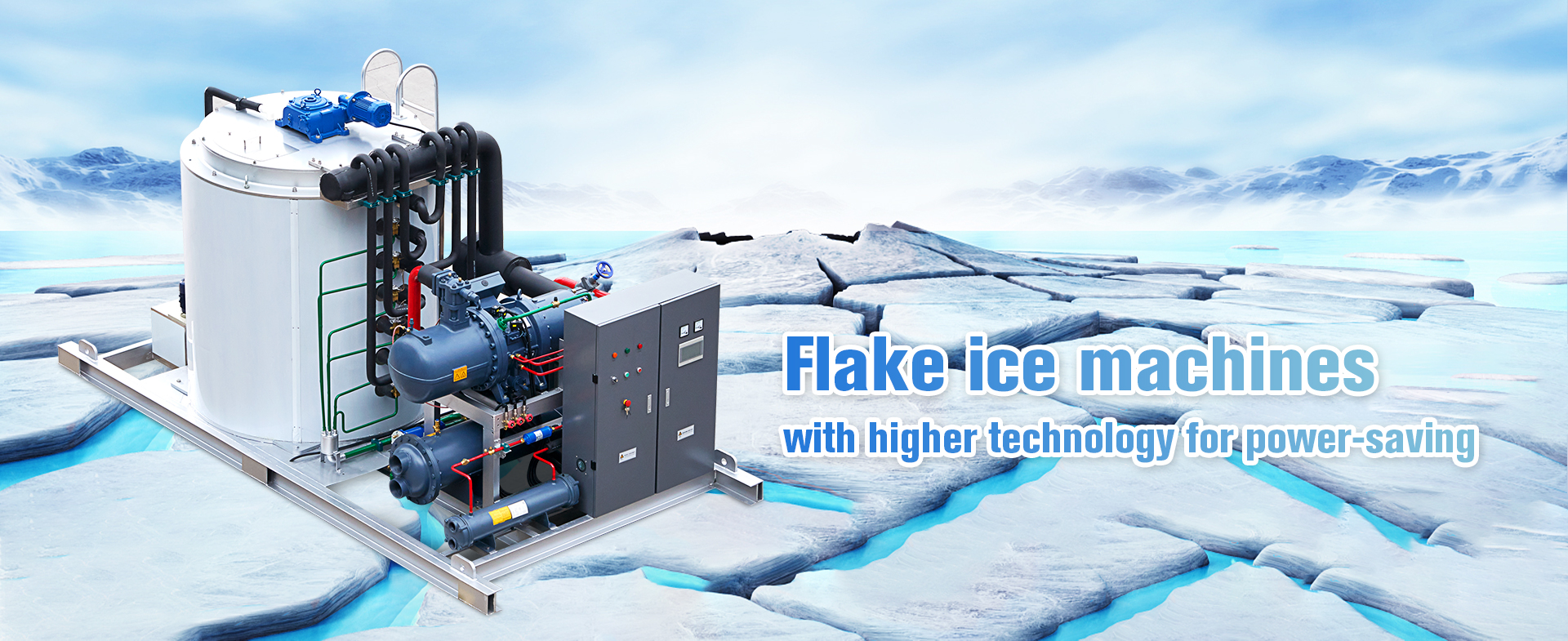
Reliable equipment should include corrosion-resistant wetted parts, accurate temperature sensors, and a filtration stage before seawater enters the freezing system. Plate, tube, and flake ice designs can perform differently at 35 PSU. Flake ice usually suits seafood handling because it spreads gently over products. However, performance depends on inlet temperature, circulation speed, and heat transfer cleanliness. A brochure cannot replace testing.
Tips: Request a seawater trial using your actual source. Check ice output at 35 PSU and near −1.9°C. Ask for power consumption, cleaning intervals, and saltwater compatibility data. Inspect welds and drainage points carefully. Keep a temperature log. It reveals problems early.
One detail is often overlooked: ice may form unevenly when salinity rises. The first ice crystals reject much of the salt, leaving concentrated brine behind. That brine can remain liquid below −1.9°C. Operators should monitor concentration, not temperature alone. I would also question unusually high capacity claims. Real conditions are rarely perfect.
China’s Sea Ice Machine Market: Capacity, Energy Use, and Export Data
China’s sea-water ice sector is moving from coastal food markets toward export-oriented cold-chain equipment. Public customs data remains imperfect. The closest customs category, HS 841869, combines sea-ice machines with other refrigeration equipment. UN Comtrade records China’s 2023 exports in this broad category at approximately US$1.4 billion. This figure shows industrial scale, not sea-ice machine sales alone. Numbers need context.
Commercial equipment surveys published in China during 2024 commonly show nominal capacities from 5 to 100 tonnes of ice per day. Larger integrated systems can exceed 100 tonnes daily, but site conditions change actual output. Seawater needs filtration, corrosion control, and lower-temperature operation. The International Institute of Refrigeration indicates that industrial ice production often uses roughly 60–100 kWh per tonne. Sea-water systems may reach 80–130 kWh per tonne when salinity, warm intake water, and poor maintenance are included. That range is practical, though not perfect.
Export growth is visible through China Customs shipments to seafood-processing and port economies in Southeast Asia, the Middle East, Africa, and Latin America. However, HS 841869 cannot separate flake ice, tube ice, and other refrigeration units. Buyers should request rated capacity, tested power consumption, refrigerant details, and salt-removal performance. A 50-tonne label can mislead. It may describe freshwater output under mild conditions. Independent acceptance testing remains more reliable than a catalog claim.
How to Rank China’s Top 10 Sea Water Ice Machine Manufacturers
China Top 10 Sea Water Ice Machine Manufacturers
How to Rank China’s Top 10 Sea Water Ice Machine Manufacturers
Ranking manufacturers requires more than comparing production capacity or website claims. A reliable evaluation begins with sea water ice machine experience, engineering records, and verified customer applications. I would examine factory testing, saltwater treatment methods, ice output, and performance in coastal climates. Actual operating data matters.
Corrosion resistance should receive serious weight. Inspectors can review stainless steel grades, evaporator design, pumps, seals, and protective coatings. Energy use also matters, especially for ports, seafood processors, and offshore facilities. Compare kilograms of ice per kilowatt-hour under similar water temperatures. Small differences can raise annual operating costs.
Service quality separates a promising supplier from a dependable one. Check installation support, spare-part availability, response times, and technician training. Request references from comparable projects, not only large showcase installations. Certifications should be traceable and relevant to the target market. Vague documents deserve caution.
A practical ranking may assign scores for technical performance, build quality, compliance, delivery reliability, service, and total ownership cost. No ranking is perfect. My assessment could change after a factory audit or twelve months of operation. That uncertainty should remain visible. Low purchase prices can hide weak insulation, unstable controls, or frequent cleaning requirements. A transparent manufacturer explains limitations, test conditions, and maintenance needs before signing a contract. Experience is useful, but evidence is stronger.
Manufacturer Profiles: Output from 1 to 100+ Tonnes of Ice per Day
China Top 10 Sea Water Ice Machine Manufacturers
China’s leading seawater ice machine manufacturers serve fishing ports, seafood processors, and coastal cold-chain projects. Their equipment ranges from compact units producing one tonne of ice daily to industrial systems exceeding 100 tonnes. Small machines suit island operations with limited storage. Larger systems require stronger foundations, stable power, and automated conveying.
A serious manufacturer should explain output conditions clearly. Seawater temperature, salt concentration, ambient heat, and ice thickness can change daily production. A quoted 100-tonne capacity may reflect ideal factory testing, not a hot harbor in August. This detail matters. Buyers should request performance data, energy consumption, corrosion protection, and maintenance intervals. Experience with titanium or marine-grade components also indicates practical engineering knowledge.
The top ten profiles should be compared by capacity, not marketing language alone. Check whether each factory performs load testing before shipment. Inspect welding quality, insulation joints, compressors, pumps, and control cabinets. Ask for installation records from similar coastal environments. After-sales support deserves equal attention, especially for remote ports where a delayed replacement part can stop production. Some smaller suppliers may offer flexible customization, while high-capacity manufacturers often provide complete lines with storage and packing equipment. The comparison is not perfectly simple. Output figures can hide seasonal losses, operator skill gaps, and water-treatment requirements. A careful buyer should leave room for those uncertainties.
Core Technologies: Flake, Tube, and Block Ice Systems for Marine Use
China Top 10 Sea Water Ice Machine Manufacturers
Core Technologies: Flake, Tube, and Block Ice Systems for Marine Use
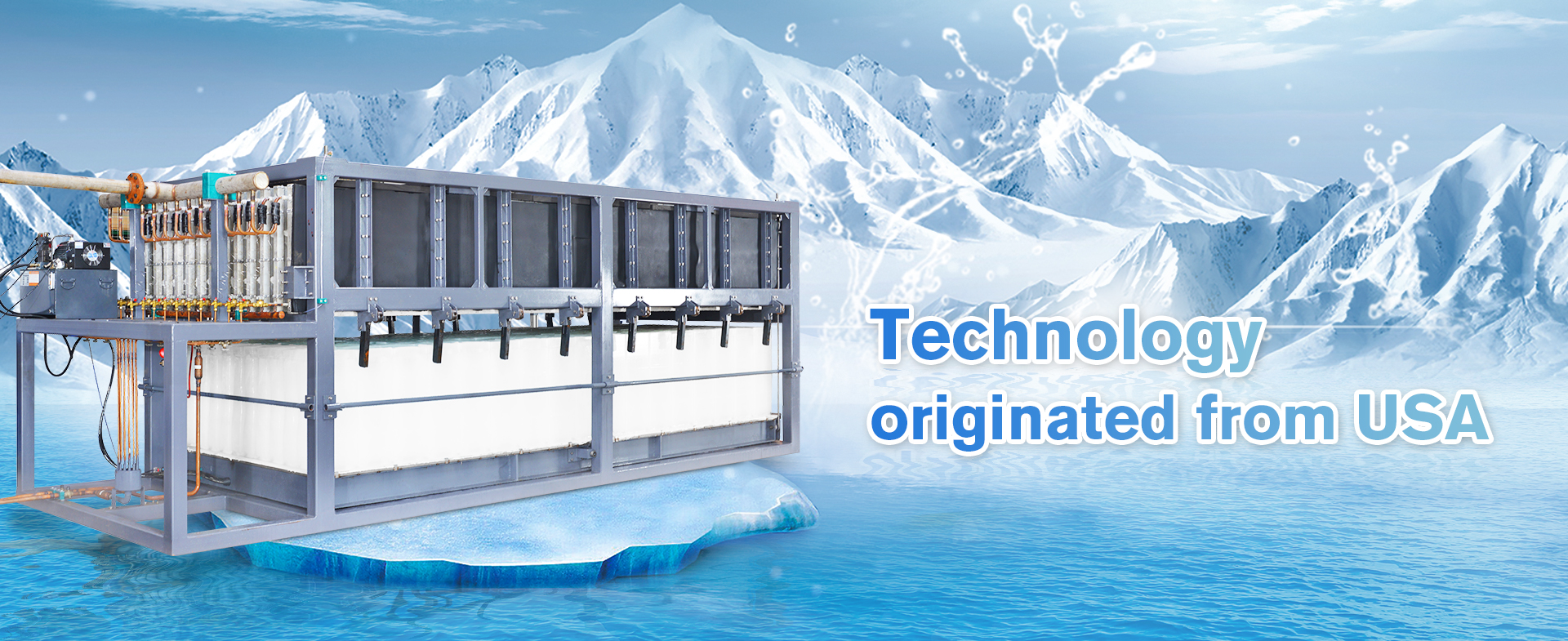
Marine ice production depends on the catch, vessel size, and storage routine. Flake ice spreads gently across fish, filling gaps without heavy pressure. It melts quickly, so crews must monitor drainage and replenishment. Tube ice is harder and lasts longer in insulated holds. Its cylindrical shape allows airflow, but it may bruise delicate seafood when handled roughly. Block ice offers slow melting and strong transport performance. However, breaking large blocks at sea requires tools, space, and extra labor.
Reliable manufacturers should provide seawater-resistant evaporators, protected compressors, and food-contact materials. They should also explain ice output under real tropical seawater conditions, not only laboratory temperatures. Automatic washing systems reduce residue around brine lines and storage chutes. Remote alarms can warn crews about high discharge pressure or low water flow. In practice, installation details matter. Poor ventilation can reduce capacity, even when the machine itself is well designed. No system is perfect. Maintenance access is sometimes overlooked.
Tips: Match ice type to cargo and voyage length. Ask for corrosion-test records, power consumption data, and service response times. Confirm whether spare pumps, sensors, and cutting parts are available locally. A short trial run with actual seawater can reveal scaling problems early. Insulation also deserves attention; good ice equipment cannot fully compensate for a warm, leaking hold.
Performance Metrics: COP, Power Consumption, Corrosion Resistance, and Lifespan
China Top 10 Sea Water Ice Machine Manufacturers
When comparing China’s top ten sea water ice machine manufacturers, COP must be tested under identical conditions. Seawater temperature, ice thickness, ambient temperature, and condenser fouling can change results sharply. ASHRAE Handbook—Refrigeration identifies condensing conditions as a major driver of refrigeration efficiency. In practical testing, a refrigeration COP near 2.5–4.5 may be reasonable, but ice-making energy deserves separate attention. Efficient systems often consume about 0.06–0.12 kWh per kilogram of ice, depending on design and site conditions. A high brochure COP can still hide poor real-world performance. The IIR’s 2023 industry report estimates refrigeration uses roughly 17% of global electricity, making small efficiency gaps financially important.
Corrosion resistance determines whether performance survives beyond the first season. Seawater contains chlorides that attack ordinary steel, welds, pumps, and heat-transfer surfaces. Look for titanium, suitable duplex stainless steel, protective coatings, and replaceable sacrificial components. Testing should include salt-spray exposure, pitting evaluation, and long-duration seawater circulation. ASTM G48 can help compare pitting resistance, although it is not a complete seawater simulation. A realistic service-life target is often 10–20 years, but poor filtration or neglected cleaning can reduce it sharply.
Tips: Request a witnessed factory test and a 72-hour seawater trial. Check kWh per kilogram, discharge temperature, ice thickness, noise, and corrosion after operation. Ask for maintenance records, not only certificates. IEA’s The Future of Cooling warns that cooling electricity demand could triple by 2050; energy claims should therefore be verified, not politely accepted.
China Top 10 Sea Water Ice Machine Manufacturers - Performance Metrics: COP, Power Consumption, Corrosion Resistance, and Lifespan
Indicative engineering benchmarks for seawater-compatible ice-making systems. Values vary according to ice type, seawater temperature, salinity, ambient conditions, refrigerant, operating load, and maintenance quality. COP is stated as cooling capacity divided by compressor input under rated conditions.
| Rank |
Anonymous Manufacturer Profile |
Typical Ice Technology |
Rated Capacity
(t/day) |
COP
(rated) |
Power Consumption
(kWh/t ice) |
Corrosion-Resistance Configuration |
Expected Service Life
(years) |
Typical Availability |
| 1 |
Profile A |
Flake ice system |
20–100 |
2.4–2.8 |
45–55 |
316L stainless steel evaporator; titanium or coated seawater heat exchanger; marine-grade fasteners |
15–20 |
95–98% |
| 2 |
Profile B |
Tube ice system |
10–60 |
2.2–2.6 |
50–62 |
316L product-contact surfaces; titanium condenser option; epoxy-coated structural frame |
12–18 |
94–97% |
| 3 |
Profile C |
Block ice system |
5–30 |
1.8–2.3 |
60–78 |
316L brine tank; PVC/HDPE seawater piping; stainless steel or hot-dip galvanized frame |
15–20 |
93–96% |
| 4 |
Profile D |
Plate ice system |
15–80 |
2.1–2.5 |
52–66 |
316L stainless steel freezing plates; titanium seawater circuit; passivated welds |
14–18 |
94–97% |
| 5 |
Profile E |
Flake ice system |
30–150 |
2.3–2.7 |
47–58 |
316L evaporator and auger; titanium or duplex stainless steel seawater components; marine coating system |
12–17 |
95–98% |
| 6 |
Profile F |
Tube ice system |
20–100 |
2.0–2.5 |
54–68 |
316L stainless steel ice tubes; titanium plate heat exchanger; corrosion-resistant electrical enclosure |
12–16 |
93–96% |
| 7 |
Profile G |
Containerized flake ice system |
40–200 |
2.1–2.6 |
50–63 |
316L ice-making surfaces; titanium seawater heat exchanger; C5-M marine paint system |
12–18 |
94–97% |
| 8 |
Profile H |
Slurry ice system |
5–50 |
1.9–2.4 |
58–75 |
316L mixing chamber; titanium seawater circuit; duplex stainless steel pump components |
10–15 |
92–96% |
| 9 |
Profile I |
Modular flake ice system |
10–70 |
2.0–2.4 |
55–72 |
316L evaporator; HDPE seawater lines; titanium option for high-salinity operation |
10–15 |
92–95% |
| 10 |
Profile J |
Small-scale tube or flake ice system |
2–20 |
1.8–2.3 |
62–82 |
316L wetted parts; PVC/HDPE piping; powder-coated or stainless steel cabinet |
8–12 |
90–95% |
Certifications and Compliance: ISO 9001, CE, HACCP, and Marine Standards
China Top 10 Sea Water Ice Machine Manufacturers
When evaluating China’s top sea water ice machine manufacturers, certifications should guide the shortlist, not replace technical checks. ISO 9001 indicates controlled quality processes, including purchasing, production records, inspections, and corrective actions. However, it does not prove that every machine performs equally well. Request the certificate number, issuing body, validity date, and certified production scope.
CE marking is important for equipment supplied to applicable European markets. It should match the machine’s electrical design, safety assessment, and technical file. HACCP supports hygienic ice production by identifying contamination risks around water tanks, pipelines, filters, and storage areas. For marine applications, buyers should also examine corrosion resistance, vibration performance, electrical protection, and relevant marine standards. A stainless-steel surface may look reliable, yet hidden fasteners can still corrode after months near seawater.
Tips: Ask for recent test reports, wiring diagrams, material grades, and factory inspection records. Confirm whether testing covered the exact model, not a similar prototype. In my experience, paperwork is often clear, while after-sales responsibilities remain vague. That deserves attention. Check cleaning access, emergency stops, spare-part availability, and response times before signing. A certificate is not a warranty. A seawater ice machine must remain safe, hygienic, and stable under real operating pressure.
20-Ton/Day Seawater Flake Ice Machine: A Smarter Solution for Commercial Frozen Seafood Freshness
A 20-ton-per-day seawater flake ice machine offers a practical solution for commercial seafood operations that need dependable cooling and efficient ice production. By producing thin, dry flakes directly from seawater, the system helps chill fish, shellfish, and other marine products quickly while reducing surface damage. The soft, irregular ice pieces can spread evenly around seafood, supporting temperature control during landing, processing, storage, and short-distance distribution.
The machine is available in two configurations: a marine version for installation on fishing vessels or offshore platforms, and a land-based version for ports, seafood markets, processing facilities, and cold-chain warehouses. Users can draw seawater directly for ice production, while seawater may also serve as the circulating cooling medium for the condenser. This design can simplify water management in suitable coastal locations and support continuous operation when an adequate seawater supply is available.
The reference electrical specification is dynamic power at 380V and 50Hz, with a 60Hz configuration available when required by the operating region or facility. With a rated capacity of 20 tons per day, the equipment is suited to businesses seeking consistent flake ice output for high-volume seafood handling, helping maintain freshness and product quality throughout daily commercial activities.
FAQS
: Standard seawater contains about 35 PSU. Its freezing point is approximately −1.9°C. The evaporator must operate below that temperature.
Yes. Sediment, minerals, and seasonal salinity changes can affect freezing. Small variations matter.
Flake ice spreads gently around seafood and fills gaps. It melts quickly, so drainage and replenishment require attention.
Tube ice is harder and lasts longer in insulated holds. Its shape supports airflow. Rough handling may bruise delicate seafood.
Block ice melts slowly and supports longer transport. Breaking large blocks needs tools, space, and extra labor.
Look for corrosion-resistant wetted parts, protected compressors, and food-contact materials. Accurate sensors are important. Filtration helps protect the freezing system.
Request a trial using seawater from the actual operating location. Check output near 35 PSU and −1.9°C. Record power use, cleaning intervals, and water flow.
No. Ice formation can become uneven when salinity rises. Rejected salt creates concentrated brine that may remain liquid below −1.9°C. Monitor concentration too.
No. Quality and safety certificates show controlled processes or assessed requirements. They do not guarantee equal performance in real seawater.
Check welds, drainage points, wiring, cleaning access, and emergency stops. Review spare pumps and sensors. Poor ventilation can reduce capacity.
Conclusion
This guide examines China’s Sea Water Ice Machine industry through the technical and commercial factors that matter most to marine, fishing, seafood-processing, and offshore operations. It explains how seawater with approximately 35 PSU salinity freezes near −1.9°C and evaluates market capacity, energy use, production scale, and export potential. A practical ranking method considers manufacturing experience, daily output, engineering capability, delivery reliability, after-sales support, and compliance documentation rather than relying only on price.
The article also compares flake, tube, and block ice systems, covering capacities from 1 to more than 100 tonnes of ice per day. Key performance indicators include coefficient of performance, power consumption, corrosion resistance, service life, maintenance requirements, and suitability for harsh marine environments. Finally, it outlines the importance of ISO 9001, CE, HACCP, and relevant marine standards when selecting equipment, helping buyers identify dependable solutions for efficient, hygienic, and long-term seawater ice production.