
Picking the right seawater flake ice machine supplier in China isn’t just about comparing prices or flipping through brochures. It really pays to find someone who understands the ins and outs of marine conditions, daily ice needs, and the demands of continuous operation. After all, seawater can be pretty aggressive—it speeds up corrosion around pumps, evaporators, pipes, you name it. So, choosing the right materials is a big deal. Things like stainless steel grades, protective coatings, how the drainage is designed, and the performance of the condenser all matter more than most folks realize.
In this article, I’ll go over how to evaluate a seawater flake ice machine supplier—practical stuff, but also important for making sure you’re not getting scammed. We look at things like how much they can produce, the thickness of the ice, energy consumption, seawater filtration, automation options, support during installation, and the availability of spare parts. Experience in the factory counts too. A supplier that’s actually tested their machines in fishing ports or seafood processing plants probably understands the real-world challenges better than one that just shows fancy pictures and slick brochures. Little details matter—a clear control panel, for instance, can make a huge difference, especially when salinity or water flow gets tricky.
Don’t forget about documentation. Technical drawings, performance data, inspection records, and references from previous customers are good indicators of whether a supplier can be trusted. Also, make sure they meet international safety and quality standards before you sign on the dotted line. No supplier is perfect, sure—and some specs can look great on paper but need a second opinion from an independent source. Plus, without seeing the actual site conditions, climate, and your specific production schedule, it’s easy to go wrong with assumptions. The smart move is to ask direct questions, compare the evidence, and think long-term about service and support—not just go for the cheapest price. That way, you’re more likely to find a reliable Chinese supplier that can deliver stable, efficient, and easy-to-maintain seawater ice machines.
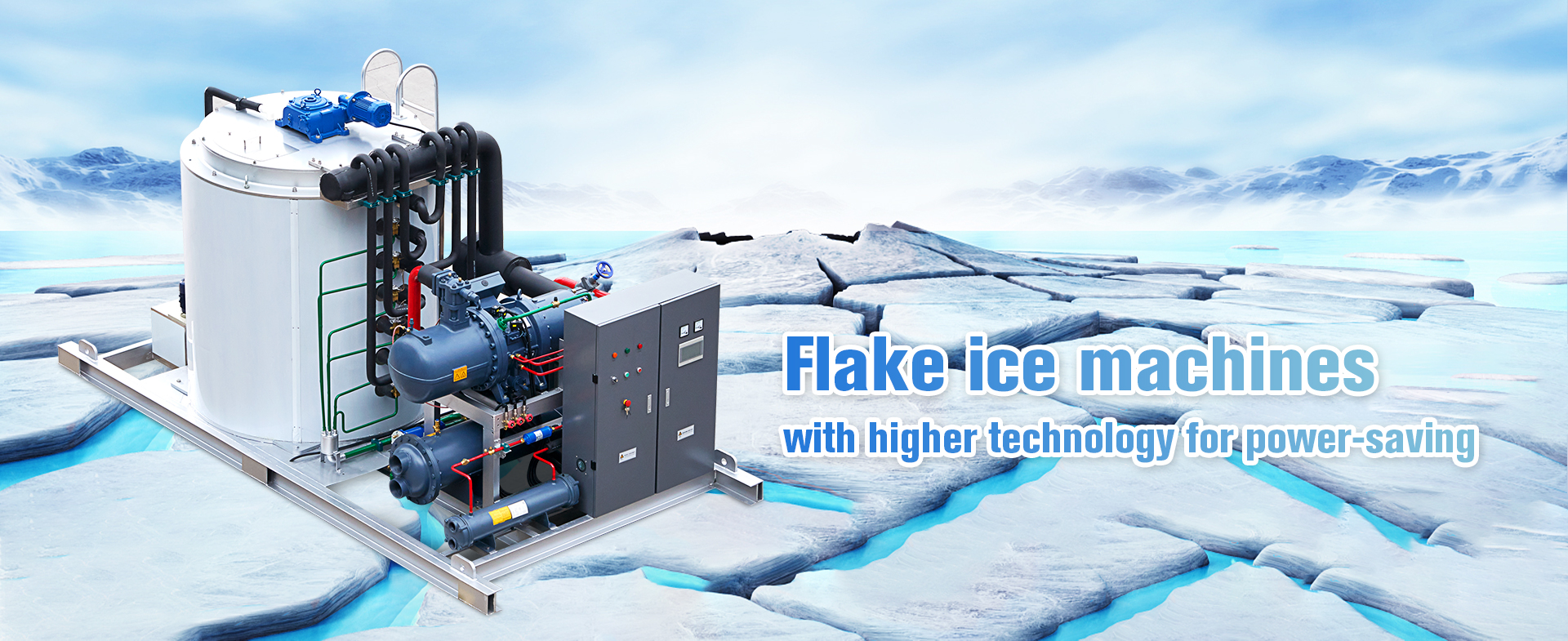
A seawater flake ice machine produces thin, dry ice from filtered seawater. A rotating evaporator drum freezes water on its surface. Scraper blades then remove the ice as soft flakes. These flakes quickly cover fish, shrimp, and other seafood without sharp edges. The FAO reported 185.4 million tonnes of global aquatic animal production in 2022. About 89% was used for direct human consumption. Reliable cooling is therefore a practical processing need, not a decorative feature.
Unlike freshwater systems, seawater machines face stronger corrosion and mineral buildup. Their evaporators need suitable stainless steel, careful filtration, and regular cleaning. Ice temperature, salinity, production capacity, and energy use should be checked together. A larger machine is not always better. Poorly matched capacity can create waste, unstable storage conditions, or unnecessary power costs. I would not trust a supplier’s output claim without testing local seawater. Real conditions often differ.
Tips: Ask for production data at your actual seawater temperature and salinity. Check food-contact materials and cleaning procedures. The FAO data supports the need for dependable seafood preservation, but it does not prove every machine performs equally. That distinction matters. Keep a sample of the flakes. They should look even, feel dry, and spread easily. Small details reveal weak design.
Seawater flake ice machines produce thin, irregular ice directly from treated seawater. Their operation begins with screening and filtration. This removes shells, sand, algae, and other suspended particles. A corrosion-resistant pump then moves water toward the freezing drum. Clean water matters.
Inside the machine, seawater spreads across a refrigerated vertical drum as a thin film. Refrigerant cools the drum surface from within. Ice forms gradually on the outer wall. A rotating scraper removes the frozen layer into small, soft flakes. These flakes surround seafood closely and reduce air gaps during storage. Some salt remains in the unfrozen brine, so the machine must control concentration and drainage carefully. Poor control can damage equipment and affect ice quality.
Reliable designs use suitable stainless alloys, protective components, and seals rated for saline conditions. Operators should monitor water temperature, brine density, ice thickness, and scraper pressure. Small changes can reveal fouling or uneven freezing early. Maintenance is not optional. That part is often underestimated. In real installations, seawater quality changes with tides, weather, and local discharge. A machine performing well in one harbor may need different filtration elsewhere. Supplier guidance should therefore include testing, cleaning procedures, spare parts, and measurable production data, not only attractive capacity figures.
| Data Dimension | Typical Technical Data | How It Works or Why It Matters | Supplier Evaluation Point |
|---|---|---|---|
| Ice Type | Dry, irregular flake ice | A thin layer of seawater freezes on a refrigerated drum and is removed by a scraper. | Confirm that the machine is specifically designed for seawater rather than only freshwater. |
| Reference Seawater Salinity | Approximately 35 g/kg, or 35 ppt | Salt lowers the freezing point and affects ice formation, brine concentration, and corrosion risk. | Ask for tested operating limits for salinity, temperature, turbidity, and suspended solids. |
| Seawater Freezing Point | About -1.9°C at 35 ppt salinity | The refrigeration system must cool the evaporating surface below the seawater freezing point. | Check whether the design temperature provides sufficient freezing margin without excessive energy use. |
| Typical Evaporating Temperature | Approximately -20°C to -25°C | A low evaporating temperature allows a stable ice layer to form on the drum surface. | Request performance data at the actual seawater inlet temperature and ambient conditions. |
| Common Ice Thickness | Approximately 1.5–2.5 mm | Thin flakes provide a large contact area and cool seafood or other products quickly. | Look for adjustable or well-controlled ice thickness and consistent scraper performance. |
| Ice Temperature at Discharge | Typically about -5°C to -8°C | Flake ice remains below the melting point while being suitable for direct product contact. | Verify the temperature under the intended storage, conveying, and ambient conditions. |
| Common Production Capacity | Approximately 1–50 metric tonnes per 24 hours per unit | Capacity depends on drum size, seawater temperature, refrigerant conditions, and operating schedule. | Compare guaranteed capacity at the required seawater temperature, not only the nominal rating. |
| Specific Energy Consumption | Approximately 55–90 kWh per tonne of ice | Energy use includes refrigeration, seawater circulation, scraping, controls, and ice discharge. | Require test conditions, power-meter data, and the complete system load before comparing offers. |
| Main Process Stages | Seawater intake → filtration → distribution → freezing → scraping → storage | Each stage protects the evaporator and maintains stable ice production. | Confirm that filters, pumps, drains, controls, and ice storage are included in the scope of supply. |
| Seawater Filtration | Coarse screening plus fine filtration suited to site water quality | Filters reduce sand, shells, algae, and other particles that can block spray channels or damage pumps. | Select a supplier offering accessible filters, flushing provisions, and clear maintenance intervals. |
| Evaporator Drum Material | Marine-grade stainless steel or another seawater-compatible material | Saltwater accelerates corrosion, especially where wet surfaces, oxygen, and crevices are present. | Request material certificates, weld specifications, surface-finish details, and corrosion protection measures. |
| Refrigeration Cycle | Vapor-compression refrigeration | The compressor raises refrigerant pressure, the condenser rejects heat, and the evaporator absorbs heat from seawater. | Check refrigerant type, local service availability, safety classification, and replacement-part support. |
| Ice Removal Method | Mechanical scraper or ice blade | The scraper continuously removes the frozen layer and transfers flakes to a chute or storage bin. | Inspect scraper durability, adjustment access, replacement frequency, and cleaning requirements. |
| Freshwater Rinsing | Recommended after production or during scheduled cleaning | Rinsing removes salt deposits and reduces corrosion and blockage in product-contact areas. | Confirm automatic or manual washdown procedures, drain design, and sanitation access. |
| Control and Monitoring | Temperature, pressure, water flow, level, overload, and alarm monitoring | Monitoring protects the compressor, identifies blocked filters, and helps maintain stable production. | Prefer clear alarm codes, remote monitoring options, data logging, and multilingual documentation. |
| Best-Fit Applications | Fishing vessels, seafood processing, docks, aquaculture, and coastal cold chains | Flake ice conforms closely to products, reduces physical damage, and transfers heat efficiently. | Evaluate the supplier’s installation design, commissioning service, warranty, spare parts, and operator training. |
Note: Technical values are typical engineering ranges for seawater flake ice systems. Actual performance varies with seawater salinity, inlet temperature, ambient temperature, filtration quality, operating hours, refrigeration configuration, and maintenance conditions.
A reliable Chinese seawater flake ice machine supplier should understand harsh coastal working conditions, not only factory production. Saltwater attacks metal surfaces, pumps, bearings, and electrical connections. Ask for marine-grade materials, corrosion-resistant evaporators, and clear salt concentration limits. The supplier should provide measured output, ice temperature, water consumption, power use, and test conditions. Brochures often show perfect numbers. Real installations are less tidy.
The FAO’s State of World Fisheries and Aquaculture 2024 reports 185.4 million tonnes of global fisheries and aquaculture production in 2022.
That scale increases demand for dependable onboard and shore-based cooling. FAO also reports that 13.2% of food was lost between harvest and retail in 2021. Effective ice production cannot solve every loss, but it can protect freshness during handling and transport. A capable supplier should offer factory acceptance testing, installation guidance, spare-parts planning, and remote technical support. ISO 9001 and ISO 22000 systems can strengthen process control, but certificates alone prove little. Request audit records, maintenance logs, and customer references from comparable climates. I would also inspect drainage, cleaning access, emergency stops, and refrigerant documentation. Small omissions matter. Suppliers should explain them plainly.
Best Seawater Flake Ice Machine Supplier in China?
When comparing seawater flake ice machines, do not judge capacity alone. A machine rated at 10 tons per day may produce less under hot weather or warmer seawater. Check the test conditions behind the number. Ask about seawater temperature, salinity, ice thickness, and operating hours. These details reveal whether the capacity matches your actual site.
Performance also depends on ice quality and energy use. Fine, dry flakes cool seafood quickly and spread evenly across storage boxes. However, overly thin ice may melt faster during transport. Review the refrigeration power per ton of ice, compressor stability, and daily water consumption. Stainless steel parts should resist salt corrosion, especially around the drum, pipes, and collection area. Request production records, inspection reports, and a live operating test when possible.
A practical comparison should include service access. Can technicians replace scraper blades without dismantling half the machine? Are common parts available locally? These questions matter during a fishing season. I once saw capacity treated as the only buying metric, and the decision became expensive after installation. That approach needs reconsideration. A smaller unit with steady output may serve better than a larger machine that struggles with seawater conditions. Check references from similar coastal facilities, but do not accept vague promises. Demand measurable data, clear warranty terms, and training for daily operators. Performance is proven in routine work, not in a brochure.
Best Seawater Flake Ice Machine Supplier in China?
A reliable supplier must prove more than freezing capacity. FAO’s State of World Fisheries and Aquaculture 2024 reported 185.4 million tonnes of aquatic animal production in 2022. That scale increases pressure on hygienic ice handling. Ask for food-contact material certificates, weld inspection records, and cleaning procedures. The ice should remain clean from seawater intake to insulated storage.
Saltwater is aggressive. Check 316L stainless steel, corrosion-resistant evaporator surfaces, and sealed bearings. Request chloride testing for source water and finished ice. Codex CXC 1-1969 states that ice contacting food should be made from potable or clean water. Seawater ice needs stronger evidence. A supplier should provide microbial test results, not only attractive photographs. Shortcuts become expensive.
Safety records matter too. ISO 5149 addresses refrigeration-system safety and environmental requirements. Confirm refrigerant type, leak alarms, pressure protection, emergency access, and technician training. UNEP’s 2022 Kigali Amendment assessment reinforces the global move toward lower-impact refrigerants. Energy data should show kilograms of ice produced per kilowatt-hour, measured under stated seawater temperatures. Numbers without test conditions are weak evidence.
Visit the factory if possible. Watch the cleaning process. Inspect drains, electrical panels, and corrosion around fasteners. A factory may pass an audit and still miss small maintenance details. I would require a witnessed performance test, spare-parts list, and written response times before payment. The best supplier is not necessarily the cheapest; it is the one whose evidence survives difficult questions.
A reliable seawater flake ice machine supplier in China should offer more than equipment. Service quality becomes visible long after the quotation. During factory evaluations, ask how technicians handle salt buildup, uneven freezing, and blocked seawater filters. These details affect ice output on a busy fishing vessel or coastal processing line. Request commissioning records, maintenance intervals, and response times in writing. Clear documents build trust.
Customization should begin with operating data, not attractive drawings. Share seawater temperature, salinity, daily ice demand, available floor space, and local power conditions. A practical supplier can adjust evaporator sizing, hopper capacity, controls, and corrosion-resistant materials. Food-contact surfaces need careful selection and easy cleaning access. Small design changes matter. A wider access door can reduce cleaning time, while remote alarms can prevent unnoticed temperature rises. Still, customization has limits. Oversized equipment may waste energy and complicate spare-parts planning.
After-sales support should continue through installation, operator training, and routine inspections. Ask whether support includes troubleshooting videos, spare-parts recommendations, and scheduled remote checks. For critical operations, keep common parts nearby, such as sensors, seals, pumps, and scraper components. A dependable supplier records service cases and explains recurring faults instead of hiding them. No system is perfect. Even a well-built machine may struggle when seawater quality changes suddenly. Honest communication, measurable service commitments, and experienced engineers make recovery faster.
Choosing the best seawater flake ice machine supplier starts with your operation, not a catalogue. FAO’s The State of World Fisheries and Aquaculture 2024 reported 185 million tonnes of aquatic animals produced in 2022. That scale explains why reliable icing matters in fishing, processing, and export logistics. Define peak catch, ice-to-fish ratio, seawater salinity, ambient temperature, and power supply. A machine sized for average demand may fail during a landing surge. That mistake is expensive.
Ask suppliers for measured output under your conditions, not laboratory claims. The machine should use corrosion-resistant materials and hygienic ice-contact surfaces. Cleaning points must be easy to reach. Codex guidance for fish products emphasizes keeping chilled fish close to 0°C with enough ice. Request energy use per tonne, water-quality requirements, refrigerant details, drawings, and test records. Inspect the evaporator carefully. Seawater is unforgiving.
Supplier reliability means more than a low quotation. Verify ISO 9001 processes, factory inspection records, spare-parts availability, technician response times, and references from similar coastal sites. Compare five-year costs, including electricity, cleaning, corrosion repairs, and downtime. FAO also identifies aquatic foods as highly perishable, so delayed service can reduce value within hours. Evidence matters. Published capacity may not match warm seawater or unstable voltage. Require a witnessed acceptance test using your water and realistic loading. Judge the supplier by evidence, not confident promises.
Seawater salinity directly affects the freezing point and the operating conditions of a flake ice machine. At normal ocean salinity of approximately 35 ppt, seawater freezes at about −1.9°C. When evaluating a supplier, confirm that the evaporator, seawater pump, piping, and fasteners are designed for chloride exposure and that the machine has been tested with the salinity and temperature of your actual water source.
A 20-ton-per-day seawater flake ice machine can provide a dependable ice supply for commercial frozen seafood operations, where rapid chilling is essential for maintaining freshness, appearance, and product quality. Its thin, dry flakes offer excellent coverage around fish, shellfish, and other seafood, helping reduce heat quickly during harvesting, processing, sorting, and transport. The machine is available in two configurations: one designed for marine use and another for land-based facilities, allowing businesses to select an installation style that matches their operating environment.
For marine applications, users can draw seawater directly from the surrounding sea for ice production and use seawater as the condenser’s circulating water. This design can support onboard fishing vessels and coastal processing operations while reducing dependence on freshwater resources. In land-based facilities, the system can be integrated with suitable seawater intake, filtration, and circulation equipment to maintain stable operation. The reference power supply is 380V/50Hz, while a 60Hz configuration can be provided when required, helping the equipment adapt to different regional electrical standards and commercial seafood processing conditions.
Treated seawater spreads over a refrigerated vertical drum. A thin frozen layer forms outside. A rotating scraper removes it as soft flakes.
Filtration removes shells, sand, algae, and suspended particles. Clean water protects pumps and freezing surfaces. Blocked filters reduce production quickly.
Thin flakes surround seafood closely. They reduce air gaps inside storage containers. This helps maintain more even cooling during handling.
Some salt remains in the unfrozen brine. The machine must control brine concentration and drainage. Poor control can lower ice quality.
Check water temperature, brine density, ice thickness, and scraper pressure. Small changes may reveal fouling or uneven freezing early.
Reliable systems use corrosion-resistant stainless alloys, protective components, and saline-rated seals. Food-contact surfaces should be easy to clean.
Share seawater temperature, salinity, daily ice demand, floor space, and power conditions. Adjustments may include drum size, hopper capacity, controls, and materials.
Support should cover installation, operator training, inspections, troubleshooting, and spare-parts planning. Ask for response times and commissioning records in writing.
Keep sensors, seals, pumps, and scraper components available. This can shorten downtime during busy fishing or processing periods.
Not always. Tides, weather, and local discharge can change seawater quality. A system may need different filtration elsewhere. That limitation deserves attention.
A Seawater Flake Ice Machine is designed to produce thin, dry ice flakes from treated seawater, making it useful for seafood preservation, fishing vessels, coastal processing plants, and cold-chain operations. The machine typically filters seawater, circulates it over a refrigerated freezing surface, and scrapes off the formed ice continuously. Its performance depends on refrigeration efficiency, corrosion-resistant materials, water treatment, ambient conditions, and stable control systems.
When selecting a reliable Chinese supplier, buyers should compare ice capacity, energy consumption, operating temperature, footprint, automation level, and long-term durability. Important quality and safety considerations include hygienic construction, electrical protection, pressure safety, environmental compliance, and documentation for installation and operation. A dependable supplier should also provide customized designs, technical consultation, installation guidance, spare parts, maintenance support, and responsive after-sales service. The best choice is a supplier that can match the machine to your seawater quality, production volume, site conditions, budget, and expected service life while offering transparent specifications and dependable support.