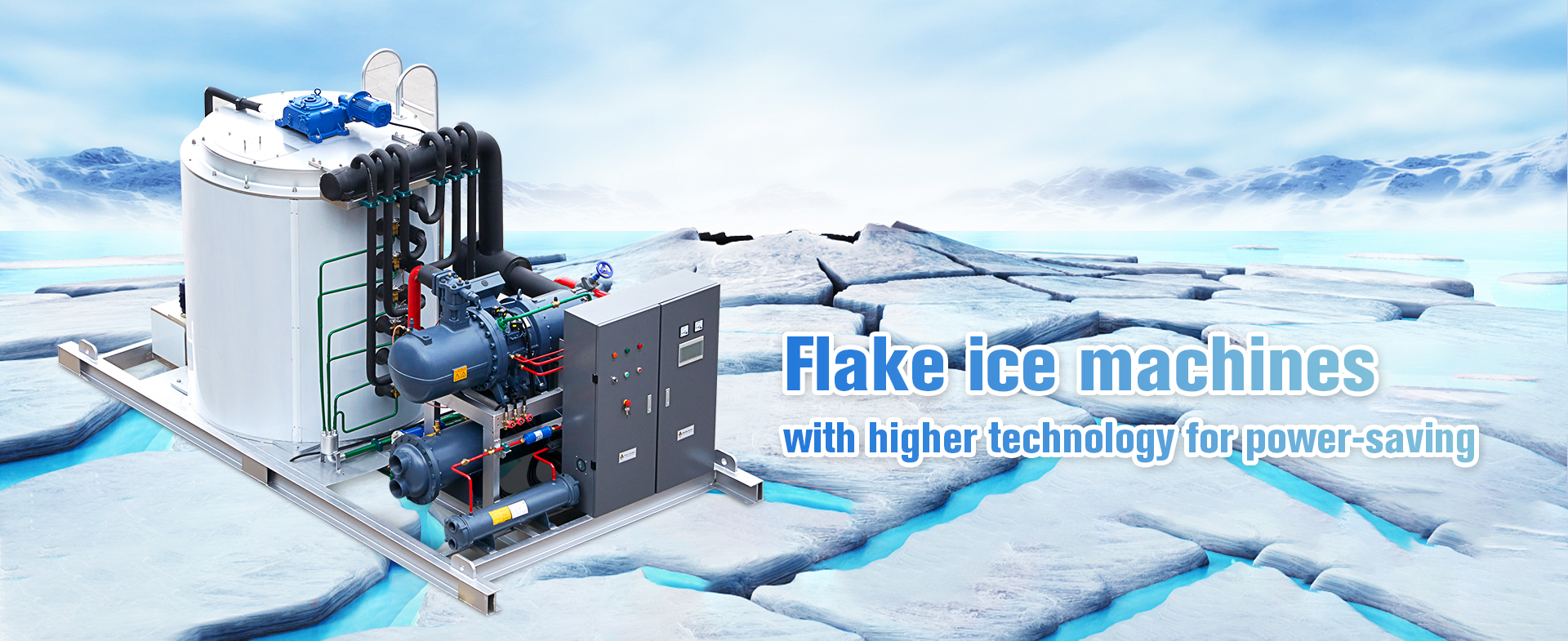
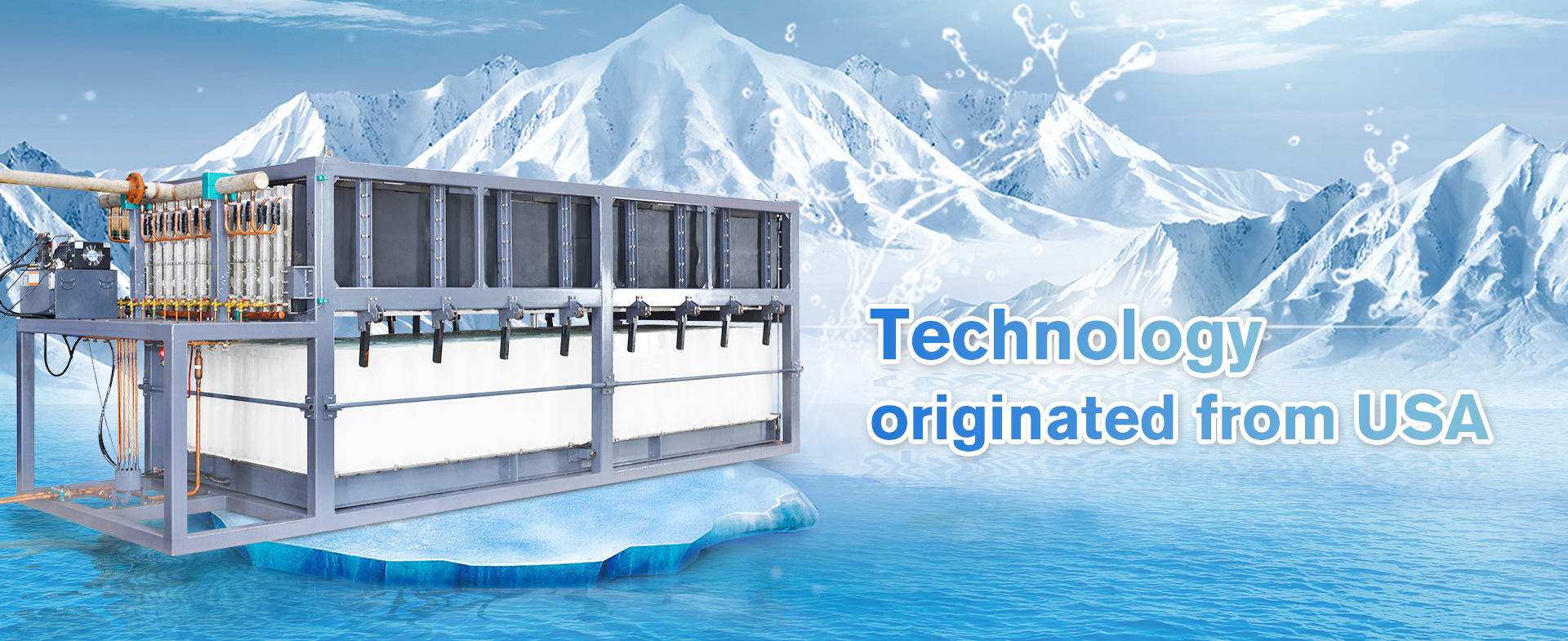

So, a flake ice maker evaporator is basically the cold surface doing the work. It's where water freezes into thin, soft flakes of ice. In a lot of commercial ice systems, it's kind of the heart of the whole setup.
As refrigeration engineer Alex Morgan puts it: “The evaporator takes controlled refrigeration and turns it into a steady layer of ice you can actually use.” Pretty straightforward, right? But honestly, that simple take is also a pretty practical one.
So inside the unit, the refrigerant goes through an expansion valve first, then heads into the evaporator. Once it gets there, the pressure drops—and that makes it get really, really cold. Meanwhile, water is flowing over a chilled stainless steel drum or cylinder. A thin layer of it freezes right onto the surface. Then a rotating scraper comes along and scrapes the ice off before it can turn into one solid block.
Basically, this process makes small flakes that aren't perfectly shaped. They're pretty easy to spread across seafood, produce, concrete, and other stuff that's sensitive to temperature. The ice also hugs the surface closely, which helps cut down on those empty air pockets.
Then the compressor pushes refrigerant through the system, and the condenser gets rid of the heat it's absorbed. But here's the thing: water flow, refrigerant pressure, drum temperature, and scraper speed all have to cooperate. If even one is a little off, you can end up with wet flakes, thick sheets, or production that just won't stay stable.
That's the part people often underestimate—honestly, it matters more than it looks.
A properly designed Flake Ice Maker Evaporator should give you consistent freezing, smooth ice release, and dependable sanitation access. If you're running the unit, do yourself a favor and inspect the water distribution system and scraper regularly. Mineral buildup is sneaky—it can reduce heat transfer and mess with the ice quality.
Honestly, no single design works perfectly for every setup. Some systems are all about capacity, while others lean toward a smaller footprint or lower energy use. So when you're picking an evaporator, it's not just about comparing ice output. Things like water quality, ambient temperature, how you maintain it, and the flake texture you need all come into play too.
A flake ice maker evaporator is the cold surface where liquid water becomes thin, soft ice. It usually consists of a vertical, stainless-steel cylinder with refrigerant channels inside. Water flows over the cylinder’s outer wall. As the refrigerant absorbs heat, a thin ice layer forms on the chilled surface.
A rotating scraper removes the ice before it becomes a solid block. The flakes then fall into a storage bin or pass through a discharge system. This continuous process produces small, irregular pieces that cool seafood, produce, concrete, and other temperature-sensitive materials efficiently. The evaporator must maintain stable temperature and refrigerant pressure. Small changes can affect ice thickness, texture, and production speed.
In practical maintenance, technicians inspect the scraper, water distributor, seals, and cylinder surface. Mineral scale can reduce heat transfer and create uneven ice. Poor sanitation may also contaminate the water circuit. The design is efficient, but not flawless. A worn scraper can leave ice behind, while excessive pressure may damage the refrigeration system. Operators should follow measured cleaning schedules, check water quality, and record temperature changes. These simple records often reveal problems before production drops.
A flake ice maker evaporator is the cold working chamber where water becomes thin, brittle ice. Its main body is a vertical stainless-steel drum, cooled by refrigerant flowing through external channels. Water spreads across the inner wall as a controlled film. The cold surface freezes it quickly.
A rotating scraper assembly removes the frozen layer continuously. Its blades must stay close to the drum without touching it heavily. This balance reduces wear and keeps the flakes consistent. A geared drive motor controls the scraper’s slow movement. The water distributor sits above the drum and helps prevent dry areas. Small flow changes can create uneven ice.
The refrigeration circuit includes the compressor connection, expansion device, refrigerant passages, and return line. Insulation around the evaporator limits unwanted heat gain. Sensors monitor water level, temperature, motor load, and ice production. These controls protect the equipment during abnormal conditions. In practical servicing, blade clearance deserves careful attention. A tiny alignment error can increase noise or overload the motor. No evaporator stays perfect. Mineral buildup, worn seals, and unstable water flow can gradually reduce performance, so technicians should inspect these parts rather than trust appearance alone.
A flake ice maker evaporator is a cold, usually cylindrical surface where water becomes thin ice flakes. Water reaches this surface through a small pump, distributor, or spray bar. The pump lifts chilled water from the sump. The distributor then spreads it across the evaporator’s upper edge.
Gravity pulls the water downward as a thin film. Refrigerant inside the evaporator removes heat from the metal wall. The film freezes gradually, layer by layer. A rotating scraper or auger removes the brittle ice before it becomes a solid shell. The flakes then fall into the storage bin. The path is simple. Control is not.
ASHRAE Handbook—Refrigeration, 2022, stresses stable refrigerant control and even heat transfer for reliable ice production. In field service, technicians check water flow, spray alignment, and mineral buildup first. A blocked outlet can create dry stripes. Hard water can reduce freezing efficiency. FAO fish-handling guidance commonly uses about 1 kilogram of ice per kilogram of fish in many chilled conditions, so consistent flake production matters. Still, the ratio changes with weather, insulation, and product temperature.
Tips: Keep the water filter clean and inspect the distributor weekly. Measure water flow instead of guessing. A thin, continuous film usually performs better than heavy splashing. Do not ignore uneven flakes; they may indicate scaling, poor leveling, or unstable refrigeration. My practical view is imperfect: water quality often receives less attention than compressor settings, although it can decide the result.
A flake ice maker evaporator freezes water through controlled refrigeration. Refrigerant enters the evaporator as a cold, low-pressure fluid. It absorbs heat while boiling inside the coil or jacket. Water flows across a chilled vertical drum, forming a thin layer on its surface. A rotating scraper removes the frozen layer before it becomes a solid block.
The freezing step requires more energy than simple cooling. According to the ASHRAE Handbook—Refrigeration, water releases about 334 kilojoules of latent heat per kilogram when freezing at 0°C. That equals nearly 93 watt-hours of cooling. The evaporator must remove this heat continuously, not just lower the water temperature. Small changes matter. Poor water distribution can create soft spots, uneven flakes, or excessive thickness.
The compressor raises the refrigerant’s pressure after evaporation. A condenser then rejects the absorbed heat, while the refrigerant returns through an expansion device. The cycle repeats. The International Institute of Refrigeration reports that refrigeration can represent around 15–20% of global electricity use, depending on the calculation boundary and sector. Efficient ice production therefore depends on clean heat-transfer surfaces, correct refrigerant flow, and stable water delivery. In field inspections, operators sometimes focus only on output weight. That can miss a slower problem: scale on the evaporator, which quietly increases freezing time and energy demand.
A flake ice maker evaporator is the cold surface where water becomes thin, soft ice. Refrigerant flows through the evaporator wall and removes heat from the water film outside. Unlike cube ice systems, it does not freeze water inside separate molds.
The ice layer forms when the wetted surface falls below water’s freezing point. ASHRAE Handbook—Refrigeration (2022) uses 0°C as the standard freezing reference for water. NIST data lists ice’s latent heat of fusion at approximately 333.5 kJ/kg. This means the evaporator must remove substantial heat before a stable layer can develop.
The process begins with a thin film. Water spreads across the freezing surface, and small crystals appear first at colder areas. More water freezes onto these crystals, increasing the layer’s thickness. However, thicker ice also creates thermal resistance. Growth then slows unless the refrigerant temperature and water distribution remain balanced.
In practical service work, uneven spray patterns often produce brittle sections and wet patches. Not perfectly uniform.
A scraper or rotating cutter removes the ice at a controlled thickness. The broken flakes fall into the storage bin, usually between roughly 1 and 3 millimeters thick, depending on machine design. Excessive freezing can overload the scraper. Insufficient freezing creates watery, fragile flakes. Mineral scale makes this balance harder, so evaporator inspection should include surface cleanliness, refrigerant performance, and water-film coverage.
That assumption can be wrong. A colder surface does not always mean better ice production.
A flake ice maker evaporator is the cold working surface where water becomes thin, brittle ice. In many machines, it is a vertical stainless-steel drum or cylinder. Refrigerant absorbs heat inside the drum. A distributor sends a controlled film of water across its outer wall. As the surface temperature drops, water freezes in layers. The result is loose flake ice, not a solid slab.
Harvesting begins when a rotating scraper or cutter meets the frozen film. The tool removes ice continuously or during short timed cycles. Gravity helps the loose flakes fall into a storage bin. Proper adjustment matters. If the scraper presses too hard, it can waste energy and wear the surface. If it runs too lightly, thick ice may remain and reduce heat transfer. From service inspections, uneven water flow is a common cause of thin patches and wet flakes. The evaporator needs clean water passages, stable refrigerant pressure, and a correctly aligned scraper.
Ice thickness depends on surface temperature, water flow, and scraper speed. Colder does not always mean better. Excessive cooling can create hard spots and unstable operation. Technicians should inspect ice texture, listen for unusual scraping, and check frost patterns around the refrigeration circuit. These details often reveal problems before production stops. Still, the process is not perfectly uniform. Mineral scale, room temperature, and small alignment errors can change the harvest pattern. Measured adjustments usually outperform guesswork.
A flake ice maker evaporator is the cold surface where thin ice forms. Refrigerant removes heat from the evaporator wall. Water flows across that chilled surface and freezes into a thin layer. A scraper then breaks the ice into soft flakes.
Evaporator performance depends heavily on refrigerant flow and surface temperature. If the temperature is too high, ice forms slowly or becomes wet. If it is too low, ice may become thick and difficult to scrape. Water distribution matters, too. Blocked spray holes can leave dry patches and uneven ice. Even a small flow problem can reduce production. It happens quietly.
Water quality is another major factor. Minerals can build a rough coating on the freezing surface. That coating reduces heat transfer and may increase power consumption. Regular cleaning helps, but aggressive tools can scratch the evaporator. Those scratches create places for scale to return. Operators should check water filters, flow rate, and ice thickness during routine service.
Ambient temperature, condenser cleanliness, and insulation also affect performance. A hot equipment room makes heat rejection harder. Dust on the condenser can raise operating pressure and slow freezing. Technicians often compare suction pressure, discharge pressure, ice texture, and cycle time together. One reading rarely explains the whole problem. Sensors can drift, so visual inspection still deserves attention. The process is measurable, but not perfectly predictable.
Market research and cold-chain assessments consistently highlight the growing importance of reliable ice production for seafood handling, food distribution, and temperature-sensitive logistics. A 30-ton-per-day flake ice maker can support busy processing facilities by producing thin, dry flakes with a large contact surface, helping products cool quickly while reducing thermal stress. Its capacity is suitable for operations that require a steady ice supply throughout the day, especially where cold-chain continuity is essential.
The core evaporator uses a fixed vertical design manufactured from SUS304 stainless steel or carbon steel, offering durability and efficient heat transfer. A noble-metal surface treatment can improve resistance to corrosion and wear, while automated protective welding equipment and annealing heat treatment help maintain structural consistency and dependable performance. For continuous ice production, the evaporator tube only needs to be connected to an appropriate refrigeration source, simplifying installation and reducing system costs. This configuration can be integrated into flake ice plants and ammonia-based refrigeration systems, giving operators flexibility when expanding existing cooling infrastructure or building a dedicated high-volume ice production line.
Refrigerant enters the evaporator as a cold, low-pressure fluid. It boils inside the coil or jacket and absorbs heat. Water flows over a chilled vertical drum. A thin frozen layer forms on the outer surface.
Freezing removes both sensible heat and latent heat. One kilogram of water releases about 334 kilojoules during freezing at 0°C. That equals nearly 93 watt-hours of cooling. The evaporator must remove this heat continuously.
A rotating scraper removes the frozen film from the drum. Gravity carries loose flakes into a storage bin. The scraper prevents a solid ice block from forming. The process can run continuously or in short cycles.
Excessive pressure can increase energy use and surface wear. Light pressure may leave thick ice behind. That ice reduces heat transfer. Listen for unusual scraping sounds. Small clues matter.
Surface temperature, water flow, and scraper speed all affect thickness. Colder operation does not always produce better ice. Excess cooling can create hard spots and unstable operation. Measured adjustments are safer than guesswork.
Uneven water distribution can create thin patches and wet flakes. Mineral scale may also disturb the water film. Small scraper alignment errors can change the harvest pattern. The result may look acceptable but perform poorly.
The compressor raises refrigerant pressure after evaporation. The condenser rejects the absorbed heat. An expansion device lowers refrigerant pressure again. The cycle then repeats. Clean surfaces help maintain stable heat transfer.
Check water passages, refrigerant pressure, scraper alignment, and frost patterns. Inspect ice texture and listen during harvesting. Do not measure output weight alone. Scale can quietly increase freezing time and energy demand. The diagnosis may be imperfect. Still, small signs often appear early.
A Flake Ice Maker Evaporator is the core component that turns water into thin, soft ice flakes. It usually consists of a chilled cylindrical surface, water distribution system, refrigerant channels, insulation, and an ice removal mechanism. Water is delivered evenly across the evaporator surface, where refrigerant flowing through internal passages absorbs heat and rapidly lowers the surface temperature. As the water cools, a thin layer of ice begins to form and gradually becomes thicker. The continuous flow of water helps create a uniform ice layer while carrying away impurities and excess water.
When the ice reaches the desired thickness, a scraper, auger, or similar harvesting device separates it from the freezing surface. The flakes then fall into a storage or collection area. Evaporator performance depends on refrigerant temperature, water flow rate, surface condition, ice thickness, system pressure, and heat transfer efficiency. Proper control of these factors helps produce consistent, dry, and easily handled flake ice.