

0%

So, picking a flake ice machine supplier isn't just about who's got the cheapest price or the biggest number on the spec sheet. Honestly, for folks buying internationally, it's about whether the equipment actually fits what you're doing day in and day out—maybe you're processing seafood, or keeping food displays chilled, running a lab, or managing cold storage. Like, a machine that makes thin, dry flakes is great if you need to cool products fast, but if you're tight on space or your demand goes up and down, a different setup might make way more sense. And you know, the little things—those really can make or break your workflow. Honestly, after you get it installed, a bunch of stuff can throw it off — like the water quality, the temperature in the room, the power supply, even your drainage. It's not just one thing, you know? They all kind of team up to mess with performance.

So, this guide is basically your go-to for getting a handle on suppliers based in China—and more importantly, the right questions to ask them. When you're comparing options, you'll want to dig into things like their actual production capacity (like, can they really handle your order?), how much ice they can churn out under the specific conditions they claim, what materials touch the ice (’cause no one wants weird tastes or safety issues), the control systems they use, and whether they can customize stuff for you. And hey, don't forget to ask for straight-up technical specs, clear installation guidance, what the warranty actually covers, and how they handle service if you're shipping to another market. It's all about being thorough before you commit, you know? Don't hesitate to ask for references or even some inspection evidence if it makes sense – and make sure the export documents actually line up with what you're expecting. Sure, a shiny catalogue looks nice, but let's be real – it doesn't guarantee that the manufacturer is consistent or that they'll support you when things go sideways. Also, keep in mind that not every quote covers the same stuff. Some claims might be based on perfect lab conditions, so you'd want to dig a little deeper. And hey, supplier info can change overnight – so always double-check directly before you commit to an order. When you really take the time to compare things side by side, it kinda helps you spot the right partner—without just falling for the cheapest price or the flashiest numbers. Those might look great on paper, but they don't guarantee anything, you know?

China Top Flake Ice Machine Suppliers for Global Buyers

What Flake Ice Machines Are and How They Work

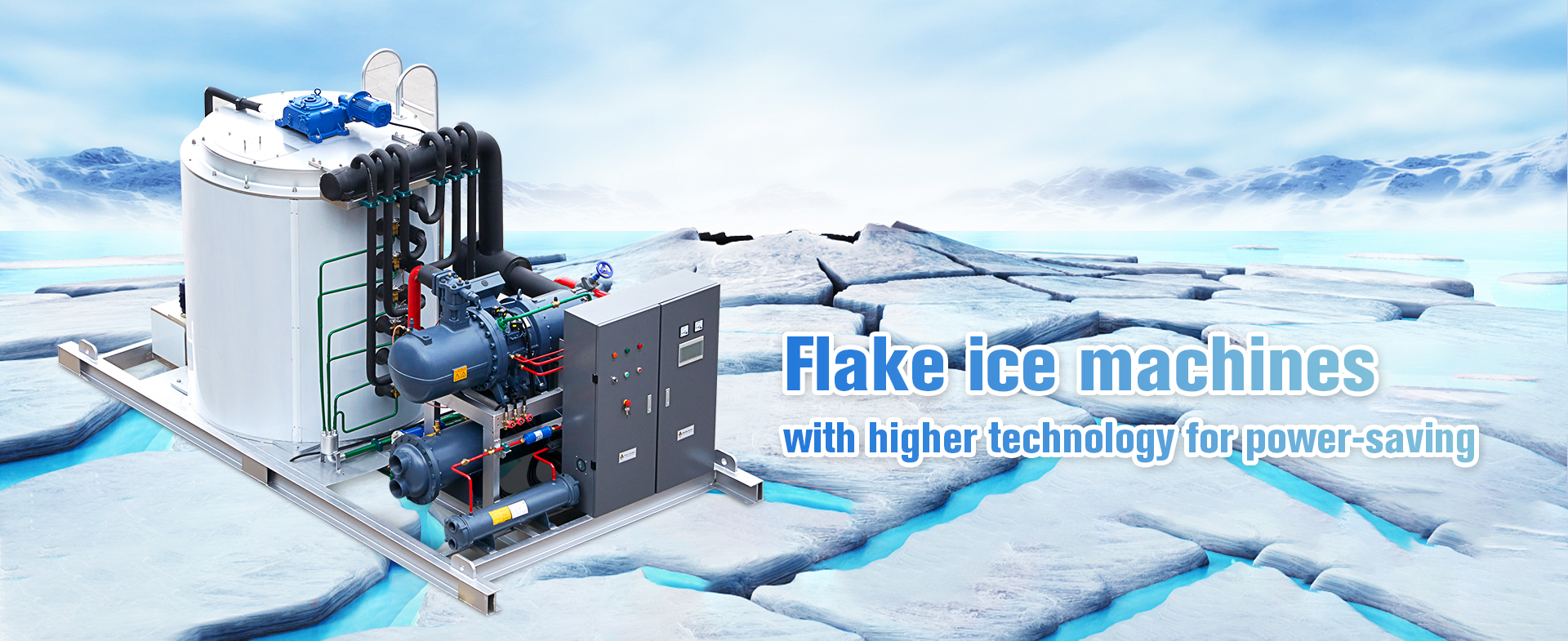
Flake ice machines make thin, irregular pieces of ice rather than solid cubes. The flakes have a large surface area, so they can cool products quickly and fit around uneven shapes. In many machines, water flows over a refrigerated evaporator surface. As heat leaves the water, a thin ice layer forms. A rotating scraper then removes the layer, breaking it into flakes that fall into a storage bin. The cycle continues while the machine runs. The exact arrangement varies by design, but the basic principle is controlled freezing followed by mechanical harvesting.

The refrigeration circuit removes heat from the evaporator and releases it through a condenser. Water quality, steady flow, and clean surfaces all affect how reliably ice forms. Small details matter. In real operation, scale or uneven water distribution can make ice thicker in some areas and reduce output. A technician may check the scraper, drainage, condenser airflow, and water system during routine maintenance. Flake ice is useful for seafood, produce, and food processing, but it is not automatically right for every cooling task. Buyers should compare required ice capacity, storage needs, and operating conditions before choosing a machine. A specification sheet helps, though actual performance can still depend on installation and maintenance.

Key Applications Across Food, Fisheries, and Industry

Across food operations, flake ice cools ingredients without large, hard blocks. Its thin pieces spread easily over fish, meat, and produce. In bakeries, it can help control dough temperature during mixing. That matters. Operators should match ice output to peak demand, not just average daily use. Clean water and regular equipment cleaning are essential; ice is part of food handling, not a substitute for it.

At fishing ports and aboard vessels, crews use flake ice to surround catch quickly and reduce uneven cooling. It settles between fish and into storage bins. Quick chilling helps protect freshness, but timing and drainage matter too. Meltwater should not pool around the catch. Clean ice matters. A machine’s capacity must also suit local temperatures and operating hours, which can vary sharply between seasons.

Industrial users apply flake ice in concrete batching, where it can help manage heat during mixing, especially in warm conditions. Some processing lines also use it for controlled cooling. Buyers should compare production capacity, ice thickness, water requirements, and maintenance access. Ask how output changes in hot weather. Small details count. A low purchase price may look attractive, but downtime during a busy shift can cost more.

China’s Flake Ice Machine Supplier Landscape

China’s flake ice machine supplier landscape includes specialist manufacturers, refrigeration-system integrators, and export-focused trading companies. Their online specifications can look similar, yet production capability and technical support vary. Some factories make evaporators in-house; others assemble machines using externally sourced components. That distinction matters. Ask for ice output at specified water and ambient temperatures, rather than relying on a headline capacity figure.

The International Institute of Refrigeration’s 2019 report, The Role of Refrigeration in the Global Economy, estimates that refrigeration uses about 17% of global electricity. It also attributes roughly 7.8% of global greenhouse-gas emissions to refrigeration. These figures make compressor efficiency, insulation, and water use relevant purchasing checks, though they do not compare individual suppliers. Before ordering, request a detailed specification, wiring diagram, parts list, and test records. Confirm voltage, frequency, refrigerant, packaging, and spare-parts availability for the destination market. A factory video helps, but it is not an audit. Supplier comparisons are imperfect, too: stated output may not reflect a hot, humid installation.

China Top Flake Ice Machine Suppliers for Global Buyers - China’s Flake Ice Machine Supplier Landscape
Supplier Segment Indicative Daily Capacity Common System Configuration Typical Buyer Applications Key Checks for Global Buyers
Compact and light-commercial systems Approximately 0.5–5 tonnes per day Packaged or modular units; air- or water-cooled options; commonly paired with an ice storage bin Small seafood operations, food processing rooms, laboratories, and local ice distribution Confirm rated output at the stated ambient and water temperatures, electrical supply, storage capacity, and cleaning access.
Mid-capacity industrial systems Approximately 5–20 tonnes per day Separate ice-making and refrigeration components may be offered; automatic controls and conveying options are common Seafood processors, produce cooling, food factories, and regional ice plants Request a full-load performance sheet, refrigeration component specifications, installation requirements, and details of local service support.
Large-capacity and project systems Approximately 20–60+ tonnes per day, depending on design Engineered systems with multiple ice makers, centralized refrigeration, ice storage, and optional conveying or dosing equipment Large seafood markets, industrial food processing, ports, and centralized ice supply facilities Review the complete plant scope, peak-load performance, redundancy, commissioning plan, safety provisions, and spare-parts strategy.
Seafood-focused equipment suppliers Capacity varies by model and project Flake ice production equipment configured for handling, storage, and delivery near processing or packing lines Fish landing sites, seafood processing, chilled display, and fish transport preparation Check ice temperature and thickness specifications, hygienic design, water quality requirements, and compatibility with food-contact standards in the destination market.
Turnkey refrigeration project suppliers Usually specified to order Integrated design may include the ice plant, cold rooms, storage, conveying, controls, and site installation New facilities or major upgrades requiring coordinated refrigeration and ice-handling equipment Clarify which equipment and services are included, who is responsible for installation, and how performance acceptance will be measured.
Note: Capacity ranges are indicative market categories, not verified specifications for any individual supplier. Actual output depends on the machine design and operating conditions, including ambient temperature, inlet-water temperature, and power supply. Buyers should request model-specific technical documents and confirm applicable import, electrical, refrigerant, and safety requirements.

How to Compare Chinese Suppliers and Equipment

Compare suppliers using the same operating conditions, not headline capacity alone. Ask for daily output at your expected room temperature, water temperature, and flake thickness. A machine rated for ten tons may produce less in a hot, poorly ventilated room. Request a recent production test with recorded figures. Conditions matter.

Inspect the evaporator, refrigeration system, and parts that contact water. Ask for material specifications and cleaning instructions, then check whether operators can reach drains and internal surfaces without awkward disassembly. Small details count. A narrow access panel can turn routine cleaning into a slow task. Paper specifications can flatter a machine, so request clear photos or a live inspection where practical.

Compare total operating needs, too. Ask about power consumption, water use, defrost cycles, spare parts, and technician response times. Have the supplier explain installation requirements and export packaging, including protection for the control cabinet and moving parts. I would not treat one factory video as proof. A sample run or independent inspection offers stronger evidence, though it adds time and cost. Keep written answers beside the quotation; vague promises are hard to compare later.

Certifications, Customization, and Quality Checks

For global buyers comparing China’s flake ice machine suppliers, certifications are a useful starting point, not a guarantee. Ask for current documents and check that their scope covers the specific machine model and intended market. Keep a record of certificate numbers, issue dates, and testing bodies. Small details matter.

Customization should reflect the installation, not just a preferred control panel. Confirm voltage and frequency, available floor space, water quality, drainage, and expected room temperature. A seafood-processing site may need different ice storage and delivery arrangements than a supermarket. Share these details before production, then approve drawings and connection locations in writing. Even careful planning can miss something; a drain outlet placed on the wrong side can complicate installation.

Quality checks should include visible inspection of welds, surfaces, insulation, and electrical connections. Request a test run with recorded ice output and operating conditions, rather than relying on a general capacity figure. Check that the flakes look consistent and that the unit stops and restarts properly. Ask how inspection findings are documented and how defects are handled. No checklist catches everything, so clear communication and a realistic commissioning plan still matter.

Export, Installation, and After-Sales Support for Global Buyers

For global buyers, choosing a flake ice machine supplier is only part of the decision. Export readiness matters just as much. The International Institute of Refrigeration’s 2020 report estimates that inadequate refrigeration contributes to losses of roughly 12% of global food production. Reliable ice supply can help protect seafood and other perishables during handling. Ask suppliers to confirm the machine’s output at your local water temperature and ambient conditions. A capacity figure without operating conditions can be misleading.

Before shipment, check voltage, frequency, water connections, drainage, and packaging suitable for long-distance transport. Request clear installation drawings and a spare-parts list. On arrival, a trained technician should verify water flow, electrical connections, ice thickness, and drain performance. Small details matter. A poorly positioned drain can leave meltwater around the machine. After-sales support should include remote troubleshooting, maintenance guidance, and realistic response times across time zones. These details are easy to overlook, and support promises should be confirmed in writing.

Tips: Share your site dimensions, power supply, water quality, and expected daily demand before ordering. Keep photos of the installation and commissioning readings. They can help diagnose issues later.

China’s Exports of Goods and Services

Exports as a share of GDP, providing broader context for global buyers considering China-based suppliers.

This national-level indicator is not specific to flake ice machines or individual suppliers. Source: World Bank, “Exports of goods and services (% of GDP)” (NE.EXP.GNFS.ZS). View the data.

Choosing the Right 15KA Flake Ice Machine for Reliable, High-Volume Cooling

Choosing the Right 15KA Flake Ice Machine for Reliable, High-Volume Cooling

A 15KA flake ice machine rated at 1,500 kg per 24 hours is designed for operations that need a steady supply of cooling ice throughout the day. Its flake ice is easy to spread over products and useful for beverage cooling, keeping vegetables fresh, preserving fishery products, and supporting chemical processing. When selecting a machine, consider both its daily output and whether flake ice suits your storage, handling, and cooling needs.

During operation, a pump moves water from the tank to a distribution tray, which spreads it over the evaporator’s inner wall. Refrigerant circulating inside the evaporator removes heat until a layer of ice forms. A reducer drives the ice blade to scrape the layer from the wall, and the flakes drop into the ice bin. Unfrozen water drains into a collection tray and returns to the tank for reuse, allowing ice production to continue. This recirculating process supports consistent output for high-volume applications.

FAQS

How should I compare machine capacity?

Compare daily output under your expected room temperature, water temperature, and flake thickness. A ten-ton rating may not match hot-room performance. Conditions matter.

What evidence should I request before choosing a supplier?

Ask for a recent test with recorded output and operating conditions. Clear photos or a live inspection can help. One factory video is not enough.

Which machine details should I inspect?

Check the evaporator, refrigeration system, welds, insulation, and electrical connections. Ask for material specifications and cleaning instructions. Look closely at drains.

How can I judge whether cleaning will be manageable?

Confirm operators can reach drains and internal surfaces without awkward disassembly. A narrow access panel can slow routine cleaning. Easy access matters.

What operating costs and support details should I compare?

Ask about power use, water use, defrost cycles, spare parts, and technician response times. Get installation and export-packaging requirements in writing. Vague promises are hard to compare.

What should I confirm before requesting customization?

Share voltage, frequency, floor space, water quality, drainage, and expected room temperature. Approve drawings and connection locations in writing. Check the drain side.

How should I verify certificates and quality checks?

Check current documents, certificate numbers, issue dates, and testing bodies. Confirm each document covers the specific model and intended market. Paperwork alone is not a guarantee.

What should happen during a test run?

Record ice output and operating conditions. Check that flakes look consistent and the unit stops and restarts properly. No checklist catches everything, though I may be overcautious.

Conclusion

Flake Ice machines produce thin, irregular ice flakes by freezing water on a cooled surface and scraping the ice away. Their rapid, consistent output supports a wide range of uses, including preserving seafood and fresh food, cooling ingredients during processing, and temperature control in industrial operations. Understanding how a machine works and what an application requires helps buyers select suitable capacity, ice thickness, and cooling performance.

China’s supplier landscape offers equipment in varied configurations, so global buyers can compare production capacity, energy use, materials, customization options, and quality-control processes. Before purchasing, review relevant certifications and inspection procedures, and confirm that the design meets operational needs. Also evaluate export arrangements, installation guidance, spare-parts availability, and after-sales support. A careful assessment of both the machine and the supplier can help buyers choose reliable Flake Ice equipment and plan for efficient operation over its service life.

Sophie

Sophie

Sophie is a highly skilled marketing professional at Guangdong Icesnow Refrigeration Equipment Co., Ltd., an esteemed integrated manufacturer established in 2003. With an extensive background in the refrigeration industry, she possesses deep knowledge and expertise in the company's core products,......
Previous 7 Tips for Buying a Flake Ice Machine With Bin