
Picking the right Flake Ice Maker is actually pretty important if you want your business to do well. Lately, the global demand for flake ice has shot up by over 35%, especially in the food and beverage world. I read in a report from Frost & Sullivan that the market for these ice machines, including flake ice makers, is expected to hit around $3.2 billion by 2026—wow, that’s quite a jump!
A bunch of different industries benefit from flake ice, but the seafood industry is pretty much hooked on it. They rely on flake ice to keep their products fresh and tasty. Why? Well, because flake ice gets really cold and cools stuff down like a champ—perfect for maintaining food quality. But here’s the thing: not all flake ice makers are born equal. When you're choosing one, it’s super important to think about things like how reliable it is, how much ice it can produce, and how much energy it consumes.
The model you pick can really affect your running costs, too. I’ve seen businesses struggle to find the right fit, which can either mean wasting money on inefficient models or facing costly downtime. Spending a bit of time doing some research and comparing options is definitely worth it—it helps avoid those pitfalls. At the end of the day, choosing the right Flake Ice Maker isn’t just about fancy tech; it’s about making sure your business stays competitive and keeps growing. So, yeah, don’t rush it—your success could depend on it.
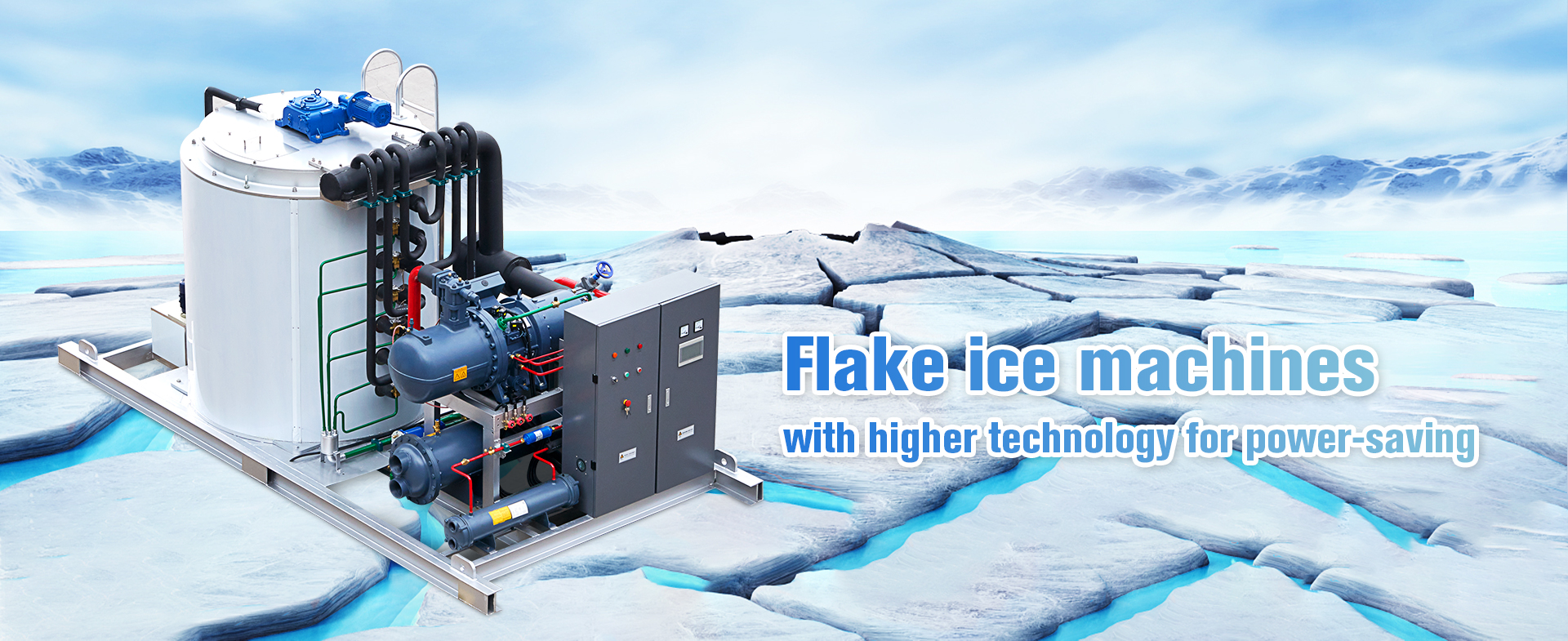
Flake ice makers are essential for many businesses, especially those in food and beverage industries. These machines produce small, soft ice flakes that are ideal for cooling beverages and displaying fresh seafood. Understanding their operation is crucial before investing in one. The types of flake ice makers vary, but they generally work by freezing water in a cylinder and scraping it into flakes.
Choosing the right flake ice maker involves considering several factors. Think about the volume of ice you need each day. A smaller establishment may manage with a less powerful model. However, larger businesses may require industrial-grade machines. You should also consider maintenance. Some models are easier to clean than others, which can affect your work environment.
It’s important to reflect on your specific needs. Not all machines are created equal. Some might offer more features than necessary for your operation. Evaluate your ice needs critically. If possible, look for user reviews or consult experts in the field. Their insights can often reveal details that specifications alone might miss. Taking time to research will ensure you make a knowledgeable decision for your business.
When selecting flake ice makers for your business, certain key features stand out. Reliability is paramount. Look for machines that guarantee consistent ice production. A reliable maker can boost your operational efficiency. Pay attention to the production rate as well. Calculate how much ice your business needs and choose accordingly. The last thing you want is to run out of ice during peak hours.
Another crucial aspect is energy efficiency. Ice makers can consume significant power, impacting your electricity costs. Opt for models known for lower energy consumption without compromising performance. User-friendly controls will make a difference too. Simple interfaces can reduce training time for staff, ensuring smooth operations.
Lastly, consider the build quality. Stainless steel models tend to be more durable and resistant to wear. However, weigh the upfront costs against long-term benefits. It's important to choose a machine that not only fits your current needs but also scales with your business as it grows. Keep in mind that maintenance is often overlooked; regular cleaning can prolong the lifespan and efficiency of your flake ice maker.
When assessing capacity and production rate for flake ice makers, understanding your business needs is crucial. A well-known industry report highlights that the average ice production rate for commercial flake ice machines ranges from 500 to 2,000 pounds per day. This variability warrants careful consideration of your operational demands. For instance, a seafood restaurant may require high ice output daily, while a small beverage vendor might need significantly less.
To make an informed decision, evaluate your daily ice usage. The American Ice Association suggests businesses should account for peak usage times. A production rate that aligns with these peaks ensures efficiency. Balancing capacity with production capabilities can prevent waste and reduce operational costs. If you underestimate your needs, it can lead to operational setbacks, like ice shortages during busy seasons.
Consider the physical space available for installation. Ice makers require adequate ventilation, often overlooked in planning stages. Not all spaces may accommodate larger units, despite the production needs. This mismatch can hurt your business. Thus, a comprehensive assessment of both capacity and layout is critical. Engaging with industry experts can provide insights tailored to your business situation.
When selecting a flake ice maker for your business, energy efficiency should be a top priority. Energy-efficient models significantly reduce electricity costs. This can lead to substantial savings over time. Often, these machines are equipped with advanced technology that minimizes power consumption. Choosing the right model will help optimize your operational expenses.
Consider the energy ratings of different ice makers. Look for units that offer high output with low energy usage. Some ice makers also come with features such as programmable settings, which help to adapt to your business needs. Reducing ice production during slow hours can further conserve energy.
However, it’s crucial to balance energy efficiency with production capacity. An overly efficient machine may not keep up with high demand. On the other hand, a machine that produces too much ice can lead to waste and increased costs. Reflect on how your ice needs fluctuate throughout the day. Assessing these patterns can guide you in selecting the most suitable model.
This bar chart illustrates the energy consumption of various flake ice makers in terms of kWh per day. Businesses can use this information to choose the most efficient models, reducing operational costs while maintaining performance.
When selecting flake ice makers for your business, evaluating the material and build quality is vital. The durability of an ice machine is often dictated by its construction materials. Stainless steel, for example, is preferred for its corrosion resistance and longevity. According to a report by the International Institute of Refrigeration, high-quality materials can extend the lifespan of ice makers significantly, reducing the total cost of ownership.
It's crucial to consider the environment in which the ice maker will operate. For instance, machines used in coastal areas might face harsher conditions. In such cases, choosing models with specialized coatings can prevent rust and degradation. This attention to detail can save a business thousands in maintenance and replacement costs. Look for units with high energy efficiency ratings, as they can provide better performance and lower operational costs over time.
Tip: Always inspect the insulation quality as well. Poor insulation can lead to increased energy consumption.
Moreover, a well-built ice maker should have easy access for cleaning and maintenance. Build quality directly influences the performance and reliability of the equipment. The Food and Drug Administration recommends regular maintenance checks to ensure safety and reliability. However, remember that even the best machines can experience issues. A thorough understanding of care and maintenance will enhance the machine’s performance.
When selecting a flake ice maker supplier, maintenance and service are crucial criteria. A reliable supplier should provide clear information about their maintenance programs. Regular maintenance helps ensure your ice makers function efficiently. Look for suppliers who offer scheduled service checks. This proactive approach can prevent unexpected breakdowns and costly repairs.
Consider the qualifications of the service team. Experience matters. Technicians should be knowledgeable about various ice maker models. They need to understand common issues and how to resolve them quickly. It can be helpful to ask for references from other businesses. This gives insight into the reliability of the service offered.
Evaluate service response times. In a busy environment, delays can lead to serious operational issues. A good supplier should guarantee quick response times for urgent repairs. Delays can impact your business's reputation and finances. Reflect on your specific needs and how the supplier meets them. The right choice will save you time, money, and stress.
When considering a flake ice maker for your business, understanding the investment cost is crucial. The initial purchase price might catch your attention, but ongoing expenses are just as important. Think about energy consumption, maintenance fees, and necessary supplies. Many underestimate these costs, leading to financial strain over time.
Budgeting also involves evaluating your specific needs. If your ice production demands fluctuate, consider machines that offer scalability. Some units may be cheaper upfront but could become costly with higher energy bills. Look for models that balance efficiency and price. Always account for potential repairs and spare parts. Having a budget ensures you can maintain operations smoothly.
Don't be afraid to seek expert opinions. Refer to industry manuals or trusted resources. Engage with culinary professionals who have experience with ice makers. Feedback from seasoned users can highlight potential pitfalls. It's essential to gather a spectrum of experiences. This information will guide you in making an informed decision. The right flake ice maker can enhance your business operations, but it requires careful financial planning.
The GM-500KA Flake Ice Machine stands out in the ice-making industry, precisely engineered to maximize efficiency and quality while producing an impressive 50 tons of ice per day. The heart of this machine lies in its advanced PLC control system, which meticulously regulates the ice-making cycle. This intelligent automation not only simplifies operations for users but also significantly reduces water and electricity consumption, aligning with modern sustainability practices. Industry reports highlight that such innovations in ice production can enhance operational costs by up to 30%, making it a vital asset for businesses in the food and beverage sector, fisheries, and medical applications.
In terms of ice quality, the GM-500KA delivers pure, hard, and crystal-clear ice cubes that melt slowly, ensuring that the integrity of beverages and products remains uncompromised. The machine's design incorporates high-quality stainless steel, providing anti-corrosive properties and long-lasting durability. Its independent integrated structure promotes compactness and straightforward maintenance, which is crucial for busy environments. As highlighted in various industry analyses, the demand for high-quality ice is on the rise, driven by trends in food presentation and beverage consumption. With the GM-500KA, users can meet these demands without sacrificing efficiency or incurring additional operational costs.
: The average production rate ranges from 500 to 2,000 pounds per day.
Evaluate usage during peak times to ensure you meet business needs efficiently.
Insufficient ventilation may hinder installation and affect ice production.
Look for energy ratings and features that minimize power consumption during slow hours.
Align the production rate with your peak usage to avoid operational setbacks.
Regular maintenance ensures efficiency and helps prevent costly breakdowns.
Technicians should be experienced and knowledgeable about various ice maker models.
Quick response times are critical to avoid operational issues in busy environments.
An overly efficient machine may waste resources, while an inadequate one can lead to shortages.
Consider how well the supplier meets your specific service needs and supports your business.
In choosing the best Flake Ice Makers for your business, it's essential to understand their functionality and applications. Flake ice is widely used in various industries due to its versatility and efficiency in cooling, preserving, and presenting products. Key features to consider include ice production capacity, energy efficiency, and the quality of materials used in construction, which can impact both durability and cooling performance.
Additionally, evaluating the maintenance requirements and service options of potential suppliers is crucial for long-term operation. Conducting a cost analysis helps in budgeting for your investment, ensuring you select a flake ice maker that not only meets your immediate needs but also aligns with your financial plan. By focusing on these critical aspects, businesses can make informed decisions that contribute to operational success and efficiency.