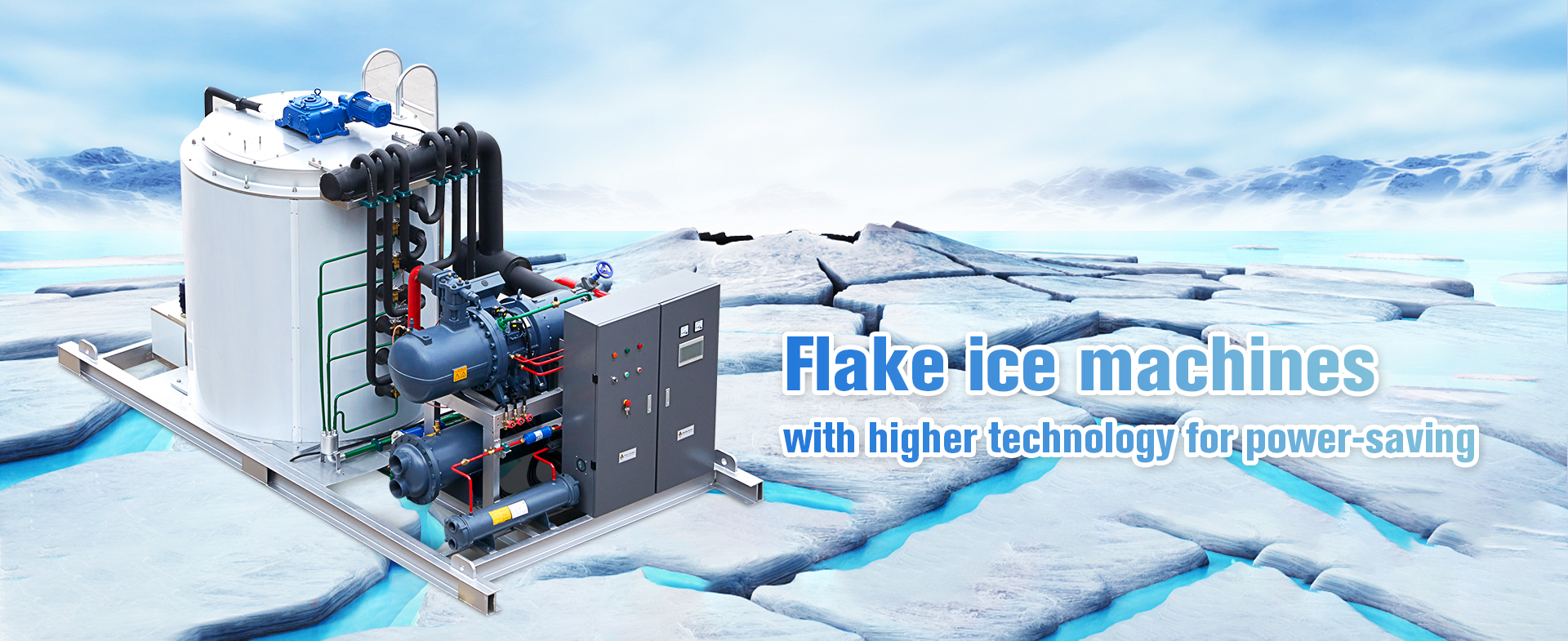
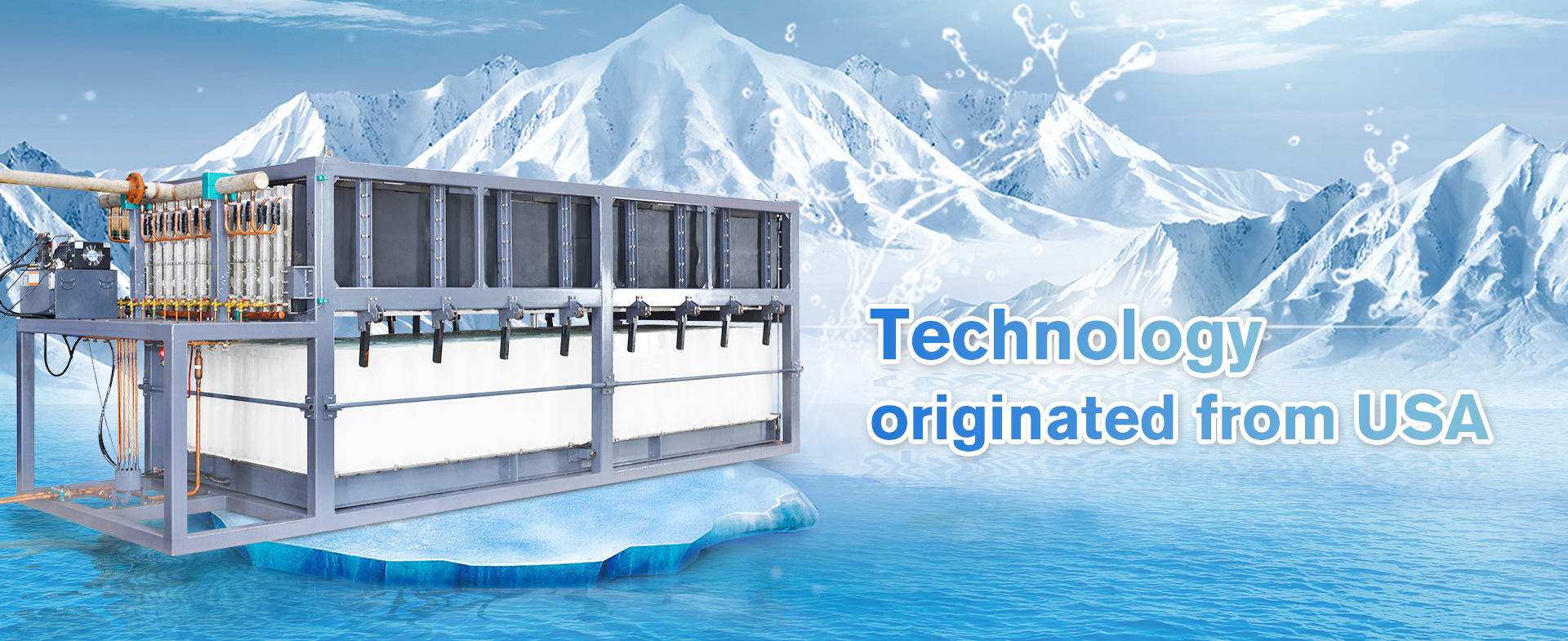
So, get this – back in 2022, the world produced a whopping 223.2 million tonnes of seafood, and that includes both aquatic animals and algae. That number comes straight from the FAO's 2024 report on the state of fisheries and aquaculture. With that kind of scale, you can bet every single step from harvest to delivery is under serious pressure. Take a busy landing quay, for example – you've got crushed flake ice being tossed over the catch real quick, settling into all those nooks and crannies, and honestly, it's a lifesaver for keeping the quality intact while handling the fish. So when you think about it, a reliable Flake Ice Plant isn't just some piece of machinery – it's basically the unsung hero of a well-run cold chain. Without it, things fall apart pretty fast.
You know, when FAO fisheries expert Manuel Barange talks about aquatic foods, he really hits the nail on the head—calling them “a vital source of nutrition and livelihoods for millions of people around the world.” But here's the thing: his point isn't just about cranking out more fish. The quality side matters just as much. And honestly, that's where things get a bit tricky. A lot depends on stuff that buyers might not even think about—like the local water conditions, how warm it gets, how the ice is handled, whether service is easy to access, or if spare parts are actually available when you need them. You won't see all that in a flashy brochure, that's for sure. It takes a bit of digging to get the real picture.
Picking a supplier isn't exactly a walk in the park, you know? You really have to dig deep. Like, when they brag about capacity, don't just take their word for it—check how they actually perform when things get real, not just in some perfect lab setting. And here's the thing: you should totally ask them about installation, whether they'll train your people, how much energy it guzzles, and what happens if something goes wrong after the sale. Those little gaps? They can come back to bite you hard. I mean, a machine that looks great on paper might choke when it's sweltering or everyone's demanding ice at once.
So, you're on the hunt for a flake ice plant? Well, you've landed in the right spot. We dug into seven different manufacturers from across the globe, and honestly, there's a ton to think about. Yeah, we could hand you a neat little list, but here's the thing—a ranking just isn't the be-all and end-all. You really have to see these setups in person to know what you're getting into. The right pick comes down to what you're actually producing, the infrastructure you've got locally, and, you know, the folks who'll be running the show day in and day out.

Understanding Flake Ice Plants and Their Main Applications
A flake ice plant makes thin, irregular pieces of ice by freezing water on a cooled surface and scraping it away. The flakes are soft and easy to spread. They can surround products closely, leaving fewer warm gaps than large blocks. This makes them useful when rapid, even cooling matters. The ice is not magic. It melts, and its performance depends on water quality, room temperature, and how quickly it is used.
Seafood processors often layer flake ice over fresh catch in insulated bins. The small pieces settle around fish and help limit temperature rise during handling. Food producers also use flakes to cool dough, meat, and prepared ingredients without adding hard chunks that are difficult to mix. In produce packing, ice can help keep leafy vegetables cool and crisp during short storage periods. Some industrial facilities use it for process cooling. The right application depends on the required ice volume and contact time.
Details matter. A plant sized only from peak output figures may struggle in a hot room or during frequent door openings. Buyers should check daily demand, storage capacity, drainage, cleaning access, and the quality of the incoming water. Some ice will melt in transit. That is easy to overlook. Regular inspection of scrapers and cooling surfaces also helps maintain consistent flake size, though maintenance needs vary by equipment and operating conditions.
How Flake Ice Plants Produce and Store Ice
In many flake ice plants, water is spread across a chilled evaporator surface. A thin layer freezes as the refrigeration system removes heat. A rotating scraper then cuts the ice into small flakes, which fall through a chute. The condenser releases the collected heat outside the freezing section. Controls track operating conditions and help regulate production. Still, operators should inspect the ice itself. Wet, uneven flakes can signal a process issue. Listen, too. Unusual vibration or scraping sounds deserve attention.
Fresh flakes usually drop into an insulated storage bin. A level sensor can pause production when the bin fills, while a drain carries away meltwater. Cleanable surfaces and routine checks help protect ice quality. Flakes compact over time, especially in warm, humid areas, so storage is not a substitute for sensible production planning. Small details count. A level sensor may not reveal a blocked chute or poor drainage. I have seen plans focus on daily output while giving too little thought to how quickly ice will be used. That assumption deserves a second look.
Key Criteria for Evaluating Manufacturers
When comparing flake ice plant manufacturers, check how they define production capacity. A quoted daily output may assume cool water and mild ambient temperatures. Ask for performance data at conditions close to your site, including peak summer heat. Numbers can mislead. Request a witnessed or documented capacity test, plus details on ice thickness and discharge temperature.
Inspect the equipment specification, not just the headline output. Ask which materials contact water and ice, and how the system handles cleaning and drainage. Review compressor type, refrigerant circuit design, insulation, and estimated energy use per ton of ice. These details affect operating costs and maintenance needs. A neat brochure cannot show how easily a technician can reach a valve or replace a worn part.
Service capability matters when a plant operates far from the manufacturer. Check response times, remote troubleshooting options, spare-parts availability, and whether manuals include wiring diagrams and maintenance intervals. Ask for references from installations with similar climates and workloads. Verify what commissioning includes, such as operator training and performance checks. One weakness in my own comparison would be relying too heavily on published specifications; actual utility costs and service delays can differ from estimates. Get assumptions in writing, and leave room for local operating conditions.
Seven Flake Ice Plant Manufacturers for Global Buyers
7 Best Flake Ice Plant Manufacturers for Global Buyers
Seven Flake Ice Plant Manufacturers for Global Buyers
Choosing among seven flake ice plant manufacturers requires more than comparing quoted output. Check rated capacity against your actual peak demand, not an average production day. FAO estimated that 13.2% of food was lost after harvest and before retail in 2021. Reliable ice can support careful handling of seafood and produce, but it cannot replace good temperature control or clean operating practices.
Ask each supplier for capacity figures at your expected ambient temperature and water conditions. Compare ice thickness, storage-bin design, power use, and access to routine maintenance. Request operating references from facilities with similar climates and production schedules. A polished brochure is useful, but it is not proof of performance. Review commissioning plans, spare-parts availability, and service response times before making a decision. Small omissions matter.
Tips: Ask for a factory acceptance test and a written performance guarantee. Confirm water-treatment needs and cleaning access. Have the supplier explain what happens when temperatures rise or demand spikes. Then compare the answers side by side.
7 Best Flake Ice Plant Manufacturers for Global Buyers - Seven Flake Ice Plant Manufacturers for Global Buyers
A practical comparison framework for assessing manufacturers. These are selection criteria, not a ranking of named companies.
| Evaluation area |
What buyers should compare |
Useful evidence to request |
Why it matters |
| 1. Ice capacity |
Rated output in metric tonnes per 24 hours, stated at the specified operating conditions. |
A performance sheet showing ambient temperature, inlet-water temperature, and the test basis for the quoted capacity. |
Ice output can vary with operating conditions; ratings are most useful when compared on the same basis. |
| 2. Energy performance |
Electrical consumption per tonne of ice, including the stated system boundaries and operating conditions. |
A measured or calculated kWh-per-tonne figure, plus the electrical load list for the complete plant. |
A clearly defined figure helps buyers estimate operating costs and compare like-for-like proposals. |
| 3. Refrigeration system |
Refrigerant, system design, safety provisions, and compatibility with local regulations and service capabilities. |
Refrigerant type and charge, applicable safety documentation, and details of leak detection or ventilation where required. |
Refrigerant choice affects safety obligations, maintenance, environmental compliance, and local technician availability. |
| 4. Materials and hygiene |
Materials and finish for ice-contact surfaces, water components, storage, and conveying equipment. |
A material schedule, cleaning-access details, and documentation supporting food-contact suitability for the destination market. |
Ice used in food handling needs hygienic production and handling; requirements depend on the application and local rules. |
| 5. Electrical and climate fit |
Supply voltage, frequency, phase, site ambient conditions, water quality, and available installation space. |
A site-specific utility schedule and written confirmation of the plant’s design operating envelope. |
Electrical supplies and site conditions differ by country and can affect equipment selection and actual output. |
| 6. Storage and delivery |
Ice-bin capacity, insulation, discharge method, and integration with conveyors or automated handling. |
A layout drawing showing storage capacity, interfaces, access for cleaning, and expected ice-handling workflow. |
Production capacity alone does not show whether ice can be stored and delivered at the required times. |
| 7. Service and lifecycle support |
Warranty terms, spare-parts availability, commissioning, training, and access to qualified service support. |
Written warranty scope, recommended spare-parts list, service response arrangements, and commissioning plan. |
Reliable support can reduce downtime and help maintain plant performance over its service life. |
Comparing Capacity, Features, and Customization Options
When comparing flake ice plant manufacturers, start with usable daily capacity, not the largest number in a brochure. Ask whether the rating assumes a particular water temperature, ambient temperature, or operating schedule. A plant producing 5 tonnes per day in cool conditions may deliver less during a hot summer. Request performance data for your actual site, plus power and water requirements. Small details matter.
Then compare the equipment behind the output. Scrapers, evaporators, refrigeration systems, and controls affect ice texture, energy use, and maintenance needs. Check whether operators can adjust flake thickness and whether the control panel clearly displays alarms. Ask how often parts need inspection and whether common spares are available near your facility. Customization may include voltage, stainless-steel contact surfaces, storage bins, conveyors, or layouts for limited floor space. These additions can improve fit, but they also add cost and maintenance points. Not always a benefit.
For a fair comparison, give each manufacturer the same site details and production target. Request drawings, a component list, installation requirements, and references from comparable installations. Confirm what the quoted capacity includes: the ice maker alone, or a complete plant with storage and handling. A polished proposal is useful, but it is not proof of dependable performance. Check the assumptions; they are easy to overlook.
Evaluating Quality Standards and After-Sales Support
A flake ice plant should be judged by more than its quoted daily output. Ask how capacity was tested, including inlet-water temperature and ambient conditions. A number without these details can mislead. Request material specifications for ice-contact surfaces, and inspect welds, drainage, and access points during a factory review. Food-contact documentation matters, but so does practical cleaning. Can an operator reach the evaporator area without awkward tools? Small design choices affect daily hygiene and maintenance.
After-sales support deserves the same scrutiny as the machine itself. Check warranty coverage, response times, and which parts are stocked locally. Ask for a commissioning plan, operator training, and clear troubleshooting instructions. Useful support is specific. “We provide service” is not enough. Request examples of maintenance schedules and spare-parts lists for comparable installations. References can help, though one buyer’s experience may not predict yours. I would also test the support process before purchase with a technical question. It is a little imperfect as a measure, but a slow or vague reply can reveal gaps that glossy brochures miss.
Selecting a Manufacturer for Your Project Needs
Selecting a Manufacturer for Your Project Needs
Choosing a flake ice plant manufacturer starts with your operating conditions, not a catalog headline. Estimate daily ice demand, peak usage, and the hours available for production. Then compare those figures with the proposed machine’s output at your site’s actual ambient temperature. A unit rated for mild conditions may produce less during a hot summer. Check water quality requirements, power supply, ice storage capacity, and the space needed for installation. Small details matter.
Ask how the manufacturer verifies performance and what the quoted capacity means in practice. Request equipment drawings, utility requirements, and a clear list of included components. Discuss commissioning, operator training, spare parts, and expected response times for technical support. Where possible, speak with buyers who operate similar systems. A polished specification sheet is useful, but it may not reveal maintenance delays or hard-to-source parts. I would compare the service plan as carefully as the price; it is easy to overlook until something stops.
Tips: Share your site conditions before requesting a quote. Ask for written output assumptions and warranty limits. Confirm who handles installation and troubleshooting. Leave room for realistic demand growth, but avoid paying for capacity you may never use. A little doubt is healthy. Don’t rush the comparison.
Conclusion
This guide explains what a Flake Ice Plant is and why flake ice is used in applications such as food processing, seafood handling, healthcare, and industrial cooling. It outlines how these systems make, collect, and store ice, helping buyers understand the equipment and operating considerations behind a reliable installation.
The article also presents seven options for global buyers and describes how to compare manufacturers based on production capacity, equipment features, customization, quality standards, and after-sales support. By weighing these factors against project requirements, available space, operating conditions, and service needs, buyers can identify a suitable supplier and choose a system designed for dependable, long-term performance.