


0%

Ice Flake Machines might not be something you think about every day, but they’re actually pretty essential in a bunch of industries. Basically, they produce these tiny, thin ice flakes that are perfect for cooling or keeping stuff fresh. From seafood distributors to hospitals, lots of businesses depend on them. If you understand how these machines work, it can really help you work more efficiently and keep operations running smoothly.

So, here’s the deal: the machine freezes water super fast, turning it into these delicate ice flakes that are easy to handle. Unlike your usual blocks or cubes, these flakes tend to mold better around what you’re cooling, which means better heat transfer and less chance of damaging fragile items. But a word of caution—not all Ice Flake Machines are built the same. Some might be a bit flimsy or just can’t handle heavy-duty use without breaking down.

Picking a good quality machine is super important. It’s a good idea to do some homework—check out trusted brands like IceTech or Hoshizaki. Knowing the pros and cons of each can really help you choose a machine that’s reliable and fits your needs without any headaches.

What is an Ice Flake Machine and How Does it Work?

What is an Ice Flake Machine?

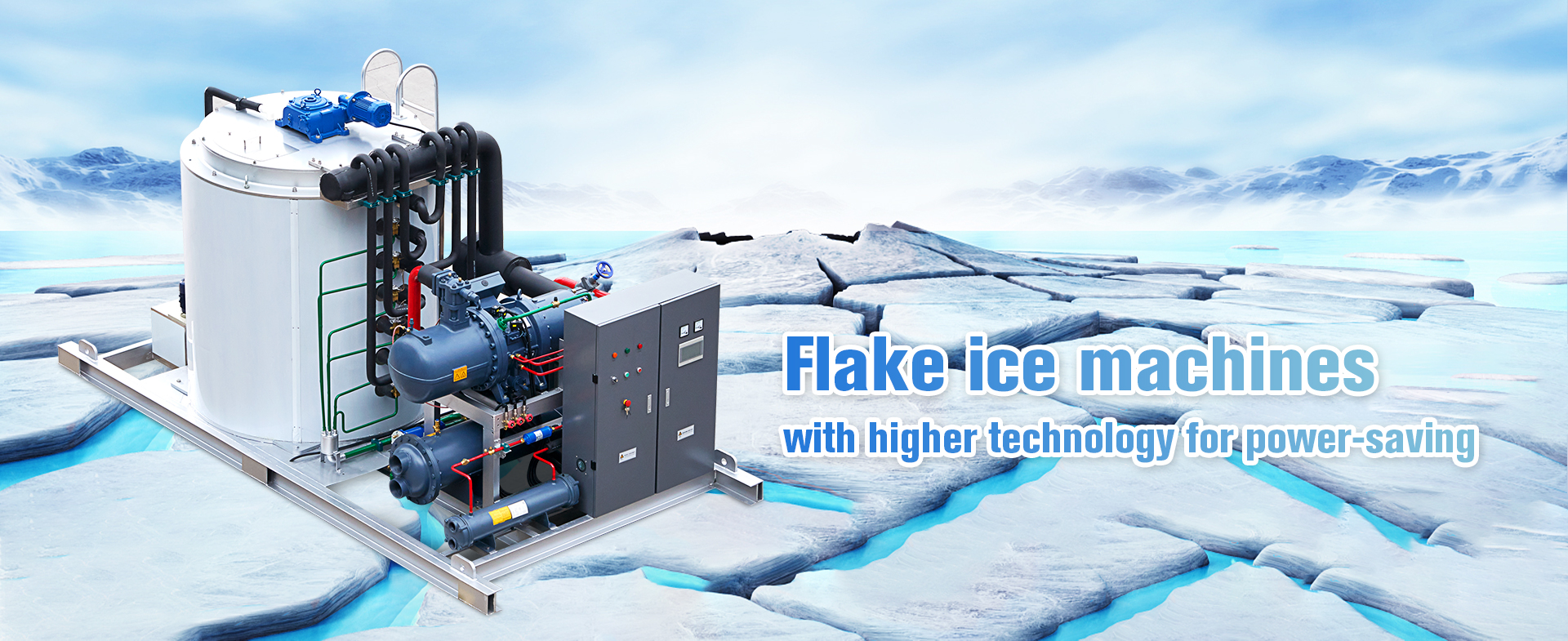
An ice flake machine is a specialized device designed to produce flaked ice, often used across various industries. These machines create thin, flat ice pieces that are ideal for preserving products in seafood markets, restaurants, and medical applications. The flaked ice possesses a remarkable ability to cover large surface areas, making it effective for cooling purposes.

The operational mechanism of an ice flake machine relies on a refrigerant to cool water, which then forms ice on a cooling surface. After reaching the desired thickness, the ice is scraped off, resulting in small, uniform flakes. According to industry research, the global ice machine market is projected to grow significantly. A report by Grand View Research indicated a compound annual growth rate (CAGR) of 7.0% from 2021 to 2028. This growth is driven by a rising need for efficient cooling solutions in various sectors.

While many machines promise efficiency, issues can arise. Some models may not produce consistent ice quality, leading to wasted resources. Regular maintenance is crucial to ensure optimal performance. Additionally, operators must also consider the machine's power consumption, which can impact operational costs. Investing in an ice flake machine is more than just a purchase; it's about understanding the ongoing commitment to reliability and quality control.

Key Components of an Ice Flake Machine

An ice flake machine is an essential piece of equipment in various industries, particularly in food service and medical fields. The key components of these machines include the evaporator, compressor, and condenser. The evaporator absorbs heat and initiates the ice-making process, while the compressor circulates refrigerant gas. The condenser then expels the heat, resulting in the freezing of the water.

For optimal performance, maintaining each component is crucial. Regular cleaning of the evaporator helps avoid ice build-up, ensuring efficient ice production. In 2021, studies highlighted that proper maintenance can increase machine efficiency by up to 15%. However, many users overlook these aspects, often leading to reduced output.

Tips: Always check the water supply for impurities. Filtration systems can enhance water quality, impacting the ice's clarity and taste. Additionally, monitoring the ambient temperature where the machine operates can prevent unnecessary strain on the compressor. These simple practices can prevent costly repairs and extend the machine's lifespan.

In a recent industry report, 20% of machine failures were traced back to inadequate maintenance. Users must reflect on their practices to avoid unnecessary downtime or replacement costs. Regular inspections contribute significantly to the reliability and efficiency of ice flake machines.

How Ice Flake Machines Generate Ice

Ice flake machines are designed to produce small, thin ice flakes. These flakes are ideal for various applications, including food preservation and industrial cooling. The process begins with water being circulated over a cold surface. As the water passes over, it freezes and forms ice. The design often includes a drum or a plate that rotates, enhancing ice formation.

According to industry reports, ice flake machines can generate ice at a rate of 500 to 2,000 pounds per day. This range supports businesses requiring a steady ice supply. The water quality used in machines plays a crucial role. Impurities can affect ice clarity and performance. Regular maintenance is paramount; failure to do so may lead to decreased efficiency.

Furthermore, energy consumption is a critical factor to consider. Some machines operate at a higher energy cost, affecting overall expenses. Understanding these operational details aids facilities in choosing the right machine. The goal is to balance productivity and energy efficiency. Reviewing energy ratings is an essential part of the selection process.

Types of Ice Flake Machines Available

What is an Ice Flake Machine and How Does it Work?

Ice flake machines are essential in various industries, from food preservation to aquaculture. Different types of machines cater to specific needs. Two common types are self-contained and modular ice flake machines. Self-contained units are compact and easy to install. They work efficiently for smaller operations, like fish markets or convenience stores. Modular systems, on the other hand, are more versatile. They allow for scalability in larger setups.

Another important type is the air-cooled ice flake machine. These machines use ambient air to cool the refrigerant. They can be less efficient in high ambient temperatures. Water-cooled machines are another option. They use water to dissipate heat, maintaining a steady ice production rate. However, this method often has higher water consumption.

Selecting the right ice flake machine can be challenging. Assess your specific needs carefully before making a choice. Reflect on energy consumption, maintenance requirements, and space availability. Balancing performance and operational costs is crucial. The variety in machines may seem overwhelming, but the right fit can greatly enhance efficiency.

Applications of Ice Flake Ice in Various Industries

Ice flake machines are vital in various industries. Their ability to produce small, compact ice flakes makes them suitable for many applications. In seafood processing, flake ice keeps fish fresh and visible. It is easy to handle and covers the product well, reducing the risk of spoilage.

In the medical field, ice flakes are used for injury treatment. They provide rapid cooling, which is essential to reduce swelling. Hospitals prefer flake ice over other types due to its effectiveness and convenience. Yet, maintaining consistent ice production can be a challenge. Sometimes, machines require calibration to maintain optimal output.

Food storage and transportation also benefit. Flake ice molds around different shapes, ensuring even cooling. It preserves freshness in meat deliveries and prevents freezer burn. However, improper storage conditions can lead to ice melting and product spoilage.

Tips: Ensure your ice flake machine is regularly serviced. Routine checks can prevent unexpected breakdowns. Always monitor storage conditions, as temperature fluctuations may affect ice quality.

Maintenance and Troubleshooting for Ice Flake Machines

Ice flake machines are essential in various industries. Their reliable performance is key for food preservation and medical applications. However, maintenance is often overlooked. Regular checks and cleaning can prevent serious issues. A study shows that neglecting maintenance can reduce efficiency by up to 30%.

Troubleshooting is equally important. If an ice flake machine operates loudly or produces irregular flakes, it might indicate an underlying problem. Common issues include blockage in the water supply. Checking filters and water lines is vital. The American Society of Heating, Refrigerating, and Air-Conditioning Engineers recommends routine inspections every six months to ensure optimal operation.

Maintaining these machines involves periodic deep cleaning. Mineral buildup can impair performance. Users should refer to the manufacturer's guidelines for proper cleaning techniques. Simple actions can prevent expensive repairs. Ignoring signs like unusual noise may lead to larger, costlier failures. A proactive approach can extend the machine's lifespan and improve overall efficiency.

Ice Flake Machine Performance Comparison

This chart shows the average production capacity (in kg/h) of different types of ice flake machines categorized by their power rating.

Advantages of Using Ice Flake Machines over Other Models

What is an Ice Flake Machine and How Does it Work?

Ice flake machines have become popular in various industries due to their efficiency and versatility. These machines produce small, dry ice flakes, which are ideal for preserving food freshness and enhancing the presentation of seafood. According to industry reports, ice flake machines can produce an output of up to 4,500 pounds per day. This high capacity is significantly beneficial for businesses that require large quantities of ice, such as restaurants and grocery stores.

One of the key advantages of ice flake machines over other types is the shape and texture of the ice produced. Flakes are light and porous, allowing them to distribute evenly over products. This feature maximizes surface area contact, ensuring that food items stay cold without causing damage. Moreover, flake ice also melts gradually, which helps in maintaining the desired temperature longer. Reports indicate that using flake ice can reduce food spoilage by 30% compared to traditional cube ice. However, some users find that machine maintenance can be challenging. Regular cleaning and inspection are necessary to uphold optimal performance and hygiene.

These machines also promote energy efficiency. They use advanced technology to produce ice with minimal power consumption. Research shows that flake ice machines can save businesses up to 20% on energy costs compared to older models. However, the initial investment can be significant. Businesses need to evaluate their ice needs to justify the expense. Balancing efficiency with cost can be a thoughtful consideration for operators in industries reliant on ice production.

Enhancing Seafood Preservation: Insights from the Global Ice Machine Market Report on the ICESNOW 20Ton/Day Seawater Flake Ice Machine

The seafood industry is poised for innovation with advancements in preservation technologies, notably highlighted by the global ice machine market. An essential component in maintaining the freshness and quality of seafood is the seawater flake ice machine, specifically designed to meet the rigorous demands of marine and land use alike. This dual functionality allows users to directly extract seawater for ice production while leveraging condenser circulating water, enhancing efficiency and reducing operational costs.

The ICESNOW 20Ton/Day seawater flake ice machine stands out for its ability to produce large volumes of flake ice crucial for preserving seafood during transportation and storage. Operating on a reference power supply of dynamic electricity at 380V/50Hz, it can be conveniently adapted to 60Hz if required, ensuring versatility across various installations. According to recent industry reports, the global ice machine market is expected to grow significantly in the upcoming years, driven by the rising demand for fresh seafood and effective preservation methods.

Given the increasing focus on sustainability and environmental stewardship, seawater flake ice machines represent a promising solution. They not only facilitate the optimal preservation of seafood by reducing temperature fluctuations but also minimize energy consumption. This aligns with the broader trends in the seafood industry toward more efficient and environmentally friendly practices, ultimately enhancing the quality and shelf life of products in a highly competitive market.

FAQS

: What do ice flake machines produce?

: Ice flake machines generate small, thin ice flakes for various uses.

Why are ice flakes important in seafood processing?

They keep fish fresh and visible, reducing spoilage risks effectively.

How is ice formed in these machines?

Water circulates over a cold surface, freezing to create ice flakes.

What is the production capacity of ice flake machines?

They can produce 500 to 2,000 pounds of ice daily, depending on the model.

What role does water quality play in ice production?

Impurities in water can affect ice clarity and overall performance significantly.

How can maintenance impact ice flake machine efficiency?

Regular maintenance is crucial; neglect can decrease production efficiency and quality.

What factors influence energy consumption in ice machines?

Some machines have higher energy costs, affecting total operational expenses.

How does flake ice benefit medical treatments?

Flake ice offers rapid cooling for injuries, which helps reduce swelling quickly.

What can happen if ice is improperly stored?

Incorrect storage conditions can cause melting, leading to product spoilage.

What should operators check regularly for optimal machine performance?

Routine servicing and monitoring storage conditions are essential for quality ice.

Conclusion

An Ice Flake Machine is a specialized device designed to produce small, thin flakes of ice, which are ideal for various applications across multiple industries. These machines consist of several key components, including a refrigeration system, an evaporator, and a storage bin, all working together to efficiently generate ice. The process typically involves chilling the water and then scraping the ice off a chilled surface to create the desired flake consistency.

Ice flake machines come in several types, catering to different operational needs and capacities. They are widely used in sectors such as food preservation, seafood processing, and medical applications, where ice is crucial for keeping products fresh and safe. Regular maintenance and troubleshooting are essential to ensure optimal performance and longevity of the equipment. Overall, Ice Flake Machines offer significant advantages over other ice-producing models, including more efficient cooling, quicker freeze times, and ease of handling and storage.

Ethan

Ethan

Ethan is a dedicated marketing professional at Guangdong Icesnow Refrigeration Equipment Co., Ltd., a company established in 2003 that specializes in the research, design, manufacture, and sale of various ice-making machines. With a deep expertise in the industry, Ethan plays a crucial role in......
Previous Best Flake Ice Making Machine for Efficient Ice Production?