You know, these days, everyone’s practically craving efficient ice production — it’s become a big deal across so many industries. I came across this report from MarketsandMarkets, and it’s pretty wild: they’re saying the worldwide ice machine market could hit a whopping $3.37 billion by 2025! That’s mainly because of the rising need for food preservation and seafood processing. And honestly, flake ice is a game-changer since it cools so effectively and keeps things super fresh.
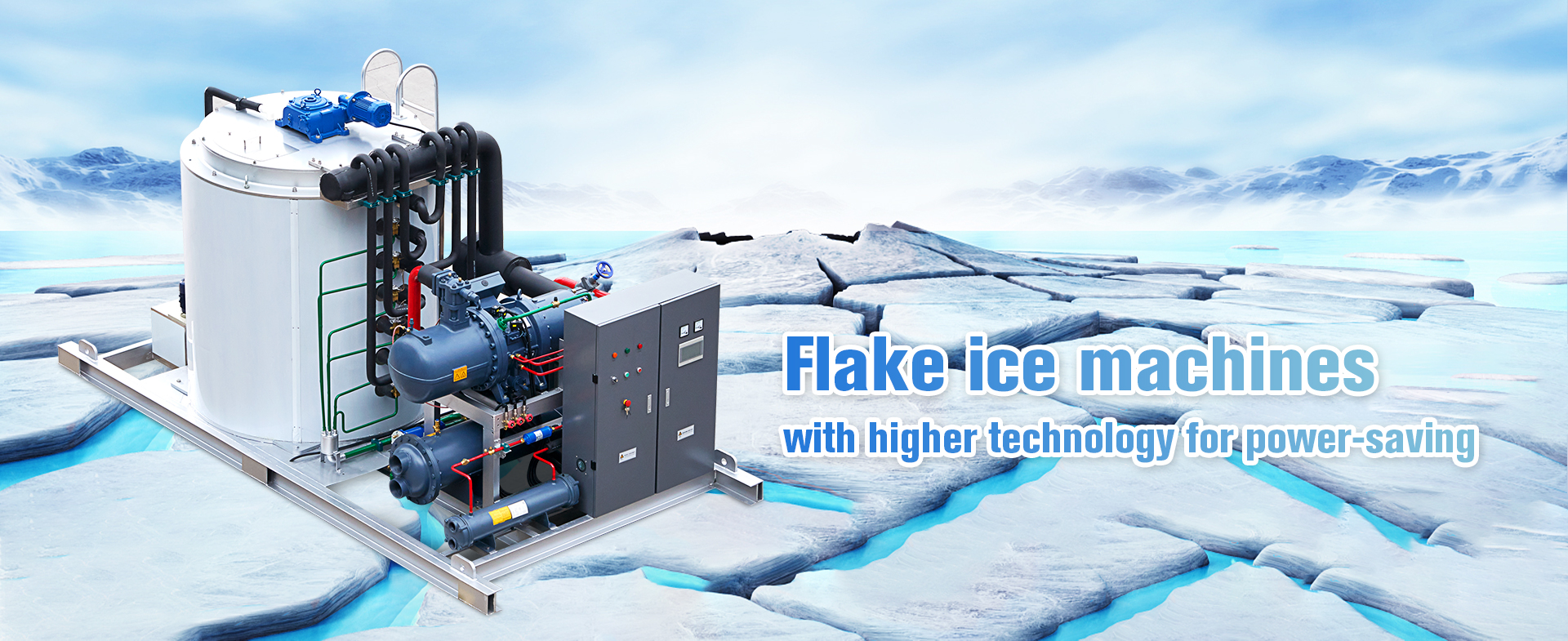
The Flake Ice Making Machine is really stepping up as a go-to solution for sectors like catering, pharmaceuticals, and even medical transport. What’s cool about these machines is that they produce soft, easy-to-shape ice that’s gentle enough to wrap around products without any damage. Companies such as Scotsman Ice Systems have seen a big jump in flake ice use, mostly because it’s so versatile and reliable. But, heads up — not all machines are the same. When you’re choosing one, it’s smart to think about energy savings and how much ice it can produce pretty quickly.
Of course, even with all these new tech advances, some issues still pop up. Folks have shared worries about maintenance hassles and sometimes the quality of the ice. It’s really important for anyone in the industry to get a good handle on these aspects before making a choice. Picking the right Flake Ice Making Machine can actually boost your efficiency and help meet your industry’s needs without a hitch.

Overview of Flake Ice Making Machines
Flake ice making machines are essential in various industries, from seafood preservation to food processing. Their ability to produce
thin, flat ice allows for better cooling and a longer ice retention period. This feature is especially favored in restaurants
and fish markets where product freshness is key.
These machines operate using different methods. Some utilize a simple freezing process that ejects ice flakes continuously.
Others may have advanced systems to ensure efficient ice production. Proper installation and maintenance are vital for optimal performance.
Consider the ice production rate, water usage, and energy efficiency when choosing a model.
However, not every flake ice machine meets all requirements effortlessly. Some may struggle with consistent ice quality or may require frequent maintenance.
Users should evaluate their needs carefully. It is crucial to select a machine that balances efficiency
and reliability. Understanding these aspects will lead to better decision-making and improved ice production practices.
Key Features to Consider for Flake Ice Machines
When selecting the best flake ice making machine, several key features demand attention. First, ice production capacity is crucial. Machines should offer a high output, ideally over 500 pounds per day, to meet the needs of bustling businesses like seafood markets and hospitals. A report by the Food and Ice Production Association notes that efficient machines can reduce energy costs by up to 30%, emphasizing the importance of energy efficiency.
Consider the cooling method as well. Air-cooled machines are more cost-effective but can be less efficient in hot environments. Water-cooled machines provide consistent performance but consume more water, which may not be sustainable in drought-prone areas. It’s essential to analyze operational costs comprehensively. Many operators overlook maintenance schedules, impacting the longevity and reliability of the equipment.
Additionally, the design of the ice-making machine matters. Compact models are easier to fit in limited spaces but may sacrifice capacity or durability. A portable machine could be beneficial for events. However, portability can sometimes lead to decreased efficiency and increased risk of malfunction on-site. Balancing efficiency and convenience requires careful evaluation of specific business needs.
Types of Flake Ice Making Machines Available
Flake ice making machines come in various types, each suited to different needs. This variety includes modular machines, under-counter units, and larger industrial models. Modular machines are great for restaurants with limited space but high ice demands. They can produce a considerable amount of ice daily while occupying minimal floor area.
Under-counter flake ice machines are compact and designed for bars or small kitchens. Their size makes them convenient, and they still provide adequate ice production. On the other hand, industrial models are capable of producing thousands of pounds of ice per day, ideal for large-scale operations like seafood markets or ice rinks.
**Tips:** Always consider the ice storage capacity when purchasing a machine. A machine that produces ice quickly may not be effective if it lacks sufficient storage space. Regular maintenance is crucial; check for build-up that can affect performance. Remember, efficiency is not just about production speed, but also about managing the ice well. Ensure your energy needs align with your ice production goals for optimal operation.
How to Choose the Right Flake Ice Machine for Your Needs
Choosing the right flake ice machine is crucial for several industries. Whether you operate a seafood market or manage a restaurant, the right machine meets specific needs. Begin by evaluating your ice production requirements. How much ice do you need daily? A higher output machine is ideal for busy settings. For smaller operations, consider a compact model.
Look at the cooling method as well. Air-cooled units are often less expensive, but water-cooled machines offer better efficiency in warm environments. Check the machine's energy efficiency rating. This can save you significant costs over time. Ensure it fits in your designated space. Some machines are bulkier than they appear, and proper ventilation is essential.
Don't overlook the maintenance aspect. Reliable machines should have easily accessible parts. Regular maintenance can prevent costly repairs down the line. It's also wise to consider customer reviews and expert opinions. However, not all feedback is perfect. Some machines might work better in certain conditions. Research thoroughly and weigh all options before deciding.
Efficiency and Production Rate of Flake Ice Machines
When considering the efficiency and production rate of flake ice machines, various factors come into play. Flake ice is notably used in industries where quick cooling is essential. For instance, seafood processing benefits greatly from the rapid temp drop that flake ice provides. A well-optimized machine can produce over a ton of ice in just 24 hours, making it a valuable asset in any operation needing consistent ice supply.
However, not all machines deliver the same results. Machine size and ambient temperature significantly impact production rates. Some smaller models may struggle in warmer environments, yielding less ice. It's essential to consider proper installation and maintenance, as neglect can lead to reduced efficiency over time. Users often underestimate the effect of regular cleaning and upkeep, which can influence output levels and overall effectiveness.
In evaluating these machines, take time to research user experiences. Reading reviews can reveal potential drawbacks that specifications might not cover. Production rates can differ based on real-world conditions, so insights from other users can guide better purchasing decisions. Balancing features, maintenance, and real-life performance ensures that your flake ice machine works efficiently for your needs.
Maintenance Tips for Longevity of Ice Machines
When owning an ice machine, maintenance is crucial for optimal performance. Regularly check for ice build-up in the machine. Ice can clump together and affect efficiency. A simple visual inspection can help identify issues early.
Cleaning the machine is another essential task. Use a recommended cleaning solution to remove mineral deposits. It's important to do this every few months. Neglecting this step can lead to costly repairs. Pay attention to the water filter as well. Replace it as often as needed to ensure clean, efficient ice production.
Monitoring the temperature settings of your machine is vital. Settings that are too low can lead to excessive frost buildup. Adjusting these can keep your machine running smoothly. Also, don't overlook the importance of professional servicing. Even routine checks can uncover hidden issues. Addressing problems before they escalate is wise.
Top Brands and Models in the Flake Ice Machine Market
Flake ice machines are essential in various industries, from seafood to beverages. These machines produce ice in thin, flat flakes, ideal for preserving the freshness of perishable goods. According to a recent industry report, the global flake ice machine market is projected to grow at a rate of over 5.2% annually. This growth indicates a strong demand for efficient and high-capacity machines.
Several brands stand out in the market, known for their reliability and performance. Leading models typically offer production ranging from 300 kg to 10,000 kg of ice daily. Users often seek machines that balance energy efficiency and output, as energy costs can impact overall profitability. A noteworthy statistic shows that efficient machines can reduce ice production costs by up to 20%.
While there are many reputable manufacturers, not all machines meet expectations. Some users report issues with durability and maintenance. Hence, businesses must weigh initial investment against long-term reliability. A machine may seem appealing, but performance should be scrutinized. Industry professionals often recommend consulting user reviews and benchmarking data to inform purchasing decisions.
FAQS
: Look for machines that produce over 500 pounds of ice daily for busy businesses.
Air-cooled machines are cost-effective, yet less efficient in hot climates. Water-cooled machines are consistent but use more water.
Neglecting maintenance can harm machine longevity and reduce ice production rates significantly.
Many users underestimate the need for regular cleaning, which can lead to efficiency loss.
Smaller models may produce less ice in warmer conditions, affecting operational efficiency.
Compact models fit smaller spaces but might sacrifice capacity and durability. Assess your space and needs carefully.
Clean your machine every few months to avoid mineral buildup and costly repairs.
Too low settings can lead to frost buildup, impacting performance and efficiency.
Reviews offer insights into real-world performance challenges that specifications might not reveal.
Yes, even routine checks by professionals can help find and fix hidden issues early on.
Conclusion
The article "Best Flake Ice Making Machine for Efficient Ice Production" provides a comprehensive overview of flake ice making machines, emphasizing their importance in various industries, such as food preservation and medical applications. It discusses key features to consider when selecting a flake ice machine, including production capacity, size, and energy efficiency.
Additionally, the article explores different types of flake ice making machines available on the market and guides readers on how to choose the right one for their specific needs. It highlights the significance of understanding efficiency and production rates, as well as offers maintenance tips to ensure the longevity of these machines. By examining the top brands and models, the article serves as a valuable resource for anyone looking to invest in a flake ice making machine for optimal ice production.