
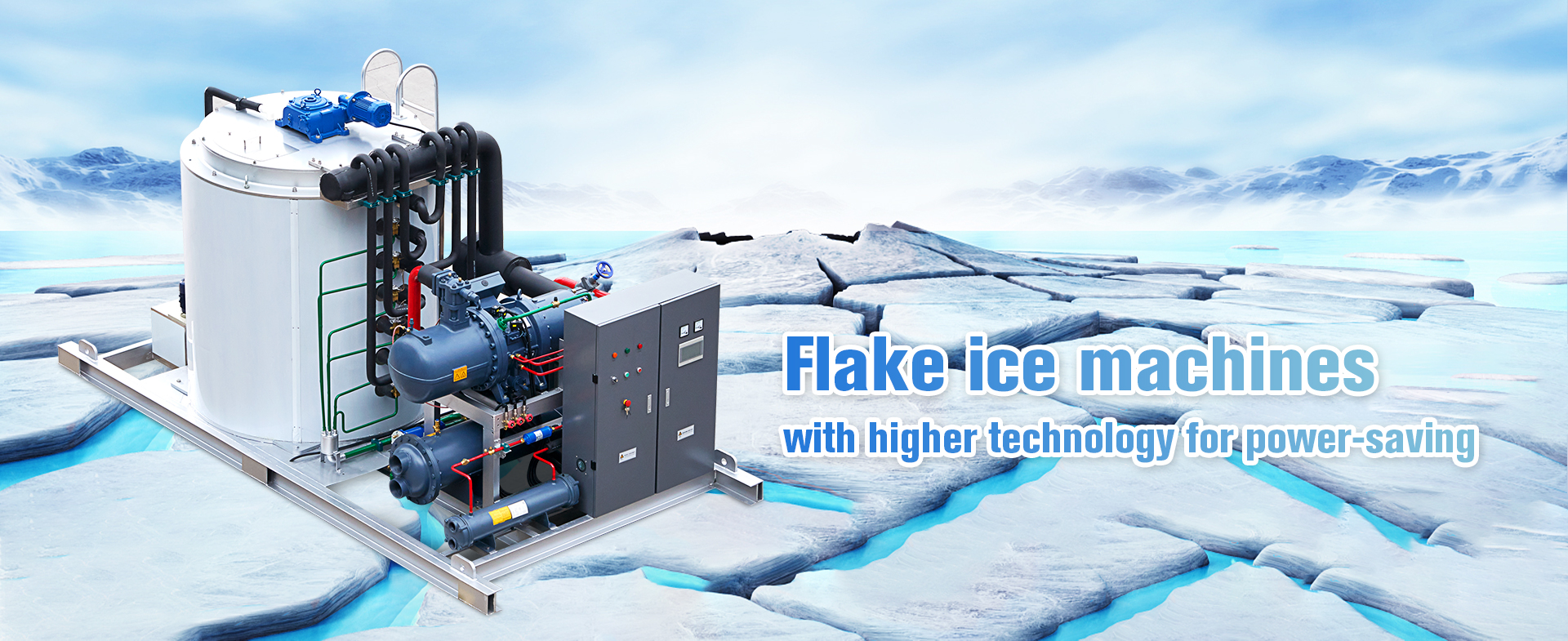
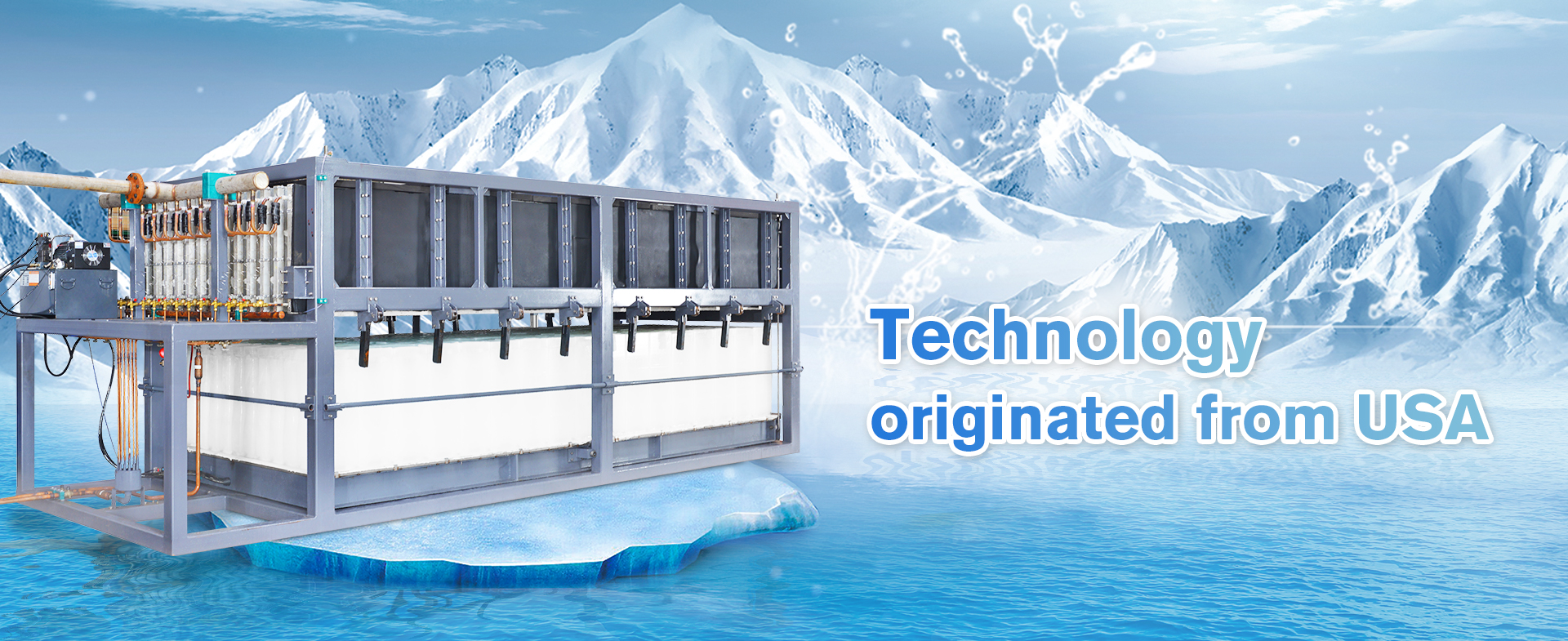

Picking the right Flake Ice Plant can really make a big difference for your business. Whether you're running a seafood market, a restaurant, or even a big distribution center, having the right ice setup is pretty much essential. These plants produce small ice flakes, which are awesome for keeping your products fresh and making everything look nice and appealing.
When you're choosing a Flake Ice Plant, it’s a good idea to think about what your specific needs are. Things like how much ice you need daily, how energy-efficient it is, and how much maintenance it requires—these things really matter. Every business is a bit different, so a one-size-fits-all solution probably won’t cut it. There’s a ton of variety out there in terms of technology and design, so doing some research on different manufacturers and their reputations is definitely a smart move to make sure you're getting something reliable.
You’ll find plenty of options with all kinds of features. Some machines run quietly, others might save you a bit on energy bills. Think about what’s most important for your operations. At the end of the day, investing in a quality Flake Ice Plant is a wise move for the long haul. Try to find something that offers a good balance between top-notch performance and what you can afford; it’ll pay off in the end.
Flake ice plants produce ice in small, thin flakes. This type of ice is ideal for various applications. Industries like seafood processing and beverage cooling benefit significantly from flake ice due to its large surface area and quick cooling properties. Flake ice easily conforms to different shapes, ensuring that products remain evenly chilled.
When selecting a flake ice plant, consider your specific needs. The production capacity is crucial, especially for large operations. Evaluate the energy efficiency of the machine. High energy consumption can lead to increased operational costs. Don’t overlook maintenance requirements; some machines may require more frequent service.
Ice quality is another important factor. The purity of the water used can affect the ice produced. Clean ice is essential for food-related applications. A less rigorous filtration system could produce impurities in the ice, impacting the final product. Customer support and accessibility to parts are vital as well. You might face unexpected breakdowns, and reliable support is crucial for minimizing downtime.
When evaluating your ice production needs, it’s essential to consider both the volume and type of ice required. Flake ice is often favored for its versatility. It provides excellent cooling for seafood and perishable goods. Establishing your daily ice usage is crucial. Calculate how much ice your business needs during peak hours. Gaps in this assessment could lead to insufficient supply, impacting your operations.
Capacity requirements play a vital role in decision-making. Look into the production rate of the plant you’re considering. Typically, flake ice plants can produce anywhere from hundreds to tons of ice daily. Taking into account seasonal fluctuations is important. You may experience spikes in demand during hot months or holidays.
Moreover, consider the storage capacity of your ice machine. An efficient plant should complement your handling and storage systems. It should not just meet your daily needs but also account for unexpected demands. Reflect on how often you might need to restock or manage storage space. Balancing production capabilities with practical storage solutions ensures you optimize operations and minimize waste.
When choosing a flake ice plant, energy efficiency and operating costs are critical factors. A report from the International Institute of Refrigeration indicates that energy consumption can account for up to 70% of the operating costs in ice production. Efficient plants not only reduce costs, but they also have a lower environmental impact. Many systems now use advanced compressors and insulation to enhance performance, often achieving a coefficient of performance (COP) of 5 or higher.
Operational costs are influenced by several factors. Initial investments might seem significant, yet energy-efficient models can pay off over time. According to the U.S. Department of Energy, even a small upgrade to a high-efficiency model can decrease utility bills by 20% annually. Maintenance costs also factor in. Regular upkeep can prevent breakdowns and extend equipment life. Nevertheless, some operators overlook yearly maintenance, leading to unexpected expenses.
Assessing a plant’s overall cost includes understanding the long-term benefits of energy-efficient options. Upfront expenses should not deter investment in quality. Balancing operating costs with potential savings requires careful evaluation. Poor choices may increase risks and reduce profitability. The goal is to select a system that aligns with operational needs while maximizing efficiency.
When considering a flake ice plant, several key features are crucial for effective selection. The capacity of the machine is a primary factor. For instance, plants that produce between 1 ton to over 100 tons per day are commonplace. Assessing your daily ice needs ensures the selected plant meets specific demands. An underpowered unit can lead to inefficiencies and waste.
Energy efficiency is another important aspect. Industry data shows that energy consumption for ice production can account for approximately 40-50% of operational costs. Machines with high efficiency ratings help reduce these costs. Additionally, consider the unit's cooling technology. Innovations like compact designs or advanced cooling methods improve performance and reduce space requirements.
The construction materials of the flake ice plant also matter. Stainless steel is preferred for its durability and resistance to corrosion. A robust design prolongs the lifespan of the equipment and maintains ice quality. Regular maintenance needs should not be overlooked. Simple maintenance requirements lead to higher reliability and better performance over time. Users must reflect on these elements to ensure optimal investment and operation.
When selecting a flake ice plant, size and design are crucial factors. Your space dictates how much ice you will need. A small restaurant may only require a few hundred pounds of flake ice daily. In contrast, a larger seafood market might need upwards of 2,000 pounds. According to industry data, 60% of customers underestimate their ice requirements. This can lead to purchasing equipment that is either too large or too small.
Design also plays a significant role. A compact, vertical design may fit better in tight spaces, while a wider unit might be more efficient in larger areas. Industry reports indicate that up to 40% of ice machine issues arise from improper placement. Poor ventilation can lead to overheating and reduced efficiency. It's essential to allow sufficient space around the unit for airflow.
Consider the installation location and accessibility. An inaccessible ice machine can hinder operations, particularly during peak hours. An ice plant that is easy to reach will simplify the refilling process for staff. Additionally, proactive maintenance can enhance the longevity of your flake ice plant. Ignoring regular checks might cause unexpected breakdowns, affecting your ice supply when you need it most. Aim for a balance; your choices should accommodate both current needs and future growth.
When choosing a flake ice plant, consider your specific needs. Size, production capacity, and energy efficiency are crucial factors. Different models can vary significantly in these aspects, and it’s essential to assess how much ice you require daily. Some plants churn out ice at impressive rates, while others are more suited for smaller operations. Matching capacity with your demands can prevent over or under-utilization.
Examine available features in top models. Some flake ice plants include advanced refrigeration technology. Look for innovations that enhance durability and reduce energy consumption. Consider materials used in construction as they impact reliability. Reviews can provide insights into real-world performance. While specifications may look appealing on paper, user experiences can shed light on efficiency and longevity.
Reading customer feedback helps navigate the options. Look for consistent themes in these reviews. Are there frequent complaints about maintenance? Do users report issues with ice quality? Flaws may guide your decision, revealing areas where specific models fall short. It’s essential to weigh the pros and cons carefully before making your choice. Reflection on past experiences can inform future decisions. Making the right choice is about balancing features, needs, and user satisfaction.
When selecting a flake ice plant, maintenance and support are crucial factors. A well-maintained ice plant ensures consistent ice production. Regular inspections can identify potential issues early. This proactive approach avoids costly repairs later on.
Tips: Set a maintenance schedule. Regular checks help keep everything running smoothly. Cleaning the equipment is essential too. Ice build-up can affect efficiency. Don't underestimate the importance of proper ventilation. Good airflow extends the life of your machinery.
Consider the availability of technical support. A reliable manufacturer should offer assistance when needed. Training your staff on proper operation is key. Knowledgeable employees reduce the risk of operational errors. Investing in user-friendly manuals can also enhance overall efficiency. Regular feedback from users can highlight areas needing improvement. Implement changes based on their insights.
: Flake ice consists of small, thin flakes. It's ideal for cooling and food preservation.
Its large surface area allows quick cooling. It conforms to product shapes, ensuring even chilling.
Consider production capacity, energy efficiency, and maintenance needs before making a choice.
Clean water produces pure ice. Impurities can impact food quality, which is crucial for safety.
Assess your daily ice needs. Ranging from 1 ton to over 100 tons, choose the right size.
Energy costs can be 40-50% of total operational costs. Choose efficient machines to save money.
Stainless steel is preferred. It resists corrosion and enhances durability, ensuring better ice quality.
Yes, some machines require frequent service. Consider simpler maintenance for better reliability over time.
New cooling technologies and compact designs increase efficiency and save on operational space.
Reliable customer support is essential. Quick access to parts can minimize interruptions in production.
When choosing the right Flake Ice Plant for your needs, it is essential to understand its applications and evaluate your specific ice production requirements. Consider factors such as capacity, energy efficiency, and operating costs, as these will directly impact your overall investment and operational effectiveness.
Additionally, you should focus on key features that enhance performance and reliability, as well as the size and design of the plant to ensure it fits your available space. Comparing different brands and models in the market will help you make an informed decision. Lastly, don't overlook maintenance and support considerations to ensure your Flake Ice Plant operates smoothly and meets your long-term needs.