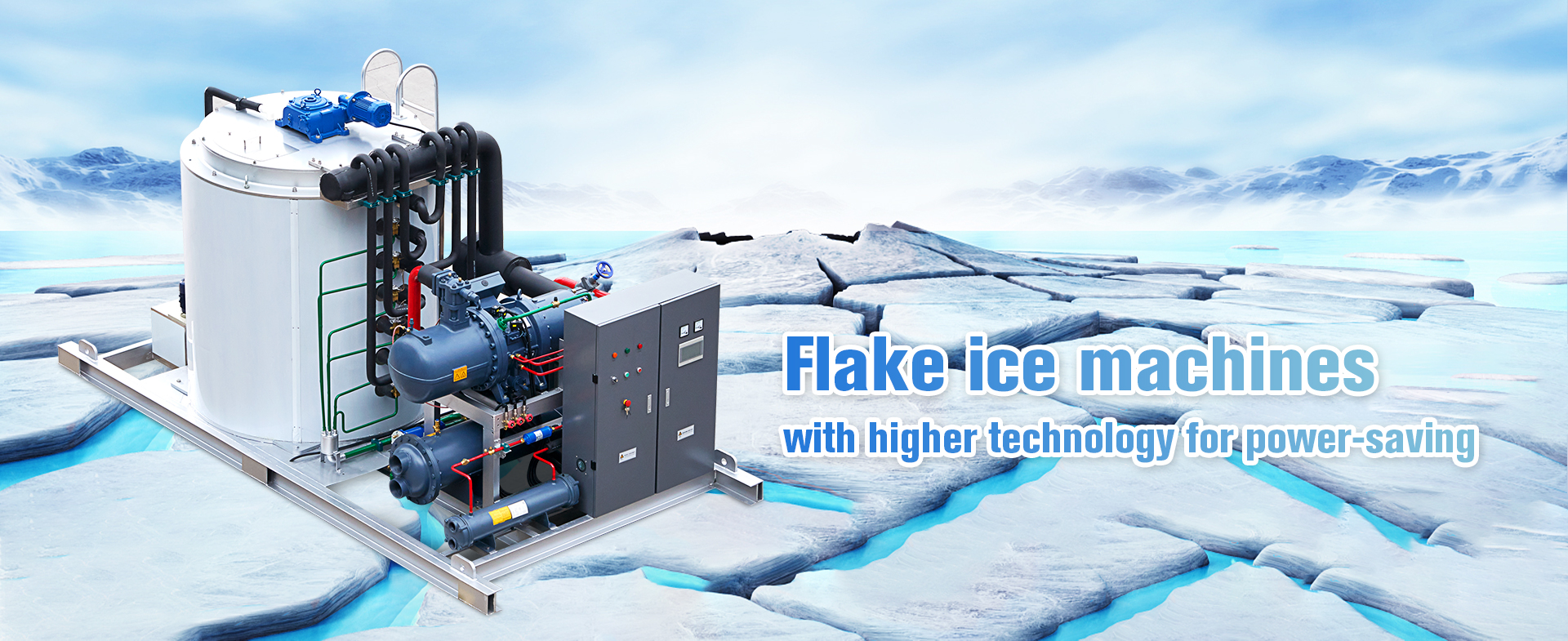
Picking the right flake ice evaporator isn't always straightforward, you know? I mean, Dr. Emily Johnson from IceTech Innovations, an industry pro, points out that "choosing the right evaporator is super important for both efficiency and saving some bucks." That really just goes to show how important it is to think things through carefully before making a call.
Flake ice evaporators are used in pretty much every industry — from keeping seafood fresh to industrial cooling setups. But here’s the thing: understanding your specific needs makes all the difference. Like, if you own a restaurant, the quality of ice can totally impact how your dishes look and how fresh they stay. On the other hand, a fishery might be more focused on how fast they can produce ice, even if it means sacrificing a tiny bit of quality.
Every business is different, so it’s key to compare features, how much ice they can produce, and how much energy they use. Sometimes, an evaporator looks perfect on paper but doesn’t really fit what you actually need — so doing a bit of homework pays off. Don't be afraid to ask a lot of questions, dig a little further, and maybe even talk to some experts. Picking the right one isn’t just about saving money now; it can really help streamline your operations and make everything run smoother overall.

Understanding Flake Ice Evaporators and Their Applications
Flake ice evaporators are vital in various industries such as food processing, fisheries, and healthcare. They produce large quantities of flake ice, ideal for preserving perishable items. These machines efficiently generate ice flakes, which have a high surface area, allowing for rapid chilling and temperature control. According to a 2022 industry report, 68% of food processing facilities prefer flake ice for its quick cooling properties and ability to conform to products.
In the seafood industry, flake ice is used extensively. It keeps fish fresh during transport and storage. The Marine Stewardship Council’s study indicates that ice delays spoilage by 42% in seafood. Hospitals also utilize flake ice for therapeutic purposes, as it supports patient comfort. However, selecting the right evaporator can be complex. Factors such as production capacity, energy consumption, and maintenance requirements must be considered.
Despite their benefits, some users face challenges. Poor maintenance can lead to ice quality issues. Additionally, energy-efficient models may have higher initial costs. Understanding your specific needs is crucial. An analysis by the Refrigeration Research Council showed that choosing the right equipment can reduce energy usage by up to 30%, ultimately lowering operational costs over time. Users must weigh these aspects carefully for optimal results.
Key Factors to Consider When Selecting a Flake Ice Evaporator
When selecting a flake ice evaporator, several key factors are essential.
The capacity of the evaporator is crucial. You should estimate your daily ice needs.
A system that produces too little will leave you short during peak times. Conversely, an oversized unit may waste energy and resources.
Energy efficiency is another critical aspect. Look for evaporators with high efficiency ratings to reduce operational costs.
You can also consider features such as automatic defrosting. This can save time and maintenance efforts.
Tips: Always check the maintenance requirements. Some models require more upkeep than others.
A unit that is hard to maintain may cause headaches down the line. Also, consider noise levels.
Lower decibel levels can be essential for certain environments, like restaurants or markets.
Lastly, the evaporator's construction materials matter. Stainless steel is preferred for its durability
and resistance to corrosion. Quality materials ensure longevity and reliability.
It’s wise to research various options before making a choice.
Comparing Different Types of Flake Ice Evaporators Available
When exploring flake ice evaporators, understanding the types available is essential. Various models cater to different needs. For instance, some are designed for high production rates, making them ideal for large venues. Others are smaller, perfect for cafes or small restaurants. Consider the capacity you require and the space available.
Tip: Assess your ice requirements before choosing a model. This ensures you select an evaporator that best suits your daily needs. Flake ice is often preferred for its ability to cool rapidly. A unit with a higher efficiency will save you money in the long run.
Choosing the right evaporator means evaluating features like energy consumption and maintenance ease. Some units have advanced technologies that enhance performance. However, they may require a learning curve for effective operation. Reflecting on your operational priorities will lead to better choices, ensuring long-term satisfaction with your equipment.
Assessing the Cooling Capacity and Efficiency of Evaporators
When selecting a flake ice evaporator, cooling capacity is paramount. The cooling capacity defines how much ice can be produced within a specific time frame. A unit with higher capacity is ideal for large operations, while smaller systems suit less demanding applications. Consider the ambient temperature as it affects the machine's efficiency. In hotter conditions, an evaporator may struggle to maintain the desired ice output.
Efficiency is another critical factor. Different evaporators operate at various energy consumption levels. An efficient model can reduce operational costs significantly. However, higher efficiency often correlates with higher upfront costs. It's essential to analyze your return on investment over time. Energy audits can provide insights on performance, leading to better decisions.
Reviewing user feedback can highlight performance inconsistencies. Some models may not perform as advertised. Frequent maintenance and repairs can be a headache too. Evaluate the durability and reliability of the unit. Selecting the right evaporator is about balancing capacity, efficiency, and long-term functionality. A misstep can lead to wasted resources and unmet needs.
Evaluating the Maintenance and Operation Costs of Flake Ice Machines
When selecting a flake ice evaporator, evaluating
maintenance and operation costs is crucial.
Although initial investment matters, long-term expenses can significantly impact your budget.
A study conducted by the International Journal of Refrigeration shows that
maintenance costs can range from 10% to 30% of the total operating costs.
This variation can stem from equipment quality, usage frequency, and the environment in which the machine operates.
Frequent maintenance may be needed for machines used in high-demand settings, such as
supermarkets or fish markets.
Regular tasks include checking water filtration systems, inspecting the compressor, and
cleaning the evaporator surface. These activities not only ensure optimal performance but can
also prevent costly repairs. On average, professional service can cost around
$150 to $300 per visit.
In terms of operational costs, factors such as energy efficiency
play a significant role. Machines with lower energy consumption can save businesses up to
20% on monthly electric bills. However, energy-efficient models
might have a higher upfront cost. Careful consideration of these factors should be part of your
decision-making process for a suitable ice machine. Balancing initial costs with long-term savings requires thoughtful analysis.
Identifying the Ideal Size and Placement for Your Needs
Choosing the right flake ice evaporator requires careful consideration of size and placement. Industry reports indicate that the ice capacity needs should match your specific cooling requirements. For instance, an establishment requiring 500 pounds of ice daily should opt for a unit that produces at least that amount, factoring in peak usage timings.
Placement plays a crucial role in efficiency. An evaporator located near the cooling process can reduce energy loss. Inadequate ventilation might hinder performance, leading to higher operational costs. The ideal spot allows for easy access and maintenance as well. According to technical studies, poorly placed units can reduce efficiency by up to 30%.
Understanding space limitations is equally important. A larger unit may not fit in a compact kitchen. Professionals often recommend rehearsing a layout before finalizing a purchase. This ensures that the selected unit does not overwhelm the available space or disrupt workflow. Opt for a setup that balances production capacity with practicality. It's vital to analyze both current and future needs.
Understanding Ice Evaporator Specifications
This bar chart illustrates the key specifications to consider when choosing a flake ice evaporator. The displayed values represent daily ice production, required capacity, available space, and power consumption. Understanding these dimensions helps ensure that you select the best evaporator for your operational needs.
Researching Reliable Brands and Manufacturers in the Market
When researching reliable brands and manufacturers for flake ice evaporators, consider several key factors. Look for brands with a long history in the industry. Established companies often have a reputation for quality and durability. Years of experience can indicate reliable manufacturing practices.
Reading customer reviews is essential. Genuine feedback helps you understand how well a product performs. Check platforms where users discuss their experiences. Look for recurring themes in the comments. Not every product is perfect, but consistent issues should raise red flags.
Tips: Verify the credentials of manufacturers. Check for certifications or standards they follow. This can provide insights into their commitment to quality. Additionally, visit trade shows or industry events. You can engage directly with manufacturers and ask questions. Getting hands-on experience can often unveil what you won’t find online.
Lastly, don't overlook warranty and service support. A strong warranty indicates confidence in the product. It’s a safety net that assures you in case of failure. If a manufacturer offers excellent customer service, it’s a good sign of reliability. Keep these elements in mind as you navigate your options.
How to Choose the Best Flake Ice Evaporator for Your Needs?
| Feature |
Description |
Importance |
| Production Capacity |
Amount of flake ice produced per day, usually measured in kg/h. |
High importance for large businesses requiring consistent ice supply. |
| Energy Efficiency |
The electricity consumption during operation. |
Important for reducing operational costs and environmental impact. |
| Ice Quality |
The clarity and texture of the produced ice flakes. |
Crucial for applications requiring high-quality ice, such as food preservation. |
| Size and Design |
Physical dimensions and layout of the evaporator. |
Significant for installation in limited space and operational efficiency. |
| Maintenance Requirements |
Frequency and ease of maintenance needed to keep the machine operating. |
Essential for minimizing downtime and ensuring reliability. |
| Brand Reputation |
Track record and customer feedback on manufacturers. |
Very important for gaining confidence in product performance and support. |
| Price |
Cost of the evaporator, including installed costs where applicable. |
Important for budget management, especially for startups and small businesses. |
FAQS
: Flake ice evaporators are used in food processing, fisheries, and healthcare industries.
Flake ice cools quickly and conforms to products, making it ideal for preserving perishables.
Flake ice keeps fish fresh and delays spoilage by 42% during transport and storage.
Hospitals use flake ice for therapeutic purposes, enhancing patient comfort during treatment.
Production capacity, energy consumption, and maintenance requirements are crucial factors.
Poor maintenance can lead to ice quality issues, affecting overall performance and costs.
Selecting the right equipment can reduce energy usage by up to 30%, lowering costs.
Maintenance costs can range from 10% to 30% of total operating expenses, depending on use.
Professional maintenance visits typically cost between $150 and $300.
While energy-efficient models save on electric bills, they may come with higher initial costs.
Conclusion
When selecting the best flake ice evaporator for your needs, it’s essential to understand the various applications of these machines and the specific features they offer. Key factors to consider include cooling capacity, efficiency, maintenance and operation costs, as well as the ideal size and placement for your setup. By comparing different types of flake ice evaporators, you can ensure that you choose an option that aligns with your requirements.
Additionally, researching reliable brands and manufacturers in the market can provide insight into the most trusted and efficient flake ice evaporators available. By carefully assessing these aspects, you can make an informed decision that maximizes the performance and longevity of your ice production equipment.