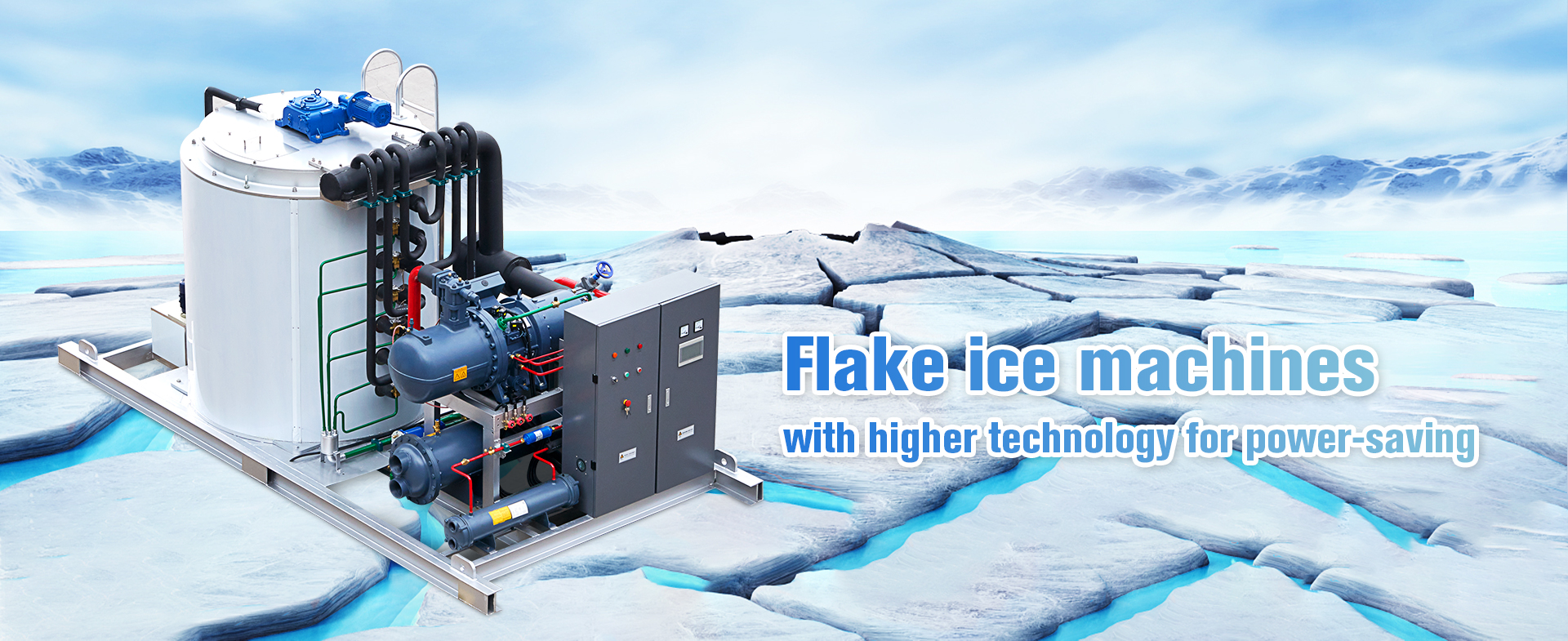
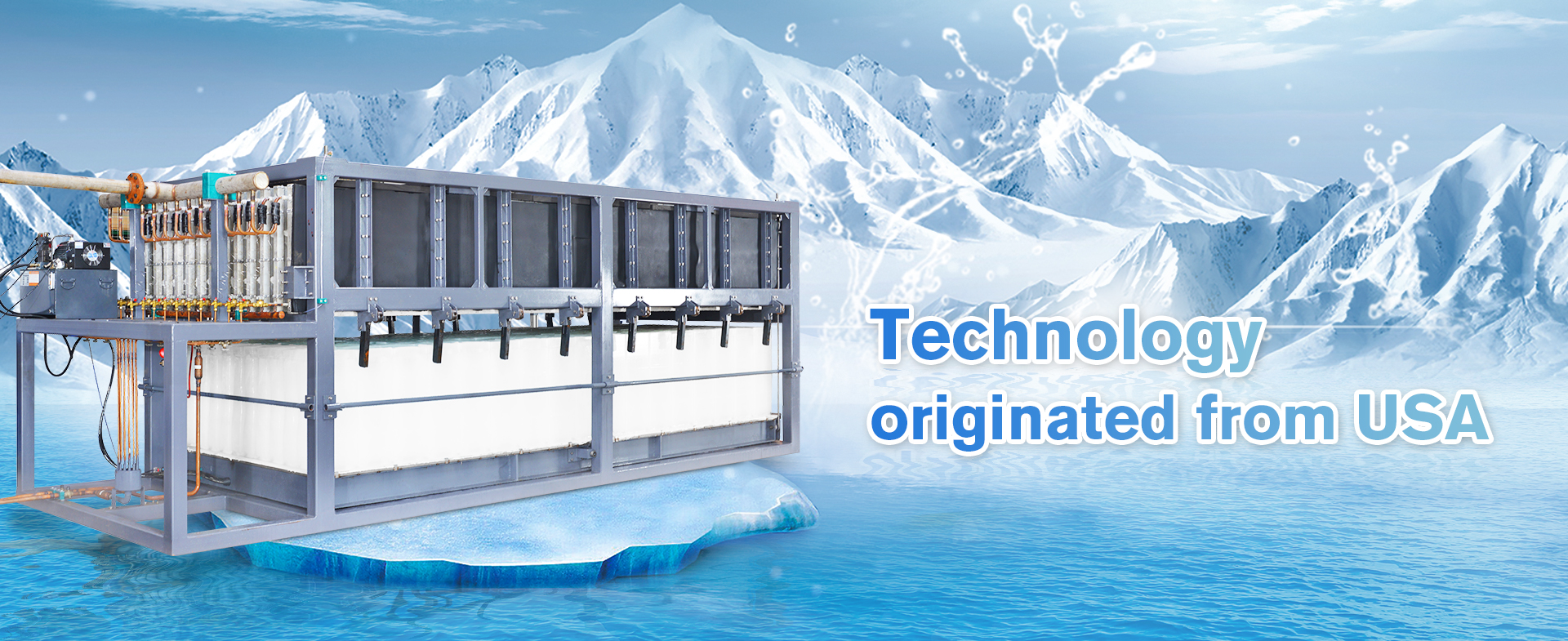

When it comes to food processing, you really can't overlook how important efficient cooling systems are. One option that’s been gaining a lot of attention is the Ice Flake Evaporator — it’s got some pretty cool features that set it apart. I recently read a report from Frost & Sullivan, and it mentioned that the ice flake market is expected to grow about 7% each year. That just goes to show how much folks are craving better, more effective cooling solutions across different industries.
Dr. Michael Jensen, a well-known guy in refrigeration tech circles, once said, “The Ice Flake Evaporator offers unmatched flexibility and efficiency, which are crucial in today’s fast-paced environment.” And honestly, he's right. These machines produce tiny, dry ice flakes, which are perfect for keeping seafood, meat, and produce fresh. Plus, they cool things down quickly, stopping bacteria from growing — which, you know, is super important for food safety.
But here’s the thing — picking the right Ice Flake Evaporator isn’t always straightforward. Companies sometimes overlook their specific needs when making a choice. It’s really important to tailor your pick to match what your business actually requires. Investing in one of these can seriously pay off — boosting quality and profits at the same time. So, understanding all these factors can make a big difference when you’re making decisions around food processing equipment.
Ice flake evaporators play a crucial role in commercial refrigeration systems. They produce small, uniform ice flakes that are ideal for quick chilling and preserving food products. This type of ice is gentle on delicate items, ensuring that seafood and produce maintain their quality during transportation and storage.
The efficiency of ice flake evaporators cannot be overstated. They consume less energy compared to traditional ice-making units. This translates into lower utility bills for businesses. Moreover, their compact design makes them suitable for a variety of settings, from restaurants to grocery stores. However, maintenance can sometimes be tricky. Regular cleaning is essential to keep the system running smoothly.
When evaluating an ice flake evaporator, consider the volume of ice required. Some models may not meet high-demand scenarios, which could lead to interruptions. It's important to balance production capacity with your specific needs. Think about the overall investment and operational costs. This careful consideration will guide you toward the best choice for your business.
Ice flake evaporators stand out when it comes to efficiency in ice production. Unlike traditional block or tube ice machines, flake ice is versatile and ideal for various applications. According to industry reports, flake ice is 90% more efficient in cooling than block ice. This efficiency leads to reduced energy costs, a significant advantage for many businesses.
Flake ice has a unique structure that allows it to conform to the surface of products. This conforms well, maximizing cooling and minimizing temperature fluctuation. In contrast, cubes or blocks can't match this adaptability. Furthermore, flake ice is easier to handle and store. This makes it preferable in food processing and seafood markets.
Tip: When selecting an ice production method, assess your operational needs. Consider the volume of ice required and the specific cooling application. Also, evaluate how space-efficient each option is.
Another factor to consider is the maintenance. Flake ice machines usually require more regular cleaning than other types. Neglecting maintenance can lead to inefficient operation, impacting your bottom line. Ensure your team is trained for proper upkeep, as consistent performance is critical.
Ice flake evaporators are essential in various industries. They produce small, dry ice flakes suited for numerous applications. These machines are commonly found in sectors like food preservation, seafood processing, and pharmaceuticals.
In the food industry, ice flake evaporators help maintain freshness. They cool products quickly, minimizing bacterial growth. Seafood processors rely on them to preserve the quality of fish during transportation. The ability to cover seafood evenly ensures that it stays fresh.
Pharmaceutical companies also value ice flake evaporators. These machines are used to maintain temperature-sensitive items. In clinical trials, they ensure the integrity of vaccines and other sensitive materials. The reliability of these systems enhances compliance with regulations. Relying on varied ice particle sizes may not always suit specific needs, leaving room for improvement. Exploring alternatives can optimize performance and meet distinct requirements better.
| Industry | Application | Benefits |
|---|---|---|
| Food Processing | Fish and Seafood Preservation | Maintains freshness and quality, extends shelf life |
| Supermarkets | Display of Fresh Produce | Enhances visual appeal, keeps products cool |
| Pharmaceuticals | Temperature-Sensitive Drugs Storage | Ensures product efficacy, prevents spoilage |
| Events and Catering | Ice Manufacturing for Beverages | Provides cool drinks, enhances guest experience |
| Aquaculture | Fish Farm Cooling | Improves fish health and growth rates |
Ice flake evaporators have gained popularity in the food processing industry due to their energy efficiency. These systems use less energy compared to traditional ice-making methods. They utilize a compact design, which results in lower energy consumption. This efficiency can lead to significant cost savings over time, which is critical for businesses.
The energy efficiency metrics of ice flake evaporators are impressive. They operate with low refrigerant charge and high energy transfer rates. These units produce ice quickly, preventing unnecessary delays in production. However, the initial investment might seem high. Businesses often question if the long-term savings justify this. In many cases, they do.
It’s worth noting that not all food processing industries may benefit equally from these systems. Some may find traditional methods still meet their needs. Evaluating the specific requirements of the business is crucial. Customization and proper installation are key factors in optimizing energy usage. These aspects can greatly influence overall performance. Understanding this is essential for making informed choices.
Investing in an ice flake evaporator is a decision rooted in practical cost analysis. Understanding the initial investment versus the long-term return is essential for any business. Often, upfront costs may appear daunting. However, ice flake evaporators produce uniform, lightweight ice, enhancing product quality and reducing waste. This efficiency can lead to significant cost savings over time. Many businesses find that the initial outlay pays dividends in enhanced operations and customer satisfaction.
Tips: Consider the scale of your ice requirements. An underperforming system can lead to unnecessary expenses, so align your needs with the right capacity. Regular maintenance also extends the lifespan of your evaporator, ensuring that performance stays optimal.
Another crucial factor is energy consumption. Ice flake evaporators are often designed for efficiency. Businesses that monitor energy costs can see a marked decrease in utility bills. Yet, some models may consume more power than anticipated. It's essential to research and choose wisely based on your needs.
Ultimately, the investment in an ice flake evaporator can transform your operations. Evaluating the total cost of ownership versus the benefits will guide you in making informed choices. Consider both the tangible and intangible returns, such as improved customer loyalty and employee satisfaction.
Ice flake evaporators have seen remarkable advancements in recent years. The latest designs incorporate state-of-the-art technology, elevating efficiency and reliability. According to recent industry reports, these systems can now produce ice flakes at a higher rate, with energy consumption reduced by up to 30%. This means better operational costs for businesses relying on ice.
With growing demand in sectors like seafood and food processing, the need for innovation is evident. The modern ice flake evaporator features enhanced heat exchange systems, which allow for faster freezing times. Furthermore, many tools now include smart features, enabling real-time monitoring and data analysis. This can lead to improved maintenance routines and reduced downtime.
Tip: Explore integration options with existing equipment for better synergy in operations.
Another crucial aspect is the environmentally friendly refrigerants now used. These innovations not only comply with regulations but also appeal to businesses investing in sustainable practices. Nonetheless, selecting the right system requires careful consideration of specific needs. Evaluating the balance between initial costs and long-term savings can be challenging but essential for success.
The environmental impact of ice flake production is increasingly significant. Traditional refrigeration methods often consume substantial energy. In contrast, ice flake evaporators use advanced technologies to enhance efficiency. According to a 2022 report by the International Institute of Refrigeration, modern ice flake systems reduce energy consumption by up to 30% compared to conventional systems.
Sustainability is a major consideration in today's business landscape. Ice flake production techniques now focus on minimizing waste and electronics. For instance, innovative designs contribute to reducing water and refrigerant usage. A 2023 study from the Environmental Protection Agency highlighted that businesses adopting sustainable practices can decrease their carbon footprint by over 25%.
While ice flake evaporators offer benefits, challenges remain. Some older models still rely on hydrofluorocarbons (HFCs), which are potent greenhouse gases. Transitioning to more eco-friendly refrigerants is essential. Businesses must weigh efficiency gains against environmental responsibilities. It's a complex balance that requires ongoing evaluation and commitment to sustainability practices.
In the highly competitive refrigeration industry, maximizing efficiency and output is crucial for operators seeking to optimize their flake ice production. The latest advancements in flake ice evaporator technology, particularly the innovative fixed vertical design, provide significant advantages. Made from durable materials such as SUS304 or carbon steel and featuring advanced surface treatment techniques like Nobelium electroplating, these evaporators boast high heat transfer efficiency, which is imperative for effective ice production. According to recent industry reports, efficient heat transfer is a key factor contributing to operational cost reductions, with well-designed evaporators achieving up to 25% lower energy consumption compared to traditional models.
The versatility of flake ice evaporators is another notable benefit. They are widely utilized in various applications, including commercial flake ice making plants and ammonia-based refrigeration systems. The ease of installation is a crucial aspect that enhances their appeal; users can quickly connect the evaporator tube to the refrigeration source, streamlining the ice production process. As per market research data, improved installation methods and reduced operational costs are driving the adoption of these systems across multiple sectors, further solidifying their role in enhancing productivity in ice production facilities. This clear trend highlights the importance of investing in advanced evaporator technologies to meet the growing demands for efficient and reliable ice-making solutions.
: Ice flake evaporators are 90% more efficient than block ice. They provide superior cooling for various applications.
Flake ice conforms to surfaces well, maximizing cooling and minimizing temperature fluctuations. It's easier to handle compared to blocks.
Assess volume needs, cooling applications, and space efficiency. Evaluate how each option aligns with operational demands.
Flake ice machines require more frequent cleaning. Neglecting maintenance can lead to inefficiency and impact profit margins.
They use less energy and increase savings over time. Initial investments may be high, but long-term benefits are often substantial.
Modern designs feature faster ice production and reduced energy use. They now include smart monitoring tools for better maintenance.
Not necessarily. Some industries may find traditional methods still adequate. Customization is key to optimizing performance.
Eco-friendly refrigerants comply with regulations and support sustainable practices. This choice can impact business reputation.
Proper installation is crucial for energy optimization. Consulting experts is advisable to meet specific business requirements.
High energy efficiency leads to lower energy bills. Understanding energy use helps in making informed investment decisions.
Ice Flake Evaporators are essential in commercial refrigeration systems, offering numerous benefits that make them suitable for a variety of industries. These systems are compared favorably against other ice production methods, highlighting their efficiency and performance for applications such as food processing. The energy efficiency metrics of Ice Flake Evaporators demonstrate significant savings in operational costs, making them a wise investment for businesses focused on sustainability.
Additionally, advancements in Ice Flake Evaporator design emphasize their role in environmentally friendly practices, as they optimize ice production while minimizing waste and energy consumption. A thorough cost analysis shows that the initial investment in these systems is typically outweighed by the long-term returns, reinforcing the financial viability of Ice Flake Evaporators for businesses seeking to enhance their operational efficiency and environmental responsibility.