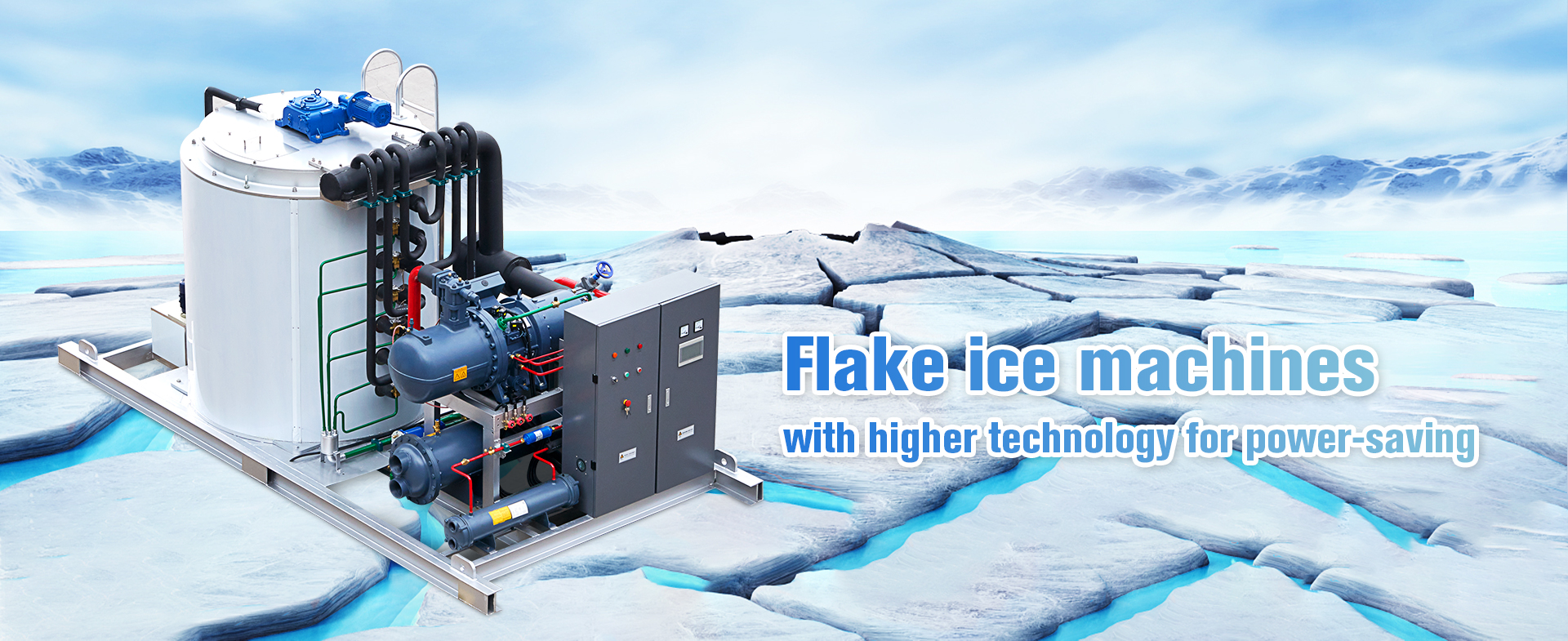
Finding the right equipment for your business is super important—trust me, it can really make or break your day. Take the Flake Ice Machine With Bin, for example; it’s honestly a standout in the world of commercial ice makers. People love it for how efficient it is and how it can produce high-quality flake ice. And let's be honest, flake ice is so versatile—you'll find it perfect for everything from seafood displays to drinks at your bar or restaurant.
Now, when you're choosing a Flake Ice Machine With Bin, think about what your business actually needs. How much ice do you go through on a busy day? Do you have plenty of space, or are you working with a tight spot? These little details can really influence which model is the best fit. Whether you’re running a cozy little cafe or a big seafood market, having the right machine can totally change the game.
Of course, there are tons of options out there, but not all of them are created equal. Some might not last long or keep up with your demand efficiently. My advice? Do some homework—read reviews, compare features, and don’t rush into a purchase just because something looks good. Taking the time to pick wisely will definitely pay off in the long run, I promise.

Understanding Flake Ice Machines and Their Importance for Businesses
Flake ice machines play a critical role in various industries. They are essential for seafood wholesalers, hospitals, and restaurants. These machines produce small, crunchy ice flakes that cool items quickly. According to the Food and Beverage Management Industry report, over 60% of restaurants rely on flake ice for preserving food quality.
The importance of choosing the right flake ice machine cannot be overstated. A machine with proper insulation and energy efficiency can significantly reduce operational costs. A study from the International Journal of Refrigeration found that energy-efficient models cut energy use by up to 30%. This translates to substantial savings over time, especially for high-volume users.
Tip: When selecting a flake ice machine, consider the ice production capacity based on your daily needs. Higher capacity machines may save you money in the long run. Regular maintenance also helps identify potential issues, ensuring long-lasting performance.
Understanding the machine’s size and bin capacity is vital. Insufficient storage can lead to inefficiencies. A poorly sized unit may require constant refilling, impacting service speed. Avoid underestimating your business needs. Tip: Always analyze peak hours of ice usage. This helps in making an informed decision on the right equipment.
Key Features to Look for in a Flake Ice Machine
When choosing a flake ice machine, several key features stand out. A robust production capacity is essential. Many businesses require machines that can produce over 500 pounds of ice per day, especially in high-demand environments like seafood markets and restaurants. According to industry reports, higher capacity machines can ensure continuous supply during peak hours.
Energy efficiency is another critical feature. Machines that utilize advanced technologies can reduce energy consumption by up to 30%. This not only lowers operational costs but also promotes a more sustainable approach to business. Many operators overlook the importance of energy ratings, which can significantly impact long-term expenses.
Additionally, the machine's storage bin size plays a vital role. Some businesses may find that they need bins that hold at least 50 pounds of ice. Insufficient storage can lead to frequent downtime, forcing staff to replenish ice often, which is inefficient. Choosing a machine with an adequately sized bin contributes to smoother operations. In this context, understanding the balance between production and storage capacity is crucial to avoid unexpected ice shortages.
Choosing the Right Bin for Your Flake Ice Machine
When selecting a bin for your flake ice machine, consider its size and capacity. A larger bin can store more ice, which is beneficial for high-demand environments. However, a big bin can take up valuable space. Assess your workspace before making a choice.
Material is another crucial factor in your decision. Stainless steel is durable and easy to clean. Plastic bins are lightweight and less expensive but may not last as long. Ensure the material meets your business's hygiene standards. A well-chosen bin will not just hold ice; it reflects your care for quality.
Lastly, think about accessibility and ease of use. Bins with ergonomic designs make it easier for staff to scoop ice efficiently. Evaluate if the bin fits well with your machine and workflow. Regular checks on ice levels are essential, but a poorly designed bin can make this task cumbersome. Consider these factors closely to enhance your operations.
Comparative Analysis of Top Flake Ice Machines Available
When selecting a flake ice machine for your business, understanding the market is crucial. The demand for flake ice machines continues to rise, with industry reports indicating a growth rate of 5% annually. This is often attributed to the foodservice and medical sectors, where ice quality matters. Flake ice not only cools beverages but also preserves seafood and produce efficiently. Choosing the right machine can impact your operational efficiency.
In the comparative analysis of flake ice machines, factors like ice production capacity, energy efficiency, and bin size are vital. Data shows that models with higher energy efficiency save businesses about 20% in electricity costs annually. Additionally, machines with larger bins reduce the frequency of ice production, essential for high-demand periods. Some designs, however, may occupy more floor space. This aspect is often overlooked, yet it heavily influences utility in smaller establishments.
Another point for consideration is maintenance. Flake ice machines require regular upkeep. Some users report challenges with scale buildup, which can hinder performance. The cleaning process can be time-consuming, often taking several hours. Businesses should weigh these maintenance demands against their operational needs and budget constraints. Ensuring your machine is both efficient and manageable reflects a thoughtful approach to investment.
Maintenance Tips for Longevity of Flake Ice Machines
Flake ice machines are vital in various industries, including restaurants and hospitals. Proper maintenance can significantly impact their longevity. According to a report by the Food Service Equipment Association, regular upkeep can extend the life of an ice machine by up to 15 years. Nonetheless, many operators neglect routine maintenance, leading to costly repairs and downtime.
Cleaning the machine is essential. Mineral buildup from water can harm components. It’s crucial to inspect and clean the machine at least every six months. Using appropriate descaling solutions can prevent buildup. Additionally, monitoring the water quality can help reduce maintenance frequency. The National Sanitation Foundation recommends testing water quality regularly to avoid complications.
Another key aspect is regularly checking the refrigerant levels. Insufficient refrigerant can lead to inefficient ice production. Maintaining adequate cooling is also important. Ensure that the machine has proper airflow around it. The ambient temperature should never exceed 90°F to maintain optimal performance. Overheating can decrease efficiency and increase wear and tear. Ignoring these maintenance tips could lead to unexpected breakdowns and higher operational costs.
Cost Considerations and Budgeting for Your Ice Machine Purchase
Investing in a flake ice machine is a significant decision for any business. The initial cost can range from $3,000 to over $10,000, depending on capacity and features. This expense can be daunting, especially for startups or smaller operations. According to industry reports, maintenance costs can add another 15% to 20% to your budget. Understanding ongoing expenses is crucial for effective financial planning.
Choosing an ice machine requires careful consideration of your specific needs. For businesses in food service or healthcare, the volume of ice needed can dramatically impact costs. A high-capacity machine might seem expensive up front, but the return on investment can be substantial. Many operators report an increase in efficiency, reducing long-term operational costs. It's essential to analyze your projected ice consumption to avoid overspending.
Some business owners overlook the importance of energy efficiency. Machines with high energy ratings may cost more initially but can save you money over time. The U.S. Department of Energy states that energy-efficient models can reduce operating costs by up to 50%. Regularly review utility expenses to gauge the financial impact of your ice machine choice. Do not ignore these factors when budgeting for your flake ice machine.
Real-life Applications of Flake Ice in Various Industries
Flake ice has become vital in various industries. Restaurants use it to keep produce fresh and visually appealing. In seafood markets, flake ice preserves fish, enhancing its quality. Its versatility makes flake ice an essential tool for maintaining product integrity.
For healthcare, flake ice finds applications in medical facilities. It helps in storing temperature-sensitive items. Hospitals often use it for cooling injuries and handling certain medications. However, ensuring a consistent supply is crucial to avoid any disruptions.
Tips: Regular maintenance of your flake ice machine prevents breakdowns. Monitor ice production to match your business needs closely. Consider your storage capacity carefully to avoid overflow issues. Mistakes in management can lead to waste and lost revenue. Be proactive in addressing these challenges for a smoother operation.
Flake Ice Consumption in Various Industries
FAQS
: Consider the size and capacity. A larger bin holds more ice but takes up more space.
Stainless steel is durable and easy to clean. Plastic is lighter but less lasting.
Ergonomic designs help staff scoop ice easily. Poor design can hinder workflow.
Look at ice production capacity, energy efficiency, and bin size. Each greatly affects operations.
Efficient machines can save around 20% on electricity costs each year. This is significant.
Regular cleaning and inspections are vital. Neglecting them can lead to costly repairs.
Inspect and clean at least every six months to prevent mineral buildup and enhance performance.
Low refrigerant can cause inefficient ice production. Always monitor for the best results.
Keeping temperatures below 90°F is essential. Overheating affects efficiency and increases wear.
Assess the cleaning process and tools. Time-consuming tasks can lead to operational delays.
Conclusion
Flake ice machines with bins play a crucial role in various industries, providing efficient cooling solutions for businesses such as restaurants, seafood markets, and medical facilities. Understanding the key features of these machines, including ice production capacity, energy efficiency, and ease of use, is essential for making an informed purchase. Additionally, selecting the right bin is equally important to ensure optimal storage and accessibility of the ice produced.
When evaluating the best flake ice machines with bins, a comparative analysis of available options can guide businesses in choosing the most suitable model. Maintenance tips can further enhance the longevity of these machines, while a careful consideration of costs will help in budgeting for this vital investment. Real-life applications highlight the versatility of flake ice, underscoring its importance in maintaining product freshness and safety across various sectors.