
0%

In the world of ice production, it’s pretty clear that the demand for Flake Ice Equipment is really picking up. As companies around the globe start planning for 2026, it’s more important than ever to get a good handle on how the market’s shaping up. You know, flake ice is super important in a bunch of industries—think food preservation, cooling concrete, and even healthcare.

There are quite a few big players in this space. For example, brands like Ice-O-Matic and Scotsman are pretty much trusted names when it comes to reliable equipment. They’re always pushing out innovative tech that makes the process more efficient and eco-friendly. But, honestly, choosing the right Flake Ice Equipment isn’t exactly a walk in the park. You’ve gotta think about stuff like price, how much energy it uses, and how much ice it can produce.

Looking at the trends, it’s pretty clear that the market’s moving towards more energy-efficient models. Some manufacturers still haven’t quite caught up to this shift, which actually opens up opportunities for improvements. When making a decision, it’s smart for buyers to compare all the options carefully. Checking out reputable brands and understanding what they offer can really help in making a smart choice. In the end, finding a balance between reliability and performance is what matters most when investing in new equipment.

Best Flake Ice Equipment for Global Buyers in 2026?

Overview of Flake Ice Equipment and Its Global Demand in 2026

Flake ice equipment plays a pivotal role in various industries. It is crucial for seafood preservation, concrete cooling, and catering services. The demand for this equipment is expected to rise significantly in 2026, driven by growing markets in developing regions. According to industry reports, the global flake ice machine market is projected to reach USD 1.5 billion by 2026, with a compound annual growth rate (CAGR) of 7.2%.

The surge in demand for flake ice stems from its versatility. The food and beverage industry utilizes flake ice for food safety and freshness. Reports indicate that about 60% of flake ice consumption is in food-related applications. Moreover, the construction sector increasingly relies on flake ice for temperature control during concrete pouring. This is particularly relevant in warmer climates where rapid curing is essential. However, ensuring reliable equipment in diverse environments poses ongoing challenges. Factors such as maintenance, energy efficiency, and operational costs must be scrutinized.

Additionally, advancements in technology are shaping market dynamics. Emerging innovations focus on enhancing energy efficiency, which could reduce operational costs. However, user adoption may face resistance due to high initial investment. Addressing these concerns is crucial to fully capitalize on the anticipated growth of flake ice equipment in global markets. Industry stakeholders must balance innovation with practicality to meet evolving market needs.

Key Features to Look for in Flake Ice Machines

When considering flake ice machines in 2026, understanding the key features is essential for global buyers. One of the vital components is efficiency. Reports indicate that energy-efficient machines can reduce operational costs by up to 30%. Users often overlook this aspect, leading to higher bills. Efficient cooling systems and smart temperature controls help enhance performance.

Durability is another critical factor. Many machines face wear due to continuous operation in demanding environments. High-quality stainless steel constructions offer resilience. According to industry studies, reliable ice machines last 15% longer than their counterparts. Ignoring build quality can result in frequent breakdowns, impacting operations.

Ice production capacity must be assessed carefully. Some buyers focus solely on price. This often leads to acquiring machines with inadequate output for their needs. Average daily production rates can range significantly, from 500 to 5,000 pounds. Understanding these figures ensures companies choose machines that align with their specific requirements. Without proper evaluation, businesses may face challenges during peak demand, resulting in lost opportunities.

Best Flake Ice Equipment for Global Buyers in 2026? - Key Features to Look for in Flake Ice Machines

Model Production Capacity (kg/24h) Power Consumption (kW) Weight (kg) Key Features
Model A 1000 2.5 150 Compact design, energy-efficient, easy maintenance
Model B 1500 3.0 200 High production capacity, durable materials, low noise
Model C 2000 4.0 250 Smart control system, high efficiency, robust performance
Model D 1200 2.8 180 Versatile usage, easy installation, energy-saving mode
Model E 1800 3.5 220 Advanced filtering system, enhanced safety features, high reliability

Comparative Analysis of Leading Flake Ice Equipment Brands

Choosing the right flake ice equipment is essential for various industries. Analyzing leading brands can provide valuable insights for global buyers in 2026. Understanding different technologies and efficiency measures can help in making well-informed decisions.

Some brands excel in energy efficiency, while others focus on production speed. Buyers should consider their specific needs. For instance, in seafood preservation, the speed of ice production can affect product quality. High-quality ice keeps fish fresh longer. In contrast, cost-effective options might sacrifice performance. Those choosing less expensive models should reflect on potential long-term impacts.

Reliability is another critical factor. Equipment that breaks down frequently can disrupt operations. Long-term maintenance costs should also be evaluated. Options with robust after-sales support may offer more peace of mind. It is crucial to weigh all these factors against individual business needs. Each buyer's situation is unique. Ultimately, the right choice combines efficiency, reliability, and cost-effectiveness.

Sustainability Trends Impacting Flake Ice Equipment Design

As the demand for flake ice equipment grows, sustainability trends reshape design practices. A report from the International Institute of Refrigeration indicates that 75% of global ice makers are now prioritizing energy efficiency and eco-friendly materials in their production. This shift is significant for industry stakeholders. It highlights the increasing need to evaluate environmental impact continuously.

Manufacturers are adopting new technologies to limit carbon footprints. For instance, integrating advanced insulation materials can enhance energy conservation by up to 30%. Moreover, companies are exploring the use of natural refrigerants. The latest research shows that these alternatives may reduce greenhouse gas emissions by approximately 40%. These metrics shine a light on a critical pivot needed in today’s industry.

Despite these advancements, challenges remain. The initial investment in sustainable equipment can be high. Small-scale operators often find it difficult to comply with new standards. Additionally, the availability of sustainable components can hinder rapid implementation. A balance must be struck to encourage both innovation and accessibility. The journey toward fully sustainable flake ice equipment continues, and ongoing assessment is crucial for its progress.

Market Forecast: Pricing Trends for Flake Ice Machines in 2026

As we approach 2026, the market for flake ice machines is poised for significant evolution. Analysis from industry reports indicates that the global demand for flake ice is projected to grow at a compound annual growth rate (CAGR) of approximately 7.2%. This growth is largely driven by sectors such as seafood processing, pharmaceuticals, and hospitality, where flake ice is essential. The shift toward sustainable practices is also influencing pricing trends, as manufacturers focus on energy-efficient technologies.

Projections suggest that the average price of flake ice machines may rise by 5% to 10% in 2026. The rising costs of raw materials and advanced technologies contribute largely to this increase. However, consumers should remain mindful of fluctuating market conditions. The pressure on suppliers to balance sustainability with affordability could lead to price volatility. An erratic market can complicate long-term planning for buyers.

Buyers must also be aware of the competitive landscape. As new players enter the market, pricing strategies may shift. Some manufacturers may opt for aggressive pricing to capture market share, while others focus on premium quality and after-sales service. This uncertainty presents both opportunities and challenges for global buyers. Engaging with industry experts can provide valuable insights into navigating this dynamic market.

Best Use Cases for Flake Ice Equipment Across Various Industries

Flake ice is increasingly vital across various industries due to its unique properties. In the seafood industry, it is used extensively to preserve the freshness of products. According to a report by MarketsandMarkets, the global demand for flake ice is expected to grow steadily, driven by the increase in seafood consumption. The ice helps maintain the temperature of fish, reducing spoilage and extending shelf life, which is crucial for suppliers.

In healthcare, flake ice plays a crucial role. It is used for cryotherapy and cooling applications during surgeries. The ice's fine structure allows for even cooling, essential to avoid tissue damage. However, the reliance on flake ice raises questions about sustainability and energy efficiency. Many hospitals are evaluating their processes to reduce energy consumption while maintaining efficacy.

The food and beverage industry also benefits from flake ice. It is commonly utilized in beverage dispensers to keep drinks cold without diluting them. According to industry analysis, flake ice can reduce beverage waste significantly. Nevertheless, the challenge lies in maintaining equipment efficiency and managing operational costs. Buyers should carefully consider both the advantages and drawbacks of flake ice applications in their specific contexts.

Buyer Considerations: Maintenance and Support for Flake Ice Machines

When considering flake ice machines, maintenance and support are crucial. A robust maintenance plan can extend the life of your equipment significantly. Regular cleaning and inspections ensure optimal ice production. Pay attention to the hydraulic and refrigeration systems, as these areas often require specialized care.

Scheduled maintenance is essential. Keeping a record of all servicing helps track the machine's performance over time. Don't overlook the importance of manufacturer support. Reliable customer service can make a difference when issues arise. It's wise to choose suppliers who offer comprehensive assistance, including access to replacement parts.

If possible, create a checklist for routine tasks. This practice will help avoid oversights. Also, foster a relationship with technicians who understand your specific equipment. They can provide invaluable insights. Reflect on experiences with past machinery. What worked well? What could have been handled better? Identifying these factors can lead to more informed purchasing decisions in the future.

Maximizing Efficiency in Ice Production: An In-Depth Analysis of the ICESNOW 20 Tons/day Flake Evaporator SUS304 and Industry Trends

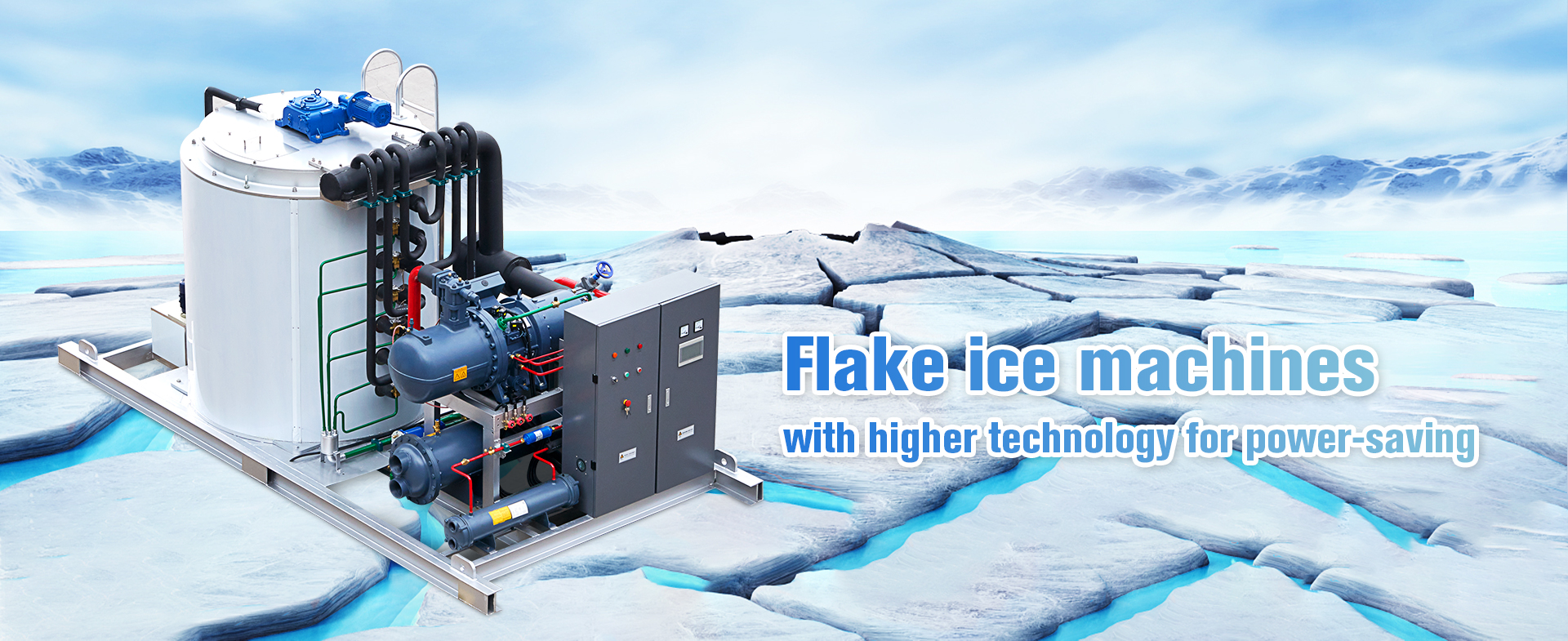
The ICESNOW 20 Tons/day Flake Evaporator presents a significant advancement in maximizing efficiency in ice production. Engineered with precision and utilizing top-quality materials, this evaporator offers a unique design that boasts a remarkable 20% energy savings compared to traditional flake ice evaporators. With an emphasis on high-performance and sustainability, this equipment aligns perfectly with the industry's evolving trends towards energy efficiency and cost-effectiveness.

Established in 2003, the manufacturing facility spans approximately 10,000 square meters, providing ample space for advanced production techniques. The flake ice evaporator is customizable, allowing for options such as carbon steel, SUS304, and SUS316 materials to meet specific customer needs. The innovative spiral refrigerant channel construction enhances the system's efficiency, ensuring optimal performance in various ice production scenarios. Additionally, the manufacturing process adheres strictly to CE standards, guaranteeing quality and safety in every unit.

Equipped with state-of-the-art machinery, including a 2.5m vertical lathe and automatic welding machines, the production process is both precise and efficient. The application of 850ºC heat treatment enhances material durability, while the acid washing pool ensures all components meet the highest hygiene standards. This comprehensive approach to manufacturing positions the ICESNOW flake evaporator as a frontrunner in the ice production sector, effectively addressing industry demands for reliability and efficiency.

FAQS

: What industries use flake ice equipment?

: Flake ice equipment is used in seafood preservation, concrete cooling, and catering services.

Why is the demand for flake ice expected to rise by 2026?

The demand will increase due to developing markets and projected growth to USD 1.5 billion.

What percentage of flake ice consumption is in food-related applications?

About 60% of flake ice is used in food-related applications for safety and freshness.

How does flake ice benefit the construction sector?

It helps control temperatures during concrete pouring, especially in warmer climates.

What challenges do manufacturers face with flake ice equipment?

Ensuring reliability, managing maintenance, and controlling operational costs are ongoing challenges.

How are sustainability trends shaping flake ice equipment design?

Many manufacturers are focusing on energy efficiency and eco-friendly materials in production.

What is the impact of natural refrigerants on flake ice equipment?

They may reduce greenhouse gas emissions by approximately 40%.

Why might user adoption of energy-efficient technologies be slow?

High initial investment costs often deter users from adopting new technologies.

What role does ongoing assessment play in flake ice equipment development?

Continuous evaluation is crucial for balancing innovation and accessibility in equipment design.

Are there barriers for small-scale operators in the flake ice market?

Yes, they often struggle with the cost of sustainable equipment and meeting new standards.

Conclusion

The article titled "Best Flake Ice Equipment for Global Buyers in 2026" provides a comprehensive overview of the flake ice equipment market, highlighting its anticipated demand and key characteristics by 2026. It emphasizes the essential features buyers should consider when selecting flake ice machines, including efficiency and energy consumption. Moreover, a comparative analysis of leading brands offers insights into current market leaders, while sustainability trends shape the design and functionality of these machines.

As the demand for flake ice equipment rises across various industries, the article forecasts pricing trends, offering valuable predictions for prospective buyers. Additionally, it outlines best use cases where flake ice is crucial, from food preservation to healthcare. Finally, it advises on critical buyer considerations, such as maintenance and support services, ensuring that investment in flake ice equipment aligns with operational needs and sustainability goals.

Clara

Clara

Clara is a dedicated marketing professional at Guangdong Icesnow Refrigeration Equipment Co., Ltd., a leading integrated manufacturer established in 2003. With a strong specialization in the research, design, manufacture, and sale of various ice production equipment—including flake ice machines,......
Previous Best 10 Ton Tube Ice Machine for Your Business Needs?