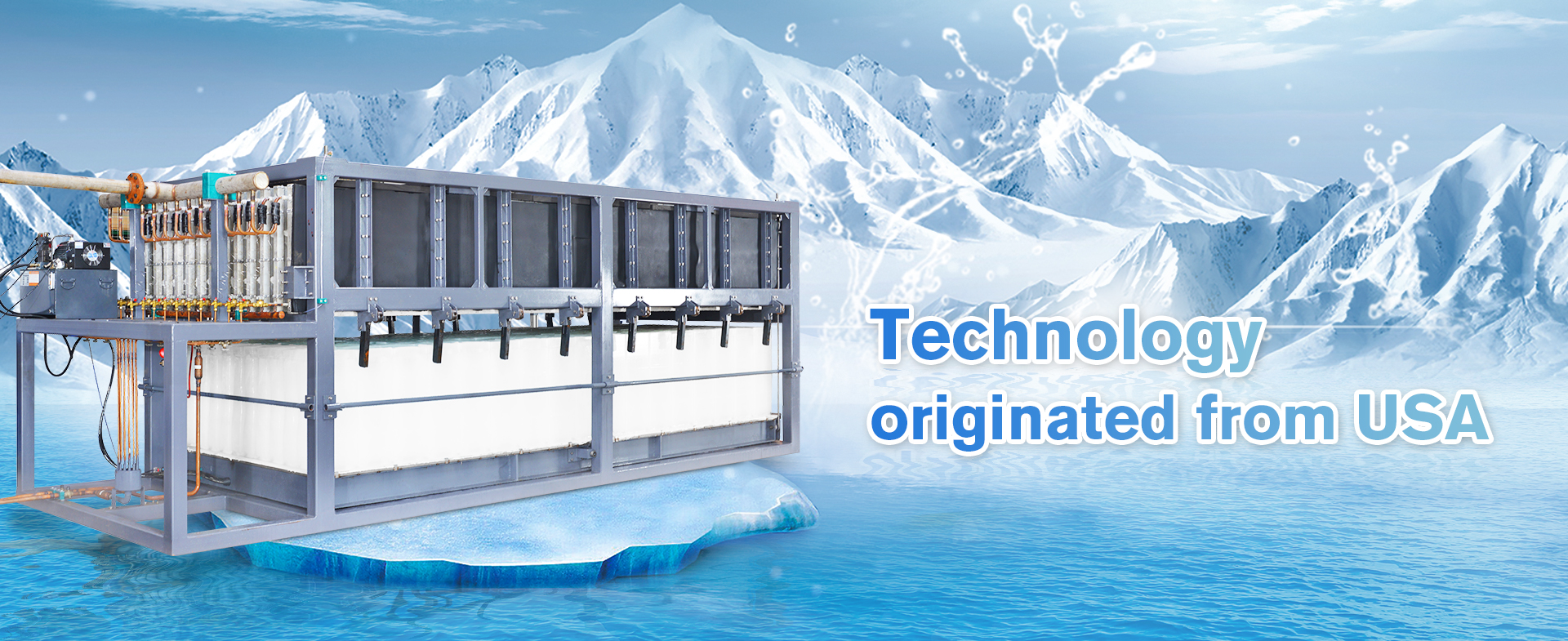
When it comes to the competitive world of ice production, picking the right machinery really makes all the difference. I mean, Dr. Emily Johnson from IceTech Solutions, who's pretty much a go-to expert in the industry, says it best: "A reliable 10-ton tube ice machine is a must-have for any growing business." That really highlights just how important it is to invest in good quality equipment if you want to keep up with the demand.
Now, the 10-ton tube ice machine? It’s a total game-changer because of its efficiency and solid performance. Businesses in sectors like seafood, food processing, or even event management depend on getting ice consistently without hiccups. Dr. Johnson points out something many overlook—thinking that cheaper machines will do the trick in the long run. But often, skimping on quality leads to all sorts of operational headaches down the line.
That said, picking the right machine isn’t always straightforward. You’ve gotta think about your specific needs, your budget, and even where your business might be headed. It’s not just a one-and-done decision; adapting to changing demands can be tricky. So, getting a good handle on the technical specs and features of different machines is pretty much essential if you want to make a smart choice and avoid surprises later on.

Overview of 10 Ton Tube Ice Machines in the Market
In today's rapidly evolving market, 10 ton tube ice machines are gaining popularity across various industries. Their efficiency and output capacity make them essential for businesses in food preservation, fishing, and beverage sectors. According to a report from the International Ice Association (IIA), the demand for tube ice machines is expected to grow by 7% annually over the next five years. This trend highlights the importance of selecting the right equipment for optimal operations.
These machines produce tubular ice, which is ideal for cooling purposes. Their structure allows for a faster melting rate, providing businesses with flexibility. However, selecting the right machine requires careful consideration. Factors like maintenance needs and energy consumption play a significant role in overall efficiency. Reports suggest that improper maintenance can lead to a 20-30% decrease in performance. Business owners must recognize these pitfalls to make informed decisions.
Furthermore, understanding the technology behind these machines is crucial. Most models use a water-cooled system, which can be advantageous in specific settings but may require more energy than air-cooled options. Companies often overlook the energy consumption aspect, which can lead to unexpected costs. Balancing efficiency and demand is key to maximizing investment in ice production.
Comparison of Ice Production Capacity of 10 Ton Tube Ice Machines
Key Features to Consider When Choosing a Tube Ice Machine
When selecting a tube ice machine, several key features deserve attention. The production capacity is crucial, especially for businesses requiring consistent ice output. A 10-ton capacity machine can meet high demand scenarios. However, consider your daily needs; oversizing leads to inefficiencies. For some businesses, a smaller unit might be sufficient.
Another vital consideration is energy efficiency. Tube ice machines consume significant power. Look for models with optimized energy management features. These can reduce operating costs over time, benefiting the bottom line. Additionally, the machine's construction materials matter. Stainless steel enhances durability and hygiene, crucial for food-related businesses.
Maintenance requirements should not be overlooked. Some machines require frequent servicing, while others offer ease of use and minimal upkeep. Always assess the manufacturer's support and warranty offered. This aspect reflects the reliability of the product. Making informed choices can prevent future headaches and wasted resources. Each feature impacts productivity and operational efficiency, shaping your overall experience.
Top 10 Recommendations for 10 Ton Tube Ice Machines
When selecting a 10 ton tube ice machine, efficiency and reliability are key factors to consider. These machines are designed to produce large quantities of ice quickly. A well-made tube ice machine can output ice suitable for various applications. From food preservation to industrial cooling, having a dependable ice source is crucial for many businesses.
Some features to look for include energy efficiency and ease of maintenance. Machines with advanced technology can minimize energy consumption. An efficient machine can lead to savings over time. It’s also important to evaluate the water usage, as excess water waste can increase operational costs. Many users find that simple maintenance routines can prolong the machine's lifespan. However, some machines might still require frequent repairs, which can be a hassle.
Users often emphasize the importance of a reliable ice machine. Issues with production and consistency can disrupt business operations. Consider the machine's design and materials used. Durability plays a vital role in how long the equipment will last. Some models may work well initially but falter under heavy load. Customer feedback can provide valuable insights into real-world performance. Always weigh the pros and cons based on your specific business needs.
Comparative Analysis of Popular 10 Ton Tube Ice Machines
When evaluating popular 10 ton tube ice machines, factors like efficiency and production quality are vital. A well-constructed machine should produce clear and hard ice tubes, minimizing impurities. Regular maintenance helps avoid breakdowns and ensures consistent ice quality. Pay attention to the cooling system; it greatly affects performance and energy consumption.
Different models offer various features that cater to specific business needs. Some machines have advanced control panels, allowing precise adjustments. Robust insulation is crucial to maintain ice temperature for longer periods. However, these features can sometimes complicate operation, leading to user errors.
Customer feedback often highlights reliability issues in some models. It is essential to consider this when making a decision. Analyze the energy consumption rates; higher efficiency can translate into cost savings. Remember, a machine’s initial cost is just one part of the equation. Long-term operational costs should also be calculated before setting a budget.
Best 10 Ton Tube Ice Machine for Your Business Needs? - Comparative Analysis of Popular 10 Ton Tube Ice Machines
| Model |
Production Capacity (Ton/Day) |
Power Consumption (kW) |
Dimensions (mm) |
Weight (kg) |
Features |
| Model A |
10 |
25 |
3000 x 1500 x 2000 |
1000 |
Automatic water replenishment |
| Model B |
10 |
30 |
3200 x 1600 x 2100 |
1200 |
Advanced insulation for energy efficiency |
| Model C |
10 |
28 |
2900 x 1400 x 1950 |
950 |
User-friendly control panel |
| Model D |
10 |
32 |
3100 x 1550 x 2050 |
1100 |
Low noise operation |
Benefits of Using Tube Ice Machines for Business Operations
The use of tube ice machines is increasingly recognized for their operational benefits in various businesses. According to recent industry reports, tube ice is preferred in sectors like food preservation, beverage production, and medical applications due to its versatility and efficiency. Tube ice machines produce ice in the form of cylindrical tubes. These tubes provide a larger surface area, facilitating faster cooling and more effective thermal management.
Businesses benefit from tube ice machines in several ways. They require less energy compared to flake or block ice machines, making them cost-effective options in the long run. Reports indicate that modern machines can reduce energy consumption by up to 30%. Additionally, tube ice’s longer melting time ensures better preservation for perishable goods, thus minimizing waste. In a world where sustainability is crucial, these machines support eco-friendly practices.
However, it’s crucial to consider some challenges. Initial investment costs can be high, which may deter some small businesses. Routine maintenance is also necessary to ensure optimal performance, and operators need to be trained in proper usage. Neglecting maintenance can lead to reduced efficiency and ice quality over time. Businesses should carefully assess their needs against these factors to determine if a tube ice machine fits their operational model.
Maintenance Tips for Maximizing Tube Ice Machine Longevity
Proper maintenance is crucial for maximizing the longevity of your tube ice machine. Regular cleaning is essential. A dirty machine can lead to decreased efficiency. According to industry data, machines that are consistently maintained can last 20-30% longer than neglected ones. Common maintenance tasks include descaling to remove calcium buildup, as this can diminish ice production by over 15%.
Another important aspect is monitoring the refrigerant levels. Low levels can strain the system and lead to costly breakdowns. Regular checks can prevent this issue. Keeping doors and seals intact is also vital in maintaining optimal performance. Damaged seals can decrease efficiency by allowing cold air to escape.
Users often overlook the importance of routine inspections. It can reveal potential issues before they escalate, saving both time and money. Training staff on basic upkeep can enhance the reliability of operations. Investing in a maintenance plan might seem costly but can lead to significant savings in the long run. Ignoring these practices can result in unexpected failures, causing business disruptions.
Cost Considerations and ROI of Investing in Tube Ice Machines
Investing in a 10-ton tube ice machine can significantly impact your business operations. The initial cost may seem high, but understanding the return on investment (ROI) is crucial. A reliable ice machine can improve efficiency and reduce downtime. It produces high-quality ice that meets various needs, from food preservation to cooling in industrial applications.
Calculating the cost involves several factors. Maintenance costs can add up over time. Additionally, energy consumption is a key consideration. A machine that is energy efficient may have a higher upfront price but could save money in the long run. It's essential to analyze projected usage. Are you operating at maximum capacity or just enough to get by?
Furthermore, selecting the right machine requires understanding your unique requirements. Can your business benefit from increased ice production? Perhaps a smaller machine suffices for your current needs. Regular reviews of your equipment’s performance can reveal necessary adjustments. Continuously seeking improvements can save costs and enhance productivity. The decision to invest in a tube ice machine should be strategic and aligned with your operational goals.
FAQS
: Tube ice machines are efficient for food preservation, beverages, and medical uses. They cool faster and manage temperature effectively.
They consume less energy compared to flake or block ice machines. Modern machines can reduce usage by up to 30%.
Slower melting time helps preserve perishable goods and reduces waste, which supports sustainable practices.
Yes, initial costs can be high. Routine maintenance is necessary for optimal performance, and operators need proper training.
Consider maintenance costs and energy usage. Efficient machines may have a higher upfront cost but could save money long-term.
Analyze your ice production needs. Are you maximizing capacity or just keeping up? Regular equipment reviews can reveal needed adjustments.
Conclusion
The article provides a comprehensive guide on choosing the best 10 ton tube ice machine for various business needs. It begins with an overview of the market for these machines, highlighting their importance in industries that require consistent ice production. Key features to consider when selecting a tube ice machine are discussed, including ice production capacity, energy efficiency, and durability.
The article presents a curated list of top 10 recommendations for 10 ton tube ice machines, accompanied by a comparative analysis of popular models. It emphasizes the benefits of using tube ice machines, such as increased operational efficiency and enhanced product quality. Additionally, it offers maintenance tips to maximize longevity and considerations on the cost-effectiveness and ROI of investing in these essential machines for business operations.