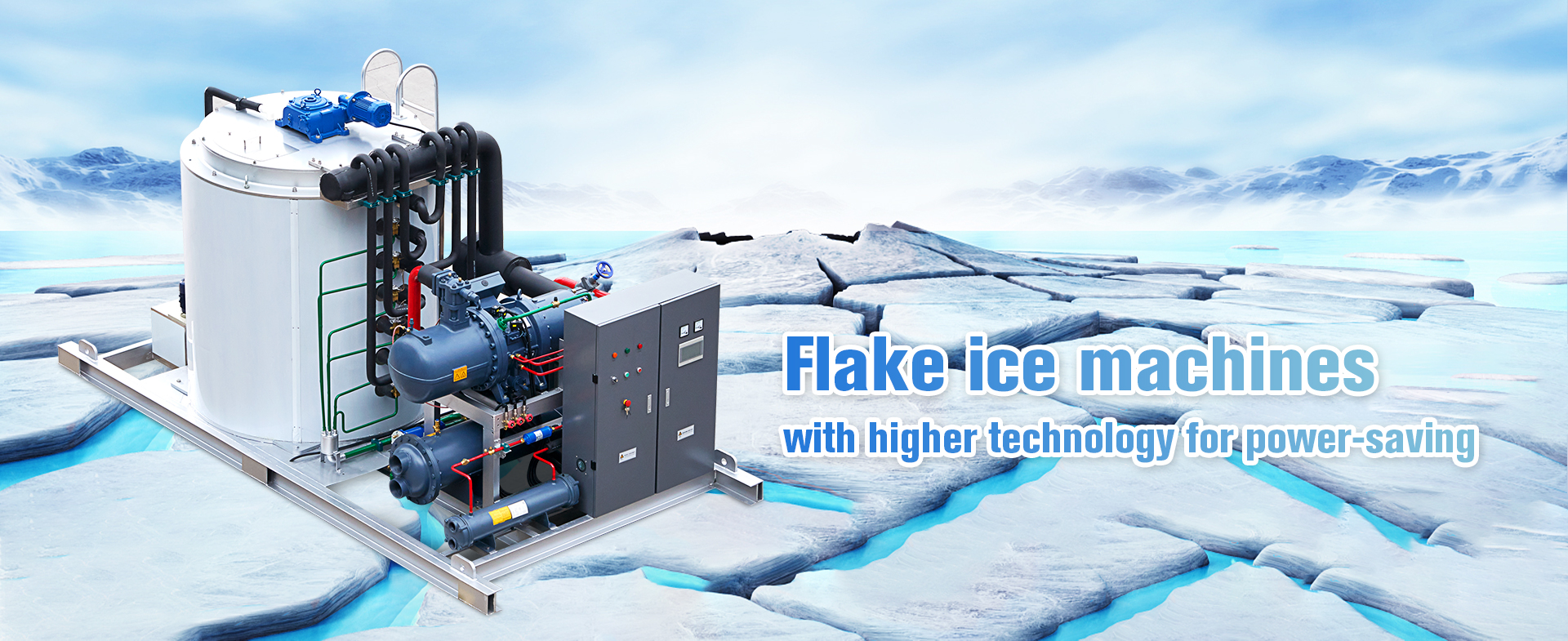
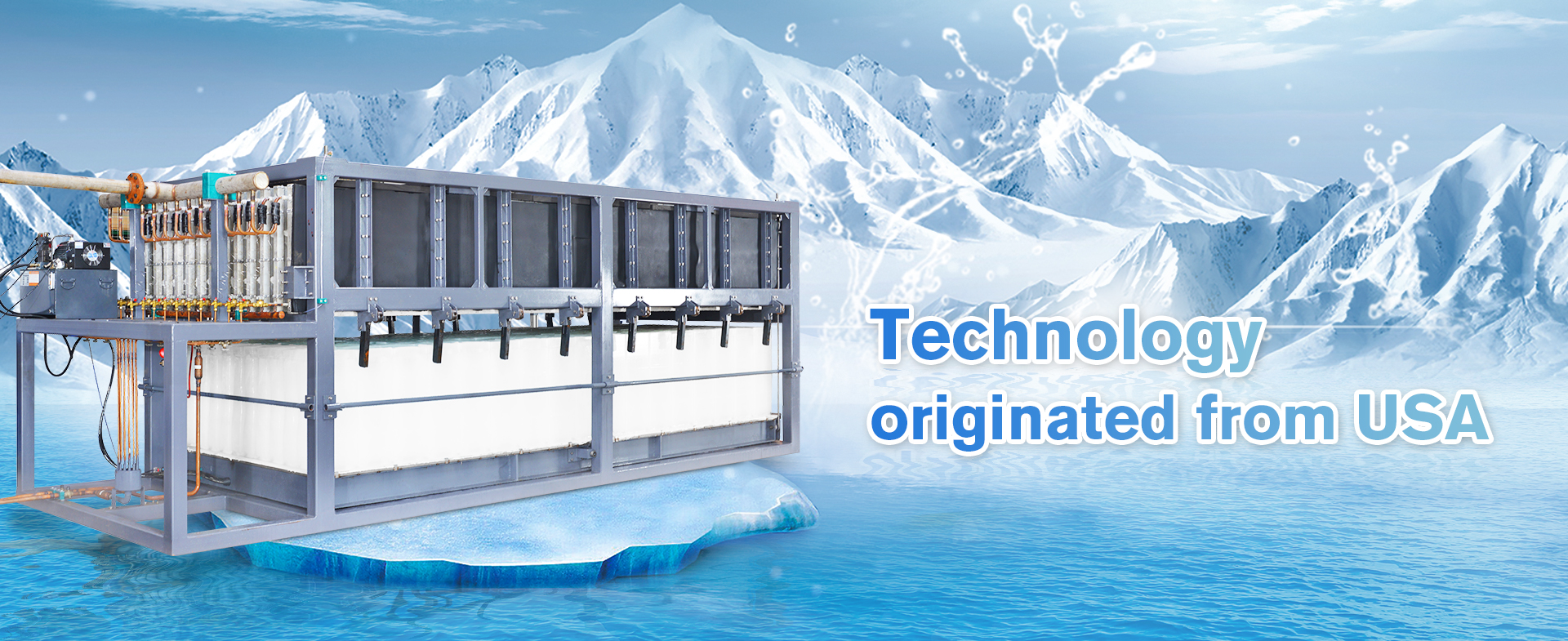
When it comes to culinary and hospitality businesses, Flake Ice Makers have really become game-changers. These machines produce that soft, chewable ice which not only looks great but also adds that extra flair to drinks and seafood dishes. I remember Jonathan Smith from Ice Innovations once said, “Flake ice isn’t just about cooling — it’s about making experiences better.” Honestly, that really stuck with me because it’s so true.
Choosing the right flake ice machine is pretty important, but I think sometimes people don’t really realize how many little details matter. It’s not just about grabbing the most popular or cheapest one; you’ve got to think about whether you’re running a tiny café or a big restaurant. Each setup has different needs, and nailing those down is key.
Sure, there are tons of options out there, but not all flake ice makers are created equal. Some can be tricky to maintain, and a few might just not keep up with the demand for ice, especially during busy hours. Knowing what each machine can or can’t do really makes a difference — the wrong choice can mess with your service and slow you down. So, taking the time to pick the right one is absolutely worth it to avoid headaches down the line.

Overview of Flake Ice Makers: Understanding Their Functionality
Flake ice makers are essential for various settings, from home bars to restaurants. They create small, thin ice flakes that cool beverages quickly. This type of ice has a unique texture, making it ideal for serving drinks and preserving food. The flakes can easily mold around items, enhancing visual appeal and chill efficiency.
Understanding their functionality involves recognizing key components. Most flake ice makers utilize a compressor to freeze water on a metal surface. Water is then scraped off to form flakes. Simplicity is key, yet the process can be energy-intensive. Frequent maintenance is often neglected. It’s crucial to clean out residue and check for efficiency.
Different models vary in capacity and size. Some might fit snugly in residential kitchens while others are designed for bulk production. Size limits functionality in both uses. Users should reflect on needs before purchasing. What volume of ice do you really require? Why not evaluate lifestyle habits before investing?
Key Features to Consider When Selecting Flake Ice Makers
When selecting a flake ice maker, consider its capacity. Look at how much ice it produces in a day. This is crucial for both home and business use. If you host frequent gatherings, you’ll need a unit that can deliver enough ice quickly. For businesses, a high-capacity machine is essential to meet demand.
Also, pay attention to the machine’s size. Some models can be bulky. Ensure you have the space for it. Check the power requirements too. Some machines consume more energy than others. A model that uses less energy can save you money over time.
Don’t overlook the noise level. Some ice makers can be quite loud during operation. This could be disruptive in a quiet setting. There are quieter options available.
Finally, think about maintenance. Regular cleaning is vital for performance. Look for designs that are easy to clean. It might seem trivial, but it can affect ice quality.
Top 10 Flake Ice Makers for Residential Use: Product Highlights
When it comes to flake ice makers for residential use, several factors influence their performance and efficiency. According to a recent industry report, flake ice is becoming increasingly popular for home kitchens and small businesses due to its unique cooling properties. Flake ice has a surface area that allows it to chill drinks and food items more rapidly than cubed ice. This is especially valuable when hosting gatherings or catering to culinary needs.
Professional kitchens often prefer flake ice for its versatility. It can be used in smoothies, seafood displays, and more. The right flake ice maker can produce up to 700 pounds of ice per day, making it a worthy investment for busy households. However, maintenance is crucial. Many users report issues with ice buildup and insufficient cooling. These problems require regular cleaning and sometimes repairs, which can be a hassle.
In a survey conducted among ice maker users, nearly 30% noted that they faced difficulties with finding the right size for their space. This highlights the importance of understanding your specific needs before purchasing. Choosing a model that fits your requirements can prevent future frustrations. Each option on the market has its strengths and weaknesses, reflecting a variety of user experiences. It's essential to consider these insights when selecting a flake ice maker for your home or business.
Top 10 Flake Ice Makers for Your Home and Business Needs
Top 10 Flake Ice Makers for Commercial Use: Product Highlights
When it comes to commercial use, flake ice makers play a crucial role in numerous industries. These machines produce small, thin ice flakes that are ideal for food displays, seafood preservation, and even medical uses. The texture of flake ice allows it to mold around products, providing optimal cooling without damaging delicate items. Many businesses rely on flake ice for its versatility and effectiveness.
Choosing the right flake ice maker can be challenging. It's important to consider capacity and efficiency. Some models may struggle to meet high-demand needs, leading to frustration during peak hours. Also, cleaning can be a hassle for some machines, affecting hygiene standards. Pay attention to energy consumption since it can impact your operational costs over time. An efficient machine will save you money in the long run.
Flake ice makers are not perfect. They can require regular maintenance, which some business owners may overlook. A neglected machine may lead to poor ice quality or even breakdowns. It’s essential to educate staff on proper use to avoid operational hiccups. Investing in a quality model should also come with a reliable support system for repairs and maintenance, ensuring your ice production remains consistent.
Comparative Analysis of Pricing and Value for Flake Ice Makers
When selecting a flake ice maker, pricing and value are critical. The average cost for commercial flake ice makers ranges from $1,500 to $6,000. Home models can be found starting at around $300 but may lack durability. According to industry reports, units priced above $2,500 often include advanced features that justify the higher cost. These features might include faster ice production and more efficient energy use.
Consumers should assess their ice needs before making a choice. For instance, a small café may only require 100 pounds of ice daily, while a larger establishment could need 800 pounds. This demand will influence the overall investment. Interestingly, some users report dissatisfaction with purchasing low-cost units. They find these models fail to meet their needs, costing more in repairs and replacements over time. Thus, understanding both initial pricing and long-term value is essential for making an informed decision.
Maintenance Tips for Prolonging the Life of Your Flake Ice Maker
Flake ice makers are essential for many businesses and households, yet maintenance is often overlooked. Regular upkeep can greatly extend their lifespan, saving both time and money. According to industry reports, a well-maintained flake ice maker can last up to 10 years longer than neglected units.
One crucial maintenance tip is cleaning the machine regularly. Bacteria and mold can build up, leading to potential health hazards. Removing any residual ice and maintaining proper sanitation reduces risks. Additionally, keep the condenser coils clean. Dirty coils can lead to inefficient operation, causing the machine to work harder and wear out faster.
Water quality plays a significant role in the performance of your ice maker. Hard water can cause scaling, affecting the ice’s clarity and taste. Regularly check and replace the water filter as needed. Installing a water softener can be a wise investment for areas with hard water, ensuring a smoother operation. Investing time in proper maintenance will ensure a consistent and reliable ice supply.
Top 10 Flake Ice Makers for Your Home and Business Needs - Maintenance Tips for Prolonging the Life of Your Flake Ice Maker
| Model |
Daily Production (lbs) |
Bin Capacity (lbs) |
Power Consumption (W) |
Dimensions (inches) |
Price Range ($) |
| Model A |
500 |
200 |
300 |
24 x 18 x 36 |
1500 - 1800 |
| Model B |
400 |
150 |
250 |
22 x 16 x 34 |
1200 - 1500 |
| Model C |
600 |
250 |
350 |
26 x 20 x 40 |
1700 - 2000 |
| Model D |
450 |
175 |
280 |
24 x 18 x 38 |
1300 - 1600 |
| Model E |
700 |
300 |
380 |
28 x 22 x 42 |
1900 - 2200 |
| Model F |
350 |
120 |
220 |
20 x 15 x 32 |
1000 - 1300 |
| Model G |
800 |
350 |
420 |
30 x 24 x 44 |
2100 - 2400 |
| Model H |
500 |
200 |
300 |
28 x 18 x 36 |
1600 - 1900 |
| Model I |
650 |
280 |
360 |
26 x 22 x 40 |
1800 - 2100 |
| Model J |
900 |
400 |
460 |
32 x 26 x 46 |
2400 - 2700 |
User Reviews and Ratings: Real-World Insights on Ice Makers
User reviews provide valuable insights into the performance of flake ice makers in real-world settings. According to industry studies, more than 70% of users prioritize efficiency and ice quality. However, not all models deliver equally. Some users report issues with slow production rates, particularly during peak demand periods. In a busy restaurant, the need for a reliable ice supply is critical.
Many reviews highlight that ease of use and maintenance are often overlooked. Users frequently mention that some machines are hard to clean. An ice maker should be user-friendly, yet several models fall short. Additionally, noise levels vary significantly. While some units operate quietly, others disrupt the atmosphere of a dining area.
Expert reviews recommend considering the ice storage capacity. Larger establishments often require higher capacity for sustained operations. Surprisingly, around 40% of users found their equipment lacking in this area. This shortcoming leads to frustration and potential loss of business. Customer satisfaction is sometimes marred by unexpected breakdowns, with 25% reporting mechanical issues within the first year. Understanding these real-world challenges can guide consumers in selecting the best flake ice maker for their needs.
The Impact of Efficient Ice Production on Seafood Preservation: A Review of the ICESNOW 20Ton/Day Seawater Flake Ice Machine in Commercial Use
The efficient production of ice plays a crucial role in the preservation of seafood, particularly in commercial operations where quality and freshness are paramount. The ICESNOW 20Ton/Day Seawater Flake Ice Machine demonstrates how advanced technology can significantly impact the seafood industry. This machine is designed for both marine and land use, showcasing its versatility in different commercial environments. By utilizing seawater directly, it eliminates the need for fresh water resources, making it an environmentally friendly option for ice production.
The operational efficiency of the ICESNOW ice machine is notable. It extracts seawater for ice-making and uses condenser circulating water from the sea, ensuring a continuous ice supply critical for maintaining optimal seafood quality. The machine operates on dynamic electricity with a standard power supply of 380V/50HZ, although it can be adapted for 60HZ if required. This adaptability enhances its usability across various locations, catering to the specific energy needs of different regions.
In conclusion, the integration of such efficient ice production systems into seafood preservation practices reveals a significant opportunity for enhancing product quality and extending shelf life. By leveraging technology that utilizes seawater, commercial fisheries can ensure the delivery of fresh seafood products while promoting sustainable practices in ice production.
FAQS
: The article discusses lifestyle choices and health tips for better well-being.
A balanced diet can improve energy levels and reduce the risk of diseases.
Exercise strengthens the body, boosts mood, and enhances overall mental health.
Quality sleep is essential for recovery and cognitive function.
Managing stress can lead to clearer thinking and healthier relationships.
Setting small, achievable goals can help maintain motivation over time.
Staying hydrated improves physical performance and cognitive clarity.
Strong social ties can promote emotional well-being and longevity.
Practicing mindfulness can reduce anxiety and increase present moment awareness.
Many overlook the importance of consistency in maintaining healthy habits.
Conclusion
Flake ice makers are essential appliances for both domestic and commercial applications, offering a unique blend of functionality and efficiency. Understanding their operation is crucial for selecting the right model, as users should consider features such as production capacity, energy consumption, and ease of maintenance. The article highlights the top flake ice makers available for residential use, emphasizing their product qualities, followed by a focus on the best options for commercial settings.
Additionally, a comparative analysis delves into pricing and the overall value of these machines, providing insights for buyers. To ensure longevity, maintenance tips are shared, while user reviews offer real-world experiences that can further guide potential users in their purchase decisions. Overall, investing in the right flake ice maker can significantly enhance ice production for various needs.