

0%

As we're getting closer to the 139th Canton Fair, there's a lot of buzz about the Seawater Flake Ice Machine stealing the spotlight, especially in the marine and food sectors. This piece of gear is pretty clever — it turns seawater into flake ice, which is super important for keeping seafood fresh and top quality. When the fair kicks off, you'll find a bunch of companies in marine solutions showing off their latest tech, all aimed at meeting the rising market demands.

One cool thing that’s making life easier for visitors is the new AI-powered search tools. They help you find the Seawater Flake Ice Machines and quickly spot suppliers with the right certifications, like ISO and CE, saving everyone a lot of time and hassle. But, I gotta say, with such a massive exhibition — covering about 1.55 million square meters — finding your way around can still feel overwhelming. Even seasoned visitors might find the layout a bit tricky.

That’s why it’s so important for exhibitors to think carefully about how they present their products. Standing out in such a crowded space isn’t easy, but showing your strengths clearly can make all the difference. This year's Canton Fair isn’t just about showcasing what Seawater Flake Ice Machines can do — it’s also a real test for both exhibitors and buyers, especially as the market keeps changing so fast. It’s going to be interesting to see how everyone adapts!

Seawater Flake Ice Machine Tips for the 139th Canton Fair?

Overview of Seawater Flake Ice Machines

Seawater flake ice machines are crucial for various industries, especially in seafood processing and preservation. These machines produce flake ice by freezing seawater, which melts rapidly and forms an ideal cooling medium. According to a recent industry report, the global market for flake ice machines is expected to reach USD 1.2 billion by 2026. This increase highlights their importance in maintaining product freshness.


When attending the 139th Canton Fair, here are some tips to consider. Evaluate energy efficiency. Many machines consume significant energy, impacting long-term costs. Choose models with higher efficiency ratings, as they can save both energy and money.


Additionally, consider the cooling capacity. Machines should meet specific production demands. It’s crucial to match equipment with the operational scale.


Flake ice has unique properties. It covers surfaces evenly, ensuring uniform cooling. This characteristic is beneficial for seafood. However, some machines may have maintenance issues. Regular checks and proper handling are key. Potential buyers should learn about service support before purchasing. Understanding these factors ensures you make an informed choice.

Key Features of Seawater Flake Ice Machines

Seawater flake ice machines are essential for various industries, especially in regions near the coast. These machines utilize untreated seawater to produce ice flakes. This method is often more cost-effective and easier to maintain. However, users should consider key features before purchasing.

One important feature is the machine's efficiency. A highly efficient unit can produce a significant amount of ice in less time. Look for models that promise quick production rates. The ice quality is also crucial. It should be clean and free of impurities. Clear ice flakes ensure better preservation of seafood and other perishables.

Users often overlook the importance of durability. Machines operating in harsh marine environments must withstand corrosion. Additionally, energy consumption is a key consideration. Finding a balance between performance and energy efficiency can save costs in the long run. Lastly, consider the machine’s size and mobility. Units that are easy to transport may offer advantages during trade shows like the Canton Fair.

Benefits of Using Seawater Flake Ice in Industries

Seawater flake ice has gained popularity across various industries due to its unique advantages. Many sectors, particularly seafood and food processing, utilize this type of ice for efficient cooling. According to industry reports, the global market for seafood ice production was valued at over $2 billion in 2022 and is expected to grow as demand increases. The cooling effect of seawater flake ice is nearly immediate, making it essential for preserving freshness.

This kind of ice also has a lower energy cost compared to standard freshwater ice machines. Reports suggest that seawater ice can reduce operational expenses by 30%. This efficiency is crucial for businesses aiming to optimize profit margins. Additionally, it helps meet specific regulatory standards for food safety, which is an increasingly critical concern in today's market.

However, some challenges remain in the adoption of seawater flake ice machines. Not all businesses have access to the necessary infrastructure, limiting expansion opportunities. Maintenance is also an ongoing concern; units require regular checks to prevent salt buildup, which can impact performance. These factors highlight the need for careful planning and assessment when integrating seawater flake ice into operations.

Operational Tips for Maximizing Ice Production

When attending the 139th Canton Fair, optimizing ice production is essential for success. A seawater flake ice machine can be a game-changer. To maximize efficiency, ensure proper setup. Position the machine in a shaded area to prevent overheating. This simple step can significantly enhance ice output.

Monitor the water intake closely. Saltwater can impact the machine's performance. Regularly check for any clogs or blockages, as they can reduce efficiency. Maintaining the right salinity levels is crucial. Excessive salinity affects ice quality and can damage the machine.

Another critical aspect is routine maintenance. Regularly clean the evaporator and condenser coils. Accumulation on these parts can hinder ice production. If the machine shows low performance, inspect for possible mechanical issues. Sometimes, the simplest problems cause the biggest production drops. Reflect on your setup and routine for continuous improvement.

Maintenance Best Practices for Seawater Flake Ice Machines

Seawater Flake Ice Machine Tips for the 139th Canton Fair?

Seawater flake ice machines play a crucial role in various industries. Proper maintenance is vital for their efficiency and longevity. Regular cleaning is essential. This involves removing ice buildup and debris from the machine. Neglecting this can lead to reduced performance. It is important to inspect components frequently. Check for any signs of wear or damage. Doing so helps prevent future issues.

Another key practice is monitoring water quality. Salt levels can affect machine operation. High salinity can lead to corrosion. Regularly testing the water ensures it meets necessary standards. Make adjustments as needed to maintain optimal performance. Additionally, consider the machine’s operating temperatures. Running at the correct temperature can enhance efficiency.

Lastly, employee training cannot be overlooked. Staff should know how to operate the machine safely. Understanding basic troubleshooting can save time and resources. Documenting any problems faced and solutions found is useful. Reflection on these experiences can lead to better practices in the future.

Common Troubleshooting Issues and Solutions

The 139th Canton Fair is a prime opportunity for businesses to showcase seawater flake ice machines. However, potential issues may arise that hinder optimal performance. Understanding common troubleshooting issues and their solutions can save time and resources.

One common issue is the formation of icicles inside the mechanism. This can lead to inefficient ice production. Regular maintenance can help. Check for proper water flow and clean the water filter. Keeping the machine in a controlled environment helps prevent unnecessary freezing. Data from industry reports indicate that improper maintenance can reduce efficiency by over 30%.

Another issue is noise during operation. Excessive noise often indicates wear and tear on internal components. It might require simple lubrication or, in some cases, part replacement. A study shows that 15% of ice machine failures result from inadequate noise management. Regular inspection of machine components can detect these issues early.

**Tip:** Always ensure the machine is level. An unbalanced machine can affect ice quality and performance. Periodically assess the condition of water pumps and compressors to avoid unexpected breakdowns. Keeping a detailed log of maintenance can enhance longevity and efficiency.

Seawater Flake Ice Machine Performance Analysis

Guidelines for Selecting the Right Ice Machine for Your Needs

When attending the 139th Canton Fair, selecting the right seawater flake ice machine is crucial. Many factors influence your decision. First, assess your needs. How much ice do you require daily? Consider peak periods and storage capacity. Make sure to measure your available space. A compact machine fits well in smaller areas, while larger units may serve greater demands.


Here are some tips to guide your choice. Think about energy efficiency. An eco-friendly machine may save you money in the long run. Noise levels matter too. A quieter machine ensures a better working environment. Don't forget about ease of maintenance. Machines that are simple to clean and service are worth considering.


Also, familiarize yourself with production rates. Not all machines produce the same amount of ice. Some may struggle under high demand, while others excel. Reflect on the long-term investment. Sometimes, a cheaper machine can lead to higher costs later. Balancing initial costs and reliability is key to making an informed decision.

Assessing the Impact of ICE Production Efficiency on Seafood Preservation: Insights from the ICESNOW 20Ton/Day Seawater Flake Ice Machine

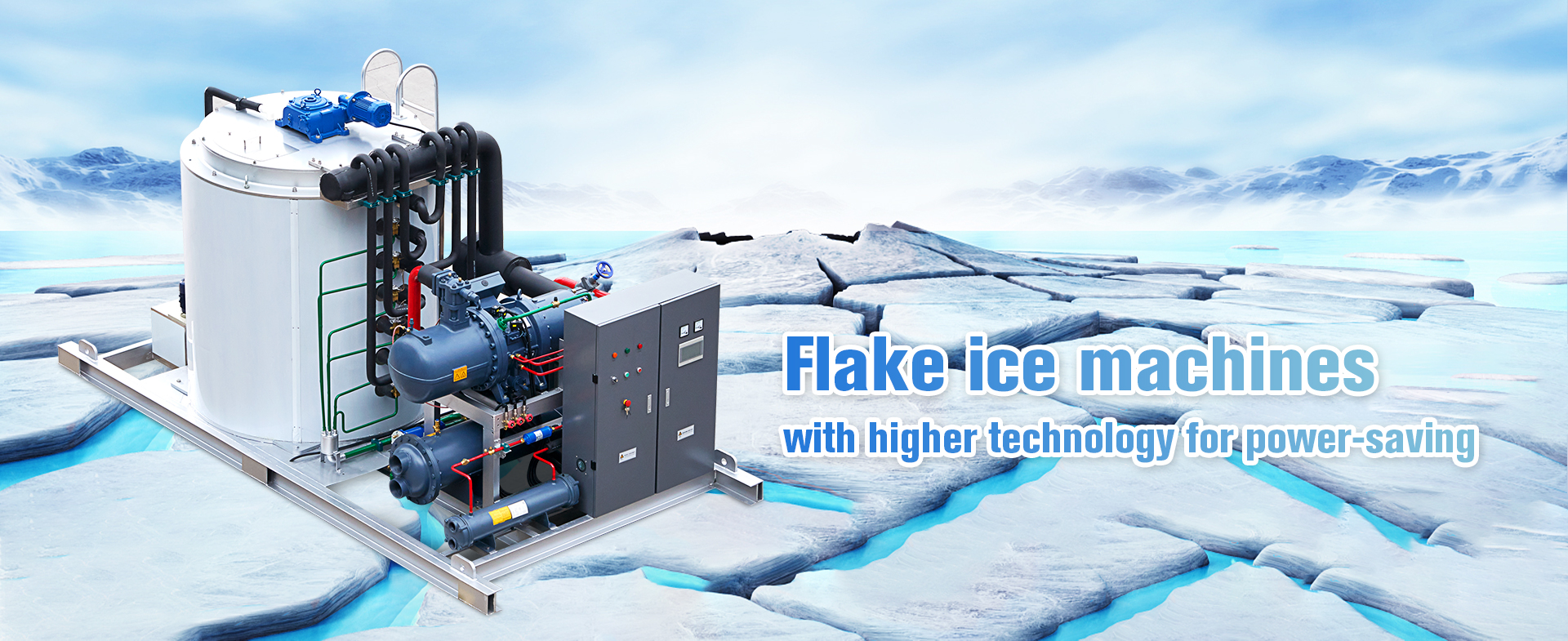
The seafood industry is facing increasing challenges in preserving the quality and freshness of its products. A pivotal solution is the implementation of efficient production methods, particularly through the use of innovative ice-making technology. The ICESNOW 20Ton/Day Seawater Flake Ice Machine offers significant advantages by employing seawater for ice production, providing a reliable and sustainable cooling solution directly from the marine environment. This approach not only enhances preservation but also reduces the ecological footprint associated with traditional freshwater ice-making processes.

This seawater flake ice machine is designed for both marine and land applications, ensuring versatility for various operational needs. Users can directly extract seawater for ice production, coupled with a condenser that circulates the water efficiently. The machine operates on a reference power supply of dynamic electricity at 380V/50Hz, but it can be adapted to a 60Hz supply if required, making it suitable for diverse geographical areas and electricity infrastructures. This adaptability, combined with its capacity to produce substantial amounts of flake ice daily, significantly boosts the preservation capabilities of seafood, allowing businesses to maintain product quality and extend shelf life effectively.

FAQS

: What are seawater flake ice machines used for?

: These machines are essential for cooling in industries, especially seafood and food processing.

How does seawater flake ice benefit seafood preservation?

It cools almost instantly, helping to maintain freshness and quality.

Are seawater flake ice machines energy-efficient?

Yes, they can lower operational costs by up to 30% compared to freshwater ice machines.

What factors should I consider when selecting an ice machine?

Look for efficiency, durability, energy consumption, and size.

Why is the ice quality important?

Clean, clear ice flakes preserve seafood better and ensure food safety.

What challenges exist with seawater flake ice machines?

Some businesses lack infrastructure, and salt buildup can affect machine performance.

How often do seawater ice machines require maintenance?

Regular checks are necessary to prevent performance issues related to salt buildup.

Can these machines operate in harsh environments?

Yes, but they must be durable enough to withstand corrosion.

Is portability a factor to consider?

Yes, mobile units can be advantageous for events or trade shows.

What should businesses do before adopting seawater ice?

Careful planning and assessment are crucial for successful integration.

Conclusion

The article on "Seawater Flake Ice Machine Tips for the 139th Canton Fair" provides a comprehensive overview of seawater flake ice machines, emphasizing their key features and the advantages they offer across various industries. These machines are distinguished by their efficiency and ability to produce high-quality ice, making them ideal for applications ranging from seafood preservation to construction.

In addition to highlighting the operational tips essential for maximizing ice production, the article details best maintenance practices to ensure longevity and performance. It also addresses common troubleshooting issues, equipping users with solutions to potential challenges. Lastly, the piece guides readers on how to select the right seawater flake ice machine tailored to their specific needs, ensuring informed decision-making for optimal operational efficiency.

Sophie

Sophie

Sophie is a highly skilled marketing professional at Guangdong Icesnow Refrigeration Equipment Co., Ltd., an esteemed integrated manufacturer established in 2003. With an extensive background in the refrigeration industry, she possesses deep knowledge and expertise in the company's core products,......
Previous Top Ice Flake Machine Trends at Canton Fair 2026?