
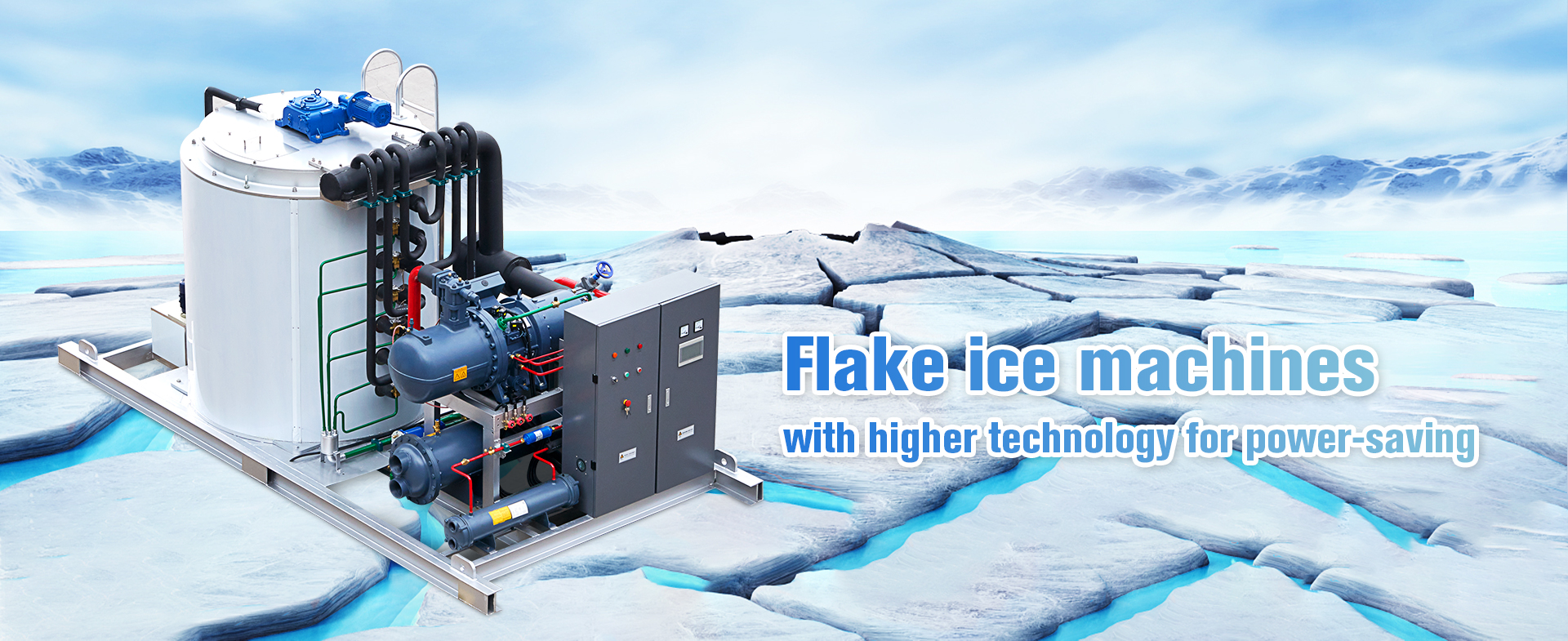

In today’s fast-paced world of food and beverage businesses, choosing the right equipment can really make a difference in how smoothly things run. Take the Flake Ice Machine, for example — it’s especially important for places that need quick and reliable ice production. Did you know that, according to IBISWorld, the demand for ice machines has gone up by 20% over the last five years? That really shows how crucial flake ice has become — not just for keeping perishable stuff fresh, but also for making drinks look better and keeping customers happy.
Dr. James Froste, a well-known expert from the International Ice Association, puts it simply: “The Flake Ice Machine is essential for meeting today’s needs.” His point? That these machines produce tiny, dry ice flakes that cool things down effectively, without damaging delicate items. But, here’s the thing — running these machines isn’t always straightforward. You’ve gotta think about quality, how you store the ice, and how much energy they use. If you overlook these things, it could lead to wasting money or, worse, equipment breaking down.
A lot of budding entrepreneurs tend to underestimate these complexities, which can end up costing them more in the long run. Getting to know the ins and outs of Flake Ice Machines really helps business owners make smarter choices. When you find that sweet spot between efficiency and saving a few bucks, it can seriously boost your profits, especially in such a competitive industry.
Flake ice machines play a key role in various industries, including food service, healthcare, and aquaculture. These machines produce thin, flat ice flakes that cool products faster and provide better coverage than traditional cube ice. In food service, for instance, the ability to maintain product freshness significantly impacts customer satisfaction and safety. According to a report by IBISWorld, the ice machine manufacturing industry is projected to grow steadily, driven by increased demand in restaurants and grocery stores.
The importance of flake ice is particularly notable in the seafood sector. Companies often rely on it to keep fish and shellfish fresh during transport. Studies indicate that flake ice can reduce the temperature of seafood products rapidly, improving shelf life. However, not all flake ice machines are created equal. Some models might struggle with efficiency or ice quality, leading to high operational costs.
Environmental factors can also affect ice production efficiency. For instance, higher ambient temperatures can strain systems, resulting in inconsistent ice output. Industry professionals recommend regular maintenance to mitigate these issues. Understanding the technology and identifying reliable performance metrics can help businesses make informed decisions about their ice production needs.
| Model | Ice Production (kg/24h) | Storage Capacity (kg) | Power Consumption (kW) | Dimensions (cm) |
|---|---|---|---|---|
| Model A | 800 | 100 | 2.5 | 60 x 70 x 100 |
| Model B | 1000 | 150 | 3.0 | 70 x 80 x 120 |
| Model C | 1200 | 200 | 3.5 | 80 x 90 x 130 |
| Model D | 1500 | 250 | 4.0 | 90 x 100 x 140 |
| Model E | 1800 | 300 | 4.5 | 100 x 110 x 150 |
When selecting a flake ice machine, several key features should be prioritized. Ice quality is paramount. Flake ice should be soft and wet, ideal for seafood preservation. The machine's production capacity is also crucial. It must meet your needs without running inefficiently. Consider how much ice you need daily. A machine that is too small will lead to shortages during peak times.
Energy efficiency cannot be overlooked. An efficient machine reduces electricity costs significantly. Look for features like automatic shutdowns. This will save energy when the ice is not needed. Pay attention to the water usage as well. Efficient machines maximize ice production while minimizing waste.
Lastly, maintenance should be simple. Machines should offer easy access to components for cleaning. Regular maintenance prevents breakdowns and ensures consistent ice quality. Quality materials can enhance durability but may increase initial costs. Balancing cost and features is essential. Making an informed choice here is critical for long-term satisfaction.
When considering flake ice machines, several brands stand out due to their reliable performance. These machines are essential for various industries, from food service to healthcare. They produce ice that is easy to handle and melts slower than cubed ice. For restaurants, this means fresh and appealing presentations for seafood and beverages.
Some machines are known for their durability and efficiency. Many models use innovative technology to optimize ice output while minimizing energy consumption. They can create large volumes of ice quickly, which is crucial during peak hours. However, potential buyers should be aware of the maintenance needs. Regular cleaning and servicing are vital to ensure these machines operate smoothly.
Another aspect to consider is the noise level. Some machines operate quietly while others can be quite loud. This might be a deal-breaker in quieter environments. Potential users must weigh these factors carefully, as choosing the right machine can significantly impact their operations. Quality and reliability should be priorities, but it's essential to evaluate the fit for specific needs.
When evaluating ice machines, energy efficiency is crucial. A well-functioning machine should produce ice with minimal energy use. Energy-efficient models can reduce operational costs significantly, which is beneficial for any business. Many machines utilize advanced technology to achieve this efficiency, sometimes integrating smart features to monitor usage.
The design of the ice machine impacts energy consumption. Some machines operate quietly while others are loud. Users often overlook sound levels, but this can affect workplace comfort. The ice production rate must balance with energy usage. Machines producing ice in larger quantities may use more energy, raising questions about their overall efficiency.
It’s important to consider maintenance as well. Neglecting regular upkeep can lead to decreased performance. Users may notice a drop in ice quality if machines are not cleaned and serviced. This not only affects ice production but may also increase energy demands. Regular checks can help ensure optimal efficiency, guiding users to make informed decisions.
Flake ice machines require regular maintenance for efficient operation. Keeping your equipment clean is essential. Accumulated debris and mineral deposits can hinder performance. Use a soft cloth to wipe down surfaces. Regularly check and clean the ice bin. This prevents clogs and improves ice quality. A clean environment ensures that the ice produced is safe and efficient.
Another critical aspect is monitoring water quality. Poor water can lead to issues and affect ice clarity. Consider using a water filtration system. This reduces the chances of minerals impacting the machine's functioning. Also, inspect the condenser coils. Dust and grime can accumulate over time. This can cause overheating and reduce efficiency.
Make sure to check the machine's seals regularly. Worn-out seals can lead to energy loss. It's a small detail that can have a big impact. Always refer to the manufacturer's manual for specific guidelines. Although these steps seem minor, neglecting them can lead to larger problems. Taking these small, proactive measures can improve the longevity of your flake ice machine.
When considering a flake ice machine, budgeting plays a crucial role. The initial cost of a flake ice machine varies widely based on its capacity and features. Entry-level models may start at a lower price, but they often lack the durability and efficiency of higher-end machines. Those seeking high production rates should expect to invest more upfront. However, the long-term returns in efficiency can justify this higher cost.
It's vital to think beyond the purchase price. Maintenance and operational costs can quickly add up. Regular cleaning, part replacements, and energy usage should be factored into your budget. Investing in energy-efficient models might save money on electricity, though the upfront cost may be higher. There’s a balance to strike between initial spending and ongoing costs, which can impact overall profitability.
Additionally, consider the intended use. High demand may necessitate a larger capacity machine, influencing your budget dramatically. Smaller operations might not require such heavy machinery, leading to potential overinvestment. Reflect on your needs versus your budget. This will guide you in making a well-informed decision while ensuring you don't overspend or compromise on quality.
Flake ice machines play a crucial role in various applications. They are widely used in seafood preservation, healthcare, and food displays. For seafood, flake ice maintains freshness and extends shelf life. It covers fish evenly, preventing spoilage and ensuring quality.
In hospitals, flake ice provides cooling for medical treatments. It’s often used in surgical procedures and for patients needing cold therapy. The flexibility of flake ice allows it to conform to different shapes, making it effective in numerous scenarios.
Tips: Regular maintenance of your flake ice machine is vital for optimal performance. Check the condenser and evaporator coils often. Keeping them clean can enhance efficiency.
In food industries, ice minimizes the risk of spoilage. However, some users report occasional issues with ice clumping. This affects production rates. Ensuring proper installation and operation is crucial to avoid such problems. Investing in quality equipment can mitigate these risks.
This chart demonstrates the efficiency of different flake ice machines based on their ice production capacity (in kg/hour) and energy consumption (in kWh). The data showcases how well these machines perform in various applications such as seafood preservation, food display, and industrial use.
: Ice quality is paramount. Flake ice should be soft and wet for seafood preservation.
Assess daily ice needs. A machine too small will cause shortages during peak times.
An efficient machine reduces electricity costs. Look for features like automatic shutdowns.
Regular cleaning is essential. Wipe down surfaces and check the ice bin regularly.
Poor water impacts ice clarity. Consider using a filtration system to improve quality.
Inspect condenser coils and check machine seals. Small issues can lead to big problems.
Higher upfront costs may lead to better efficiency. Balance initial spending with ongoing costs.
Consider purchase price, maintenance, and energy costs. Reflect on needs versus budget.
Yes, minor tasks like cleaning can prevent breakdowns and ensure consistent ice quality.
High demand may lead to choosing large capacity machines. Assess needs carefully to avoid overspending.
Flake ice machines play a crucial role in various industries, providing a steady supply of ice that is essential for food preservation, medical applications, and industrial processes. Understanding the key features of a flake ice machine, such as production capacity, energy efficiency, and maintenance requirements, can help users select the right model for their needs.
When considering a flake ice machine, it's important to analyze energy consumption to ensure cost-effectiveness over time. Regular maintenance is vital for optimizing performance and extending the lifespan of the equipment. Additionally, potential buyers should assess their budget in relation to the intended use, whether it's for a restaurant, grocery store, or other applications requiring frequent ice usage. Ultimately, choosing the right flake ice machine can enhance operational efficiency and improve service quality across various sectors.