

0%

When you're looking for a good flake ice maker—whether it's for chilling drinks or keeping food fresh—picking the right one is pretty important. Lots of brands claim they’re efficient, but honestly, not all of them really deliver. You might find yourself eyeing models from brands like Scotsman or Hoshizaki, which are pretty popular. But keep in mind, features can vary a lot from one to the next. So, it’s smart to think about what kind of ice you actually need.

Simplicity is definitely your friend here. A decent flake ice maker should make enough ice each day without you constantly refilling. Some models might look sleek and fancy, but then struggle when you put them to the test. Often, the performance isn’t quite as impressive as the marketing makes it seem. If you’re not careful, you could end up with something that’s way too noisy or doesn’t work efficiently—guaranteeing frustration.

At the end of the day, it really helps to understand what you need most. Think about how much space you've got and how often you’ll be using it. Do some homework before you buy—reading reviews can save you a lot of trouble. Flake ice makers can be a little tricky to pick out, but finding the right one will make a real difference in your experience. Trust me, a good choice here can really upgrade your ice game!

How to Choose the Best Flake Ice Makers for Your Needs?

Understanding Flake Ice Makers and Their Importance

Flake ice makers play a vital role in various industries. They are essential for preserving food quality in restaurants and grocery stores. Flake ice is ideal for seafood display or keeping produce fresh. According to industry reports, flake ice reduces temperature fluctuations, helping to maintain optimal storage conditions.

The production of flake ice is different from other types. It typically creates smaller, thinner flakes that conform easily to the shape of its contents. This contributes to better cooling efficiency. A report indicates that businesses utilizing flake ice see a 20% improvement in product shelf life. However, the inconsistency in production can be a challenge. Some machines struggle to maintain a steady supply.

Choosing the right flake ice maker requires careful consideration. Not all machines produce the same quality of ice. Factors such as energy efficiency and production rate are crucial. Some units may be more affordable but can lead to elevated operating costs. Evaluating these aspects ensures that the chosen ice maker aligns well with specific needs. The right flake ice maker can enhance your business operations significantly.

Key Factors to Consider When Choosing Flake Ice Makers

When selecting a flake ice maker, several key factors come into play. One should consider the production capacity. Many units produce between 200 to 500 pounds of ice daily, which can greatly affect your operations. If you run a busy restaurant, a higher capacity is vital. However, if you only need small amounts occasionally, a lower capacity might suffice.

Another critical element is the method of refrigerant used. Many ice makers feature either air-cooled or water-cooled systems. According to the Environmental Protection Agency, air-cooled systems consume less water. Yet, they can struggle in high-temperature environments. Meanwhile, water-cooled models are more efficient in hot conditions but may require more maintenance.

Energy efficiency is often overlooked, but it can have lasting effects on overall operational costs. The U.S. Department of Energy indicates that energy-efficient models can reduce energy consumption by up to 30% compared to older units. Choosing a unit with an ENERGY STAR label may help minimize costs over time. However, initial costs may be higher, requiring careful budgeting and consideration of long-term benefits.

Different Types of Flake Ice Makers Available on the Market

When choosing a flake ice maker, understanding the types available is crucial. There are three primary options: countertop models, industrial machines, and portable units. Each type serves different needs. Countertop models are compact and ideal for small businesses or home use. They produce a limited amount of ice but are user-friendly.

Industrial machines cater to large operations, offering higher production rates. These models take up more space but are necessary for restaurants and supermarkets. Portable units are versatile and great for outdoor events. They offer convenience but might not deliver the same volume as bigger machines.

Tip: Consider your space and ice requirements carefully. A machine that is too small leads to frustration. Too large adds unnecessary costs. Think about your typical usage patterns and choose accordingly.

Another point to reflect on is maintenance. Ice makers need regular cleaning and upkeep to function well. Neglect can lead to poor performance and shorter lifespans. Always check user manuals for maintenance guidelines. A well-maintained unit not only produces better ice but also saves money in the long run.

Assessing Your Ice Production Needs and Capacity Requirements

When choosing a flake ice maker, assessing your ice production needs is crucial. Different settings require different capacities. For example, a restaurant during peak hours may need up to 1,500 pounds of ice per day, according to industry reports. If you underestimate your requirements, you might run into shortages. A small café, on the other hand, might only need about 300 pounds.

Capacity requirements are also influenced by your storage space. Operators often overlook their available storage when making decisions. A unit that produces a high volume without sufficient storage can lead to waste. Ideally, ice production should align with daily needs and storage capabilities. A study found that businesses often face ice shortages when they do not match their production with consumption patterns.

Understanding peak times is vital too. Ice-intensive periods can vary significantly. For instance, events, hot days, or specific meal times might spike usage. Anticipating these patterns helps mitigate risks. According to industry statistics, proper assessment might save up to 30% on costs related to ice procurement. It’s imperative not to take production lightly; miscalculations can lead to operational hiccups and loss of customer satisfaction.

How to Choose the Best Flake Ice Makers for Your Needs?

Model Ice Production (lbs/day) Storage Capacity (lbs) Power Consumption (kWh) Dimensions (inches)
Model A 700 40 8.5 24 x 24 x 34
Model B 800 50 9.0 26 x 26 x 36
Model C 600 30 7.5 22 x 22 x 30
Model D 1000 60 10.0 30 x 30 x 40
Model E 750 45 8.0 25 x 25 x 32

Evaluating Energy Efficiency and Operating Costs

When choosing a flake ice maker, energy efficiency and operating costs are key factors. A machine that consumes less power while producing ice can save you money in the long run. Look for models with energy-saving features or certified efficiency ratings. Checking the compressor type can help; it greatly affects overall energy consumption.

Tips: Always review the specifications. Smaller units often operate using less energy. However, they may struggle with high demand. If your needs fluctuate, consider a model that balances size and efficiency.

Operating costs extend beyond energy use. Water consumption is often overlooked. Some machines require more water to produce the same amount of ice. Thus, factor in your water bill as well.

Tips: Assess your water connection options. Choose models with water-saving technologies to reduce costs. Maintenance also matters. Regular cleaning ensures optimal performance and efficiency. This can impact operating expenses significantly over time.

Analyzing Features and Specifications That Matter

When choosing a flake ice maker, focus on key features. The size of the machine is crucial. Larger units produce more ice but occupy more space. Smaller machines may fit tighter areas but could limit your ice supply. Consider where you'll place the maker. A suitable location can enhance convenience and access.


Ice quality also matters. Flake ice should be soft and moldable. This type of ice is great for food displays or cooling beverages rapidly. Check the water source as well. Some machines rely on continuous water supply, while others have a reservoir. Think about your needs and connections.


Noise level can be overlooked. Machines with high decibel ratings can be distracting. You may want a quieter model if it's for a restaurant or home. Reflect on your consumption habits. Will you use it daily or only during events? This impacts your choice. Choose what fits best, keeping in mind that personal preferences play a significant role in satisfaction.

Reading Reviews and Recommendations from Other Users

How to Choose the Best Flake Ice Makers for Your Needs?

When selecting a flake ice maker, reading user reviews is critical. Insights from fellow users reveal practical experiences that can shape your decision. Many users emphasize factors like durability, ease of use, and efficiency. A report by Statista indicates that over 70% of consumers rely on reviews before making purchases. This statistic highlights the importance of gathering information from real users who have hands-on experience with different models.

Before committing to a purchase, consider the following tips. Look for models with solid customer feedback. Consistent praises about durability and reliability can indicate a good choice. Pay attention to complaints as well; they often reveal potential flaws. For instance, some users report issues with noise levels in certain models, which could affect your environment.

It's also beneficial to check forums and social media platforms. This will give you a broader perspective beyond product descriptions. Users often share lesser-known problems that might not be mentioned in reviews. Remember, not every model is perfect, and acknowledging potential shortcomings is essential for making an informed choice. Trust the experiences of others to guide you toward the best flake ice maker for your needs.

Maximizing Freshness: The Advantages of Using ICESNOW 20Ton/Day Seawater Flake Ice Machine for Seafood Preservation

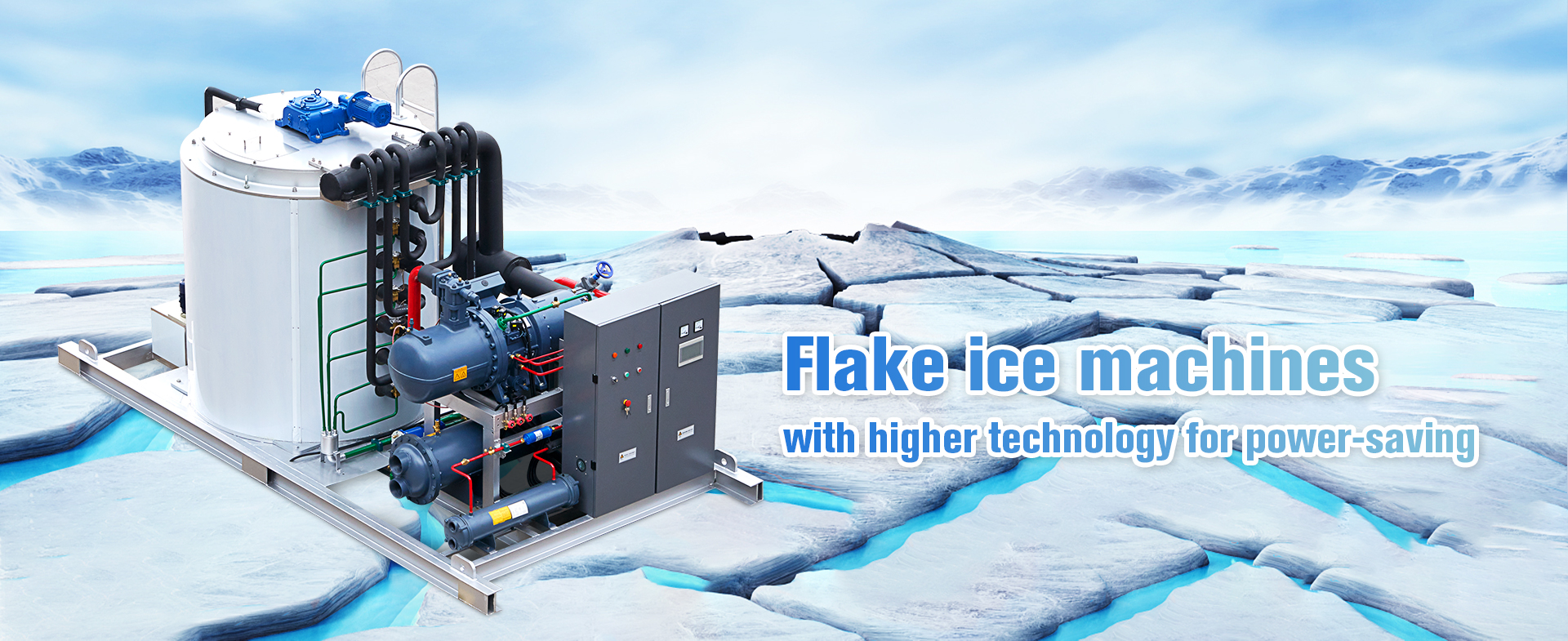
The seafood industry faces significant challenges in preserving product freshness, particularly given the delicate nature of marine life and the logistical hurdles of transport. Utilizing a seawater flake ice machine can dramatically enhance preservation efforts. These machines come in two distinct forms tailored for both marine and land applications, ensuring flexibility depending on the operational environment. By directly extracting seawater for ice production and employing circulating condenser water, these machines facilitate a cost-effective and efficient solution for maintaining optimal temperatures during transportation and storage.

A noteworthy advantage of these seawater ice machines is their adaptability in terms of power supply. They typically operate on dynamic electricity at 380V/50Hz, but can be modified to accommodate 60Hz if required. This versatility is crucial for businesses operating in varied geographic locations, ensuring that not only are they able to produce ice on-demand, but they can also do so in alignment with local infrastructure capabilities.

Industry reports indicate that maintaining fish temperature at or below -1°C can reduce bacterial growth and enzymatic activity, significantly prolonging shelf life. With effective ice production, studies show that seafood freshness can be extended by nearly 50% compared to storage without ice. Investing in a seawater flake ice machine not only supports sustainability in marine operations but also aligns with best practices in seafood preservation, ultimately leading to higher quality products and enhanced market competitiveness.

FAQS

: What should I consider when choosing a flake ice maker?

: Look at production capacity first. Higher capacity is better for busy operations.

How do refrigerant methods impact ice makers?

Air-cooled systems use less water but may struggle in heat. Water-cooled systems are efficient in high temperatures.

Why is energy efficiency important for ice makers?

Energy-efficient models can cut energy costs by up to 30%. They may save money long-term despite higher initial costs.

How can I assess the energy efficiency of an ice maker?

Check for energy-saving features and efficiency ratings. The type of compressor also affects energy consumption.

What additional costs should I consider besides energy use?

Water consumption can add to operating costs. Some machines use more water to make ice.

How can maintenance affect the cost of operation?

Regular cleaning is essential. It helps keep the machine efficient and can reduce overall expenses.

What if my ice demand fluctuates?

Consider a model that balances size and efficiency. Smaller units use less energy but may not meet high demand.

Are there water-saving options for ice makers?

Yes, select models that feature water-saving technologies. This can help lower water bills.

How does production capacity affect my selection?

If you need a lot of ice, choose a high-capacity machine. For occasional use, a smaller unit may be enough.

Can I overlook the type of refrigerant used?

No, it’s crucial. The choice impacts efficiency and maintenance and affects how well the unit performs overall.

Conclusion

When selecting the best flake ice makers for your needs, it is essential to understand their significance in various applications, from food preservation to medical uses. Flake ice makers produce versatile ice suitable for blending, cooling, and exhibiting products. Key factors to consider include ice production capacity, energy efficiency, and operating costs, which can significantly impact your overall investment.

Moreover, it's important to evaluate the different types of flake ice makers available on the market and assess specific features that may enhance functionality, such as ease of use and maintenance. Gathering insights from user reviews and recommendations can provide valuable perspectives, helping you make an informed decision tailored to your specific requirements and preferences.

Ethan

Ethan

Ethan is a dedicated marketing professional at Guangdong Icesnow Refrigeration Equipment Co., Ltd., a company established in 2003 that specializes in the research, design, manufacture, and sale of various ice-making machines. With a deep expertise in the industry, Ethan plays a crucial role in......
Previous Ultimate Guide to Choosing the Best Flake Ice Maker Evaporator for Your Business Needs