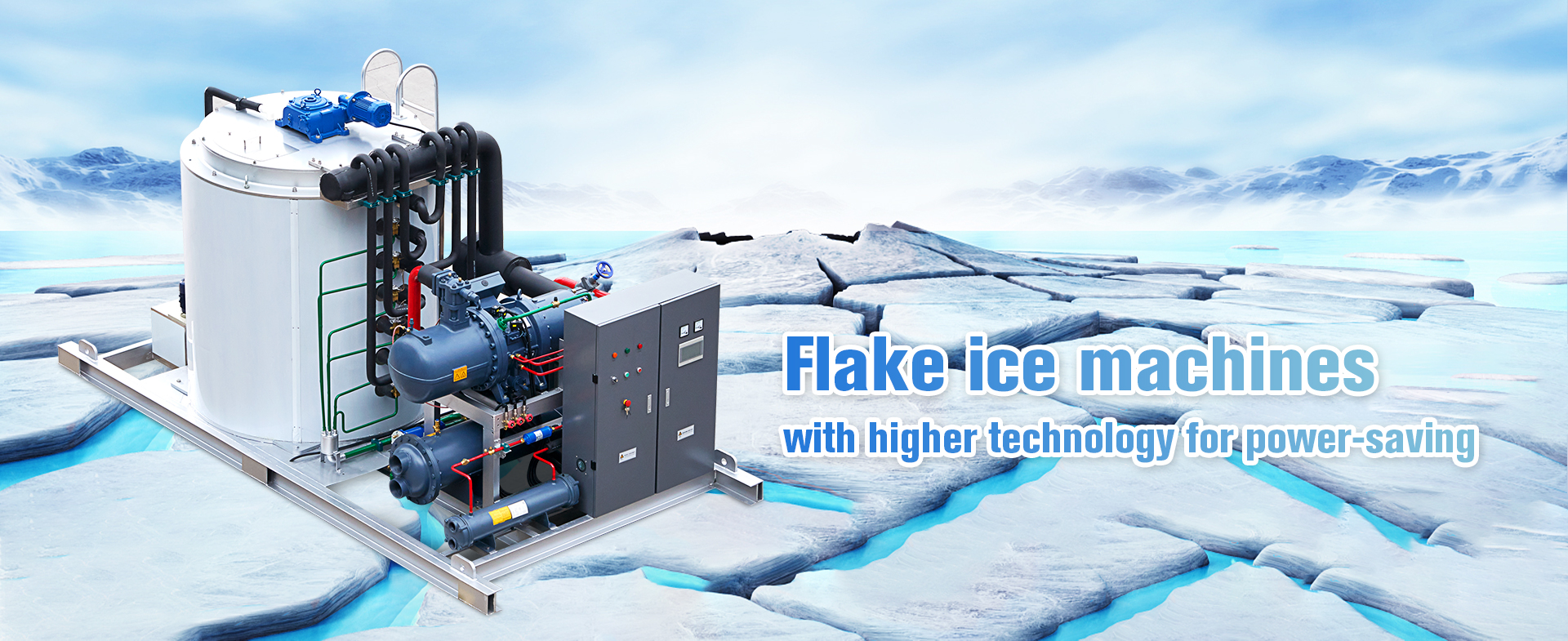
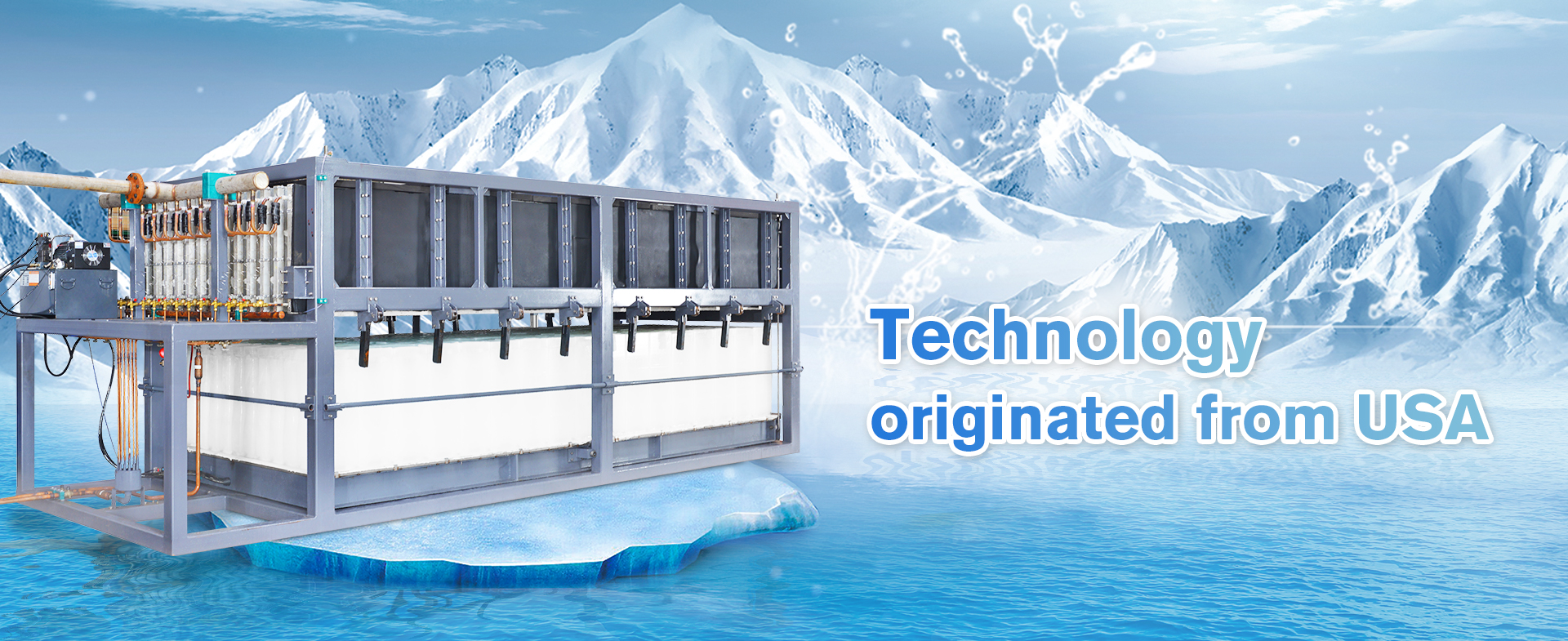
Picking the right Flake Ice Making Machine can really make a difference in how smoothly your operations run. Greg Thompson, who’s pretty much a go-to guy at IceTech Solutions, once said, "The right ice machine can boost efficiency and cut down costs." Honestly, those words hit home when businesses are trying to figure out what they really need.
When you’re on the hunt for a Flake Ice Making Machine, there’s a bunch of things to keep in mind. Things like how much ice it can produce, how much energy it uses, and how much maintenance it'll need are all super important. Sometimes, you might end up with a machine that's just not powerful enough for your volume, or one that needs way more upkeep than you thought—leaving you stuck with downtime.
And let’s not forget about ice quality. You want flakes that are consistent in texture and size, especially if you have specific uses in mind. Not all machines do a great job at this, which can actually impact the quality of whatever you're working on. So, the key is really understanding what you need and comparing your options carefully—that’s how you find the best fit for your business.

Factors to Consider When Selecting a Flake Ice Making Machine
When selecting a flake ice making machine, various factors come into play. One crucial aspect is production capacity. Determine how much ice you need daily. Some machines can produce hundreds of pounds in a day, while others are suitable for smaller operations. Understanding your needs helps avoid over-investing in excess capacity.
Energy efficiency is another key consideration. Machines vary in power consumption. Look for models that utilize less electricity while maintaining performance. This not only saves on costs but also reduces your carbon footprint. Maintenance requirements are also important. Regular cleaning and servicing ensure longevity and optimal functionality.
Lastly, evaluate the machine's build quality. Materials should withstand regular use and potential moisture exposure. Lighter models might be easy to transport but can be less durable. Take time to research and compare available options. It’s a step that cannot be overlooked. Your choice impacts efficiency and operational costs, so be thoughtful. Making an informed decision will lead to better satisfaction in the long run.
Understanding Different Types of Flake Ice Production Technologies
When selecting a flake ice making machine, understanding the production technologies is crucial. Flake ice is produced primarily through two methods: mechanical and direct expansion. Mechanical ice machines often use a scraper to create flakes from a water-cooled surface. This technology is efficient and widely used in the seafood and food industry, accounting for nearly 40% of the market share for flake ice production.
Direct expansion systems, on the other hand, utilize refrigerant to freeze water directly in a drum. This method offers faster ice formation and a consistent flake size. According to a report by Data Bridge Market Research, the direct expansion method is projected to grow by 6.5% annually.
While mechanical machines might be cost-effective in the short term, they can require more maintenance. Users should also consider the energy consumption of both types. It’s essential to assess the production capacity based on specific needs. Some environments may prefer one method over the other due to space limitations or operational demands. Evaluating these factors carefully will lead to better decision-making.
Different Types of Flake Ice Production Technologies
Assessing Production Capacity: How Much Ice Do You Need?
When selecting a flake ice making machine, understanding your production capacity is crucial. Determine how much ice you need daily. For a small restaurant, producing around 500 pounds of flake ice daily may suffice. Larger operations, such as fish markets, require about 2,000 pounds or more each day to maintain freshness and quality. According to industry reports, many commercial models produce between 300 to 3,000 pounds of ice daily. Assessing your needs carefully can lead to smarter choices.
Production capacity often dictates the type and size of machine you should consider. If your operation fluctuates between high and low demand, invest in a model that offers flexibility. Some machines have a production capacity of 1,500 pounds, which could be beneficial during peak hours. However, consider the space and electricity requirements as well. Not all environments can accommodate such machinery.
Monitoring your actual ice usage can reveal discrepancies. You might find that you’re generating excess ice during slower seasons. Adjusting your production capacity according to demand can save energy and costs. This reflects an essential aspect: regular assessments of your operational needs are necessary for efficient ice production.
Evaluating Energy Efficiency Ratings for Flake Ice Machines
When evaluating flake ice machines, energy efficiency ratings are crucial. These ratings help determine how much energy a machine consumes during operation. Lower energy consumption leads to reduced operational costs, which is vital for long-term sustainability. Understanding these ratings ensures you select equipment that aligns with your budget and environmental goals.
Different machines exhibit varying energy efficiency levels. Some may seem attractive due to lower upfront costs but could result in higher energy bills over time. It's important to analyze both the initial price and potential energy savings. Reflecting on past choices can reveal what works best for your setup.
Consider energy-efficient features like automatic shutdowns or smart controls, which save power when not in use. Some machines may promise efficiency but fail in real-world tests. Always research user reviews and case studies. Gather insights on performance, reliability, and true energy consumption. Look for vendors who provide transparent information about their machines' efficiency ratings. This approach helps you make a more informed decision when purchasing a flake ice machine.
Key Features to Look for in a High-Quality Flake Ice Maker
When selecting a flake ice making machine, focus on a few key features that enhance performance. Production capacity is crucial. Many commercial units can produce between 700 to 5,000 pounds of ice daily. If you're operating in a high-demand environment, opt for machines with higher output capabilities.
Consider the quality of the flake ice produced. Ice thickness should be adjustable to fit various applications, from seafood preservation to ice sculptures. The ideal flake ice is thin, dry, and sticks together well, ensuring longer cooling periods. Look for machines with a stainless-steel body for durability and corrosion resistance, which enhances reliability.
**Tip:** Always check the unit's energy consumption. Efficient machines use 10-15% less energy than others, lowering operational costs.
Water efficiency is another vital factor. Some advanced models utilize up to 90% of input water, which minimizes waste. Additionally, look for machines with easy maintenance features. Regular cleaning is essential to prevent bacterial growth. Machines with self-cleaning options can save time and improve hygiene.
**Tip:** Assess customer reviews for insights on long-term performance. Consistent issues in reviews may highlight potential flaws.
How to Choose the Best Flake Ice Making Machine for Your Needs?
| Feature |
Description |
Importance |
| Production Capacity |
The amount of flake ice produced per day, ranging from 100 kg to over 2000 kg. |
High - Determines if the machine meets your ice demands. |
| Cooling Method |
Air-cooled or water-cooled systems based on your location and availability of water. |
Medium - Affects operating efficiency and cost. |
| Ice Thickness |
Adjustable thickness settings to cater to different applications. |
High - Important for specific uses like seafood preservation. |
| Energy Efficiency |
Power consumption ratings and energy-saving features. |
High - Reduces long-term operating costs. |
| Ease of Maintenance |
Design features that allow for easy cleaning and maintenance tasks. |
Medium - Affects downtime and service intervals. |
| Size and Portability |
Dimensions and weight, important for space considerations and mobility. |
Medium - Affects placement and usability in different environments. |
Budgeting for Your Flake Ice Making Machine: Costs and ROI
When budgeting for a flake ice making machine, understanding initial costs is crucial. The prices can range from $2,000 to $25,000, depending on capacity, brand, and features. Industry reports indicate that high-capacity machines yield better ROI. For example, a 1-ton flake ice maker can service multiple restaurants. This can translate into savings of up to $3,000 annually on ice sourcing.
Maintenance is another significant cost often overlooked. Regular upkeep can range from $500 to $1,500 per year. Neglecting this aspect can lead to costly repairs. Many users report that frequent breakdowns diminish productivity and profits. A detailed ROI analysis is essential, considering factors like labor costs and energy efficiency. Some machines use 30% less energy compared to older models, significantly lowering operational expenses.
Understanding your specific needs helps avoid unnecessary expenses. Not every business requires high-capacity units. Restaurants with lower ice demands may find smaller machines more economical. Observing industry trends teaches valuable lessons about scalability and future needs. The right choice depends on balancing immediate costs with long-term savings and operational efficiency.
Maintenance Requirements and Longevity of Flake Ice Machines
When considering the maintenance requirements of flake ice machines, it’s crucial to recognize that regular upkeep is essential for optimal performance. These machines often operate in demanding environments. This can lead to wear and tear over time. Suboptimal maintenance might result in inefficient ice production or even machine breakdowns.
Cleaning the condenser and evaporator coils is vital. Dust and debris can accumulate, hindering the cooling process. Additionally, checking water filters regularly helps to ensure purity and prevent clogs. It is a common oversight that may lead to larger issues down the line. You might ask, how often should these inspections occur? Ideally, a monthly review is beneficial, but this frequency could change based on usage.
Longevity of flake ice machines largely depends on the attention given to maintenance tasks. The more care invested, the better the machine performs over time. However, users often underestimate the time needed for proper upkeep. It is worth reflecting on this to avoid unexpected failures and costly repairs. Regularly scheduled maintenance should become a routine, not an afterthought.
Innovative Solutions for Efficient Ice Production: The ICESNOW 10Ton/day Seawater Flake Ice Machine
The production of flake ice from seawater is rapidly gaining traction, particularly in industries where the efficiency of ice production is crucial. The ICESNOW 10Ton/day seawater flake ice machine exemplifies innovative engineering designed to meet high demands with minimal energy consumption. With its ability to directly utilize seawater for ice-making, it promises a reliable and sustainable ice production process, which is of paramount importance in sectors like seafood processing and new food preservation technologies.
This seawater flake ice machine is available in configurations suited for both marine and land applications, making it versatile for various operational settings. The simplicity of extracting seawater directly and relying on it as a condenser circulating water source significantly reduces operational costs, contributing to a more efficient system that aligns with modern ecological standards. Research indicates that using seawater can enhance the overall ice production cycle, as it allows for seamless integration into natural marine environments, streamlining logistics for industries reliant on large quantities of ice.
Moreover, the power supply of 380V/50Hz is designed to meet the dynamic electricity needs of modern facilities while offering flexibility for conversion to 60Hz when necessary. This adaptability ensures that the machine can operate globally, accommodating different energy infrastructures without compromising on the efficiency of ice production. According to industry reports, marine ice production technologies like these could potentially reduce energy consumption by up to 30%, highlighting the importance of adopting innovative solutions for sustainable ice manufacturing processes.
FAQS
: Flake ice is produced using mechanical and direct expansion methods. Each has its strengths.
It uses a scraper on a water-cooled surface to create ice flakes efficiently.
This method freezes water directly with refrigerant in a drum for faster ice formation.
Focus on production capacity, ice quality, energy consumption, and maintenance features.
Many produce between 700 to 5,000 pounds, depending on the model.
Thin, dry flakes stick together well, enhancing cooling for food preservation and displays.
Prices vary from $2,000 to $25,000 based on features and capacity.
Maintenance can cost between $500 and $1,500 yearly, which can affect ROI.
Choose energy-efficient models that use 10-15% less energy and minimize water waste.
Assess your specific needs. Not all businesses require high-capacity machines.
Conclusion
When selecting a Flake Ice Making Machine, it is essential to consider several factors to ensure you meet your specific needs. Understanding the various types of flake ice production technologies and evaluating the production capacity tailored to your ice requirements are crucial steps. Additionally, assessing energy efficiency ratings can lead to significant savings in operational costs.
Key features such as ease of use, durability, and maintenance requirements also play a vital role in the decision-making process. Budgeting for your machine involves analyzing initial costs and potential return on investment, while also understanding the longevity and maintenance demands of different models. By carefully considering these aspects, you can choose the best Flake Ice Making Machine that aligns with your operational needs and financial goals.