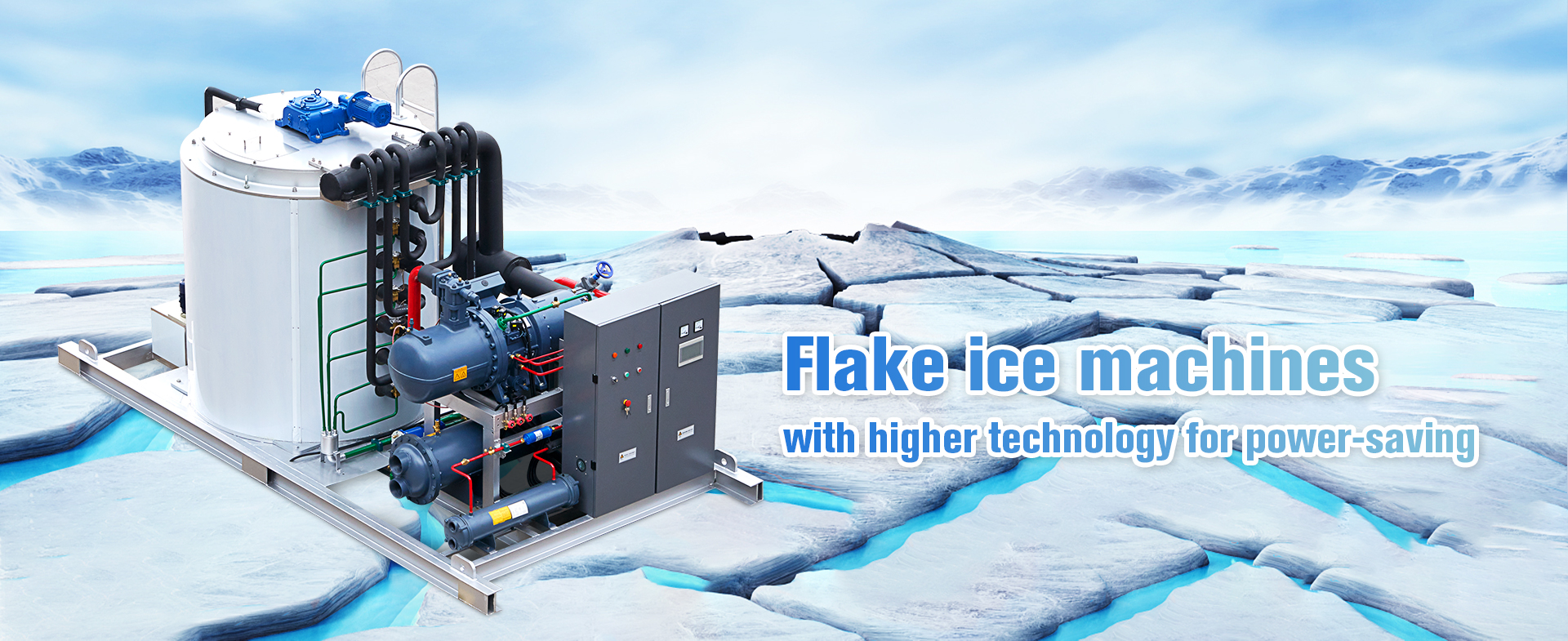
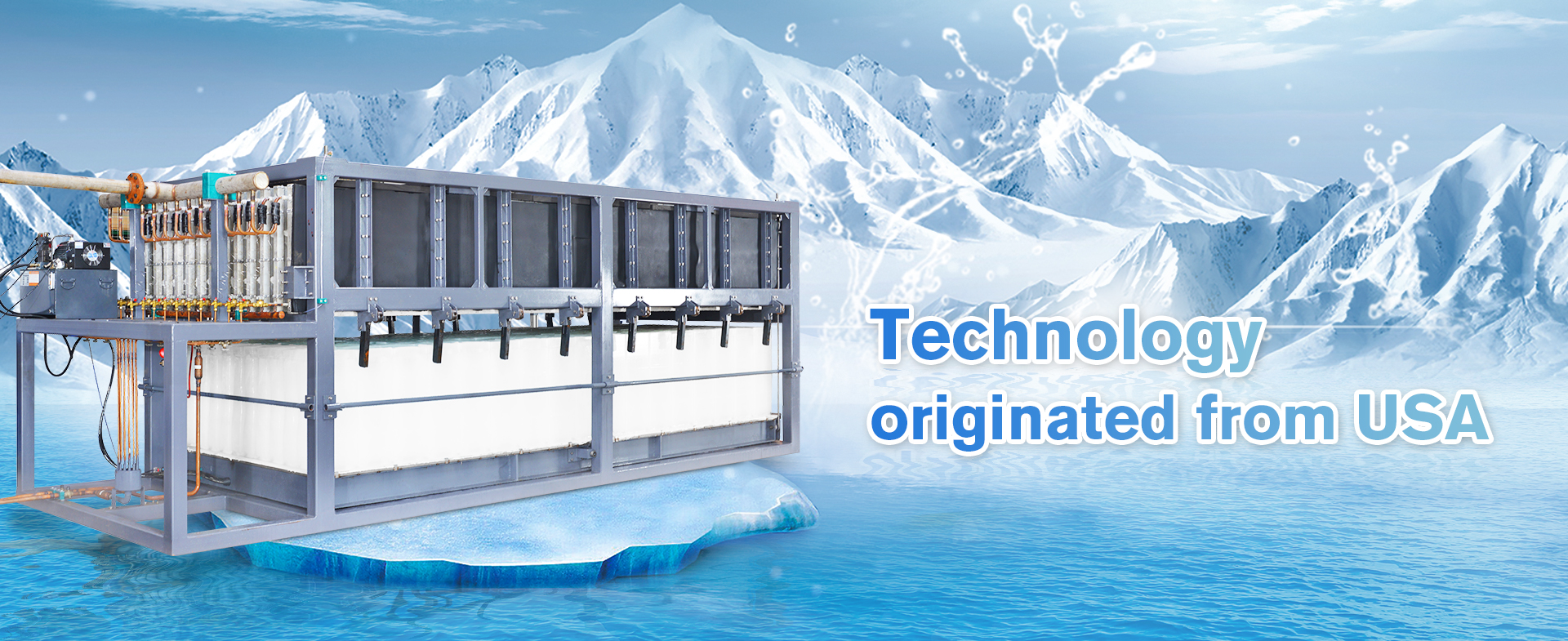
In today’s super competitive market, businesses are always on the lookout for smarter, more efficient solutions. One thing that can really make a difference is a Flake Ice Plant. Tons of industries—like seafood processing, concrete mixing, and even food preservation—depend on ice. And the cool thing about flake ice? Its unique texture actually boosts how well it cools things down. It absorbs heat pretty fast and spreads out evenly, making everything chill faster and more uniformly.
Getting a Flake Ice Plant definitely comes with its perks. Most folks will tell you that boosting productivity is a major win. But honestly, not every business really gets just how powerful this equipment can be right off the bat. Of course, the initial investment might seem a bit steep at first, and that can be a concern. Still, when you think about the long-term savings and efficiency gains, it’s often worth it. It might take a little patience to see the full results, but it’s usually a smart move.
And let’s not forget—flake ice is pretty darn versatile. Whether you're in food processing, medicine, or even industrial uses, it can be adapted for all sorts of applications. Plus, with everyone talking about sustainability these days, investing in a Flake Ice Plant can actually align well with eco-friendly goals. Making the right choice now might just set your business up for growth down the line. It’s all about thinking ahead and choosing wisely.

Benefits of Flake Ice in Food Preservation and Transportation
Flake ice plays a crucial role in food preservation and transportation. Its thin, flat design covers products evenly. This maximizes surface area and enhances cooling efficiency. As a result, food stays fresh longer during transit. Fresh seafood, for example, relies on flake ice to maintain its quality until it reaches consumers.
Using flake ice reduces spoilage and waste. However, improper use can lead to issues. For instance, stacks of ice can trap air pockets, affecting the cooling process. This may result in uneven temperatures. Businesses need to regularly check their ice distribution methods to ensure optimal performance.
In addition, flake ice is versatile. It can be shaped and molded to fit various containers. This flexibility allows for better cooling in different contexts, from fish markets to restaurants. Yet, some companies hesitate to adopt this technology. They worry about the initial investment or the learning curve. It’s worth considering these challenges alongside the many benefits flake ice brings.
Enhancing Product Quality with Flake Ice Usage
Flake ice is gaining popularity in various industries, particularly because of its ability to enhance product quality. With its unique structure, flake ice covers products evenly, maintaining low temperatures more effectively than traditional ice types. A report by the International Refrigeration and Air Conditioning Association highlights that flake ice can reduce temperature fluctuation by up to 30%. This is crucial for businesses in sectors like seafood, meat processing, and food distribution.
In the seafood industry, for instance, maintaining freshness is paramount. Flake ice prevents the spoilage of fish and seafood during storage and transportation. Some studies show that using flake ice can extend the shelf life of seafood by three to five days. However, some companies may still rely on other cooling methods, resulting in inconsistent quality. Transitioning to flake ice might require a shift in logistics that some businesses resist.
Food production facilities also benefit from flake ice. During processing, even temperature distribution minimizes thermal shock. This helps preserve product integrity and quality. Yet, not all employees may be trained to handle flake ice production efficiently, leading to potential waste and challenges. Businesses must critically assess their ice usage and training practices to fully leverage this valuable resource.
Cost Efficiency of Operating a Flake Ice Plant
Operating a flake ice plant can offer significant cost efficiency for businesses. According to recent industry reports, flake ice production is often more energy-efficient compared to other ice-making methods. Businesses can save up to 20% on energy costs by switching to flake ice systems. This translates into lower overhead expenses and a better bottom line.
Additionally, flake ice is known for its versatility. It is used widely in various industries, such as seafood preservation and food processing. The quick cooling properties of flake ice can minimize spoilage and extend product shelf life. A study highlighted that businesses using flake ice reduced their wastage by nearly 15%. However, the initial investment for a flake ice plant can be high. Companies must consider both short-term and long-term financial impacts when switching to this system.
Furthermore, maintenance costs should not be overlooked. Effective maintenance extends the lifespan of the machinery, but unexpected repairs can add to expenses. Regular inspections can help in identifying potential issues early and save costs in the future. The transition to flake ice production certainly demands careful consideration of these factors.
Top 10 Benefits of Using a Flake Ice Plant for Businesses - Cost Efficiency of Operating a Flake Ice Plant
| Benefit |
Description |
Cost Savings (%) |
| High Efficiency |
Flake ice plants are designed for maximum output with minimal energy consumption. |
20% |
| Reduced Equipment Maintenance |
Flake ice systems typically require less frequent maintenance than other types of ice equipment. |
15% |
| Lower Water Usage |
Flake ice plants can recycle water with high efficiency, leading to reduced operation costs. |
10% |
| Versatility in Applications |
Flake ice is suitable for a range of industries, including food processing and healthcare. |
N/A |
| Improved Product Quality |
Using flake ice can enhance the quality and shelf life of perishable products. |
N/A |
| Energy Savings |
Enhanced thermal properties of flake ice help reduce energy costs. |
25% |
| Compact Design |
Flake ice plants generally have a smaller footprint, saving on space requirements. |
N/A |
| Quick Ice Production |
Fast production times allow businesses to meet sudden ice demands efficiently. |
N/A |
| Sustainability |
Environmentally friendly operations reduce the carbon footprint. |
N/A |
| Overall Cost Efficiency |
Long-term savings on operational costs make flake ice systems a smart choice. |
Total: 15-25% |
Flake Ice's Role in Improving Customer Satisfaction
Flake ice plays a vital role in enhancing customer satisfaction across various industries. The smooth texture and rapid cooling abilities of flake ice make it ideal for food preservation. Restaurants using flake ice can keep seafood, meats, and produce fresh longer. This not only helps in reducing waste but also improves the taste and quality of the dishes served.
When customers receive fresh, well-preserved food, their dining experience improves significantly. Ice helps maintain a visually appealing presentation. Moreover, flake ice is easy to mold and can be creatively used in displays. This visual aspect is important in attracting diners and making a lasting impression.
Tip: Always ensure an adequate supply of flake ice during peak hours. Insufficient ice can lead to spoiled products and disappointment among customers. Training staff on the importance of ice management can boost efficiency.
Businesses should be mindful of the flake ice machine's upkeep. Regular maintenance is crucial for consistent ice quality. Neglecting these machines can lead to inconsistent ice production. In that case, customer satisfaction may decline.
Versatility of Flake Ice Across Various Industries
Flake ice has seen rising popularity across multiple industries. Its unique properties make it an ideal choice for various applications. A report from the Ice Association reveals that flake ice is 20% more efficient for cooling seafood during transport. This efficiency is crucial for maintaining freshness and extending shelf life.
In the food sector, flake ice is widely used in production and storage. The food processing industry has reported a 15% reduction in spoilage when using flake ice compared to other types of ice. This improvement can save businesses significant costs and enhance quality. Moreover, its versatility allows for easy integration into existing workflows. Flake ice works well in display cases and salad bars, keeping products chilled without drying them out.
The medical industry also benefits from flake ice. It is essential for transporting organs and tissues, ensuring they remain viable. Statistics show that flake ice increases the safety of medical transport by 30%, a crucial factor for hospitals and clinics. However, maintaining flake ice machines can be a challenge. Operators must regularly monitor and maintain equipment to avoid breakdowns. This requirement can lead to unexpected downtime if not properly managed.
Environmental Benefits of Utilizing Flake Ice
Flake ice offers a unique environmental advantage for businesses. It is made using less water than traditional ice production methods. This reduction helps conserve a vital resource, especially in regions where water scarcity is a concern. Additionally, flake ice has better thermal properties, which means it can keep products colder for longer periods. This aspect enhances energy efficiency in storage and transportation.
Using flake ice can also lower energy consumption. It requires less energy to make than other types of ice. This can lead to lower carbon footprints for businesses utilizing this ice type. Moreover, flake ice is biodegradable. Unlike plastic packaging, it does not contribute to long-lasting environmental waste. However, some companies may overlook this and choose less eco-friendly options for immediate savings.
It is important to reflect on the broader implications of ice choices. Many still rely on methods detrimental to the environment. Switching to flake ice may require an upfront investment. Yet, the long-term environmental benefits can outweigh those initial costs. Businesses must weigh the significance of sustainable practices against immediate financial gains.
Operational Efficiency Gained from a Flake Ice Plant
Flake ice plants provide significant operational efficiency for businesses. They produce flake ice, which is ideal for various applications. For instance, the food industry benefits tremendously. Flake ice keeps seafood fresh and maintains the temperature of perishable goods. This efficiency is crucial in reducing spoilage and waste.
Moreover, flake ice is easy to handle and distribute. Its expansion and surface area make it excellent for cooling in various settings. Many industries, including healthcare, rely on this efficient cooling method. However, not all businesses realize their specific cooling needs. Ignoring these requirements can lead to inefficiencies and increased costs.
Investing in a flake ice plant can enhance productivity and streamline operations. The initial costs may seem daunting, but the long-term benefits outweigh them. Businesses should regularly assess their ice needs. Reflecting on their operational practices may reveal areas for improvement. In times of changing demand, flexibility in cooling solutions becomes crucial.
Innovative Solutions for Ice Production: Exploring the Features of ICESNOW 5tons/day Ice Flake Evaporator with CE Certification
The ICESNOW 5tons/day Ice Flake Evaporator is engineered with innovative technology to meet the demands of modern ice production. Constructed from high-quality SUS304 or carbon steel, the evaporator features a fixed vertical design that enhances heat transfer efficiency, resulting in superior ice production capabilities. The surface is electroplated with Nobelium, providing added durability and resistance to corrosion, which is essential for maintaining performance in various environments.
This advanced evaporator is ideal for use in flake ice making plants and ammonia system ice machines. Its design allows for seamless integration into existing setups, requiring users to simply connect the evaporator tube to a refrigeration source for continuous ice production. With an emphasis on convenience and cost-effectiveness, the automatic protection welding equipment and the annealing heat treatment furnace ensure that each unit meets high-quality standards and performs optimally under rigorous conditions. This makes it an excellent choice for businesses looking to enhance their ice-making operations.
FAQS
: Troubleshoot by consulting the user manual. If issues persist, reach out to customer service for help.
Follow the guidelines provided in the manual. Regular maintenance often leads to a better experience.
Yes, explore the settings menu. Adjusting the options can enhance usability and comfort.
Inspect the product upon arrival. If issues are found, contact support for a potential return or exchange.
Regular checks are advisable. Monthly inspections help avoid bigger issues later.
Customer service hours vary. Check the website for available support times. Some resources may be online.
A warranty may come with your product. Check the documentation for specific details on the coverage.
Use the password recovery option on the login page. Follow the instructions to reset it.
Use soft, damp cloths for cleaning. Avoid harsh chemicals to ensure product longevity.
Sharing accounts can lead to security issues. It's best to keep accounts personal for safety.
Conclusion
The article "Top 10 Benefits of Using a Flake Ice Plant for Businesses" outlines various advantages that flake ice provides across multiple sectors. One of the key benefits is its role in food preservation and transportation, ensuring that products remain fresh and maintain their quality during transit. The use of flake ice enhances customer satisfaction by delivering high-quality goods that meet consumer expectations. Additionally, operating a flake ice plant is cost-efficient, leading to reduced overhead and increased profitability.
Furthermore, the versatility of flake ice makes it applicable in diverse industries, from seafood processing to pharmaceutical storage. The article also highlights the environmental benefits of using flake ice, as it often requires less energy compared to other cooling methods. Ultimately, a flake ice plant facilitates operational efficiency, allowing businesses to streamline their processes and improve overall productivity.