
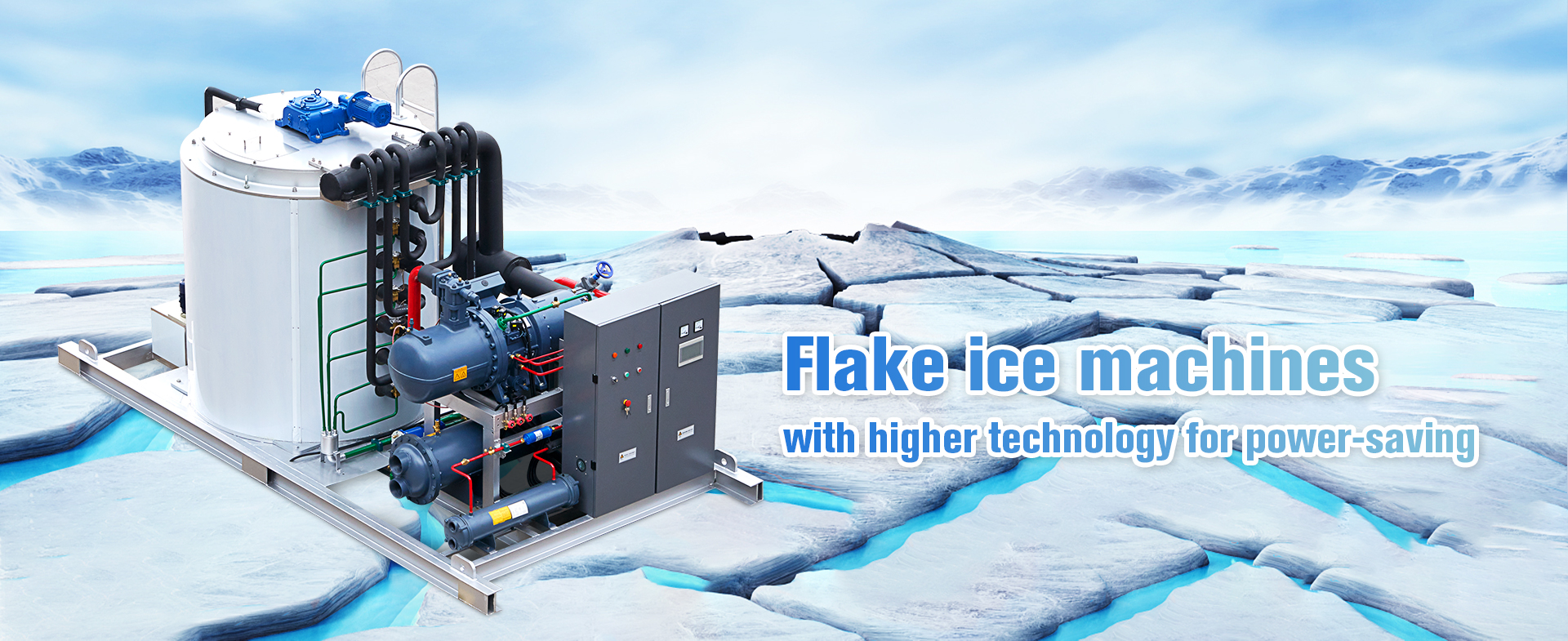


Lately, there's been a real uptick in demand for high-quality ice. A Freshwater Flake Ice Machine has become pretty much a must-have across a bunch of different industries. Basically, it makes ice in these thin, flaky layers—perfect for keeping stuff fresh without any mess.
Take seafood markets, for example. The cool, flaky ice is a game-changer—helping to preserve fish and seafood so they stay fresh longer. Even restaurants get a lot out of this kind of ice; it’s great for garnishing dishes, and it keeps drinks icy cold without leaving a puddle of water everywhere.
That said, some folks might overlook how important regular maintenance is. If you invest in a Freshwater Flake Ice Machine, you’ve gotta stay on top of routine checks. Ignore that, and you might notice a drop in ice quality or other issues down the line. So yeah, businesses should really pay attention and stay proactive. The key to smooth operation is taking good care of your equipment and sticking to simple care habits—that can make all the difference.

Understanding Freshwater Flake Ice Machines
Freshwater flake ice machines play a vital role in various industries. They produce ice that is soft, dry, and easy to handle. This type of ice is great for preserving seafood and other perishable goods. The unique shape of flake ice helps maintain the quality of food products by ensuring even cooling.
Using a freshwater flake ice machine offers several advantages. One key benefit is the high cooling efficiency. The thin, flat flakes cover surfaces effectively without causing damage. Additionally, this ice melts slowly, prolonging the cooling duration. In settings like fish markets, the ice keeps products fresh for longer. However, maintenance can sometimes pose a challenge. Regular cleaning is required to ensure the machine runs efficiently.
Additionally, these machines can vary in size and capacity. Smaller models are suitable for restaurants, while larger units fit industrial needs. It’s important to assess specific requirements before making a purchase. Sometimes, users overlook this step, leading to inadequate ice production. Careful consideration can save time and avoid frustration in the long run.

Efficient Seafood Preservation: The Role of ICESNOW 20Ton/Day Seawater Flake Ice Machine in the Commercial Fishing Industry
The commercial fishing industry heavily relies on effective preservation methods to maintain the quality and freshness of seafood during storage and transportation. One of the most innovative solutions for this challenge is the seawater flake ice machine, which produces ice using seawater. This technology enables direct extraction of ice-making water from the sea, thus ensuring a constant supply of clean, cold flake ice whenever needed. The efficiency of this ice machine is particularly beneficial for fisheries operating on high-volume scales, as it can produce up to 20 tons of ice per day.
Research indicates that maintaining the right temperature is crucial in seafood preservation; a study by the Food and Agriculture Organization (FAO) highlights that the quality of fish deteriorates significantly when temperatures rise above -1°C. The flake ice produced by these machines not only cools the seafood rapidly but also ensures even distribution and coverage, which is essential to inhibit bacterial growth and preserve texture. Moreover, the flake ice can easily conform to the contours of the catch, minimizing bruising and damage, thereby maintaining the market value of the products.
These seawater flake ice machines come with the flexibility of being used in both marine and land settings. The standard power supply is designed for dynamic electricity (380V/50Hz), with options to adapt to 60Hz when necessary. Such versatility makes these machines suitable for diverse operating environments, whether on vessels or at shore-based processing facilities. As the demand for fresh seafood rises globally, the role of efficient preservation technologies like the seawater flake ice machine becomes increasingly vital in ensuring seafood quality and sustainability within the industry.

FAQS
: Think about your interests. Choose something you enjoy or feel curious about.
Set small, achievable goals. Celebrate your progress, even minor wins.
Yes, breaks can help refresh your mind. They prevent burnout and promote better focus.
It’s normal to feel stuck sometimes. Reflect on your methods and try different approaches.
Look for local clubs or online communities. Engaging with others can be inspiring.
Start with basic supplies. You can upgrade later as you gain more experience.
Mistakes are part of the process. Analyze what went wrong and learn from it.
Keep a journal of your activities. Document changes or improvements over time.
Yes, engaging in enjoyable activities can reduce stress and enhance overall happiness.
It’s okay to change. Explore new options. Reflect on what you enjoyed before.
Conclusion
Freshwater Flake Ice Machines are essential tools in various industries due to their ability to produce high-quality ice that enhances product preservation and overall product integrity. The production process of flake ice involves freezing freshwater into thin sheets, then breaking it into flakes, which can be easily utilized for cooling perishable goods.
One of the primary benefits of using a Freshwater Flake Ice Machine is its effectiveness in maintaining the freshness and extending the shelf life of products, particularly in the food industry. Additionally, the use of flake ice improves the overall quality of finished products, as it gently cools items without causing damage. Beyond quality, these machines also provide economic advantages by reducing waste and improving operational efficiency. Their versatility allows for application across various sectors, including seafood, agriculture, and medical fields, while their environmental considerations highlight a sustainable approach to ice production.
Related Posts
-

Top 10 Tips for Choosing the Best Freshwater Flake Ice Machine
-

How to Choose the Best Flake Ice Machine With Bin?
-

Why Choosing a Freshwater Flake Ice Machine is Essential for Your Business
-

2026 Best Flake Ice Machine Reviews and Buying Guide?
-

What is an Ice Flake Drum and How Does it Work in Food Processing
-

Ultimate Guide to Choosing the Best Flake Ice Maker Evaporator for Your Business Needs
