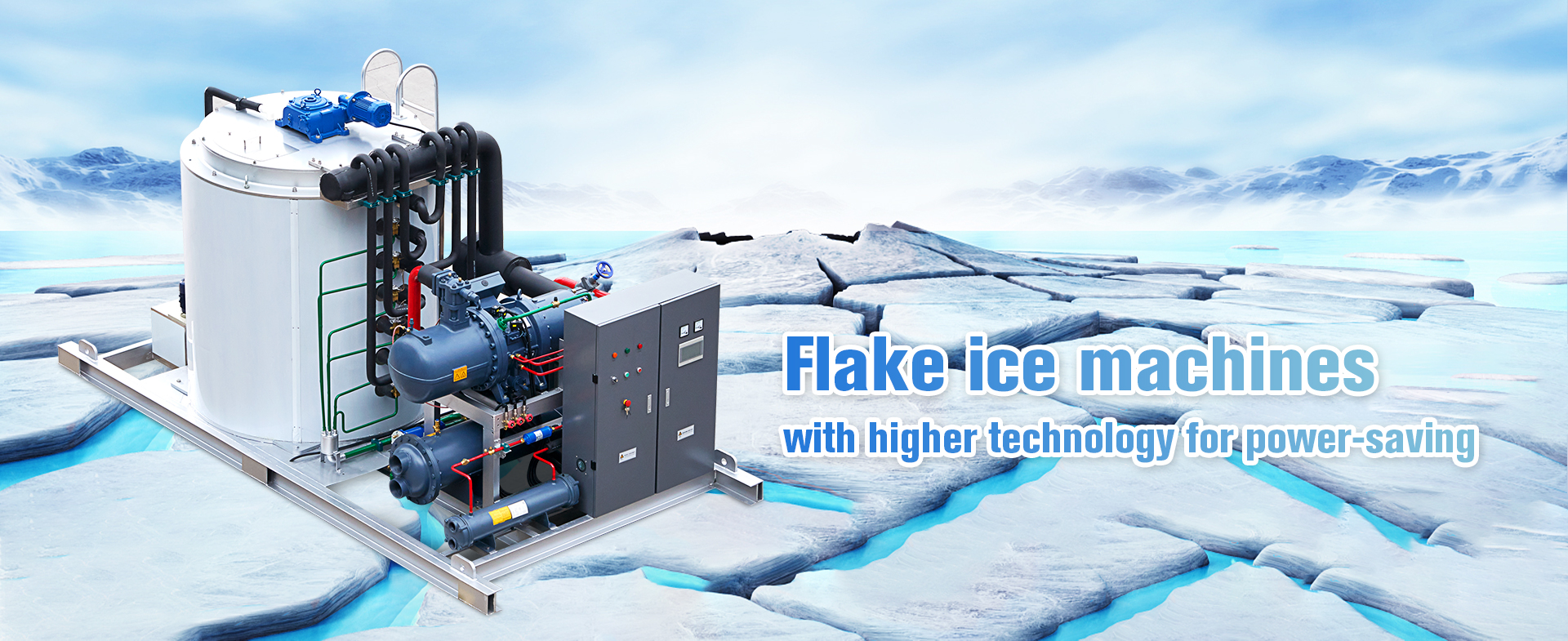

When it comes to food preservation and presentation in various industries, selecting the right equipment is crucial. The Freshwater Flake Ice Machine plays a significant role, especially in sectors such as seafood, food processing, and medical applications, where maintaining the freshness of perishable goods is paramount. According to the International Ice Association, the demand for ice production, especially flake ice, has been steadily increasing, driven by the growing awareness of food safety standards and quality assurance. The flake ice produced by these machines provides superior cooling efficiency and conforms better to the shapes of products, which is essential for optimal preservation.
Furthermore, the market for ice-making machines is projected to grow substantially, with reports from Technavio estimating a compound annual growth rate (CAGR) of over 5% in the forthcoming years. This trend points to an increased reliance on automated ice-making solutions within the food industry. Given such insights into the market dynamics, understanding what to consider when choosing a Freshwater Flake Ice Machine can empower businesses to improve operational efficiency, enhance product quality, and ensure compliance with essential health standards. In this article, we will outline the top 10 tips for selecting the best Freshwater Flake Ice Machine for your specific needs.

Factors to Consider When Selecting a Freshwater Flake Ice Machine
When selecting a freshwater flake ice machine, several key factors must be carefully considered to ensure optimal performance and reliability. First, the production capacity is crucial to meet your specific demands. For instance, choosing a machine with a higher output will be essential for commercial operations in seafood markets or food processing plants, where ice is needed in large volumes. According to industry reports, machines typically range from 500 to 20,000 pounds of ice production per day, allowing businesses to select a model that aligns with their operational needs.
Another critical factor is the machine’s energy efficiency. With energy costs continuously rising, selecting an ice machine that operates efficiently can lead to significant savings in the long run. Research indicates that energy-efficient machines can reduce operational costs by up to 30% compared to standard models. Moreover, it is essential to consider the machine's footprint and installation requirements, especially for businesses with limited space. Ease of maintenance and access to service support are also vital, as machines that are easier to service can minimize downtime and improve overall productivity, further underscoring the importance of these factors in the selection process.
Top 10 Tips for Choosing the Best Freshwater Flake Ice Machine
| Tip Number | Tip Title | Description | Considerations |
|---|---|---|---|
| 1 | Assess Your Ice Needs | Determine how much ice you need daily and during peak times. | Volume, Storage Capacity |
| 2 | Evaluate Production Rate | Choose a machine that can keep up with your daily demands. | Rate of Production, Efficiency |
| 3 | Consider Space Requirements | Ensure the machine fits in your available space. | Dimensions, Installation Area |
| 4 | Check Water Source | Identify if you have a suitable water source for the machine. | Water Connection, Filtration |
| 5 | Energy Efficiency | Look for machines with good energy ratings to save on costs. | Energy Consumption, Cost Savings |
| 6 | Maintenance Requirements | Assess how often the machine requires maintenance and service. | Service Frequency, Parts Availability |
| 7 | Ice Quality | Ensure the ice produced is suitable for your application. | Size, Clarity, Purity |
| 8 | User-Friendly Controls | Look for machines with easy-to-use interfaces. | Control Panel Layout, Accessibility |
| 9 | Durability and Build Quality | Select machines made from high-quality, durable materials. | Material Quality, Longevity |
| 10 | Warranty and Support | Choose a machine that comes with a good warranty and support. | Warranty Length, Customer Service |

FAQS
: Flake ice machines are primarily classified into air-cooled and water-cooled systems. Air-cooled machines are easier to install and have lower upfront costs but generally consume more energy. Water-cooled machines tend to be more energy-efficient.
Batch machines produce ice in cycles and are suitable for smaller operations that require customizable ice thickness and density. Continuous production machines provide a steady output, making them ideal for larger facilities that need substantial amounts of ice consistently.
It's essential to assess your daily ice requirements, peak usage times, and the machine's output specifications. Understanding your historical usage and forecasting future demands can help you select a machine that meets your needs efficiently.
The speed at which a flake ice machine produces ice after startup is important for applications that require rapid ice generation. Different models have varying production speeds, which should align with your operational demands.
Energy efficiency is crucial as it directly affects operating costs. Efficient machines reduce electricity consumption, help maintain consistent ice production, and can lead to significant savings on monthly utility bills.
Besides energy consumption, consider maintenance requirements, water usage, and overall machine design. Machines that are easier to maintain can incur lower service costs, while those with optimized water usage can reduce waste.
By reducing electricity consumption and minimizing waste, energy-efficient machines contribute to eco-friendly operations, making them a sustainable choice for businesses looking to lower their environmental impact.
Choosing a machine with the right ice production capacity is essential to prevent insufficient supply during peak times, which could disrupt operations. It ensures a steady and adequate supply of ice for various applications.
An insufficient ice production machine can lead to operational disruptions, missed customer demands, and potential loss of business due to inadequate ice supply during high-demand periods.
By evaluating their specific ice needs, assessing historical usage patterns, and considering factors like production efficiency and operational costs, businesses can make informed decisions that enhance their operations.
Conclusion
Choosing the right freshwater flake ice machine can significantly impact your operations, whether for commercial use or personal needs. When selecting a machine, consider essential factors such as the type of ice produced, production capacity to meet your requirements, and key features that enhance usability and efficiency. It's crucial to assess energy efficiency and operating costs, as these will influence your long-term expenses.
Additionally, maintenance and durability are vital; a reliable machine will reduce downtime and repair costs. Lastly, comparing different brands and models can help you identify the best option tailored to your specific needs. By carefully evaluating these aspects, you can ensure the freshwater flake ice machine you choose will effectively serve your purposes while providing value and performance.
Related Posts
-

Understanding the Benefits and Features of Using an Ice Flake Machine for Your Business
-

Why Choosing a Freshwater Flake Ice Machine is Essential for Your Business
-

10 Essential Tips for Choosing the Best Ice Flake Maker for Your Needs
-

How to Choose the Best Flake Ice Maker Drum for Your Needs
-

Why You Need a Flake Ice Maker Drum for Perfect Ice Anytime
-

The Secrets Behind Ice Flake Evaporators and Their Role in Modern Refrigeration Systems
