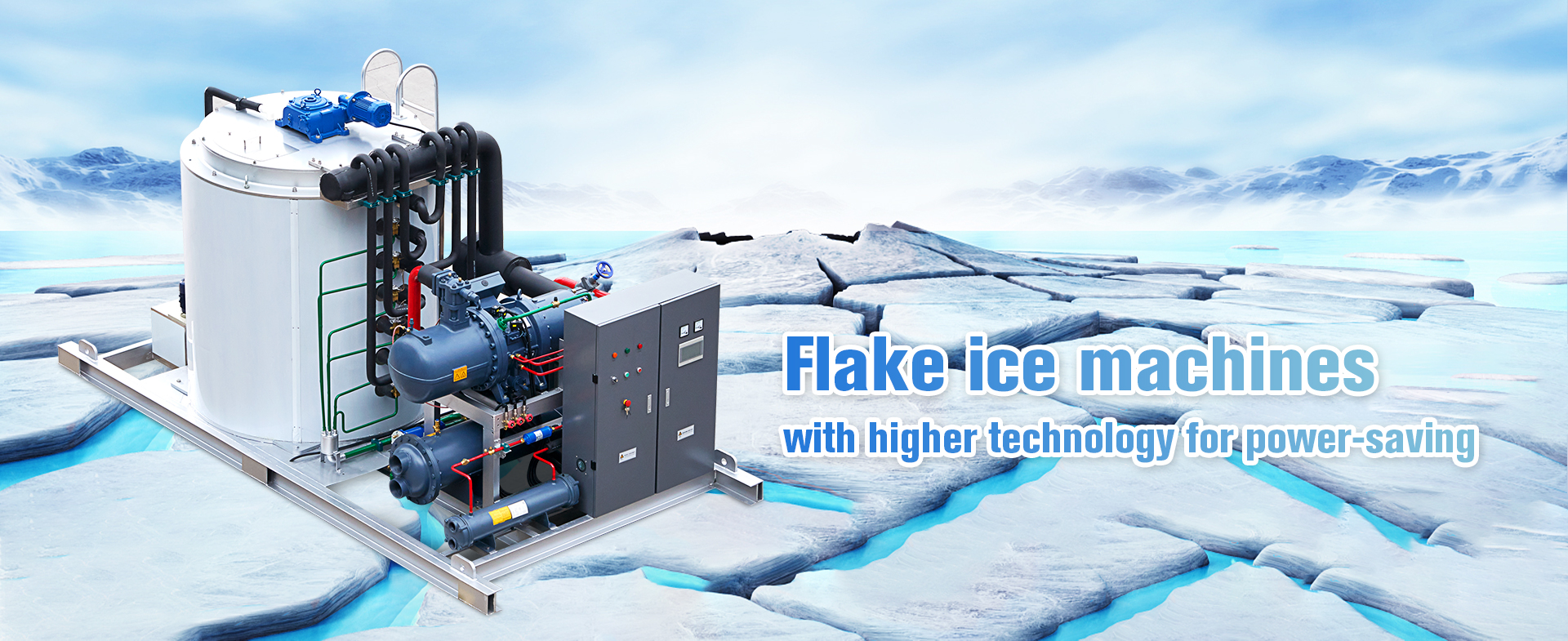

When it comes to producing consistent and high-quality flake ice, selecting the right equipment is crucial for businesses in various sectors, such as hospitality and food service. A Flake Ice Machine With Bin not only optimizes ice production but also ensures convenient storage, making it an essential investment for any establishment requiring ice on demand. In this article, we delve into the top 10 flake ice machines equipped with bins, highlighting their features, capacities, and efficiencies.
Understanding the importance of reliable ice-making solutions, we explore various models that are designed to meet the diverse needs of restaurants, seafood markets, and healthcare facilities. From compact units perfect for smaller operations to larger machines suitable for high-volume demand, our selection aims to assist in making an informed decision. Join us as we uncover the best flake ice machines with bins that guarantee perfect ice production, ensuring businesses can enhance their operations and serve their customers efficiently.
The demand for flake ice machines has surged in various sectors, driven by their essential role in preserving food quality and enhancing product presentation. According to a recent industry report, the global ice machine market is projected to grow at a CAGR of 6.5% between 2023 and 2030, reflecting an increasing need for efficient ice solutions in restaurants, seafood markets, and hospitals. This rise is primarily attributed to the growing awareness of health benefits associated with using flake ice, which is known for its rapid cooling properties and convenience in handling.
In addition to robust market growth, recent trends highlight an ongoing shift towards eco-friendly and energy-efficient models as consumers and businesses become more environmentally conscious. Research shows that machines equipped with advanced technology can reduce energy consumption by up to 30% compared to older models. Furthermore, with the increasing popularity of self-service ice stations and bulk ice production, manufacturers are innovating to ensure their machines not only produce high-quality ice but also cater to a diverse range of applications.
This versatility is essential as businesses seek to optimize operational efficiency while addressing sustainability concerns, defining a clear direction for the future of flake ice machines in the market.
When selecting a flake ice machine, there are several key features that should be considered to ensure optimal ice production. Firstly, the production capacity of the machine is crucial, especially for businesses that require large quantities of ice daily. Understanding the volume of ice needed can help in selecting a machine that offers the right output, which typically ranges from small-scale supplies for restaurants to larger units for industrial applications.
Another important factor is the efficiency of the machine. Look for features that enhance energy efficiency and reduce water waste, as these can significantly impact operational costs over time. Additionally, the size and design of the ice storage bin should be assessed to ensure it meets the volume requirements while fitting comfortably in the intended space. Durability and ease of maintenance are also vital; machines made with high-quality materials will often provide longer lifespans, while easy access for cleaning and repairs can save time and effort in the long run. Overall, focusing on these essential features will help in making an informed choice that meets specific ice production needs.
When selecting flake ice machines with bins, understanding the performance metrics—especially ice production capacity and efficiency ratings—is crucial for making an informed choice. Ice production capacity refers to the amount of ice a machine can produce in 24 hours, which is essential for businesses that rely on consistent ice supply. Efficiency ratings, often measured by energy consumption versus ice output, indicate how effectively a machine converts energy into ice, helping to manage operational costs effectively.
Tips: When evaluating machines, consider your peak ice usage times. Choose a unit with a production capacity that exceeds your maximum demand to ensure a continuous supply. Additionally, look for models that offer energy-efficient features; not only will they save on utility bills, but they can also extend the lifespan of your equipment.
Another important factor to consider is the machine’s ice storage bin size. A larger bin can accommodate higher production rates, reducing the frequency of ice production cycles. However, it’s also vital to balance bin size with the space available in your establishment. Remember to check for any additional features, like easy access for maintenance and cleanability, to ensure long-term satisfaction with your flake ice machine.
The flake ice machine industry has experienced significant growth in recent years, driven by the increasing demand for ice in various sectors, including food processing, healthcare, and commercial establishments. According to a recent market analysis report from TechSci Research, the global flake ice machine market is projected to reach USD 512 million by 2025, growing at a CAGR of 4.5% from 2019. This growth is attributed to the increasing use of flake ice in seafood preservation and the rising popularity of ice-based drinks, emphasizing the need for efficient and reliable ice production systems.
In comparing leading brands within the flake ice machine sector, key performance indicators such as ice production capacity, energy efficiency, and storage bin integration are essential for evaluating overall effectiveness. Industry reports indicate that the ideal flake ice machine should produce at least 500 pounds of ice per 24 hours to meet commercial demands. Energy efficiency ratings also play a crucial role, as machines with high efficiency not only reduce operational costs but also minimize environmental impact. Furthermore, integrated ice storage bins enhance convenience, enabling continuous ice supply while maintaining optimal ice quality by preventing melting and degradation.
As the market continues to evolve, these characteristics will remain critical in determining the best flake ice machines available.
When selecting a flake ice machine, user reviews and reliability ratings are crucial in ensuring optimal ice production. Industry reports indicate that machines with higher user satisfaction rates often correlate with better durability and performance. According to a survey conducted by the Ice Machine Manufacturers Association, nearly 78% of users prioritize ease of maintenance and operational efficiency, highlighting the importance of user feedback in choosing a model that aligns with your needs. Reliable machines not only produce consistent ice but also tend to have lower downtime, which is critical for businesses reliant on a steady supply of flake ice.
Tips for selecting the best flake ice machine include considering the machine's ice production capacity and storage options. Machines that efficiently chill water and incorporate durable materials in their construction receive positive ratings from users for their longevity. Additionally, check for features such as automatic shut-off and programmable settings, which can greatly enhance user experience and operational efficiency. Reading reviews on various platforms can provide insights into customer service and warranty policies, which are vital aspects of overall reliability.
By evaluating user reviews and reliability ratings critically, you can identify machines that not only fulfill your ice production needs but also stand the test of time. Remember to factor in the machine's energy consumption, as more efficient models may save you costs in the long run while maintaining a steady ice supply for your business or personal use.
When considering the investment in flake ice machines with bins, a critical aspect to evaluate is the balance between initial costs and ongoing operational expenses. According to industry reports, the average upfront cost of a high-quality flake ice machine can range from $2,000 to $10,000, depending on capacity and features. This initial investment is substantial, particularly for small businesses or startups in the food and beverage sector. However, the efficiency and reliability of these machines can lead to long-term savings, making them a worthy expenditure.
Operational costs are influenced by several factors, including energy consumption, water usage, and maintenance needs. The U.S. Department of Energy estimates that commercial ice machines can account for up to 16% of a business's total energy usage. By selecting energy-efficient models and implementing proper maintenance schedules, businesses can minimize these costs. Additionally, some reports indicate that operational costs can be reduced by up to 30% for machines that utilize advanced technologies, such as variable speed compressors and smart ice-making cycles. By performing a comprehensive cost-benefit analysis, businesses can ensure that their investment yields significant returns in efficiency and operational savings over time.
Maintaining flake ice machines and their bins is crucial for ensuring optimal performance and extending their lifespan. Regular cleaning is essential to prevent the buildup of minerals and other debris that can affect ice quality and machine efficiency. Users should take the time to descale the machine periodically, using appropriate cleaning solutions to remove any scale buildup. Additionally, keeping the bins free from ice accumulation helps maintain hygiene and prevents clogs that can disrupt the ice-making process.
Another important aspect of maintenance involves routine checks and servicing of components such as the compressor and evaporator. Monitoring the refrigerant levels and ensuring that all moving parts are functioning smoothly can prevent unexpected breakdowns. It's also advisable to inspect seals and gaskets for wear and tear, as these can lead to leaks and reduced efficiency. By following these maintenance tips, operators can enhance the performance of their flake ice machines and bins while ensuring consistent ice production for their needs.
| Model | Production Capacity (lbs/day) | Bin Capacity (lbs) | Dimensions (inches) | Weight (lbs) | Energy Consumption (kWh) | Price ($) |
|---|---|---|---|---|---|---|
| Model A | 800 | 200 | 24 x 30 x 60 | 150 | 2.5 | 3500 |
| Model B | 900 | 250 | 28 x 32 x 66 | 160 | 3.0 | 4200 |
| Model C | 1000 | 300 | 30 x 36 x 72 | 170 | 3.5 | 4800 |
| Model D | 1100 | 350 | 32 x 38 x 75 | 180 | 4.0 | 5400 |
| Model E | 1200 | 400 | 35 x 40 x 78 | 190 | 4.5 | 6000 |
| Model F | 1300 | 450 | 36 x 42 x 81 | 200 | 5.0 | 6600 |
| Model G | 1400 | 500 | 38 x 44 x 84 | 210 | 5.5 | 7200 |
| Model H | 1500 | 550 | 40 x 46 x 87 | 220 | 6.0 | 7800 |
| Model I | 1600 | 600 | 42 x 48 x 90 | 230 | 6.5 | 8400 |
| Model J | 1700 | 650 | 44 x 50 x 93 | 240 | 7.0 | 9000 |
: The demand for flake ice machines has surged due to their essential role in preserving food quality and enhancing product presentation, alongside rising awareness of health benefits and efficient ice solutions.
The global ice machine market is projected to grow at a CAGR of 6.5% during this period.
Important features to consider include production capacity, energy efficiency, size and design of the storage bin, durability, and ease of maintenance.
Machines equipped with advanced technology can reduce energy consumption by up to 30%, leading to significant reductions in operational costs over time.
User reviews and reliability ratings provide insights into performance, durability, and maintenance ease, which are critical factors for ensuring a steady supply of ice for businesses.
Businesses should look for machines that produce high-quality ice, incorporate self-service options, and have features that enhance energy efficiency and reduce water waste.
Understanding the volume of ice needed helps in selecting a machine that can meet daily requirements, which is essential for operations in restaurants, seafood markets, and hospitals.
Features such as automatic shut-off, programmable settings, and durable construction significantly enhance user convenience and operational efficiency.
Reviews can provide insights into customer service experiences, warranty policies, and overall reliability, helping consumers identify machines that meet their needs effectively.
There is a noticeable shift towards eco-friendly and energy-efficient models as consumers and businesses become more environmentally conscious and seek sustainable solutions.
The article "Top 10 Flake Ice Machines with Bins for Perfect Ice Production" provides an in-depth overview of the flake ice machine market, highlighting key insights and trends. It emphasizes important features to consider when selecting a flake ice machine with bin, such as ice production capacity and efficiency ratings. A comparative analysis of leading brands within the industry offers valuable context, while user reviews and reliability ratings help inform potential buyers about performance.
Additionally, the article includes a cost-benefit analysis, weighing investment costs against operational expenses, and delivers maintenance tips that are essential for the longevity of flake ice machines and their bins. This comprehensive guide serves as a crucial resource for anyone looking to invest in a flake ice machine with bin, ensuring they make an informed choice that aligns with their ice production needs.