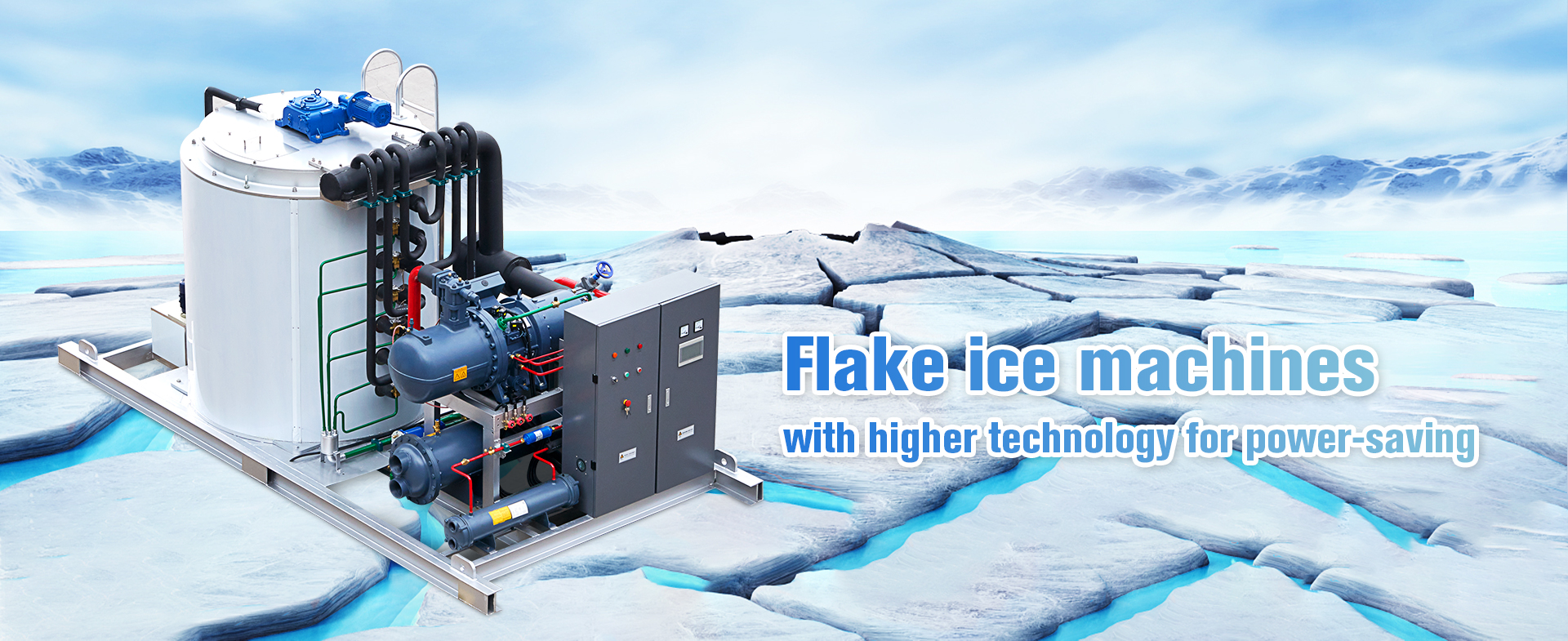
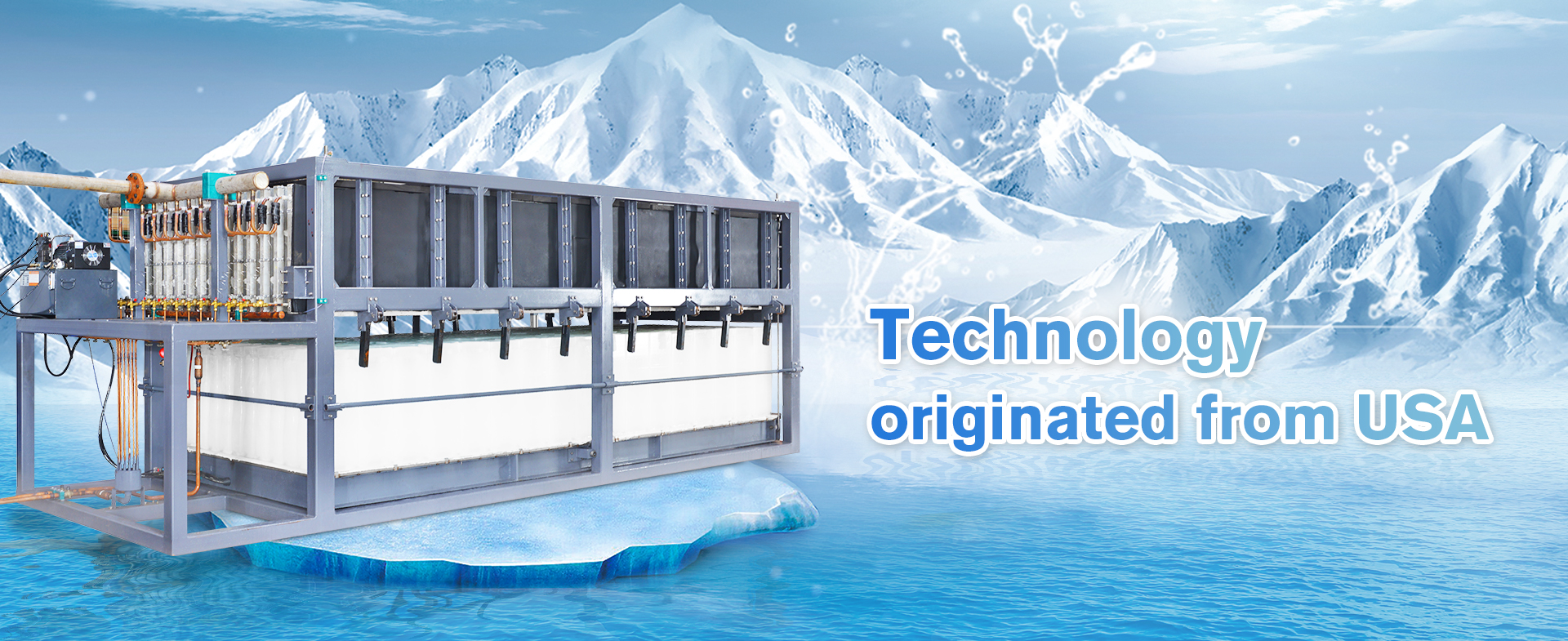
The advancement of refrigeration technology has led to significant innovations in the food industry, particularly with the introduction of the Ice Flake Machine. As an essential component in various sectors such as seafood preservation, food processing, and even healthcare, ice flake machines are increasingly recognized for their efficiency and versatility. According to a recent market research report, the global ice machine market is projected to grow at a CAGR of 4.5% from 2021 to 2028, driven largely by the rising demand for flake ice in commercial applications. This aligns with the ongoing trend of integrating efficient cooling solutions to enhance product quality and safety.
Guangdong Icesnow Refrigeration Equipment Co., Ltd., established in 2003, stands at the forefront of this revolution. As an integrated manufacturer specializing in the research, design, manufacture, and sale of flake ice machines, they provide critical solutions that cater to diverse needs across multiple industries. The unique properties of flake ice, which allow for better thermal conductivity and surface coverage, make it a preferred choice for operations requiring meticulous temperature control. The relentless pursuit of innovation by companies like Guangdong Icesnow reflects a broader shift in the industry towards sustainable and efficient refrigeration technologies that not only enhance food safety but also reduce operational costs.

Understanding Ice Flake Machines: A Deep Dive into Their Mechanisms and Efficiency
Ice flake machines have become pivotal in various industries, especially in food preservation and safety. These machines operate by quickly freezing water into small ice flakes, which provide optimal cooling for seafood, meats, and produce. According to a report by Technavio, the global ice machine market was valued at approximately $2.4 billion in 2020 and is expected to grow by 4% annually due to increasing demand for fresh food storage solutions. The efficiency of these machines lies not only in their cooling capabilities but also in their energy-saving technologies, which use less power while providing consistent output.
When selecting an ice flake machine, it's essential to consider factors such as production capacity and energy consumption. Tips for maximizing efficiency include regularly maintaining the machine to ensure optimal performance, using it during off-peak energy hours for cost savings, and opting for models with programmable settings to tailor ice production to specific needs. Moreover, industry studies indicate that flake ice can reduce spoilage by up to 30% compared to traditional cooling methods, underscoring its importance in food service operations.
Understanding the mechanics behind ice flake machines reveals their role in enhancing operational efficiency and extending the shelf life of perishable goods. The use of high-efficiency evaporators allows for reduced energy consumption while retaining superior ice quality. For businesses looking to innovate, investing in advanced ice flake technology can significantly impact the bottom line and sustainability practices.

Key Differences Between Ice Flake Machines and Traditional Ice Machines in Food Industry Applications
Ice flake machines are increasingly becoming vital in the food industry, offering distinct advantages over traditional ice machines. One of the primary differences lies in the type of ice produced; flake ice is softer, thinner, and molds easily around food items, providing superior cooling without damaging delicate products. This characteristic is particularly important for seafood and produce, where freshness and presentation are crucial. In contrast, traditional ice machines often produce pellets or cubes that can be harder and less adaptable to various food shapes.
Another significant difference is the production rate and efficiency. Ice flake machines typically have a higher output and can generate ice continuously, ensuring a steady supply during peak operational hours. This is beneficial for high-demand environments such as seafood markets or restaurants. Furthermore, ice flake machines are designed to consume less energy, making them a more sustainable choice.
**Tip:** When considering an ice flake machine for your business, assess your specific needs, such as the volume of ice required and the types of food you handle. Choosing a machine with adjustable output settings can provide versatility in various applications.
**Tip:** Regular maintenance of your ice flake machine not only extends its lifespan but also ensures optimal ice quality. Schedule routine cleaning and inspection to prevent build-up and potential malfunctions.

Quantifying the Impact: How Ice Flake Machines Enhance Food Preservation and Quality
Ice flake machines have become indispensable in the food industry, thanks to their remarkable ability to enhance food preservation and quality. According to a report by the Food and Agriculture Organization (FAO), approximately one-third of all food produced globally is wasted, often due to inadequate preservation methods.
Ice flake machines play a crucial role in extending the shelf life of perishable items, particularly seafood and poultry. By lowering the temperature rapidly and maintaining a consistent chill, these machines reduce bacterial growth, which can lead to spoilage.
Furthermore, a study published in the Journal of Food Safety highlights that employing ice flake machines can improve the freshness of seafood by up to 50%. The flake ice creates a protective layer around the products, insulating them from temperature fluctuations during transport and storage. This not only helps in preserving the visual and sensory qualities of the food but also boosts its nutritional value.
The impact of these machines reverberates beyond food preservation; they also facilitate better quality control, ensuring that consumers receive products that meet high standards of safety and freshness. As the food industry continues to prioritize sustainability and efficiency, ice flake machines stand out as a key innovation in enhancing both food quality and longevity.
Exploring the Versatility of Ice Flake Machines in Diverse Industries Beyond Food
Ice flake machines are not only transforming the food industry but are also proving to be invaluable in various other sectors. The food industry, particularly seafood and poultry processing, relies on ice flake machines to keep products fresh and safe during transportation and storage. According to a report by MarketsandMarkets, the global ice machine market is expected to reach $3.82 billion by 2026, driven significantly by the growing demand for efficient food preservation solutions.
Beyond food applications, ice flake machines have found their utility in sectors such as healthcare, agriculture, and industrial processes. In healthcare, they are essential for preserving biological samples and delivering temperature-sensitive medications. The horticultural industry utilizes ice flake machines for cooling and transporting perishable produce, significantly reducing spoilage rates. As reported by Grand View Research, the agricultural cooling market is projected to grow at a CAGR of 9.5% from 2021 to 2028, highlighting the increasing adoption of such technologies for maintaining optimal conditions.
Furthermore, the industrial sector benefits from the use of ice flake machines in processes like concrete cooling and manufacturing. By using ice to control temperatures during concrete mixing, companies can enhance the quality and durability of the final product. The versatility of ice flake machines thus showcases their critical role in enhancing operational efficiencies across various industries, not just in food processing.
The Science Behind Ice Flake Machines: Revolutionizing the Food Industry and Beyond
| Industry |
Application |
Benefits of Ice Flake Machines |
Typical Ice Production Rate (kg/h) |
| Food & Beverage |
Seafood preservation, cocktail preparation |
Rapid cooling, retains food quality |
500 |
| Healthcare |
Medical transport of organs, cooling of medications |
Temperature stability, prolongs shelf life |
300 |
| Construction |
Concrete cooling, temperature control |
Prevents thermal cracking, enhances curing |
700 |
| Agriculture |
Farming, crop preservation |
Reduces spoilage, extends marketability |
400 |
| Entertainment |
Ice rinks, exhibitions |
Creates safe surfaces, enhances experience |
200 |
Analyzing Market Trends: The Growing Demand for Ice Flake Machines in Various Sectors
The growing demand for ice flake machines is significantly reshaping various sectors, notably in the food and beverage industry, including seafood processing. With advancements in technology and automation, the market for these machines has expanded to accommodate diverse needs, such as the size of ice produced and the level of automation required. As businesses strive for efficiency and quality, fully automated ice flake machines have become increasingly attractive, providing consistent ice production without manual intervention.
Market research indicates that the ice flake machine segment is witnessing robust growth, with projections showing a notable increase in market size driven by heightened demand across multiple industries. The seafood sector, in particular, relies heavily on ice flake machines to ensure products remain fresh during processing and distribution. As food safety regulations tighten and consumer preferences evolve, businesses are investing in advanced ice solutions to meet these challenges, paving the way for sustained growth in the ice flake machine market.
Future Innovations: Advancements in Ice Flake Technology and Its Potential Impacts on Industry Standards
Recent advancements in ice flake technology are paving the way for transformative changes in the food industry and beyond. According to a report from Grand View Research, the global commercial ice machines market is projected to reach USD 3.4 billion by 2027, driven by innovations that enhance efficiency and product quality. Ice flake machines, known for their fast cooling capabilities and consistent quality, are becoming vital in various sectors such as seafood preservation, food processing, and healthcare. The transition from traditional ice-making methods to modern solutions allows businesses to minimize waste and improve operational workflows.
Tips for maximizing ice flake machine efficiency include regular maintenance to ensure optimal performance and investing in energy-efficient models, which can lower operational costs significantly. Utilizing ice flake machines in a closed-loop system is another effective strategy; this not only extends the lifespan of the ice but also contributes to sustainable practices by recycling meltwater.
As we look to the future, advancements like smart ice flake machines equipped with IoT technology will enable real-time monitoring and control, further enhancing safety and quality benchmarks across industries. This ability to gather and analyze data will help businesses respond swiftly to demand changes while maintaining optimal product freshness, setting new industry standards.
FAQS
: Ice flake machines are primarily used for preserving the freshness and safety of seafood, meats, and produce by quickly freezing water into small ice flakes for optimal cooling.
The global ice machine market was valued at approximately $2.4 billion in 2020 and is expected to grow by 4% annually due to increasing demand for fresh food storage solutions.
When selecting an ice flake machine, important factors include production capacity and energy consumption.
Efficiency can be maximized by regularly maintaining the machine, using it during off-peak energy hours, and opting for models with programmable settings tailored to specific needs.
Flake ice can reduce spoilage by up to 30% compared to traditional cooling methods, highlighting its importance in food service operations.
Ice flake machines are also used in healthcare for preserving biological samples, in agriculture for cooling produce, and in industrial processes like concrete cooling.
The global ice machine market is expected to reach $3.82 billion by 2026, driven significantly by the growing demand for efficient food preservation solutions.
Future innovations include smart ice flake machines equipped with IoT technology for real-time monitoring and control, enhancing safety and quality benchmarks across industries.
Investing in energy-efficient models can significantly lower operational costs while ensuring optimal performance.
A closed-loop system recycles meltwater and extends the lifespan of the ice, contributing to sustainable practices and reducing waste.
Conclusion
The article delves into the transformative role of Ice Flake Machines in the food industry and beyond, emphasizing their unique mechanisms and efficiency compared to traditional ice machines. By enhancing food preservation and quality through improved cooling, these machines are proving indispensable in maintaining freshness across various applications. Moreover, their versatility extends beyond food, impacting sectors such as healthcare and construction, showcasing a growing demand for these innovative devices.
As explored in the article, market trends indicate a significant rise in the adoption of Ice Flake Machines, driven by advancements in technology. Companies like Guangdong Icesnow Refrigeration Equipment Co., Ltd., established in 2003, play a crucial role in this evolution, specializing in the design and manufacture of diverse ice production equipment. Future innovations in Ice Flake technology are poised to set new industry standards, further solidifying their importance across multiple sectors.