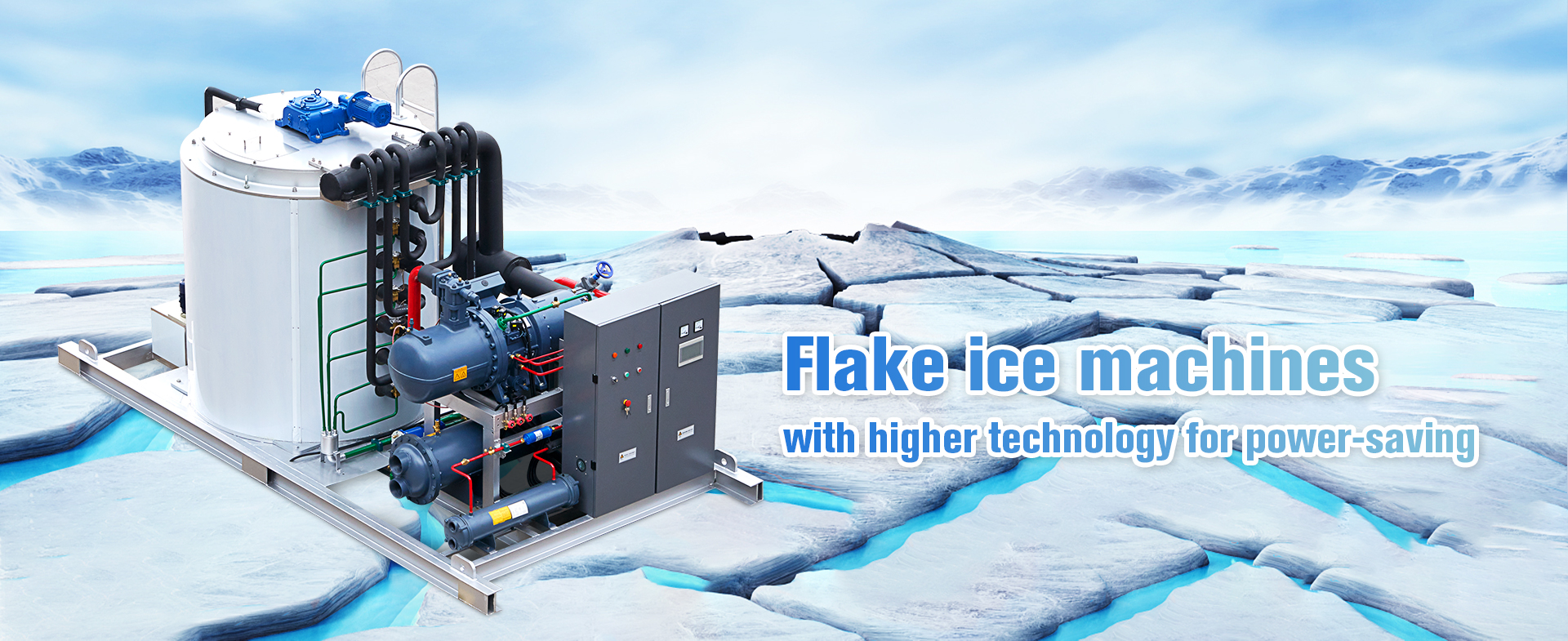
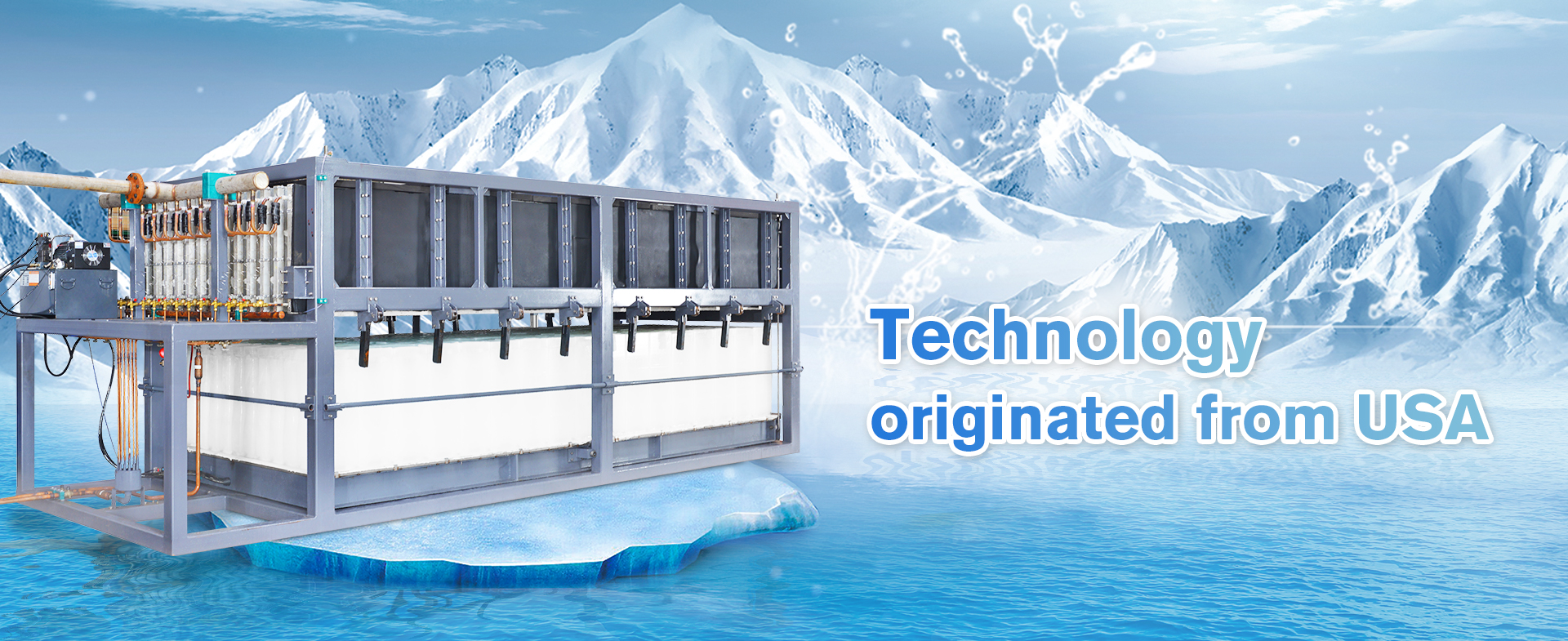
The Ice Flake Machine plays a vital role in various industries, from food processing to healthcare. According to a report by MarketsandMarkets, the global ice machine market is projected to reach $3.96 billion by 2025, with flake ice machines gaining popularity for their efficient cooling and versatility. These machines produce ice flakes that are dry and soft, making them ideal for preserving seafood and enhancing food presentation.
Each Ice Flake Machine operates on a simple yet effective principle. Water is chilled and frozen, and then it's broken into small, thin flakes. This process allows for quick cooling and creates a product that is easy to handle. However, the machines face challenges like maintenance issues and ice production rates, which can vary widely among different manufacturers. Awareness of these factors is essential for industry professionals.
In food service, the demand for reliable ice solutions is ever-growing. Efficient cooling capabilities can improve product quality and shelf life. Yet, not all Ice Flake Machines perform equally. Businesses must assess their needs and choose the right model. Balancing efficiency with cost remains a crucial reflection point for many operators.

What is an Ice Flake Machine? Definition and Overview
An ice flake machine is a specialized device designed to produce small, thin flakes of ice. This type of ice is popular in various industries, including food and beverage, medical, and hospitality. The machine works by freezing water on a cold surface. As the ice forms, it is then broken into small, delicate flakes. These flakes are less dense than cubes, allowing for better cooling and presentation.
In commercial settings, ice flake machines play a crucial role. Restaurants and fish markets often use them to display fresh seafood. The flakes create an appealing look while keeping the food cold. This method helps maintain quality and prolongs shelf life. Ice flakes also reduce the chances of freezer burn, which is a common concern with solid blocks of ice.
Operating an ice flake machine involves ongoing adjustments. Sometimes the ice produced may be too thin or not flake properly. Regular maintenance is key to ensuring consistent results. Different water qualities can also affect ice production. These factors require operators to remain vigilant for optimal performance.
Ice Flake Machine Production Capacity
This chart illustrates the production capacity of various ice flake machine models, measured in kilograms of ice produced per hour. The data highlights the efficiency and varying capacities of these machines, providing insights for potential buyers based on their needs.
The Importance of Ice Flake Machines in Various Industries
Ice flake machines play a crucial role in various industries. These machines produce thin, flat ice flakes that are perfect for cooling and preserving products. The food industry greatly benefits from this type of ice. Ice flakes help maintain freshness in seafood and meats during transportation. They prevent spoilage, making the supply chain more efficient.
In healthcare, ice flake machines are essential as well. They provide ice for cooling during surgeries and medical procedures. The controlled temperature can save lives. However, not all machines are created equal. Some may not produce consistent quality ice. This inconsistency can lead to issues in critical environments. It demands thorough evaluation by users to ensure effectiveness.
Food packaging also relies on ice flakes. They keep products at the right temperature until they reach consumers. Yet, the reliance on ice can be a double-edged sword. If not managed properly, unnecessary waste can occur. Overusing ice can lead to increased costs and environmental impact. It raises questions about sustainability in various industries.
How Ice Flake Machines Produce Ice: The Working Principle
Ice flake machines are fascinating devices used to create small, flat ice flakes. These flakes are lightweight and ideal for cooling. They find use in seafood stores, hospitals, and bars. The machine operates on a simple yet effective principle.
The process begins with water being cooled to below freezing temperatures. Inside the machine, water circulates over a cooling surface. This surface is typically metallic, allowing for efficient heat transfer. As the water flows, it freezes upon contact with the cold surface. Over time, the ice builds up, forming thin flakes. These flakes detach and fall into a storage bin below, ready for use.
While the working principle seems straightforward, there are challenges. Ice consistency can vary due to environmental factors, like water quality and temperature. Sometimes, flakes turn out too thin or uneven. Operators must regularly monitor and adjust the machine to maintain quality. This can be cumbersome and requires attention to detail. The beauty of ice flake machines lies in their simplicity, yet they need fine-tuning to achieve perfection in ice production.
Types of Ice Flake Machines: Horizontal vs. Vertical Designs
Ice flake machines come in two main designs: horizontal and vertical. Each design has unique features suited for specific needs. Horizontal machines are often favored for their efficiency and ease of installation. They can produce large amounts of ice in less time. This feature is beneficial for busy environments, like restaurants or seafood markets, where ice is constantly required. They usually occupy more floor space.
On the other hand, vertical ice flake machines are compact and space-saving. They work well in tight locations, yet still produce quality ice. The vertical design allows gravity to assist in the ice-making process. These machines can be more energy-efficient. However, they may have slightly lower production rates compared to their horizontal counterparts.
Choosing between these designs depends heavily on space, volume needs, and maintenance preferences. Both types have their advantages and challenges. Understanding the specific requirements of your operation can help you make a more informed choice. Reflecting on long-term usage versus initial costs is essential, as is evaluating ice quality. All factors contribute to the overall effectiveness of the ice flake machine in your setting.
Key Components of Ice Flake Machines and Their Functions
Ice flake machines are fascinating devices that produce small, thin ice flakes. These flakes are widely used in food preservation, cooling processes, and even in healthcare. The key components of these machines dictate how effectively they operate.
The evaporator is one of the main parts. It absorbs heat from water, converting it into ice. A compressor is another essential component. It circulates refrigerant and helps maintain the right temperature. This cycle is crucial for efficient ice production. The water reservoir also plays a significant role, holding the necessary water for ice formation.
Fans help distribute the cold air, ensuring even ice distribution. Some machines have a control panel for adjustments. Users may struggle with settings at times. Proper maintenance is vital. Neglecting regular cleaning can lead to inefficiency. It’s important to pay attention to how each component interacts. Regular checks can prevent unexpected breakdowns. Understanding these parts enhances user experience and ice quality.
Efficiency Metrics: Ice Production Capacity and Energy Consumption
Ice flake machines play a vital role in various industries. They produce thin flakes of ice that are used for cooling purposes. When it comes to efficiency, two main metrics stand out: ice production capacity and energy consumption.
The ice production capacity of these machines can vary greatly. Some machines can produce hundreds of kilograms of ice each day. Factors like ambient temperature and machine design greatly influence output. However, not all machines are efficient. Some struggle to reach their stated capacity under certain conditions. This inconsistency can affect operations that rely heavily on a steady ice supply.
Energy consumption is another crucial aspect to consider. Efficient machines use less energy to produce the same amount of ice. Yet, many users overlook this metric, focusing solely on ice output. This can lead to high operational costs over time. Balancing production needs with energy use is essential for sustainability. Finding the right machine requires careful consideration of both capacity and energy efficiency.
What is an Ice Flake Machine and How Does It Work? - Efficiency Metrics: Ice Production Capacity and Energy Consumption
| Machine Type |
Ice Production Capacity (kg/day) |
Energy Consumption (kWh) |
Water Consumption (liters/kg) |
Cooling Method |
| Small Scale Flake Ice Machine |
500 |
5 |
2.0 |
Air Cooling |
| Medium Scale Flake Ice Machine |
2000 |
10 |
1.5 |
Water Cooling |
| Large Scale Flake Ice Machine |
10000 |
30 |
1.2 |
Brine Cooling |
Applications of Ice Flake Machine in Food Preservation and Beyond
Ice flake machines are versatile tools in the food industry. They produce small, crunchy ice flakes that are perfect for various applications. One of their primary uses is in fish preservation. The flakes cover fish quickly, keeping them fresh and visually appealing. This method reduces the risk of spoilage during transportation.
Restaurants and markets also benefit from ice flake machines. They display seafood attractively. Customers are drawn to the glistening ice, which enhances the overall aesthetic. Additionally, these machines aid in preserving fruits and vegetables. The moisture control helps maintain freshness, extending shelf life significantly.
However, there are limitations. Not all ice flake machines produce the same quality of ice. Some may create flakes that melt quickly. This can lead to water pooling, which is not ideal for display. Operators must regularly clean and maintain the machines for optimal performance. These details can significantly impact food presentation and preservation. With proper attention, the benefits can outweigh potential drawbacks.
FAQS
: The article aims to inform readers about a specific topic.
Reading more articles and engaging with experts can be helpful.
Basic knowledge of the subject is beneficial but not mandatory.
Many overlook crucial details; some may rush through the process.
Research is crucial. It helps clarify confusing information.
No, it’s, generally, better to consult multiple sources.
Reflect on the mistakes, and seek feedback for improvement.
There’s no strict timeline. Progress varies for each individual.
Online courses, books, and forums are useful for gaining insights.
Setting small goals and celebrating achievements can boost motivation.
Conclusion
An Ice Flake Machine is a specialized apparatus designed to produce thin, flat ice flakes, which play a crucial role in various industries such as food preservation, healthcare, and entertainment. These machines operate on a simple yet effective principle, cooling water to form ice that is then broken into flakes, making it ideal for applications that require rapid chilling and cooling.
There are typically two designs of Ice Flake Machines: horizontal and vertical, each offering unique benefits based on the production needs. Key components include the evaporator, compressor, and control system, all working together to enhance efficiency and optimize ice production capacity while minimizing energy consumption. The applications of Ice Flake Machines extend far beyond food preservation, contributing to efficient cooling in biological and chemical processes, among other uses.