

0%

In the world of cold beverages, the importance of ice cannot be overstated. A Flake Ice Maker is a significant innovation that enhances the texture and experience of icy drinks, making them more enjoyable and refreshing. According to the International Ice Makers Association, the global ice machine market is projected to reach $3.1 billion by 2025, driven by the rising popularity of ice-based beverages in the hospitality and food service industries. Flake ice, characterized by its soft, flaky texture, not only cools drinks effectively but also blends seamlessly into various beverages, enhancing the overall aesthetic and gustatory experience.

What is a Flake Ice Maker and How Does It Enhance Your Icy Beverage Experience?

The versatility of a Flake Ice Maker makes it a preferred choice among bartenders and restaurateurs, as flake ice is ideal for a wide range of applications—from cocktails to seafood displays. Research indicates that establishments using ice makers experience an increase in customer satisfaction and retention, as the quality of ice directly influences the perception of a drink’s quality. As consumer preferences shift towards unique and high-quality beverage experiences, investing in a Flake Ice Maker becomes a strategic advantage for businesses looking to elevate their service offerings and attract a discerning clientele.

The Mechanics of Flake Ice Makers: Understanding Their Operation and Efficiency

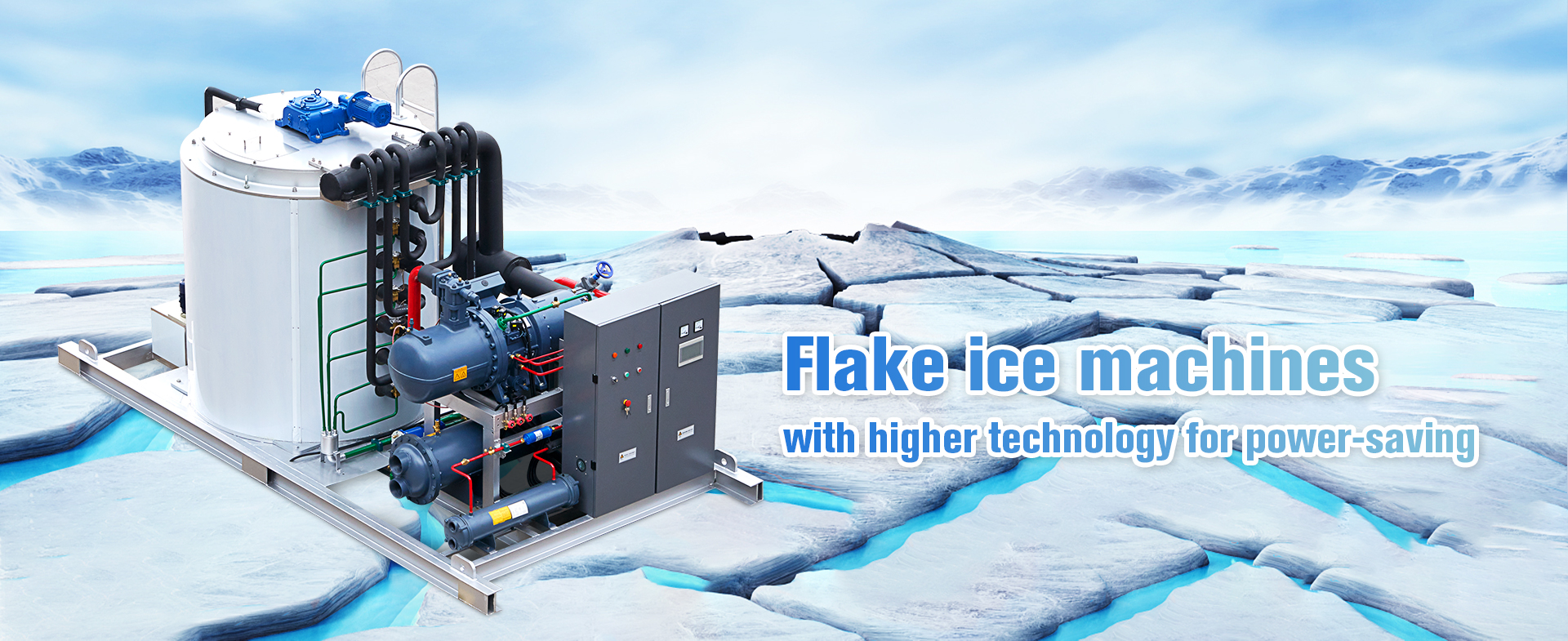
Flake ice makers are engineered to produce soft, slow-melting ice flakes that are essential for enhancing the beverage experience, particularly in the hospitality and foodservice industries. These machines operate by freezing water onto a series of evaporator plates, which are then scraped off to create small ice flakes. According to a report by MarketsandMarkets, the global ice maker market is expected to grow from USD 1.3 billion in 2020 to USD 1.9 billion by 2025, with flake ice machines gaining popularity for their efficiency and versatility.

The efficiency of flake ice makers is measured by their production rates and energy consumption. Typically, these units can produce between 200 to 1,800 pounds of ice per day, depending on the model and application. A study by the International Journal of Refrigeration highlights that flake ice, due to its larger surface area and smaller size, offers faster cooling times compared to traditional cube ice, making it ideal for beverages. Furthermore, flake ice is less likely to clump together, ensuring even distribution when added to drinks, which significantly improves the overall experience for consumers.

Key Features of Flake Ice Makers: Why They Are Preferred in Food and Beverage Industry

Flake ice makers have gained significant traction in the food and beverage industry, primarily due to their unique characteristics that enhance customer experience. The production of flake ice, which is soft, compact, and molds easily into various shapes, allows for better cooling and presentation of beverages. According to the International Ice Association, flake ice is favored for both its aesthetic appeal and its efficiency in cooling drinks quickly without diluting them, making it an ideal choice for cocktails, smoothies, and seafood displays.

Key features of flake ice makers include their compact design, high efficiency, and low energy consumption. Studies show that these machines can produce between 300 to 2,000 pounds of flake ice per day, catering to diverse business scales. Additionally, the use of compressed ice can reduce energy costs by up to 30% compared to traditional cube ice makers. This efficiency not only meets the demanding needs of bustling establishments but also aligns with sustainability goals in the food and beverage sector, where reducing waste and energy use is becoming increasingly critical.

Comparative Analysis: Flake Ice versus Cubed Ice in Food Preservation and Beverage Cooling

Flake ice has emerged as a preferred choice for many food and beverage businesses, particularly in food preservation and beverage cooling. Unlike traditional cubed ice, flake ice is smaller, irregularly shaped, and has a larger surface area, allowing it to cool efficiently and conform to the products it's in contact with. According to the International Journal of Refrigeration, flake ice can reduce the temperature of perishable goods faster and more evenly compared to cubed ice, significantly extending shelf life and maintaining product quality.

In beverage service, flake ice enhances the drinking experience by rapidly chilling beverages without diluting them too quickly. The American Beverage Association indicates that flake ice can cool drinks by up to 30% more effectively than cubed ice, making it particularly popular for cocktails and soft drinks. As the ice melts, its volume doesn’t reduce quickly, providing sustained cooling for longer periods.

**Tips:** When choosing between flake and cubed ice, consider the application: use flake ice for seafood displays and beverages to maximize freshness and presentation. Additionally, for optimal efficiency, ensure that your flake ice maker is well maintained to produce consistent quality ice.

Comparison of Ice Types in Beverage Cooling Efficiency

The chart above compares the cooling efficiency of flake ice versus cubed ice, illustrating that flake ice provides a greater temperature drop in beverages, enhancing the overall icy beverage experience.

Industry Trends: Growth Statistics for Flake Ice Makers in Restaurants and Bars by 2025

The demand for flake ice makers in restaurants and bars is projected to rise significantly by 2025, driven by the growing popularity of specialty cocktails and frozen beverages. Flake ice, known for its fluffy and soft texture, not only enhances the aesthetic appeal of drinks but also improves the overall drinking experience. This ice type allows for faster chilling and provides a refreshing crunch that complements a wide array of beverages, from smoothies to high-end cocktails.

As establishments recognize the benefits of offering a superior ice product, investments in flake ice technology have surged. Industry reports indicate a steady growth trajectory, reflecting a shift in consumer preferences towards higher-quality ice solutions that provide both functionality and style. By integrating flake ice makers into their operations, restaurants and bars can elevate their beverage presentation and customer satisfaction, ultimately leading to increased sales and loyalty.

What is a Flake Ice Maker and How Does It Enhance Your Icy Beverage Experience?

Maximizing Flavor: How Flake Ice Impacts Beverage Texture and Temperature Retention

What is a Flake Ice Maker and How Does It Enhance Your Icy Beverage Experience?Flake ice, known for its unique texture and cooling properties, plays a significant role in enhancing the sensory experience of beverages. Unlike traditional ice cubes, flake ice has a smaller, irregular shape that allows it to fill the gaps in a glass more effectively. This maximized contact increases the surface area of the ice, which contributes to faster chilling while minimizing dilution. As a result, beverages maintain their intended flavor profile for a longer duration, enhancing the overall taste experience.

Moreover, flake ice excels in temperature retention, sustaining ideal serving temperatures for a variety of drinks. Its ability to mold around different vessel shapes ensures that every sip remains refreshingly cold, intensifying flavors and aromas. This characteristic is particularly beneficial for cocktails, smoothies, and soft drinks, where maintaining the drink's original chill can significantly impact enjoyment. By employing flake ice, bartenders and beverage enthusiasts alike can elevate their drink presentations and ensure that every sip captivates the palate.

Environmental Considerations: Energy Efficiency and Sustainability of Flake Ice Production

Flake ice makers are increasingly recognized not only for enhancing the enjoyment of icy beverages but also for their potential in promoting environmental sustainability. These machines, particularly those developed by industry leaders like Guangdong icesnow refrigeration equipment Co., Ltd., play a critical role in efficient ice production. By utilizing advanced technologies, modern flake ice machines minimize energy consumption, producing high-quality ice with a lower carbon footprint. According to a recent industry report, energy-efficient flake ice machines can reduce electricity usage by up to 30%, making them a smart choice for both businesses and eco-conscious consumers.

When considering a flake ice maker, it's essential to look beyond just the initial purchase. Regular maintenance can significantly enhance the machine's energy efficiency and lifespan. Ensure that the unit is cleaned according to the manufacturer’s instructions, and check for proper insulation to prevent energy loss. Additionally, investing in units that utilize natural refrigerants can further lower environmental impact.

Tip: When selecting a flake ice maker, opt for a model with a high energy efficiency rating to minimize operational costs and reduce your environmental footprint. Integrating these technologies into your establishment not only benefits your beverage service but also contributes to a greener planet.

What is a Flake Ice Maker and How Does It Enhance Your Icy Beverage Experience? - Environmental Considerations: Energy Efficiency and Sustainability of Flake Ice Production

Dimension Flake Ice Maker A Flake Ice Maker B Flake Ice Maker C
Energy Consumption (kWh/day) 12 15 10
Production Capacity (kg/day) 300 250 350
Water Consumption (L/kg) 1.5 2.0 1.2
CO2 Emissions (kg/day) 5 6.5 4.5
Noise Level (dB) 55 60 52
Material Sustainability (Recycled Content %) 30% 20% 40%

FAQS

: What are the key benefits of flake ice for the food and beverage industry?

: Flake ice is preferred for its soft texture, compactness, and ability to mold into various shapes, enhancing the presentation and cooling efficiency of beverages without diluting them.

How does flake ice compare to cubed ice for cooling beverages?

Flake ice cools drinks up to 30% more effectively than cubed ice, providing faster chilling without rapid melting, which allows for enhanced flavor and experience.

What is the production capacity of flake ice makers?

Flake ice makers can produce between 300 to 2,000 pounds of ice per day, accommodating various business sizes and demands.

How can flake ice makers contribute to energy savings?

The use of flake ice can reduce energy costs by up to 30% compared to traditional cube ice makers, aligning with sustainability goals by reducing energy consumption and waste.

Why is flake ice preferred for food preservation?

Flake ice has a larger surface area and smaller, irregular shapes, allowing for faster and more even cooling of perishable goods, which extends shelf life and maintains product quality.

What are the projected trends for flake ice makers in the restaurant and bar industry by 2025?

The demand for flake ice makers is expected to rise significantly, driven by the popularity of specialty cocktails and frozen beverages that benefit from superior ice quality and aesthetic appeal.

How should establishments maintain their flake ice makers for optimal performance?

Regular maintenance of flake ice makers is essential to ensure consistent quality and efficiency of ice production.

In what applications is flake ice particularly advantageous?

Flake ice is ideal for use in seafood displays and beverages, maximizing freshness, presentation, and overall customer experience.

How does flake ice enhance the drinking experience?

The fluffy and soft texture of flake ice contributes a refreshing crunch to drinks, improves the aesthetic appeal, and enables quicker chilling of beverages.

What factors should be considered when choosing between flake ice and cubed ice?

Consider the intended application; flake ice is best for seafood and beverages, while cubed ice may be suitable for other uses.

Conclusion

A Flake Ice Maker is a crucial appliance in enhancing the icy beverage experience, known for its efficient operation and unique ice texture. These machines produce flake ice that cools beverages more rapidly and effectively than traditional cubed ice. They are particularly favored in the food and beverage industry due to their superior performance in preserving food freshness and improving drink presentation. As restaurants and bars increasingly adopt flake ice technology, growth statistics indicate a notable rise in their usage by 2025.

Moreover, flake ice makers not only maximize flavor retention but also excel in energy efficiency, making them a sustainable choice for modern businesses. With a strong background in ice production since 2003, Guangdong icesnow refrigeration equipment Co., Ltd. specializes in manufacturing various ice-making machines, including flake ice makers, ensuring quality and reliability for customers seeking to enhance their beverage service with innovative ice solutions.

Clara

Clara

Clara is a dedicated marketing professional at Guangdong Icesnow Refrigeration Equipment Co., Ltd., a leading integrated manufacturer established in 2003. With a strong specialization in the research, design, manufacture, and sale of various ice production equipment—including flake ice machines,......
Previous Ultimate Guide to Choosing the Best Flake Ice Maker Evaporator for Your Business Needs