
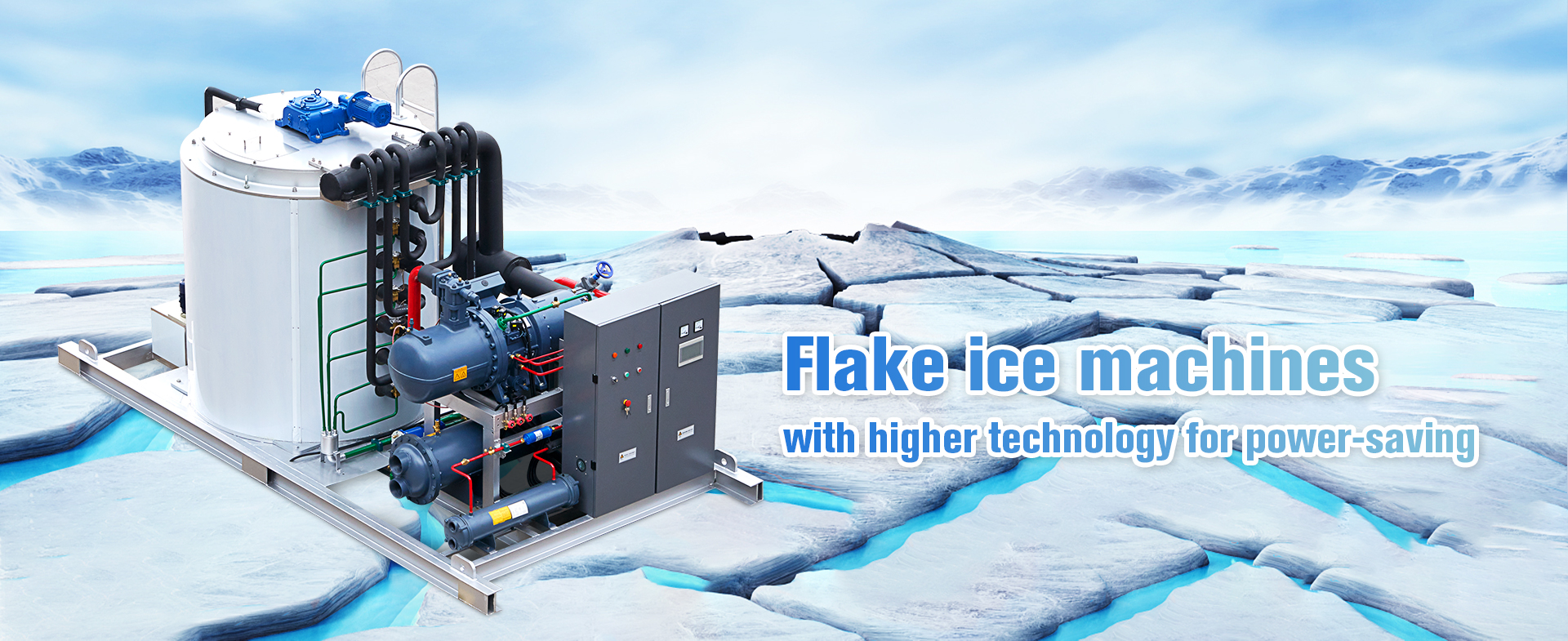
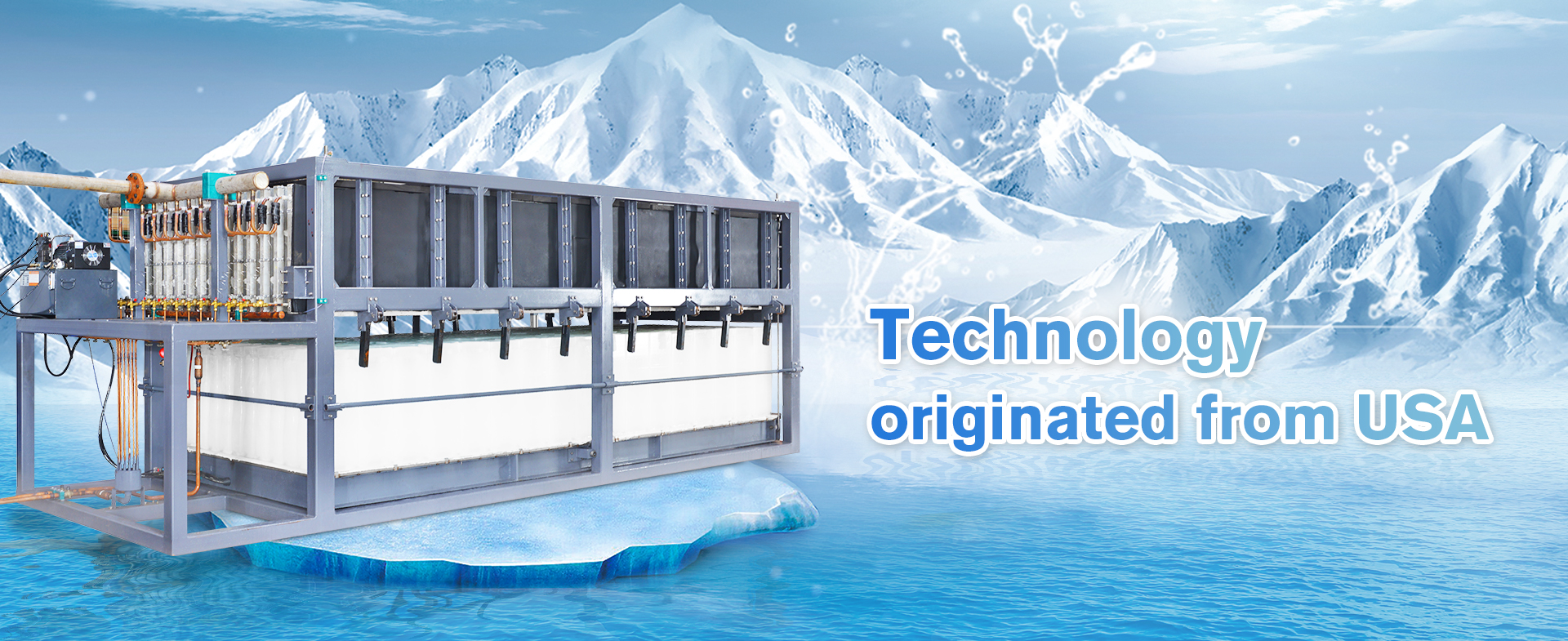

The Flake Ice Evaporator is actually pretty important in a bunch of different industries. Basically, it makes these super thin sheets of ice, which can really make a difference when it comes to preserving food or keeping things cool. It’s not just some machine sitting around — it plays a big role in ensuring products stay fresh and high quality. Companies like IceTech and Arctic Industries, for example, really depend on these systems to keep things running smoothly.
If you understand how a Flake Ice Evaporator works, you’ll appreciate why it’s such a game-changer. It freezes water really quickly, turning it into tiny, thin flakes. These flakes have a massive surface area, which makes them perfect for all kinds of uses. That said, a lot of people tend to forget about regular maintenance, which can cause issues down the line.
It's worth thinking about how we actually use this tech. Even a simple setup can make a big difference when it comes to storing fresh seafood or produce. But at the same time, if we don’t take proper care of the system, problems can pop up. Recognizing that things can go wrong and staying on top of maintenance is key to getting the most out of a Flake Ice Evaporator.
Flake ice is popular across various industries. Its unique properties make it valuable in food preservation, shipping, and healthcare. With a porous structure, flake ice maximizes cooling efficiency. It conforms well to irregularly shaped products. This property helps maintain low temperatures and extends shelf life.
In the seafood industry, flake ice is essential. It can reduce temperature quickly, preserving freshness and quality. According to the International Ice Association, flake ice keeps fish at optimal temperatures, reducing spoilage by up to 30%. Additionally, in the medical field, flake ice plays a critical role. It is used for transporting organs and tissues. Its ability to provide consistent cooling is crucial for patient safety.
However, not every operation utilizes flake ice effectively. Some businesses face challenges in production consistency. Inefficient evaporator systems can lead to ice quality issues. A study from the Food and Agriculture Organization emphasizes the need for proper ice management. This can significantly improve efficiency and safety across industries. Flake ice is not just about cooling; it represents a crucial element in maintaining quality and preventing waste.
Flake ice evaporators are fascinating machines used for ice production. They work by utilizing a refrigeration cycle to freeze water. The key components include the evaporator coil, compressor, and condenser. Water is pumped into the evaporator coil. Here, it meets a cold surface. The cold temperature causes water to freeze into thin flakes of ice.
The compressor plays a crucial role. It recycles refrigerant, absorbing heat from the evaporator coil. This process lowers the temperature of the water. Meanwhile, the condenser releases heat outside the system. The cycle continues, efficiently producing fresh ice flakes.
Tips: Regular maintenance is essential. Check for any ice buildup. This can hinder performance and slow production. Also, monitor the water quality. Impurities can affect ice quality. Make adjustments as needed, keeping the machine running smoothly.
Flake ice evaporators are essential in food storage, providing efficient cooling. These devices produce thin, flat ice flakes that help preserve food freshness. They are commonly used in seafood markets and restaurants. Flake ice has a quick cooling effect, making it ideal for keeping perishables fresh during transport.
There are various types of flake ice evaporators available today. Some are designed for small-scale operations, while others cater to larger industries. Compact models suit fishmongers well, fitting easily in tight spaces. On the other hand, industrial units deliver significant ice production, vital for high-volume businesses. Each type has unique specifications to meet different needs.
Understanding the proper application of flake ice is important. Not all food requires the same cooling method. Seafood benefits greatly from flake ice, but fruits may need different approaches. This variation demands thoughtful planning. Choosing the right evaporator can seem complex. The decision should consider the range of foods you handle and the storage conditions necessary.
Flake ice production is crucial in various industries. Energy efficiency plays a vital role in reducing operational costs. Modern evaporators adopt advanced technologies. These include improved heat exchange systems. The right design can significantly enhance efficiency rates.
Innovations have made it possible to minimize energy consumption. Some systems now use less power than older models. However, the complexities involved can introduce challenges. Maintenance and operational knowledge are key. Without proper understanding, energy savings may not be fully realized.
Industry standards encourage continuous improvement. Various organizations set benchmarks for energy use. Yet, some facilities still struggle to meet these standards. Regular audits can help identify inefficiencies. Tracking performance metrics ensures better energy management over time. Continuous learning and adaptation in flake ice production are essential for success.
Flake ice evaporators are popular for their efficiency and versatility. They produce thin sheets of ice, perfect for food preservation and display. Compared to block or tube ice makers, flake ice systems are more effective in cooling. Their ice is easy to mold and shape, allowing for various applications. However, they may require more maintenance.
When considering flake ice evaporators and other systems, it’s crucial to analyze capacity and energy use. Flake ice systems typically consume more electricity. This can lead to higher operational costs over time. In contrast, block ice systems hold their cold longer but offer less adaptability. A user must decide based on specific needs.
Understanding the nuances of each ice-making system can be challenging. Flake ice evaporators have advantages but might not suit every situation. One drawback is their relatively slower ice production rate. For high-demand scenarios, this could be a setback. Evaluating factors like space, energy efficiency, and ice type is essential for the right choice.
Flake ice evaporators are crucial in various industries. They require consistent maintenance to function effectively. Regular cleaning is essential to prevent ice buildup. Ice can damage internal components if neglected. Schedule inspections periodically to catch issues early.
Operational guidelines include monitoring temperature settings. If temperatures fluctuate, it might affect ice quality. Pay attention to the water supply as well. Insufficient water can lead to inefficient ice production. Adjustments may be necessary if problems arise.
Additionally, check the evaporator's pressure regularly. Low pressure can indicate a refrigerant leak. Document your findings for future reference. This can aid in identifying recurring problems. Maintaining a flake ice evaporator can be challenging. However, addressing these aspects can enhance longevity.
This bar chart illustrates the production of flake ice over the course of the year, showing variation in production levels across different months. The data reflects seasonal trends, with peaks in warmer months when demand for ice increases.
Flake ice technology is evolving rapidly. This trend is driven by increasing demand across various industries. Food preservation, medical applications, and convenience in food service are key areas. Flake ice’s unique shape enhances cooling efficiency. As the market grows, manufacturers are focusing on energy-efficient designs.
Innovation is not without challenges. Many devices lack optimal performance, leading to energy wastage. Consumers may need to consider this when choosing a model. Environmental concerns are also becoming a priority. Eco-friendly refrigerants could play a significant role in new developments.
Market forecasts suggest steady growth in demand. Flake ice machines are expected to capture a larger market share. Emerging markets are likely to drive this growth. Improved technology may lead to increased competition. Companies must adapt to changing regulations and sustainability requirements to remain relevant.
| Dimension | Description | Value | Trend |
|---|---|---|---|
| Production Capacity | Daily ice production | 10,000 kg | Increasing |
| Energy Efficiency | Energy consumption per kg of ice | 50 kWh | Improving |
| Market Size | Global flake ice market value | $1.2 billion | Growing |
| Technology Adoption | Rate of new technologies implemented | 30% | Accelerating |
| End-User Industries | Major sectors using flake ice | Food & Beverage | Stable |
: They produce ice by utilizing a refrigeration cycle to freeze water.
Main components include the evaporator coil, compressor, and condenser.
It cools down water, causing it to freeze into thin flakes of ice.
Maintenance helps prevent ice buildup, which can hinder performance and slow production.
Water quality is crucial. Impurities can lead to poor ice quality.
Flake ice systems usually consume more electricity, increasing operational costs.
They have a slower ice production rate, which can be a drawback in high-demand situations.
Regularly check temperature settings, water supply, and evaporator pressure.
Low pressure may indicate a refrigerant leak. Inspection is necessary.
Making necessary adjustments to temperature and water supply can improve efficiency and longevity.
A Flake Ice Evaporator is a specialized system designed to produce flake ice, which is essential in various industries such as food storage, pharmaceuticals, and concrete cooling due to its ability to pack tightly and maintain temperature. Understanding its mechanism, the main components include the evaporator unit, compressor, and condenser, which work together to create ice by freezing water on a surface and then scraping it off.
Different types of flake ice evaporators cater to specific applications, with a focus on energy efficiency and adherence to industry standards. Maintenance and operational guidelines ensure optimal performance and longevity of these systems. As technology advances, the future trends in flake ice production point towards more energy-efficient systems with enhanced capabilities, promising a robust market forecast for this essential ice-making technology.