
Choosing the right Flake Ice Plant can be challenging. Various factors come into play. Every business has unique needs that impact decisions.
Flake Ice Plants vary in size and capacity. Some are ideal for small businesses, while others suit larger operations. It's important to assess your daily ice requirements. A smaller plant may save money but could fall short on supply during peak times.
Ice quality is another essential aspect. High-quality flake ice lasts longer and provides better cooling. Consider the applications you need the ice for. Will it be used for food preservation or recreational purposes? Reflect on these questions. Making the right choice might not be easy, but understanding your needs can help guide you.
Choosing the right flake ice plant is essential for various businesses. Flake ice is often used in seafood, produce, and healthcare industries. Understanding how these plants operate can help you make an informed decision.
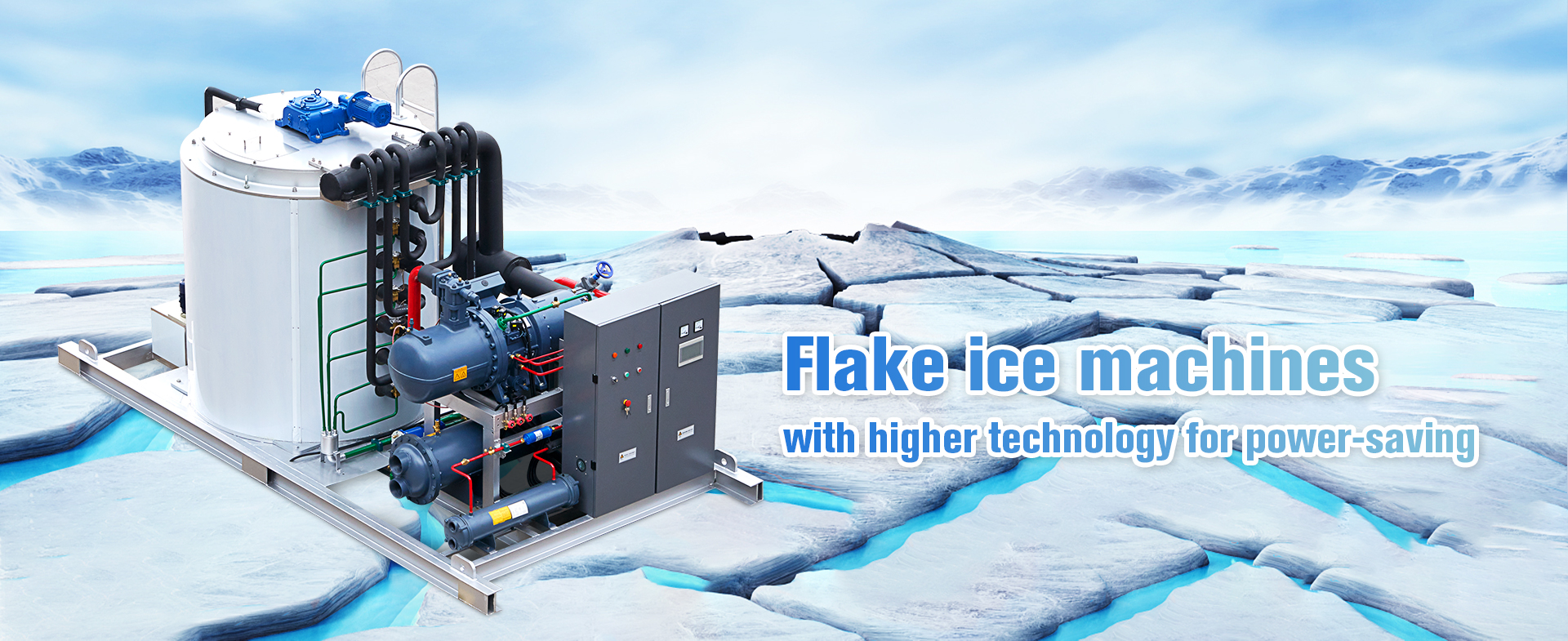
A flake ice plant typically includes an ice maker, a storage bin, and a cooling system. The ice maker freezes water and then breaks it into flakes. These flakes are lightweight and cover items evenly. They offer excellent cooling without crushing or damaging products.
Tips: Consider your production needs. Smaller operations may require a compact model, while larger businesses need a high-capacity system. Look at the ease of maintenance. A more complex setup might lead to frequent downtime, affecting your output.
Another aspect to think about is the energy efficiency of the plant. Many modern units feature advanced technology that minimizes energy consumption. This can lead to significant cost savings. Remember, a lower upfront cost doesn’t always mean a better investment. Reflect on long-term operational expenses.
Identifying your specific ice production needs is crucial when selecting a flake ice plant. Consider the volume of ice required daily. Are you serving a small restaurant or a large seafood market? A smaller output may suffice for a cafe, while a larger operation will need a more robust system. Think about the consistency of your needs too. Seasonal fluctuations can impact demand significantly.
Next, evaluate the applications of the flake ice. Will it be used for preserving fresh seafood, in food display cases, or in industrial processes? Different applications may require different ice qualities. You might experience challenges with ice texture. Finding the right size and shape of flake ice is vital. Too large or too small can create issues. Think about the reliability of the system. Breakdowns can lead to major issues in your operation.
Consider the efficiency of the flake ice plant as well. Energy consumption can accumulate costs over time. Balancing energy use and operational efficiency is a requirement. Reflect on the space available too. A compact design may seem appealing, but it might not accommodate high output needs. Assessing these factors carefully can reveal hidden challenges. Ultimately, understanding your specific requirements enables better decision-making.
When evaluating different flake ice plant technologies, consider the production capacity. Some plants generate up to several tons of ice daily. Others are more compact, ideal for smaller operations. Each design has its advantages and drawbacks. Higher capacity often means larger equipment and increased energy costs.
Tip: Assess your actual ice demand. If you underestimate, you might face operational challenges. Overestimating could lead to unnecessary expenses.
The technology used in flake ice production varies widely. Some units rely on advanced refrigeration cycles. Others may use simpler, traditional methods. Each technology affects efficiency and maintenance. Advanced systems might offer greater reliability, but they can be complex. Basic models might be easier to operate but might not suit all needs.
Tip: Research energy efficiency ratings. A more efficient plant saves money in the long run. But remember, the initial cost may be high. Evaluate your budget against potential savings. Make sure the technology aligns with your business goals.
| Technology Type | Cooling Method | Production Capacity (Tons/Day) | Energy Consumption (kWh/Ton) | Maintenance Level |
|---|---|---|---|---|
| Direct Cooling | Refrigerant Based | 10 | 300 | Low |
| Water-Cooled | Water Circulation | 15 | 350 | Medium |
| Air-Cooled | Air Circulation | 20 | 400 | High |
| Modular Design | Combined Systems | 25 | 450 | Variable |
When selecting a flake ice plant, capacity and size are critical factors. Think about your operational needs. A larger plant produces more ice, which may be necessary for busy periods. Consider the types of products you handle. Different sectors like food processing may require more ice.
Assess the physical space available for installation. If space is limited, a compact model might be ideal. If not, a bigger system could enhance productivity. Calculate your daily ice usage to determine the right capacity. Overestimating can lead to unnecessary costs. Underestimating risks running out during peak hours.
Keep in mind that installation requires proper planning. Connections to water sources and power must be accessible. Poor installation can affect efficiency and output. It’s also essential to evaluate future growth. Your needs may evolve, and it’s wise to choose a system that can adapt accordingly. This balance between current capacity and potential growth should guide your choice.
When choosing a flake ice plant, energy efficiency is critical. Look for models that offer advanced technology, as they typically consume less energy. A well-designed unit should operate efficiently, reducing your overall costs. Operating costs are affected by the electricity needed to run the equipment. Poor energy efficiency can quickly inflate expenses. Consider the long-term impact of your choice.
Tips: Check the energy rating of each model. Higher ratings often mean better savings. Be sure to evaluate the size of the plant too. A larger plant than needed wastes energy. Also, pay attention to maintenance requirements. Regular upkeep can improve efficiency over time.
Operating costs also include water usage. Some plants use more water than others. Compare water consumption rates as part of your assessment. It can lead to significant savings. Keep in mind the local climate. Cooler regions might require less energy for cooling. Understand how your environment affects operations as well.
When selecting a flake ice plant, maintenance is crucial. Look for equipment that is easy to clean. Regular cleaning helps prevent contamination. Check if the plant has accessible parts for repairs. Difficult-to-reach components can lead to costly downtime. A design that allows for easy maintenance will save time and money.
Support matters too. Inquire about the service options available. Some suppliers may offer 24/7 support. This can be essential during peak operating times. Consider training for your staff as well. A well-trained team will manage maintenance more effectively. Gather user feedback on the support experience. It’s important to know what others have faced. Poor support can lead to operational challenges.
Think about the long-term costs of maintenance. Look for plants that use common parts to simplify repairs. Custom or rare components may increase trouble. Understand the potential challenges. Sometimes, what seems like a bargain can lead to headaches. Prioritize your needs and be realistic about expected performance.
When selecting a flake ice plant, considering manufacturer reputation is key. A well-respected manufacturer often signifies reliability and quality. Look for awards or certifications that they may have received over the years. This can provide insights into their manufacturing processes.
Customer feedback adds another important layer to your decision. Reviews from other users highlight real-world experiences with the equipment. Pay attention to recurring comments, whether they praise efficiency or point out issues. Some customers may complain about maintenance challenges after a few months. This information can be crucial for managing expectations.
Not all feedback is formed equally. Some reviews may come from enthusiastic buyers with limited experience. Other comments might seem overly negative. Analyzing these perspectives helps in making an informed choice. It’s wise to balance both positive and negative feedback to get a well-rounded view. Consider reaching out to previous buyers if possible. Personal stories often reveal realities that ratings alone cannot.
: Users enjoy convenience and efficiency. Remote access saves time and boosts productivity.
Data security is a priority. However, no system is completely foolproof. Users should remain cautious.
Yes, users can adjust settings. Some features may not be available for every user.
Technical support is available. Response times vary, and some issues may require patience.
A trial period is typically offered. It allows users to explore features but may have limitations.
Updates occur regularly to improve functionality. However, some changes may disrupt familiar workflows.
Password recovery options exist. Users might find the process frustrating at times.
Yes, access from different devices is allowed. Connectivity issues can occur, so be prepared.
Premium features usually incur extra fees. Some users may feel overwhelmed by costs.
Feedback mechanisms are in place. Response may not be immediate, which can be disappointing.
When selecting the best Flake Ice Plant for your specific needs, it's essential to understand the fundamentals of these ice production systems. Start by identifying your ice production requirements, including the volume and frequency needed for your operations. Evaluate the various technologies available in flake ice plants, as they can differ significantly in performance and efficiency.
Additionally, consider the capacity and size of the ice plant to ensure it fits seamlessly into your operational setup. Energy efficiency and operating costs are crucial factors that can impact your budget, so analyze these aspects carefully. Don’t overlook maintenance requirements; understanding the level of support available can save you time and resources. Finally, review the reputation of manufacturers and customer feedback to ensure you make an informed decision that aligns with your operational goals.