
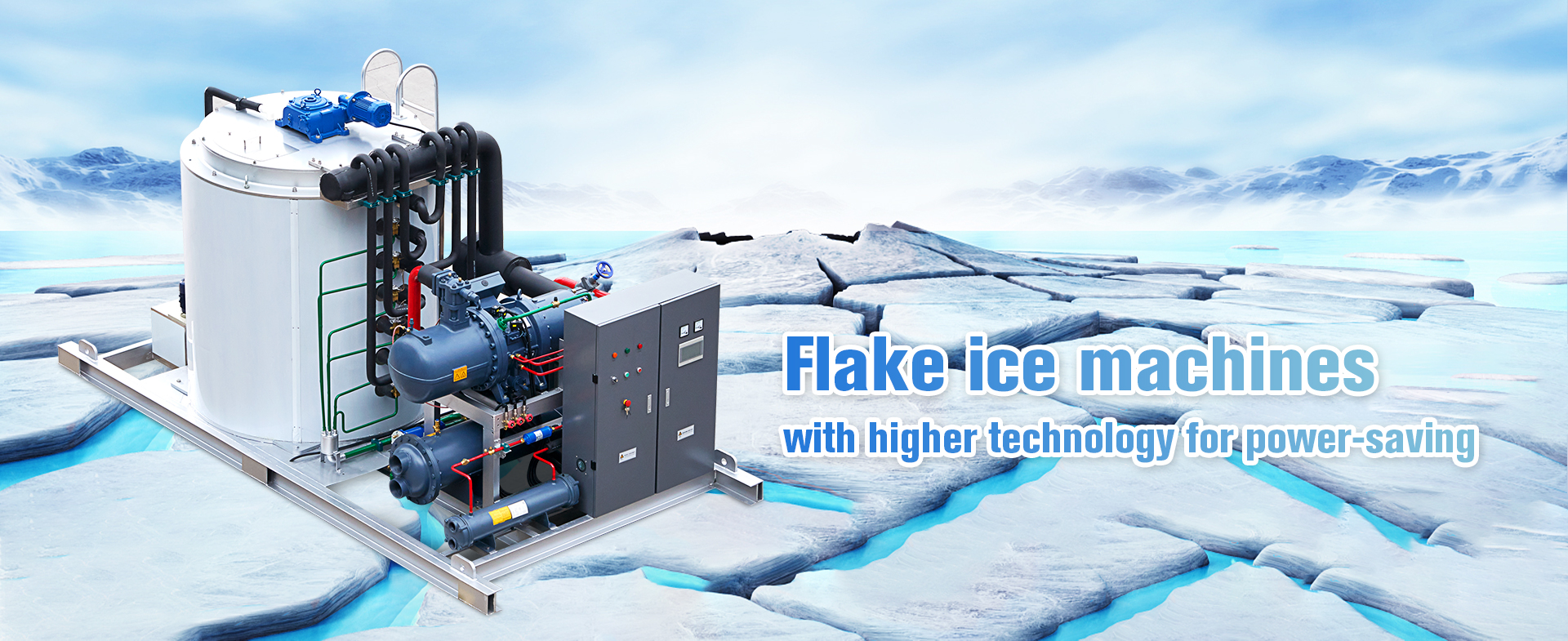
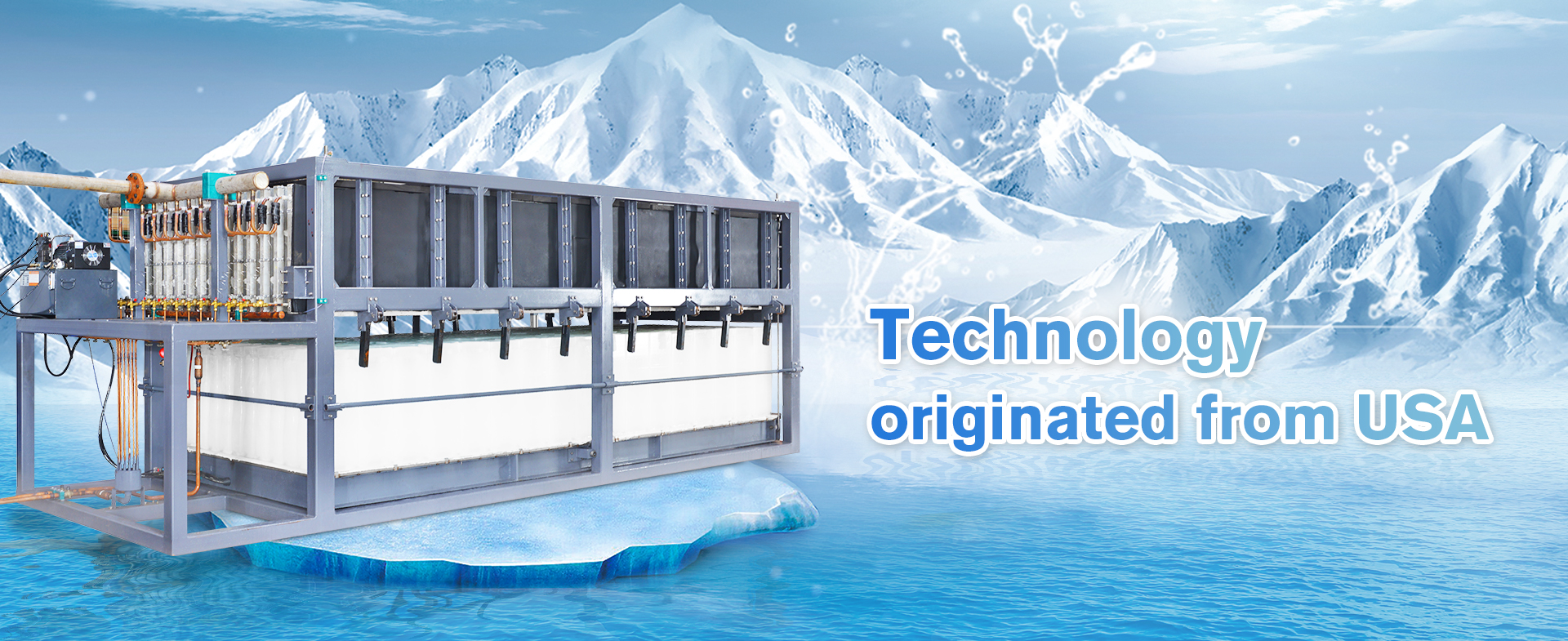

Selecting the right Flake Ice Machine for your business can significantly impact your operational efficiency and customer satisfaction. With various options available on the market, understanding your specific needs and the features of each machine is crucial. Flake ice is preferred in numerous industries, including food service, seafood, and healthcare, due to its ability to cool products quickly and to conform easily to various shapes, making it an ideal choice for many applications.
When considering a Flake Ice Machine, businesses must evaluate factors such as production capacity, energy efficiency, maintenance requirements, and size. Additionally, understanding the variety of machines available, including their design and technology, can help you make an informed decision that aligns with your operational goals. This guide aims to provide insights into the key considerations for selecting a Flake Ice Machine that not only meets your current demands but also supports future growth.
Flake ice is an essential component for various industries, including food processing, seafood, and beverage services. It plays a critical role in maintaining product freshness, ensuring food safety, and enhancing presentation. According to the International Institute of Refrigeration, flake ice has a unique ability to mold around products, providing superior surface area coverage and faster cooling rates than traditional cube ice. This characteristic makes it particularly beneficial for businesses that require efficient temperature control, such as those in the perishables market.
Moreover, the demand for flake ice is on the rise. A study by the Specialty Ice Coalition indicated that industries relying on flake ice reported a 20% increase in operational efficiency due to reduced spoilage rates and enhanced inventory management. For instance, seafood markets utilize flake ice to maintain the quality of their products for extended periods, ultimately leading to higher customer satisfaction and retention. The data highlights that businesses equipped with advanced flake ice machines can optimize their operations, making them vital investments for any establishment that prioritizes quality and service in their offerings.
When selecting a flake ice machine for your business, several key factors must be taken into account to ensure it meets operational needs and improves efficiency. First, consider the production capacity of the machine. Depending on your business type—be it a seafood market, a restaurant, or an event catering company—you may require ice in varying volumes.
According to industry reports, establishments such as seafood markets typically need between 700 to 1,500 pounds of flake ice daily. Therefore, understanding your specific ice demand is crucial to avoid operational bottlenecks.
Another important consideration is the machine's energy efficiency and water usage. With rising costs and increasingly strict environmental regulations, businesses are now prioritizing eco-friendly options. Industry data indicates that energy-efficient flake ice machines can reduce operational costs by up to 30% over traditional models. Furthermore, machines with advanced technologies may use up to 50% less water while maintaining the same ice output. Evaluating these factors not only enhances sustainability but also aligns financial expenditures with long-term savings, making it an essential aspect of selecting the right flake ice machine for your operations.
When selecting a flake ice machine for your business, it’s crucial to understand the different types available in the market. Generally, flake ice machines can be categorized into two main types: water-cooled and air-cooled machines. Water-cooled machines are ideal for environments where water is readily available and can be efficiently drained away. They typically provide a higher ice production capacity and operate quietly, making them perfect for restaurants and supermarkets that require large quantities of ice.
On the other hand, air-cooled machines are better suited for locations with limited water supply. They rely on ambient air to cool the refrigerant and are generally more energy-efficient. While their ice production might be lower compared to water-cooled units, they are easier to install and require less maintenance. For smaller operations such as cafes or bars, air-cooled flake ice machines can be a practical and cost-effective choice.
Tips: When choosing a flake ice machine, consider the size of your business and your specific ice needs. Evaluate the machine's production capacity before making a decision. Additionally, think about the installation requirements and maintenance demands to ensure you select a machine that fits seamlessly into your operations.
When choosing the best flake ice machine for your business, assessing the ideal production capacity is crucial. The production capacity of an ice machine should align with your daily operational requirements and the volume of ice you anticipate needing. Start by evaluating your peak usage times—consider factors such as the number of customers, types of services offered, and the volume of products requiring ice. This assessment will help you determine whether you need a machine that produces a few hundred pounds daily or one that can handle several tons.
**Tips:** It's wise to forecast demand during your busiest months. If your business is seasonal, consider a machine that can scale production according to varying needs. Additionally, keep in mind the space you have available for the machine; a larger capacity machine may be enticing, but ensure it fits within your operational area without causing disruption.
Once you have a clear understanding of your ice requirements, look for machines that offer a reliable ice output. Measurements like pounds of ice produced per day can provide a quantified benchmark to help you choose. Furthermore, investing in a machine with a slightly higher capacity than your maximum expected need can help you avoid downtime during peak periods. Getting this balance right is essential for smooth operations and customer satisfaction.
When selecting the best flake ice machine for your business,
one of the critical factors to consider is energy efficiency.
An energy-efficient machine not only helps to reduce your carbon footprint but also significantly cuts down on operating costs over time.
Look for machines that are certified by recognized energy-saving programs, as these often highlight superior performance and lower energy consumption.
Additionally, consider the machine’s production capacity in relation to your business needs, as a well-matched system will operate more efficiently without wasting energy.
Tips: For optimal energy efficiency, regularly maintain your ice machine by cleaning the condenser coils and checking the water filter. This will ensure the machine runs smoothly and uses energy effectively. Also, consider investing in a machine with advanced features that allow for programmable operations, enabling you to maximize production during off-peak hours and minimize energy use when demand is low.
Operating costs can vary significantly based on the machine's design and operational parameters. Pay close attention to factors like water usage and the type of refrigerant used, as these can impact not only the initial purchase price but also long-term expenses.
Understanding the total cost of ownership, which includes maintenance, energy, and potential repair costs,
will help you make a more informed decision that aligns with your budget and operational goals.
Tips: Monitor your ice production trends and adjust your usage patterns accordingly. This can help achieve cost savings by aligning your output with demand and avoiding excess usage that leads to unnecessary expenses.
When selecting a flake ice machine for your business, it is crucial to consider maintenance and durability to ensure long-term usability and efficiency. Regular maintenance not only prolongs the lifespan of the ice machine but also guarantees consistent performance. This includes routinely cleaning the machine, checking the water supply, and inspecting the refrigeration system to preemptively address any potential issues. A machine that is easy to access for repairs facilitates smoother operations and minimizes downtime, which is especially important for businesses where ice production is critical.
Durability is another vital factor, as the environment in which the ice machine operates can significantly impact its performance. Machines designed with robust materials and components can withstand the rigors of frequent use and varying temperature conditions. Additionally, evaluating the machine's insulation and overall build quality can provide insights into its energy efficiency and ability to produce ice under different demands. By prioritizing these maintenance and durability considerations, businesses can select a flake ice machine that not only meets their immediate needs but also stands the test of time, providing reliable service without incurring excessive operational costs.
| Feature | Description | Maintenance Frequency | Durability Rating |
|---|---|---|---|
| Ice Production Capacity | Daily output of flake ice suitable for various businesses | Monthly checks | Excellent |
| Energy Efficiency | Lower energy consumption models | Annual review | Good |
| Size and Space Requirements | Footprint that fits within available workspaces | Occasional evaluation | Fair |
| Ease of Use | User-friendly interface and controls | Weekly checks | Excellent |
| Build Quality | Materials that withstand frequent use | Quarterly inspections | Very Good |
When choosing the best flake ice machine for your business, it’s essential to compare the leading brands and models available in the market. Each manufacturer brings unique features to their machines, catering to various needs across industries such as food service, seafood distribution, and healthcare. A key aspect to consider is the production capacity; machines vary in the amount of flake ice they can produce within a specified time frame. For a high-demand setting, opting for a model with a larger output can significantly enhance operational efficiency.
In addition to production capacity, you should evaluate the energy efficiency and maintenance requirements of different machines. Some models are designed with advanced technology that minimizes energy consumption, translating to lower operational costs over time. It's also crucial to review how easy the machines are to clean and maintain, as efficient maintenance can extend the lifespan of the equipment and ensure consistent ice quality. By carefully comparing these features among leading brands, you can make an informed decision that aligns with your business needs and operational goals.
: Flake ice is a type of ice that is particularly beneficial for industries such as food processing, seafood, and beverage services, as it helps maintain product freshness, ensures food safety, and enhances presentation by covering products more effectively than traditional cube ice.
Industries that use flake ice have reported a 20% increase in operational efficiency due to reduced spoilage rates and better inventory management, leading to improved customer satisfaction and retention.
Key factors to consider include the production capacity needed based on your business type, energy efficiency, and water usage of the machine to minimize operational costs and align with environmental regulations.
Assess your daily operational requirements, peak usage times, customer volume, and products needing ice to evaluate the amount of flake ice needed, ensuring the machine's capacity matches these demands.
Energy-efficient flake ice machines can reduce operational costs by up to 30% and may use 50% less water while maintaining the same ice output, promoting sustainability and long-term savings.
Yes, forecasting demand during busy seasons is important, and you may want to consider a machine that can scale its production to accommodate varying needs throughout the year.
Seafood markets usually require between 700 to 1,500 pounds of flake ice daily, which should be factored into your choice of machine capacity.
Investing in a machine with slightly higher capacity can help you avoid downtime during peak periods, ensuring smooth operations and maintaining customer satisfaction.
By keeping perishables at the proper temperature and extending their shelf life, flake ice plays a crucial role in preventing spoilage and ensuring food safety across various industries.
When selecting the best flake ice machine for your business, it is essential to understand the significant role flake ice plays in various applications. This type of ice is favored for its ability to cool items rapidly, making it ideal for seafood markets, restaurants, and medical facilities. Key factors to consider include the production capacity needed to meet your specific demands, the energy efficiency of the machine, and the overall operating costs involved.
Additionally, the durability and maintenance requirements of flake ice machines should not be overlooked, as these aspects directly affect long-term performance and reliability. With various types of flake ice machines available in the market, it is crucial to assess each option carefully. By comparing the leading models, businesses can find the most suitable flake ice machine that aligns with their operational needs and budget.