

0%

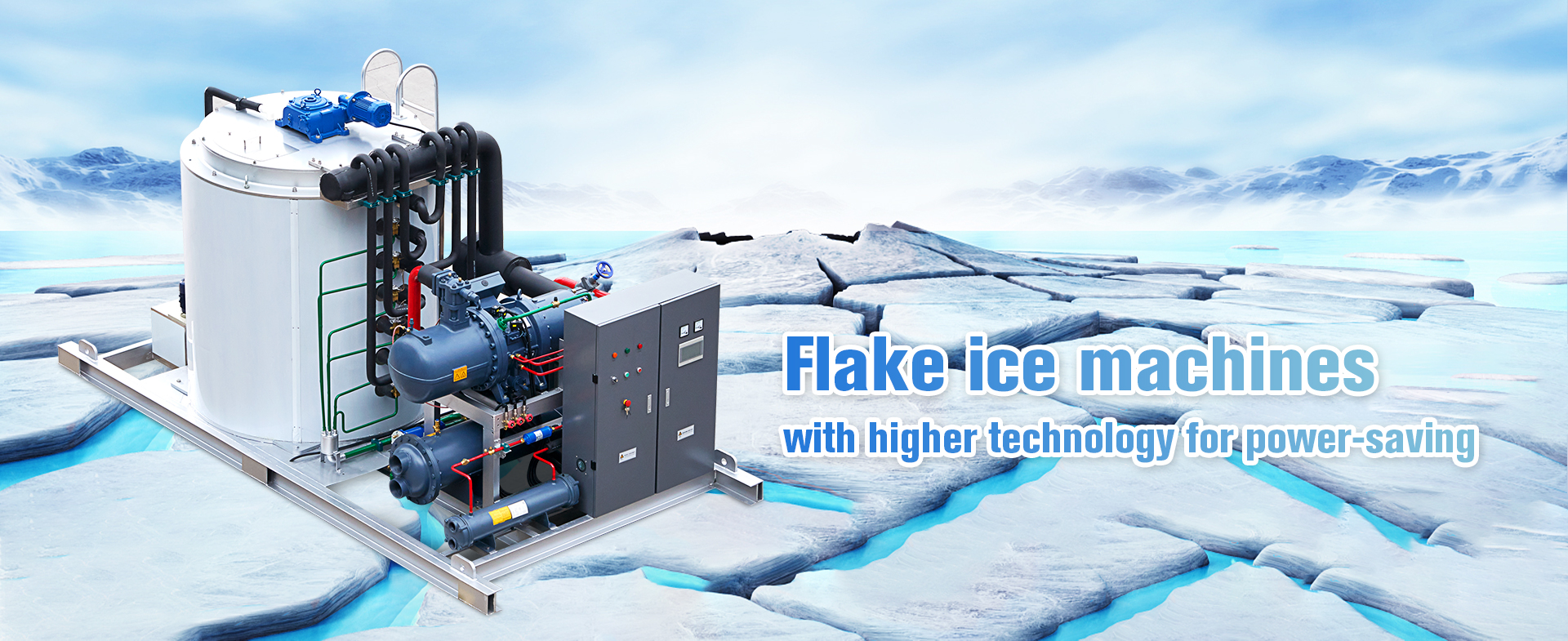
The Seawater Flake Ice Machine really is a game-changer across various industries. It manages to blend efficiency with sustainability in a way that's pretty impressive. What’s cool about it is that it uses seawater—an almost unlimited resource—to make ice flakes. And let’s be honest, that ice is super important for things like seafood preservation and running busy restaurants. Lots of businesses are seeing how cost-effective this machine can be, which is a big plus.

Using seawater in ice making definitely helps cut down on freshwater use, which is a big win for the environment. But here’s the thing—keeping these machines in good shape can be tricky. They need regular cleaning to prevent salt from building up, which could mess with how well they work. Still, the ice it produces is pretty lightweight and versatile, making it easy to store and move around without much hassle.

If a business decides to go with the Seawater Flake Ice Machine, it can really boost operational efficiency. Of course, it’s worth weighing the initial cost against the potential savings over time. On the environmental side, using seawater is definitely a step forward. But, honestly, understanding all those long-term benefits takes some careful thought—nothing’s perfect, after all.

Top 5 Benefits of Using Seawater Flake Ice Machine?

Advantages of Seawater Flake Ice for Seafood Preservation

Seawater flake ice is a game-changer for seafood preservation. This type of ice is made from seawater, which contains natural minerals. These minerals help in maintaining the quality and taste of seafood. Fresh seafood stays chilled without damaging its texture. This ice type also melts slowly, ensuring the catch remains frozen longer.

Tips for using seawater flake ice: Always fill your ice bins to the top. This maximizes cooling efficiency. Regularly check the temperature of the stored seafood. It should stay below 32°F to prevent spoilage. Consider using a thermometer as a reliable tool.

When transporting seafood, seawater flake ice is ideal. It packs tightly around the products, creating a layer of cold. However, the production process might be inconsistent. Some machines may not produce ice of the same quality every time. Regular maintenance is key to achieve optimal performance. Keep an eye out for unusual ice textures or cloudy formations.

Energy Efficiency of Seawater Flake Ice Machines Compared to Traditional Units

Top 5 Benefits of Using Seawater Flake Ice Machine?

Seawater flake ice machines are gaining popularity for their energy efficiency. They use seawater as a primary source, reducing energy consumption significantly. Traditional ice machines often rely on freshwater, which can be more demanding on resources. By using seawater, these machines can produce ice while minimizing electricity usage. This is crucial for businesses looking to lower operational costs.

Tips: Regular maintenance is key. Clean the machine often to ensure optimal efficiency. Poor maintenance can lead to higher energy use. It's essential to monitor the salt levels in the seawater. High salt content can affect ice quality and machine performance.

Another advantage is the availability of seawater. In coastal areas, seawater is abundant. Businesses can utilize this resource without worrying about shortages. However, be aware of local regulations regarding seawater use. Not all regions permit its extraction. Understanding these rules is vital for sustainable operation.

In conclusion, while the advantages are clear, businesses must also consider challenges. The initial investment may be high. Energy savings might take time to offset this cost. Therefore, careful consideration is essential before making a switch.

Cost-Effectiveness of Using Seawater for Ice Production

The cost-effectiveness of using seawater for ice production cannot be overstated. Seawater is abundant and readily available. This resource significantly lowers operational costs compared to using freshwater. Many industries rely on flake ice, and seawater machines can produce this type efficiently.

Using seawater can cut expenses for businesses. The initial investment in equipment may seem high, but long-term savings accumulate. Resources are conserved, and energy consumption is optimized. However, some might worry about the ice's purity. This concern requires thoughtful consideration. Businesses need to ensure safety standards are met for their specific applications.

Furthermore, maintenance can be tricky. Seawater machinery needs attention to avoid corrosion. Regular checks are essential to prolong equipment life. Ignoring maintenance can lead to higher costs later on. It's crucial to find the right balance between cost savings and operational reliability.

Environmental Impact of Seawater Flake Ice System Operations

Seawater flake ice systems offer a unique approach to ice production. They use natural seawater, making them more sustainable. This method reduces reliance on freshwater sources, which is vital in water-scarce regions. The process has a lower energy consumption compared to traditional ice machines. This reduction can help minimize the carbon footprint associated with ice production.

However, there are environmental considerations to address. Seawater can contain impurities and biological materials. These substances may affect ice quality and marine ecosystems. Regular maintenance and monitoring of the system are crucial to mitigate any negative impacts. Operators must remain vigilant to ensure that the surrounding environment is protected.

The use of seawater ice raises questions about regulations and practices. Not everyone understands the implications of using seawater. There is a need for public awareness on the environmental benefits and potential risks. A balanced approach will encourage sustainability while ensuring ice quality. It’s essential to keep asking how we can improve these systems.

Top 5 Benefits of Using Seawater Flake Ice Machine

Benefit Description Environmental Impact
Cost Efficiency Utilizes abundant seawater, reducing overall operational costs. Less energy required for ice production compared to traditional methods.
Sustainability Harnesses natural resources, promoting eco-friendly practices. Minimizes freshwater usage and promotes conservation.
Quality Ice Production Produces high-quality flake ice ideal for preservation. Efficient cooling helps reduce spoilage in seafood and other perishables.
Reduced Carbon Footprint Lower emissions due to efficient energy use. Contributes to global efforts in combating climate change.
Versatility Can be used in various industries including seafood, agriculture, and logistics. Facilitates eco-friendly practices across multiple sectors.

Versatility of Seawater Flake Ice Across Various Industries

Top 5 Benefits of Using Seawater Flake Ice Machine?

Seawater flake ice machines provide crucial benefits across various industries. The seafood industry, in particular, heavily relies on this type of ice. According to a 2022 report by the Food and Agriculture Organization (FAO), proper ice storage can reduce spoilage by up to 30%. This extends the freshness of seafood, enhancing product quality and market value.

In the agriculture sector, seawater flake ice helps in preserving perishable goods. A recent study highlighted that the use of ice reduces crop spoilage by nearly 40%. By maintaining optimal temperature, it effectively prolongs shelf life, even during transportation. However, some farmers still overlook this resource, missing out on significant savings and quality improvements.

Additionally, the construction industry benefits from seawater flake ice for concrete cooling. The American Concrete Institute states that controlling concrete temperature can improve strength. Yet, many contractors still opt for traditional cooling methods, which can be less efficient. They often face challenges in temperature management, leading to potential structural issues in the long run. Ultimately, integrating seawater flake ice into these industries presents opportunities for enhanced efficiency and quality, though challenges remain in broader adoption.

Ease of Maintenance and Operation of Seawater Ice Machines

Seawater flake ice machines are gaining popularity. Their ease of maintenance is a key advantage. Users find these machines simple to operate. Regular upkeep requires minimal effort. Compared to traditional machines, this reduces downtime. Operators can focus on productive tasks instead.

The design of seawater ice machines aids in user-friendliness. Many have intuitive controls and indicators. This simplifies the process for new users. However, there can be a learning curve for some operators. Not all machines are equally straightforward. It's essential to assess each model carefully.

Maintaining these machines can be overlooked. Users often forget to clean components regularly. This can lead to inefficiencies over time. It’s vital to establish a routine. Scheduling maintenance checks can prevent bigger problems. An engaged user will ultimately enjoy better performance and longevity.

Quality of Ice Produced: Why Seawater Flake Ice is Superior

Seawater flake ice is becoming popular for various applications. The ice produced has unique qualities that set it apart. One of the key advantages is its purity. Unlike regular ice, seawater flake ice is made from filtered seawater. This process results in ice that is free from contaminants typical in freshwater ice. The ice produced maintains a consistent texture, enhancing its effectiveness in cooling.

The cooling efficiency of seawater flake ice is another highlight. It provides a lower temperature than regular ice, which is beneficial in preserving perishable goods. In the seafood industry, for instance, it helps extend the shelf life of fish. Its flake form covers surfaces better, ensuring even cooling. However, some users find it challenging to manage the melting rate.

Additionally, the uniqueness of seawater flake ice lies in its size. The flakes are thin and light, clinging better to products. This characteristic is not always ideal for all industries. In some cases, larger ice pieces are needed for specific preservation methods. Thus, while seawater flake ice is effective, its versatility can vary.

Top 5 Benefits of Using Seawater Flake Ice Machine

FAQS

: What are the benefits of seawater flake ice machines?

: They are easy to maintain and operate. Users enjoy reduced downtime.

How easy is it to operate these machines?

Many machines have intuitive controls. However, some users may experience a learning curve.

Is regular maintenance important for seawater ice machines?

Yes, regular cleaning prevents inefficiency. Establishing a maintenance routine is crucial for optimal performance.

What makes seawater flake ice different from regular ice?

Seawater ice is made from filtered seawater. This results in purer ice without contaminants.

How does seawater flake ice perform in cooling?

It provides lower temperatures, beneficial for preserving perishable goods. Its flake form ensures even cooling.

Are there any challenges with seawater flake ice?

Some users struggle with managing its melting rate. It's not always suitable for all preservation methods.

Why might some users prefer larger ice pieces?

Certain industries require larger ice for effective preservation. Flake ice may not meet all needs.

What should users keep in mind about ice quality?

Consistent texture is a benefit. However, the versatility of seawater ice can vary by application.

How can users enhance their experience with seawater ice machines?

Engaging in regular maintenance improves performance. Taking time for checks can extend machine longevity.

Conclusion

The "Seawater Flake Ice Machine" offers numerous advantages that make it an ideal choice for various industries, especially in seafood preservation. One of the key benefits is its energy efficiency, as these machines consume less power compared to traditional ice production units. Additionally, utilizing seawater for ice production proves to be cost-effective, reducing operational expenses while maintaining high-quality ice.

Moreover, the environmental impact of seawater ice systems is significantly lower, contributing to sustainable practices. The versatility of seawater flake ice extends beyond seafood, finding applications in sectors such as construction and pharmaceuticals. Finally, these machines are designed for ease of maintenance and operation, ensuring that users can consistently rely on the superior quality of ice produced. Overall, the Seawater Flake Ice Machine stands out as a practical, efficient, and eco-friendly solution for ice production across various industries.

Sophie

Sophie

Sophie is a highly skilled marketing professional at Guangdong Icesnow Refrigeration Equipment Co., Ltd., an esteemed integrated manufacturer established in 2003. With an extensive background in the refrigeration industry, she possesses deep knowledge and expertise in the company's core products,......
Previous Ultimate Guide to Choosing the Best Flake Ice Maker Evaporator for Your Business Needs