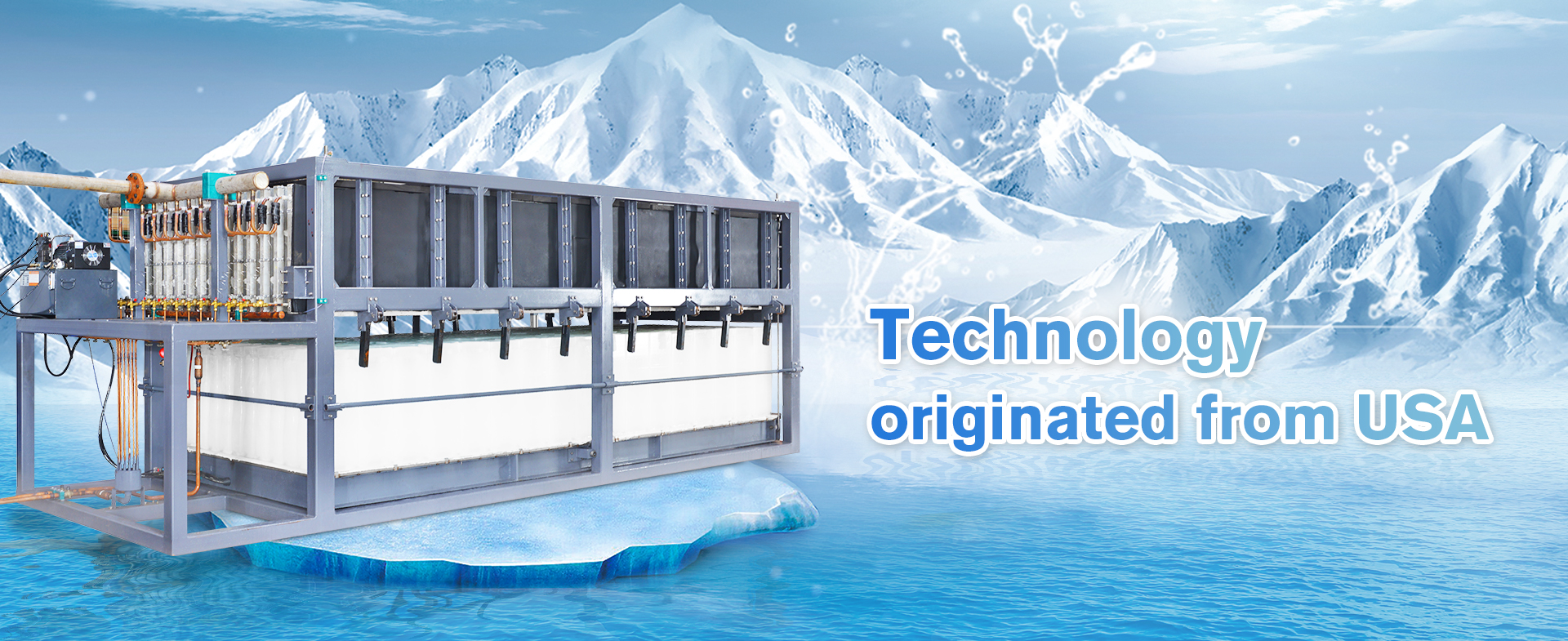

Choosing the right 10-ton tube ice machine can really make a difference for businesses in the food and beverage game. Honestly, with so many options out there—like IceTech, CoolSolutions, and others—it can feel pretty overwhelming trying to figure out which one fits best. I get it; it’s not exactly a walk in the park!
When you're thinking about investing in a 10-ton machine, it’s super important to think about what you actually need. Things like how much ice you need daily and how efficient the machine is can make a big difference. Oh, and don’t forget to check the quality of the ice it produces. Some models might churn out a ton of ice, but if the quality isn’t up to snuff, that’s kind of pointless, right?
Getting a handle on these factors can really help you make a smarter choice. That said, a lot of folks overlook the maintenance side of things—which is a huge mistake. If you don’t take care of your equipment, it’s bound to break down faster than you’d like. So, this guide is here to help you untangle all that info, so you can pick the perfect 10-ton tube ice machine without all the stress. Trust me, a little research now can save you a lot of headaches later.
Understanding ton tube ice machines is essential for industries like seafood, beverages, and food processing. These machines provide large quantities of ice efficiently. Data from industry reports indicate that the demand for ice production is projected to grow by 5% annually over the next five years. This growth emphasizes the need for reliable equipment.
When selecting a ton tube ice machine, consider ice production capacity and energy efficiency. Many models produce over 10 tons of ice daily. A noteworthy factor is the energy consumption. Industry standards suggest that machines with high energy efficiency ratings can reduce operational costs significantly.
Tips: Look for machines that balance capacity with energy use. Regular maintenance can also extend equipment life. Take time to understand your specific ice needs to avoid over-purchase. It's easy to misestimate how much ice is required during peak seasons.
When purchasing a ton tube ice machine, focus on essential features. One critical aspect is production capacity. You need a machine that meets your specific needs. Consider how much ice you require daily. A mismatch can lead to inefficient operations. Durability is also important. Look for machines built with high-quality materials. They withstand wear and tear, ensuring long-term reliability.
Energy efficiency is a key feature as well. An efficient machine minimizes operational costs. Check energy ratings and read reviews to gauge performance. Maintenance requirements should not be overlooked. Some machines demand frequent attention, while others are more user-friendly. Researching user experiences can reveal hidden challenges.
Finally, evaluate the machine's size and installation space. A compact design might be tempting but ensure it suits your workflow. Documented customer feedback can guide your choice. Be mindful of potential shortcomings. What works for one user might not work for you. Reflect on these elements to make an informed decision.
When assessing ice production capacity, understanding your needs is crucial. Ice machines can produce from hundreds to thousands of pounds of ice daily. According to industry reports, a 2-ton ice machine typically generates around 2,000 pounds of ice in 24 hours. This figure is vital for businesses like restaurants or bars that require significant quantities of ice.
However, it's important to note that capacity needs can vary widely. For instance, a small café might only need 500 pounds per day, while a busy event venue could demand over 5,000 pounds. Evaluating peak usage times helps determine the right machine size. Incorrect assumptions can lead to shortages or wasted resources.
The surrounding environment also plays a role. Ambient temperature, water quality, and installation location can affect production rates. Some machines may struggle in high temperatures. This often leads to inefficient operations. Industry experts recommend thorough research and consultation before making a purchase. Understanding specific requirements ensures that you select a machine that meets both current and future ice demands.
When evaluating tube ice machines, energy efficiency is crucial. According to the International Institute of Refrigeration, refrigeration accounts for about 16% of global energy consumption. This emphasizes the importance of choosing machines with optimal energy use. Ice machines with high Energy Efficiency Ratio (EER) ratings are beneficial. They can significantly reduce operational costs over time.
Consider operational costs beyond purchase price. Energy consumption directly impacts monthly expenses. The U.S. Department of Energy reports that energy cost can be a significant portion of the total operational budget for commercial ice machines. Regular maintenance is essential for ensuring energy efficiency. Neglect can lead to higher costs and compromised performance.
**Tip**: Always check the specifications for energy consumption on potential machines. Getting a model that operates efficiently can save you hundreds annually.
Remember to research and compare different models and their energy uses. Inconsistent performance can mean wasted resources. You want a machine that will deliver consistently, not one that falls short on critical days. This reflection is vital when investing in ice production technology.
| Model | Energy Efficiency (kWh/ton) | Operating Costs ($/year) | Ice Production Capacity (Tons/Day) | Cooling Method | Dimensions (L x W x H) |
|---|---|---|---|---|---|
| Model A | 1.5 | $2,000 | 10 | Air-Cooled | 80 x 40 x 60 in |
| Model B | 1.2 | $1,800 | 12 | Water-Cooled | 75 x 45 x 55 in |
| Model C | 1.8 | $2,300 | 9 | Air-Cooled | 85 x 50 x 65 in |
| Model D | 1.4 | $1,900 | 11 | Water-Cooled | 70 x 40 x 60 in |
| Model E | 1.6 | $2,100 | 10.5 | Air-Cooled | 90 x 55 x 70 in |
| Model F | 1.3 | $1,750 | 11.5 | Water-Cooled | 80 x 50 x 60 in |
| Model G | 1.9 | $2,400 | 8 | Air-Cooled | 95 x 60 x 75 in |
| Model H | 1.7 | $2,150 | 10 | Water-Cooled | 85 x 55 x 65 in |
| Model I | 1.4 | $1,950 | 10.5 | Air-Cooled | 90 x 50 x 70 in |
| Model J | 1.1 | $1,620 | 12 | Water-Cooled | 75 x 45 x 55 in |
When exploring different types of ton tube ice machines, it's essential to understand their specific functions. These machines create hollow, cylindrical ice that is ideal for cooling beverages. They come in various sizes and capacities, catering to different business needs. Larger models offer higher production rates but may require more SPACE. Smaller machines are compact and suitable for limited setups.
One critical aspect is the machine's cooling mechanism. Some machines use air-cooling systems, while others are water-cooled. Water-cooled systems are often more efficient but may require additional maintenance to manage water usage. This aspect could pose a challenge for businesses that must monitor their utility costs.
Before making a purchase, consider the ease of cleaning. Machines with complex designs can be difficult to maintain. This may lead to ice quality issues over time, impacting your service. Always check for user reviews. Real experiences can provide valuable insights into reliability and maintenance needs.
Tips: Always ensure proper airflow around your machine for optimal performance. Regular maintenance checks can prevent unexpected breakdowns. If possible, visit a facility that uses the machine model you are considering. This will help you assess its performance in real-time.
Maintaining a ton tube ice machine is crucial for its longevity. Regular cleaning is essential. Dirt and mineral buildup can impair performance and ice quality. Schedule deep cleanings every few months. Use soft cloths and mild cleaners to avoid damaging internal parts. Pay attention to the water filter. A clogged filter can lead to poor ice production.
Check the machine’s settings regularly. Incorrect settings can cause ineffective ice-making. If your ice machine is noisy, it may signal a problem. Listen for unusual sounds. They can indicate wear or misalignment. Inspect components like the evaporator and compressor. Keeping them clean ensures smooth operation.
Monitor the machine's environment. Excess heat or moisture can affect performance. Ventilation is critical for operational efficiency. Make sure air vents are unobstructed. Sometimes, you might need to rethink your maintenance routines. Reflect on past issues to prevent future ones. Consistency is key in making sure your ice machine operates as intended.
When looking for top brands in the ton tube ice machine market, understanding the features is vital. Leading manufacturers focus on efficiency and durability. They offer a range of capacities, often from 1 to 10 tons. Each model offers unique designs to meet various needs. That said, not every model delivers the expected performance.
Capacity is a crucial aspect to consider. Some machines may not produce enough ice for high-demand situations. Customers often overlook energy consumption, which can lead to higher costs. Reliability is another concern; machines require regular maintenance to operate optimally. A machine might function well initially but could face breakdowns if neglected.
User reviews provide insights on everyday experiences with these machines. Some users point out that certain models are easier to clean. Others find specific features indispensable for their operations. Before making a choice, evaluating various user feedback is essential. A perfect machine may not exist, but informed decisions can lead to satisfying results.
The integration of automatic tube ice machines in commercial ice production underscores a significant evolution in efficiency within the industry. These machines, notably capable of producing 15 tons of tube ice per day, offer a solution that not only meets increasing demand but also does so with remarkable energy efficiency. Tube ice stands out in the market due to its unique characteristics: with hollow tubes ranging in diameter from 5 mm to 15 mm and lengths between 25 mm and 42 mm, it is ideal for numerous applications, from enhancing beverages to preserving food freshness.
Recent industry reports highlight that tube ice is favored by consumers for its aesthetic appeal and functional advantages. Its clarity, round shape, and generous appearance make it particularly desirable in the beverage industry, where visual presentation and cooling efficiency are crucial. Furthermore, the diverse outer diameters available—22 mm, 28 mm, and 35 mm—allow for tailored applications across different sectors, including hospitality and food service. This versatility, combined with the capacity for high production rates, positions tube ice machines as a pivotal asset in commercial ice production operations, contributing to both logistical efficiency and customer satisfaction.
Moreover, the automatic features of modern tube ice machines enhance operational workflows, reducing labor costs and improving output consistency. As businesses increasingly seek efficient solutions that align with sustainability goals, the demand for automated tube ice production is projected to rise, reflecting broader trends in food and beverage industry practices. Such advancements not only optimize productivity but also pave the way for innovation in ice utilization in various market segments.
: Focus on production capacity, durability, energy efficiency, maintenance, and size.
Assess your daily ice needs. Small cafés may need 500 pounds, while busy venues might need over 5,000 pounds.
Durable machines withstand wear and tear. They ensure long-term reliability and better performance over time.
Check energy ratings and user reviews. Efficient machines lower operational costs and are often more sustainable.
Some machines require frequent maintenance. Others are user-friendly and need less attention.
Yes, ensure the machine fits your workflow. Compact designs can be tempting but may not always work effectively.
Reflect on your current needs and anticipate future changes. Choose a machine that can adapt to growing ice demands.
Ambient temperature and water quality impact production rates. Some machines struggle in high temperatures, leading to inefficiency.
Research thoroughly and consult with experts. Understand both your needs and potential machine shortcomings to make a better decision.
Yes, incorrect capacity assumptions can cause ice shortages or excess waste. Ensure accurate evaluations before purchasing.
When considering the purchase of a 10 ton tube ice machine, it's essential to understand the various factors that influence your decision. An overview of ton tube ice machines highlights their efficiency and effectiveness in producing tube ice for commercial use. Key features to assess include ice production capacity tailored to your specific needs, energy efficiency which impacts operating costs, and maintenance practices that enhance the longevity of the equipment. Additionally, it's beneficial to explore the different types of 10 ton tube ice machines available in the market to make an informed choice.
In evaluating options, consider the importance of selecting the right model that fits your business requirements. Regular maintenance and understanding the fundamental aspects of ton tube ice machines ensure you get the best performance while minimizing operating costs. With the right information, you'll be equipped to make an educated decision in your purchasing journey, leading to a reliable source of ice for your operations.